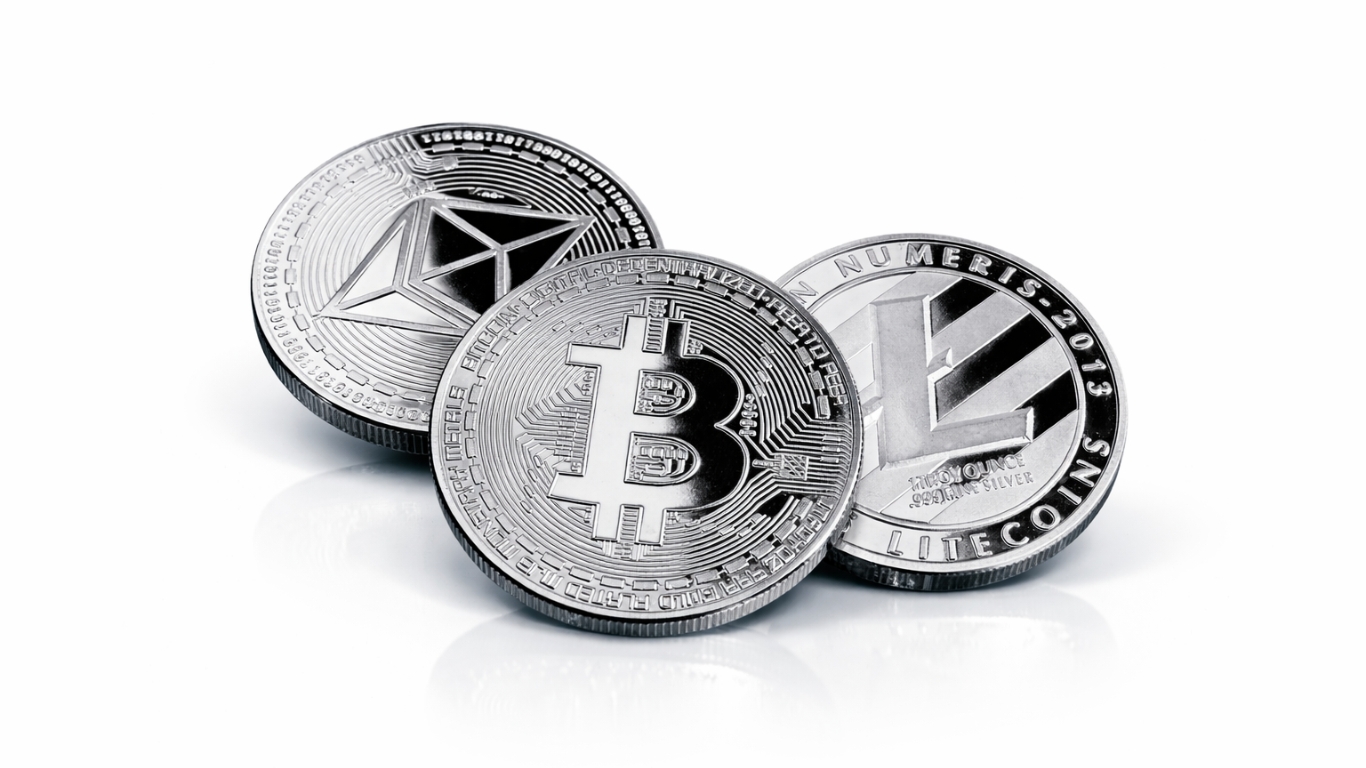


Bitcoin mining profitability has hit a wall. And the operators who’ve been paying attention are facing an uncomfortable truth: the margins that made crypto mining so attractive just a few years ago have largely evaporated.
Crypto mining profitability has become a real question worth asking, with sources like Cointelegraph and CoinDesk reporting that many miners now face brutally tight margins because of fixed energy costs and shrinking block rewards. The pressure is pushing them to look hard for new revenue streams well beyond traditional crypto mining.
This isn’t a temporary problem or a passing phase. It’s a structural shift showing how mining has moved from a high-profit growth business into a low-return commodity operation.
The global AI boom has arrived as an unexpected lifeline for struggling mining operations. Exploding demand for computing power and GPU infrastructure is creating genuine openings for facilities that already have electricity grids and cooling systems in place, giving them a head start in converting themselves into AI data centers.
For you as an investor who’s watched mining stocks slide alongside crypto prices, this shift is either a real business transformation or a desperate chase after the next hot trend. Which one it turns out to be depends entirely on how well companies execute and where they put their capital.
Table of Contents
Key Takeaways
Navigate between overview and detailed analysisKey Takeaways
- Bitcoin mining profitability collapsed after the 2024 halving, with block rewards cut to 3.125 BTC and energy costs eroding margins, transforming mining from a high-growth industry into a low-return utility.
- Major miners like Core Scientific, Hive Digital, and Hut 8 are pivoting toward AI data hosting and GPU computation, using existing infrastructure—power, cooling, and rack space—to serve the booming AI sector.
- CoreWeave’s $9 billion purchase of Core Scientific highlights how investors now view converted mining sites as valuable data infrastructure rather than speculative crypto operations.
- AI computing offers steadier and potentially 10–25x higher revenue per kilowatt-hour than Bitcoin mining, creating a compelling business case despite high conversion and operational costs.
- Geographically, the new wave of AI data centers is clustering in power-rich and regulation-friendly regions such as Texas, Idaho, and Iceland, supported by renewable energy partnerships and state incentives.
- The shift represents a structural evolution of digital infrastructure, where mining firms either adapt into scalable AI powerhouses—or fade as legacy energy-intensive relics of the crypto boom.
The Five Ws Analysis
- Who:
- Publicly traded mining giants like Core Scientific, Hive Digital, and Hut 8, alongside infrastructure investors such as CoreWeave and AInvest.
- What:
- A large-scale transformation of crypto mining facilities into AI and high-performance computing data centers to capture stronger margins and recurring revenue.
- When:
- Accelerating since mid-2024 following Bitcoin’s halving event, with 2025 marking the first full year of commercial AI hosting operations by former miners.
- Where:
- Concentrated in low-cost energy regions including Texas, Iceland, and parts of Canada and Scandinavia, where power, cooling, and renewable access align.
- Why:
- The collapse in Bitcoin mining ROI and the exponential demand for AI compute power created a rare crossover opportunity — repurposing stranded mining assets into profitable, future-proof infrastructure.
Why Bitcoin Mining Became Less Profitable
The April 2024 halving event gutted mining economics overnight, cutting the block reward from 6.25 BTC to 3.125 BTC per block. That’s a predetermined supply cut that immediately slashed gross revenue in half for miners who kept their contribution to the network steady. Bitcoin’s price typically rises after halvings over the long run, but the immediate effect squeezes margins hard and forces less efficient operators to either shut down or find something else to do.
Rising network difficulty compounds the problem by making it progressively harder to win block rewards. As more miners join using increasingly powerful hardware, the algorithm raises the bar for success. The result is an endless treadmill where you must constantly invest in newer equipment just to hold your share of rewards, let alone grow output.
Energy and operating costs have become the defining line between profitable and unprofitable mining. Energy market conditions mean electricity bills and infrastructure costs eat up margins especially fast in setups where miners didn’t lock in favorable long-term power prices. Geography now decides winners and losers. Miners in cheap power regions can stay profitable while those in expensive markets face genuine crisis.
The payback timeline has also stretched to levels that make new mining investments hard to justify. For home or smaller miners, breaking even can take 18 to 30 months. Industrial setups with cheap electricity can hit break-even in 9 to 12 months under ideal conditions. But those timelines assume Bitcoin prices and network difficulty stay stable, and both assumptions carry serious risk.
Core Scientific’s financial results show the revenue crash in real numbers, as Cointelegraph reports that the company’s Q1 revenue dropped from $179.3 million the previous year to just $79.5 million, a decline over 55% that shows how sharply mining revenue collapsed after the halving.
When a publicly traded mining company can lose that much revenue in a single quarter, you start to understand the pressure that’s driving the entire industry to find other ways to make money.

How the AI Boom Became Mining’s Second Lifeline
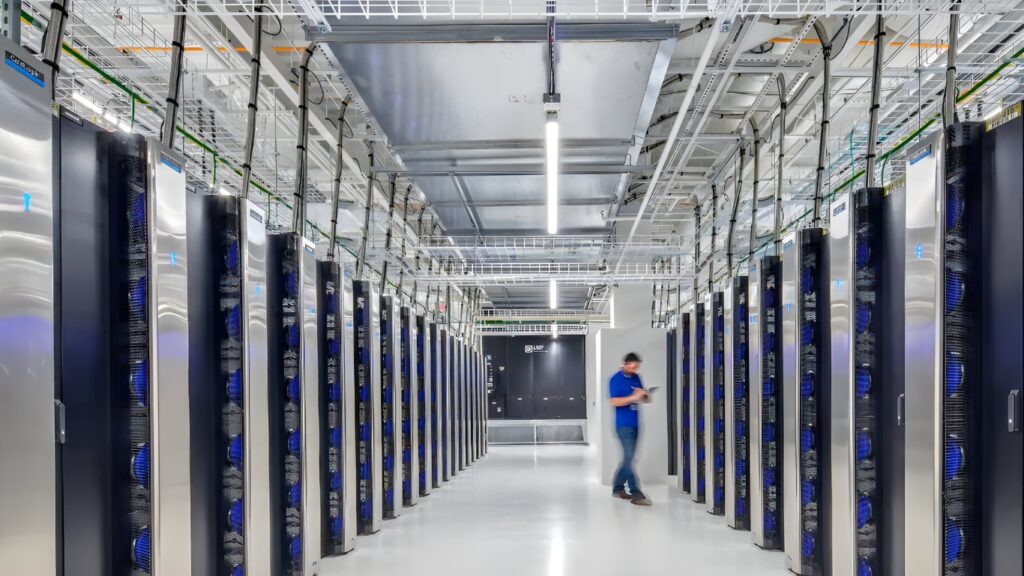
The infrastructure conversion opportunity exists because mining facilities and AI data centers need almost the same basic things. Power distribution, cooling capacity, rack space, and fast internet connections are the core requirements for both.
Many mining sites already carry high-power capacity and solid infrastructure that makes them suitable for hosting AI and high-performance computing work without needing to rebuild from scratch. This overlap means miners can shift toward AI using investments they’ve already made, assets that would otherwise sit mostly idle.
Real-world moves show just how quickly major miners have acted. CoinDesk reports that Core Scientific signed a multi-year deal with CoreWeave to host AI computing infrastructure, converting parts of its mining operations into high-performance computing facilities. That’s not a pilot program. That’s a strategic bet.
HIVE Digital Technologies is expanding AI operations using Nvidia GPUs, and Hut 8 launched a GPU-as-a-Service offering through its subsidiary Highrise AI, putting over 1,000 Nvidia H100 GPUs to work. These aren’t small experiments. They’re major capital commitments that signal a genuine repositioning of business models.
The M&A activity around these shifts tells you something important about how outside money views the transformation. CoreWeave’s $9 billion acquisition of Core Scientific, documented by Fortune, combined AI computing demand directly with a former miner’s physical infrastructure. A price tag like that doesn’t happen unless sophisticated infrastructure investors believe converted mining facilities can genuinely compete in AI computing markets.
Are AI Data Centers the New Gold Rush for Bitcoin Miners?
The profit picture for AI computing looks far better than crypto mining right now. AI computation and hosting services offer more predictable, steady revenue compared to the volatile swings of crypto mining rewards, which move with Bitcoin price, network difficulty, and halving cycles. If you’re building a business, that kind of revenue visibility matters enormously.
This stability matters hugely for investors looking at these businesses because steady cash flows support higher valuations and lower borrowing costs than volatile, up-and-down revenue.
Demand dynamics also favor AI infrastructure in ways that mining never did. The exploding need for AI processing power, covering both model training and inference work from tech giants and startups alike, can provide sustained utilization for converted mining sites that would otherwise sit underused.
Unlike Bitcoin mining where you’re competing for a fixed pool of rewards regardless of demand, AI computing sells processing time at market rates that can rise as demand outpaces supply. That’s a structural advantage. AI data centers can benefit from supply shortages rather than being crushed by them.
But the pivot carries real risks that separate successful transitions from costly failures. AI workloads require different infrastructure around processing speed, memory bandwidth, GPU architecture, and software compared to mining operations. Not every former mining site can convert smoothly without spending heavily to close those gaps.
As Cointelegraph and CoinGeek have both noted, the transformation doesn’t guarantee success even when companies genuinely try. Some operators are discovering that pivoting sounds easier in a press release than it turns out to be in practice.
The Economics Behind the Shift
The profit comparison between mining and AI computing is the core financial case for switching. One analysis suggests AI computing can generate up to 25 times more revenue per kilowatt-hour than crypto mining under favorable conditions. Even discounting for optimism in that figure, the directional argument is hard to ignore. And if you want to dig deeper into whether crypto mining still makes financial sense, the numbers tell a sobering story.
While this number likely represents best-case scenarios rather than typical results, even a fraction of this would justify moving money and infrastructure toward AI work.
That said, capital and operating expense realities make the simple revenue comparison more complicated. Converted mining sites need real investment in GPU infrastructure, network upgrades, enhanced cooling systems, and software stacks that weren’t part of the original mining buildout. Operating costs stay high because of massive electricity consumption, continuous maintenance demands, and the sophisticated cooling required to run dense GPU deployments.
Market forecasts for AI infrastructure support optimistic investment cases. AInvest references AI infrastructure market projections showing yearly growth rates of 20% to 30% or higher, which supports confidence that converted data centers will find sustained demand for their capacity.
Still, the growth rates projected for AI infrastructure spending far exceed anything Bitcoin mining could realistically offer, making the strategic logic for pivoting clear even when you factor in those conversion costs.
How the Pivot Is Reshaping the Digital Infrastructure Industry
M&A activity is accelerating as both crypto and AI infrastructure businesses recognize how naturally they fit together. CoreWeave’s purchase of Core Scientific stands as the clearest example of combining AI computing demand with physical data center infrastructure that already exists and already works. Bloomberg’s coverage of the data center sector shows this deal is part of a much broader consolidation wave reshaping digital infrastructure.
That deal structure tells you where the industry is heading. Consolidation is forming around players who can offer complete solutions rather than keeping facility operators and computing service providers separate. Scale and vertical integration are becoming the competitive advantages that matter most.
Regional clusters are also forming based on power availability and regulatory environments. Mining and AI data center growth is concentrating in power-rich U.S. states like Texas and Idaho, cold-climate regions like Iceland that cut cooling costs naturally, and areas where governments are actively offering favorable energy arrangements. Understanding the tax and regulatory picture around crypto and digital infrastructure is increasingly important for any serious investor in this space.
For you as an investor, these geographic clusters create genuine opportunities to back supporting infrastructure and services around emerging AI data center hubs. But they also concentrate risk in regions that depend entirely on sustained cheap power, and that’s a vulnerability worth watching.
Renewable energy partnerships and government support are becoming critical parts of competitive positioning. Partnerships with renewable energy providers and access to public incentives help support the enormous power demands AI data centers require, while also addressing environmental concerns from institutional investors and large corporate customers who face their own sustainability scrutiny.
Some miners are explicitly building green credentials into their strategic pivot, recognizing that sustainability may become a genuine differentiator in AI infrastructure markets where hyperscale customers face mounting pressure to shrink their carbon footprints. In a market this competitive, that kind of positioning could matter more than most people expect.