
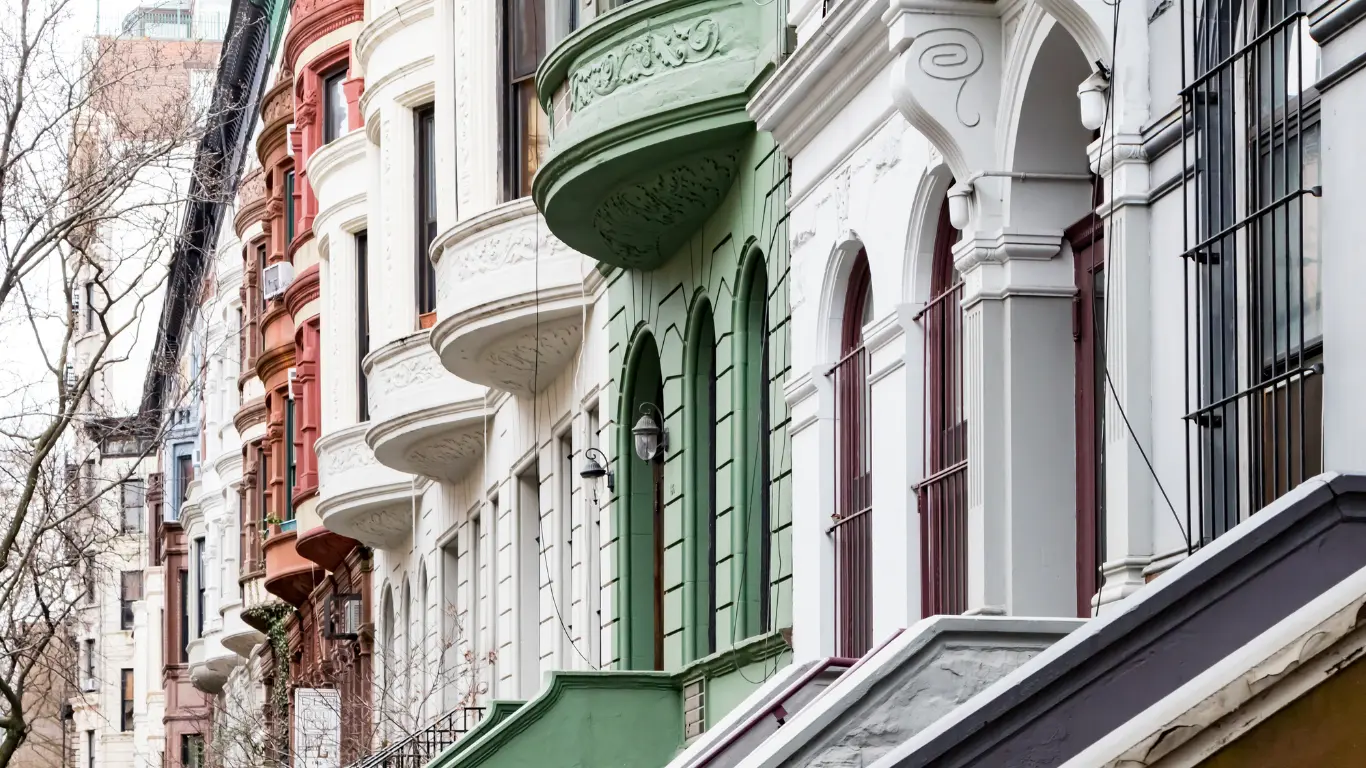

Historic homes are architectural treasures that have genuinely stood the test of time. They hold a special place in our shared story, showcasing craftsmanship and design elements you simply cannot replicate with modern construction.
What is Considered a Historic Home
So what actually makes a home “historic”? Generally speaking, a historic home is at least 50 years old and carries meaningful historical or architectural value. These properties are often protected by local or national preservation organizations, all in the name of keeping them intact for future generations to appreciate.
Before you dive in, you need to understand both the responsibilities and the rewards that come with owning one of these properties. Preservation guidelines vary widely depending on where you are, so researching the specific requirements in your area is essential. And be ready for the reality that historic homes often demand more maintenance and deeper financial commitment than a typical purchase.
What To Consider Before Buying A Historic Home
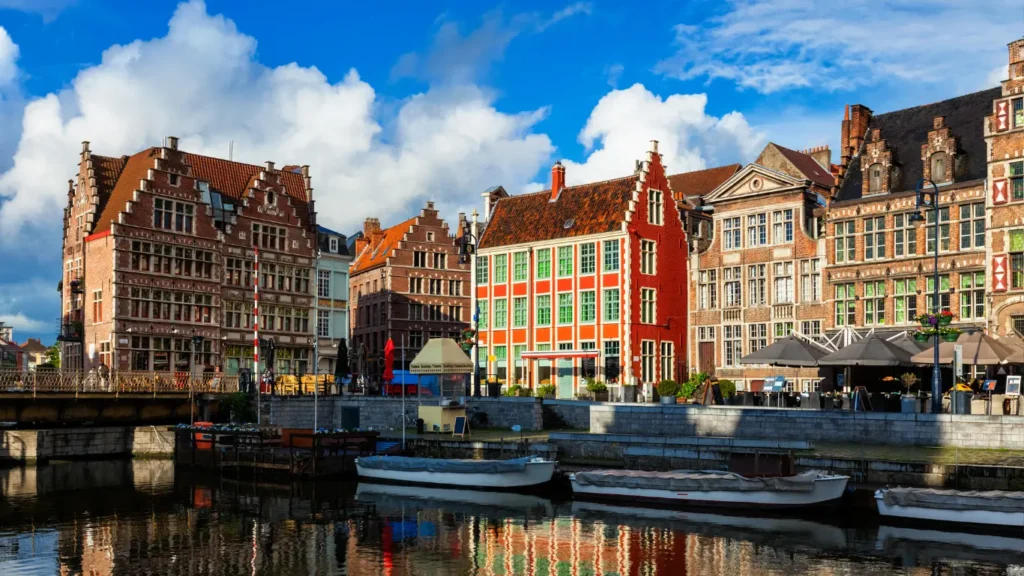
The allure of owning a piece of history can be hard to resist. But before you sign anything, you need to think carefully about a handful of factors that will shape both your daily life and your long-term investment. Here are the key things to keep front of mind.
Tax Incentives
One of the genuine perks of buying a historic home is the potential for tax incentives. Many governments offer tax credits or deductions for the rehabilitation and preservation of historic properties, and those benefits can meaningfully offset the higher costs of maintaining and restoring your home. Before you commit to a purchase, sit down with a tax professional or your local preservation office to get a clear picture of what’s available in your area. You can also explore how double taxation treaties can affect real estate investments if you’re buying across borders.
Home Maintenance
Historic homes demand specialized maintenance. Their age and unique architectural features mean you’re signing up for additional time, effort, and cost to keep everything in good shape. Regular upkeep, from repairing aging infrastructure to preserving original materials, is non-negotiable if you want to protect the structural integrity of the home. Bring in professionals who genuinely specialize in historic preservation. The last thing you want is a well-meaning renovation that strips away the very character that made you fall in love with the property in the first place.
Financing
Financing a historic home is a different beast from buying a modern property. Traditional lenders can be more cautious, factoring in the potential risks and costs tied to older structures. But specialized lenders and programs built specifically for historic home financing do exist. Working with professionals who have real experience in this space, and understanding the full range of financing options available to you, can make the process far less daunting.
Regulations
Historic homes come with regulations. Local or national preservation organizations set rules designed to protect the historical and architectural integrity of the property, and you need to know exactly what those rules are before you buy. Some areas restrict modifications, additions, or exterior changes more tightly than you might expect. Working with preservation professionals from the start will help you stay compliant while still making the improvements and updates that matter to you.
High Cost
No surprise here: historic homes typically carry a higher price tag than their modern equivalents. The historical significance and architectural value of these properties are priced in. On top of that, maintenance and restoration costs run considerably higher than what you’d face with a newer home. Before you commit, be brutally honest with yourself about your budget and whether you have the financial staying power to maintain and preserve the property the way it deserves.

Benefits of Owning a Historic Home
Possession of a Unique Piece of History
Owning a historic home means you become the custodian of a story that stretches back generations. Every architectural detail, from intricate woodwork to original stained glass windows, offers a glimpse into a world that no longer exists. Living in that space gives you a connection to the past that no modern build can offer. According to the National Park Service’s historic preservation program, there are over 90,000 listings on the National Register of Historic Places, each one telling a story worth protecting.
And owning that story means you get to share it. Whether you’re hosting friends and family, opening your doors to the community, or simply welcoming people who appreciate the craftsmanship of another era, a historic home becomes far more than a residence. It becomes a gathering place.
Access to a Community Committed to Preservation
When you invest in a historic home, you’re not just buying a property. You’re buying into a community. Historic neighborhoods tend to have active organizations and associations dedicated to maintaining the integrity and charm of the area. These are people who genuinely care about what they’ve inherited and are committed to passing it on in good shape.
Being part of that community means engaging with like-minded people who share your passion for history and craftsmanship. Local events, workshops, and seminars give you the chance to deepen your knowledge and contribute to preservation efforts that matter. And when you need advice or support on maintaining your own property, that network is invaluable.
Higher Return On Your Investment
Historic properties tend to hold their value well, and in many cases, they outperform conventional homes over time. Their unique features, architectural significance, and limited supply create a demand floor that keeps values elevated. Forbes Real Estate Council has noted that scarcity drives premium pricing in ways that new developments simply cannot replicate. When the time comes to sell, that combination can translate into a strong profit.
But the upside doesn’t stop at resale. Your historic home’s character opens doors to additional income streams. Think renting the property for special events, film and photo shoots, or even running it as a boutique bed and breakfast. History enthusiasts and travelers actively seek out these kinds of spaces, and your home’s story becomes part of the experience they’re paying for. If you want a broader view of how real estate can work for your wealth, this breakdown of the pros and cons of real estate investing is worth your time.
Financial Assistance for Renovations
Renovating a historic home is deeply rewarding, but it comes with real costs. The good news is that you don’t have to carry the full weight alone. Grants, tax credits, and incentives from local, state, and federal governments exist specifically to encourage the preservation and restoration of historic properties. Bloomberg has covered how these programs have helped revitalize entire historic neighborhoods, turning what looked like financial burdens into genuine wealth-building opportunities.
By tapping into these financial assistance programs, you can offset renovation costs and make meaningful improvements without compromising the historical integrity of your home. These programs are built to support owners who are serious about preserving what makes their property special for the long haul.
Downsides of Owning A Historic Home
Stricter Regulations
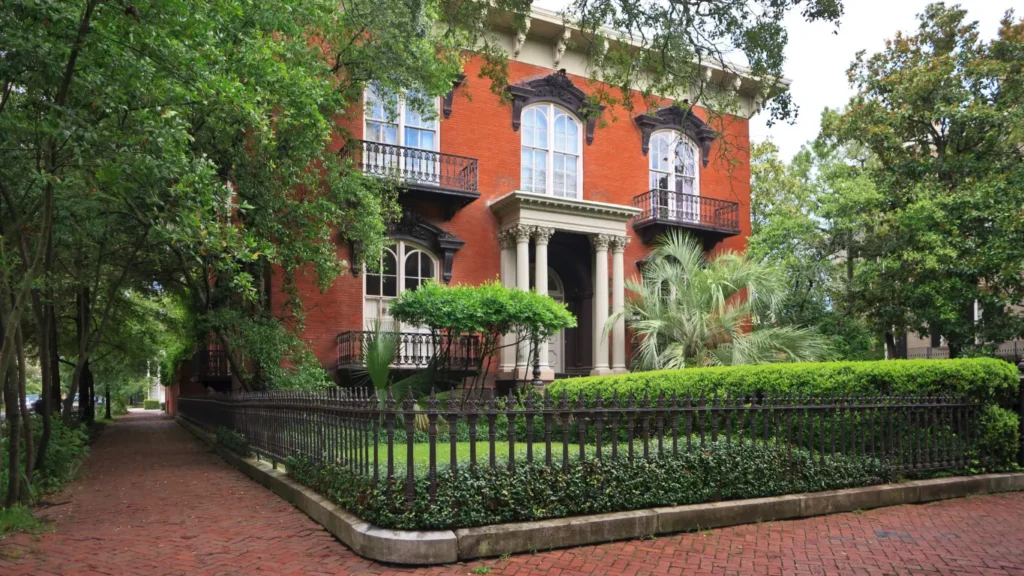
Regulations are one of the most important realities to understand before you buy. Historic homes are frequently subject to preservation ordinances that protect the property’s historical character, and those rules can limit what you’re allowed to change, both on the exterior and sometimes inside as well. The purpose is preservation, but the practical effect is that your freedom to personalize the home is more constrained than with a conventional property. Go in with clear eyes about that trade-off.
More Complicated Renovations
Renovating a historic home is not a straightforward process. Ornate moldings, intricate woodwork, vintage fixtures, these elements require specialists with a very specific skill set, and those specialists are harder to find and more expensive to hire. Beyond the craftsmanship challenge, securing permits and approvals for renovations takes longer when preservation guidelines are involved. Budget more time and more money than you think you’ll need, and then add a buffer on top of that.
More Costly And Frequent Repairs
Age brings character, but it also brings maintenance demands. Outdated electrical systems, plumbing that’s seen better days, structural quirks that only reveal themselves over time: older homes require more frequent attention than newer builds. And because preservation standards often dictate specific materials or techniques, the cost of those repairs climbs higher than you might expect. Before you buy, take a hard look at your financial readiness for ongoing maintenance costs. Robb Report has documented how even the wealthiest buyers underestimate these ongoing commitments.
More Difficulty Arranging Financing And Insurance
Getting financing and insurance sorted for a historic home takes more legwork than a conventional purchase. Lenders often apply stricter standards because of the unique risks tied to older properties, from potential structural concerns to outdated systems. Additional inspections or appraisals may be required before any deal closes. Insurance is its own challenge: insurers weigh the property’s age and risk profile carefully, and premiums can reflect that. Go into the process knowing it will take more time and effort, and line up professionals with specific experience in historic properties from the very beginning.