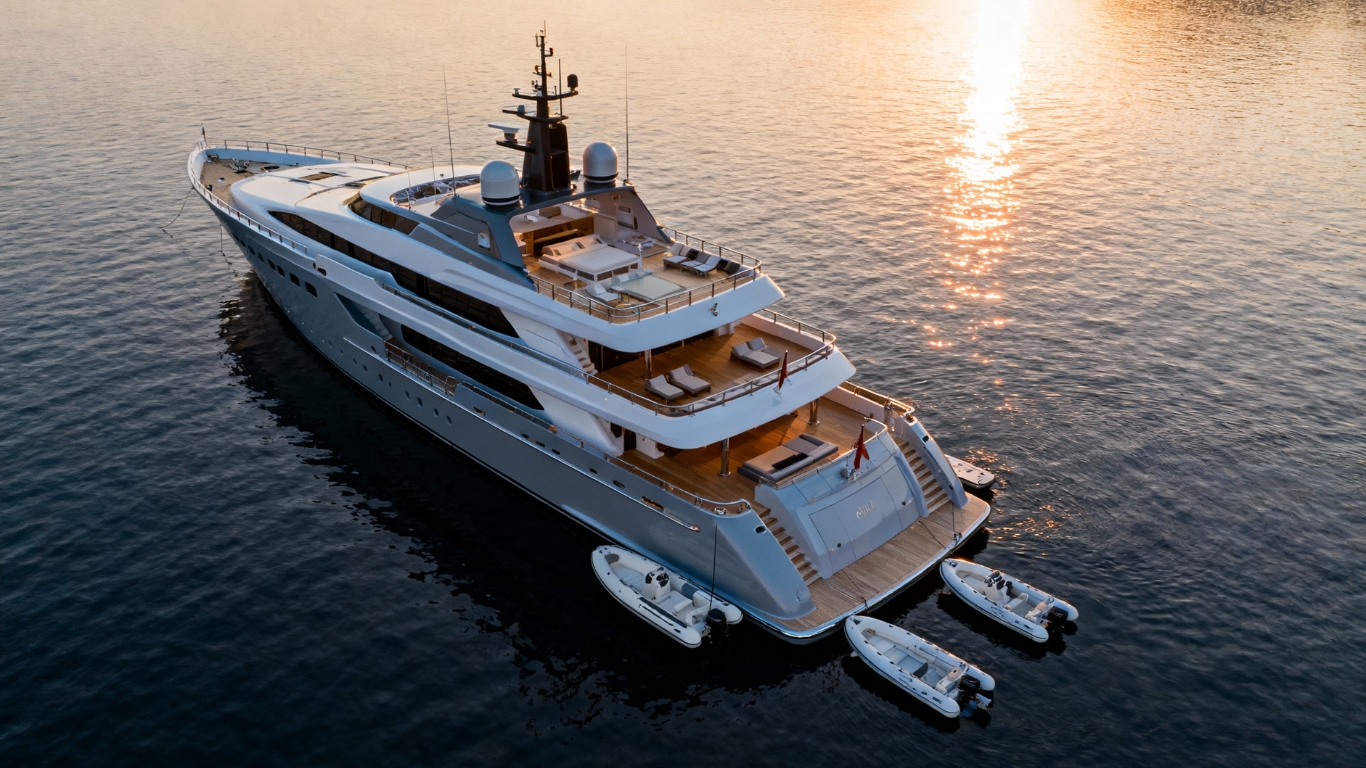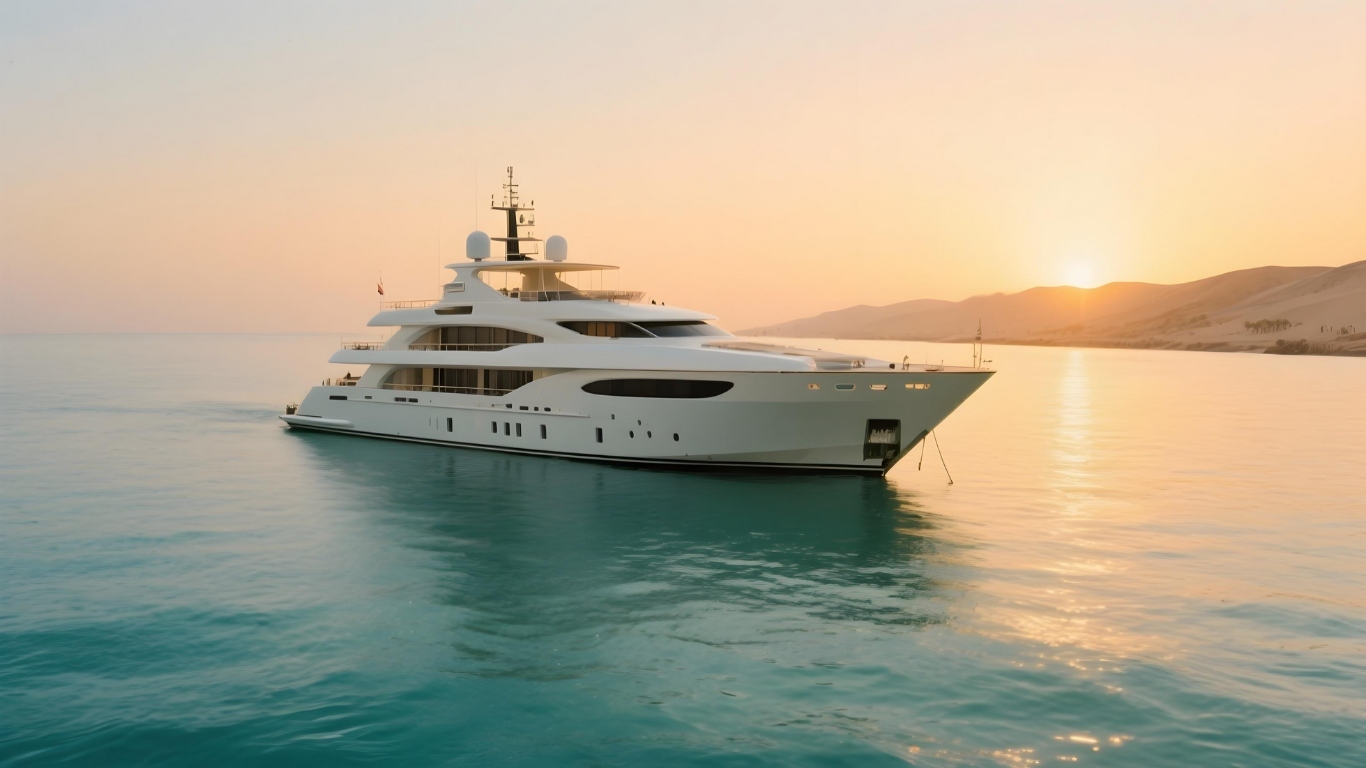


At first glance, a yacht seems like the ultimate indulgence, a floating palace built for leisure rather than logic. For decades, that was the perception: a yacht was something you spent on, not something you expected to earn from. But in 2026, the conversation is changing.
A quiet shift is underway in high finance and luxury, where rare yachts are beginning to be seen not just as lifestyle statements, but as assets worthy of a place in your serious investment portfolio.
The yachts attracting attention aren’t simply the largest or the most expensive. They are vessels with stories, boats built by shipyards with centuries of heritage, crafted with materials and techniques that will never be replicated, or produced in such small numbers that owning one is akin to holding a piece of history.
A classic Riva Aquarama, for instance, or a limited-edition Feadship isn’t merely your way to cross the Mediterranean. It’s a scarce cultural object whose value is enhanced precisely because so few like it exist.
Numbers back up this shift in perception. Superyacht Times data shows that sales of yachts over 30 meters grew by 18% in 2024, but within that market, the rarest models achieved premiums far above estimates and often sold faster than standard builds.
Investors are beginning to notice that scarcity, heritage, and exclusivity, the qualities that long defined blue-chip art or collectible watches, are now just as relevant on the water.
This raises an intriguing possibility. Could rare yachts be on their way to joining the ranks of fine art, wine, and vintage cars as established trophy assets?
Early signs suggest the answer may be yes, as more experienced investors start to view these vessels as a blend of passion, prestige, and portfolio diversification.
Table of Contents
What Makes a Yacht a Rare and Valuable Asset
Rarity in the yacht market isn’t about sheer size or flashy features. It comes from elements that simply cannot be replicated. Shipyards with long legacies, such as Feadship, Lürssen, or Benetti, produce vessels that combine cutting-edge engineering with a level of craftsmanship few competitors can match.
When production is limited to a handful of commissions per year, scarcity gets baked into the yacht’s DNA from the very start, ensuring that ownership is tied to both prestige and exclusivity.
Some yachts have become icons precisely because of this balance between craftsmanship and rarity. The Riva Aquarama Special, for example, stands as one of the most collectible models in the world, with classic editions fetching prices at auction that far exceed their original build costs.
More recently, unique creations like the Feadship Savannah, celebrated for its hybrid propulsion system and award-winning design, have entered the conversation as examples of yachts that combine innovation with enduring value. For savvy investors, these vessels are more than leisure assets. They are cultural artifacts on the water.
Scarcity is what ultimately drives long-term appreciation. Unlike standard production yachts, which often depreciate quickly once delivered, rare models hold their value precisely because supply is fixed. This mirrors the dynamics of other collectible markets, where rarity creates a floor for pricing and, in many cases, fuels steady appreciation.
For experienced investors, that scarcity turns a rare yacht into more than a luxury purchase—it becomes a store of value with lifestyle benefits attached.
Why Yachts Are Becoming a Trophy Asset for Investors
The rise of yachts as trophy assets reflects a broader evolution in how wealthy investors think about value. For decades, art, rare watches, and classic cars defined the category, prized for their scarcity and the prestige that came with ownership. If you want to understand how that collector mindset translates to wearable assets, luxury watches becoming inflation hedges tells a similar story.
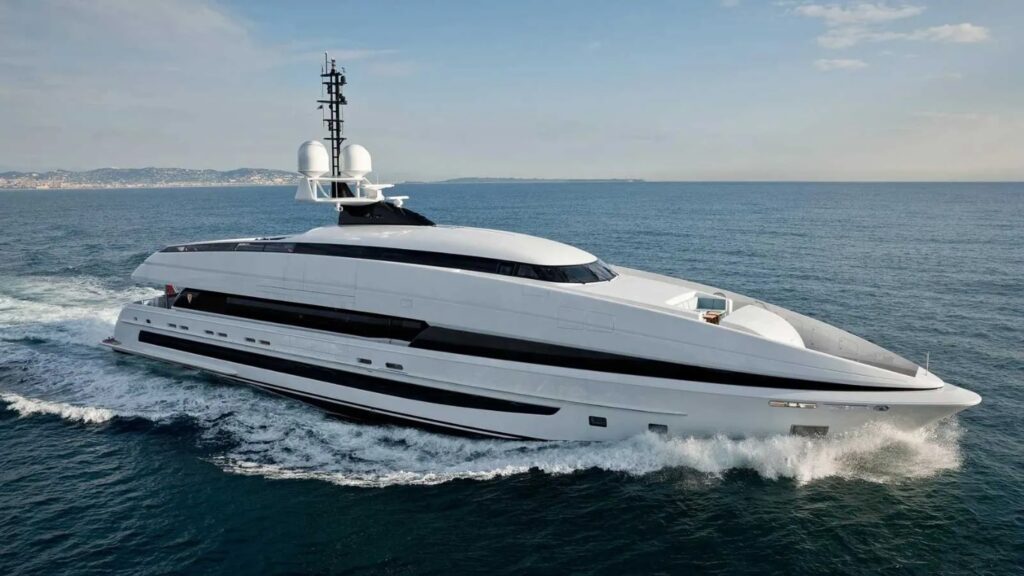
Yachts are now entering that conversation because they offer something those assets cannot, the combination of exclusivity with a highly visible lifestyle statement. When you moor a Feadship in Monaco or a custom Lürssen in St. Barths, the yacht becomes both your private retreat and a very public display of your standing.
Exclusivity has always been at the heart of trophy investing, and yachts fit the definition perfectly. Unlike traditional financial assets, they aren’t mass-produced or easily exchanged. Each rare yacht is the product of years of design, bespoke engineering, and craftsmanship tailored to its owner.
This uniqueness is what makes them desirable to experienced investors like you, who understand that value often lives in what cannot be copied.
For many seasoned collectors, yachts also occupy a psychological space beyond other trophy assets. While art and cars can be admired, they are ultimately passive. A yacht offers both enjoyment and prestige while still holding investment potential.
As one London-based wealth manager we work with put it, “Clients who once put money into Picassos or vintage Ferraris are now asking about yachts, not because they expect the same kind of liquidity, but because they see them as assets that deliver both financial and lifestyle returns.”
That dual nature is why yachts are being embraced as more than luxury purchases. They are increasingly treated as symbols of wealth that align with a growing desire among investors to hold assets carrying cultural weight, scarcity value, and personal utility all at once.
“Art hangs on a wall, wine rests in a cellar, cars sit in a garage—a yacht moves, entertains, and lives with you, and that’s what makes it incomparable.”
Stefanos Moschopoulos, Co-Founder of The Luxury Playbook
How the Market for Rare Yachts Has Evolved
As yachts move into trophy asset territory, it’s worth looking at how their market has changed over time. For much of the 20th century, yachts were seen purely as lifestyle luxuries. They were depreciating assets, expected to lose value the moment they left the shipyard, much like a new car rolling off the lot.
What has shifted is not only perception but also buyer behavior, with more investors treating certain vessels as cultural and financial assets worth preserving.
Historical pricing trends show just how far the market has come. In the early 2000s, only a small fraction of yachts over 30 meters were resold at or above their build cost. By 2020, that figure had more than doubled, according to industry data from SuperYacht Times.
By 2024, sales of superyachts over 30 meters grew 18% year-on-year, with limited-edition or iconic models trading well above expectations at auctions in Monaco and Fort Lauderdale. The shift wasn’t just about size. It was about scarcity, design, and pedigree, which now play a central role in driving prices.
In 2023, a classic Riva Aquarama Lamborghini edition sold for over €1.2 million, more than four times its original value, cementing its reputation as one of the most collectible small yachts in the world.
Larger vessels have followed the same path. A custom-built 60-meter Feadship, originally delivered in 2015, was resold in 2024 at nearly 30% above its launch price, a rare achievement in a market once defined by depreciation. These examples show how select yachts have crossed into the same territory as blue-chip art investments, rare, story-driven, and increasingly treated as financial assets.
Demand from ultra-high-net-worth individuals has accelerated this evolution. According to Wealth-X, the number of billionaires owning yachts increased by 12% between 2018 and 2024, with many viewing them as both lifestyle symbols and stable-value assets.
Brokers in Monaco and Dubai report that younger investors, particularly from tech and finance, are driving demand for distinctive, rare vessels rather than simply the largest or most ostentatious. This generational shift is helping redefine the yacht market from luxury consumption to collectible investment.
Investment Benefits of Owning a Rare Yacht
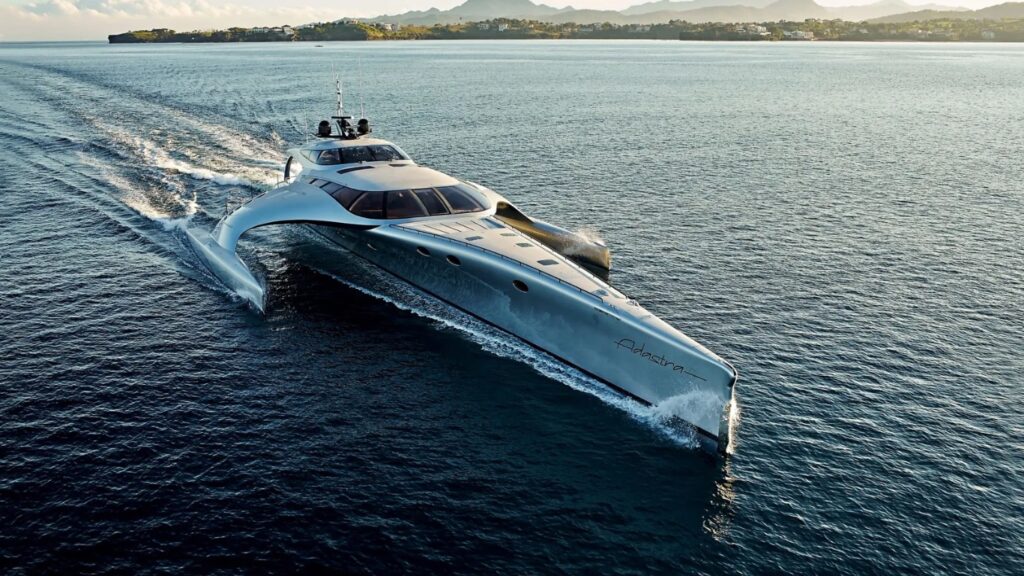
The transformation of yachts from symbols of indulgence into serious investment assets naturally raises the question of what kind of returns they can actually deliver. When rare and distinctive, these vessels offer you not only the prestige of ownership but also measurable financial benefits.
Unlike other trophy assets, they blend cultural weight with a lifestyle you can actively enjoy, making them stand out in a crowded field of alternatives.
Capital appreciation is a key attraction. Data from SuperYacht Times shows that between 2019 and 2024, resale values for rare yachts with strong pedigrees increased by 15 to 25% above their original build prices, while standard production models typically depreciated over the same period.
This mirrors the dynamics of the art market, where collectors willingly pay steep premiums for uniqueness, provenance, and craftsmanship. In short, scarcity translates directly into value, and investors who secure the right vessels often find their foresight well rewarded.
Beyond resale value, charter income has emerged as a compelling complement to long-term appreciation. Rare yachts, especially those above 40 meters, can generate between €150,000 and €500,000 per week in charter fees during peak Mediterranean and Caribbean seasons.
Annual operating expenses typically run between 10 and 12% of the yacht’s value, so a well-managed charter strategy can offset much of the cost of ownership. What was once viewed as a pure expense becomes an asset capable of producing yield while continuing to appreciate.
The case for yachts gains further strength when you view it through the lens of portfolio diversification. In times of market turbulence, tangible assets that rely on scarcity, such as fine art, collectible cars, and rare yachts, tend to hold or even increase their value.
A 2024 Credit Suisse report highlighted that scarcity-driven collectibles returned an average of 8.5% annually over the past decade, outpacing many fixed-income products. This positions yachts not only as status symbols but as inflation-resistant assets that can play a stabilizing role in your diversified portfolio.
What ultimately differentiates yachts from other trophy assets is the ability to combine financial logic with lived experience. A rare painting may sit in a climate-controlled room and a vintage Ferrari may be driven only occasionally, but a yacht lets you travel, entertain, and explore some of the world’s most exclusive destinations, all while functioning as a store of value.
That dual nature is exactly why more experienced investors are beginning to treat rare yachts not just as passion purchases, but as sophisticated tools for wealth preservation and growth.
Risks and Challenges of Investing in Rare Yachts
Rare yachts are gaining real recognition as trophy assets, but they remain among the most complex investments to manage. For every advantage in exclusivity or long-term appreciation, costs and risks exist that can offset returns if you haven’t planned carefully. To treat yachts as serious portfolio pieces, you need to approach the challenges with the same diligence you’d apply to art funds or private equity.
One of the most pressing issues is the cost of ownership. Unlike a painting or vintage watch, a yacht cannot simply be stored away without ongoing expense. Annual maintenance, insurance, docking, and crew salaries typically amount to 10 to 12% of the yacht’s value.
That means a €30 million vessel can cost as much as €3 million a year to operate. Even investors accustomed to large outlays must weigh whether the potential appreciation and charter revenue can realistically balance such significant ongoing expenses.
Beyond the cost issue, liquidity presents another challenge. The market for rare yachts is far narrower than for art or collectible cars, which can be sold at major auction houses with relative ease.
Finding a buyer for a 50-meter Feadship or a classic Riva often takes months, and the negotiation process can be highly individualized. Because the buyer pool is so limited, you should approach yachts as medium to long-term investments rather than assets you can quickly convert into cash.
Legal and tax considerations add yet another layer of complexity. Yachts frequently move across borders, operating under different flag states and entering waters with varying tax and regulatory regimes.
Questions around VAT on purchases, compliance with crew employment laws, and local maritime regulations can affect both your operating costs and eventual sale proceeds. Without expert guidance, you risk losing value not because of the yacht itself, but because of the regulatory environment in which it operates.
How Rare Yachts Compare to Other Trophy Assets
When you consider rare yachts as investments, they naturally invite comparison with other trophy assets such as fine art, vintage wine, and classic cars. All share the common qualities of scarcity, prestige, and cultural resonance, yet the role yachts play within this ecosystem is distinct. To understand where they fit in your portfolio, it helps to look at how they differ not only in performance but also in utility.
From a financial perspective, art has long set the standard for trophy assets. Masterpieces by established names such as Picasso or Basquiat have achieved extraordinary appreciation, with blue-chip works regularly crossing the $100 million threshold at auction. If you want a deeper look at that side of the market, building an art investment portfolio is worth exploring. Yachts haven’t yet reached such stratospheric returns, but they offer an alternative form of value creation.
Unlike art, which passively gains or loses value depending on demand, yachts can actively generate revenue through chartering. A well-positioned 50-meter vessel can earn €150,000 to €500,000 per week in peak seasons, allowing you to offset annual operating costs while still holding an appreciating asset.
This revenue-generating potential sets yachts apart from other collectibles like fine wine or cars. Wine, for instance, has produced steady 8 to 10% annualized returns over the past two decades, while classic cars such as the Ferrari 250 GTO have achieved legendary resale values. For a closer look at how wine stacks up as an investment, the rare wine grapes billionaires are quietly investing in gives you the full picture.
Yet both are ultimately static forms of wealth. Wine is consumed and cars are displayed or driven only occasionally. Yachts, by contrast, combine scarcity and prestige with a tangible lifestyle benefit. They aren’t simply collected or admired. They are experienced, enjoyed, and showcased in some of the world’s most exclusive settings.
But this duality comes with real trade-offs. While wine requires only careful storage and cars relatively minimal upkeep, yachts demand continuous expenditure on crew, docking, and maintenance. Liquidity is also more limited, as the pool of potential buyers is far smaller than in the art or wine markets. Boat International tracks these market dynamics closely and is worth following if you’re serious about this space.
This means yachts should be approached not as replacements for other trophy assets, but as complementary holdings. Ideally, they suit investors who already have exposure to more liquid alternatives and are ready to add something that delivers both financial and lifestyle value in a category few others are watching closely.