
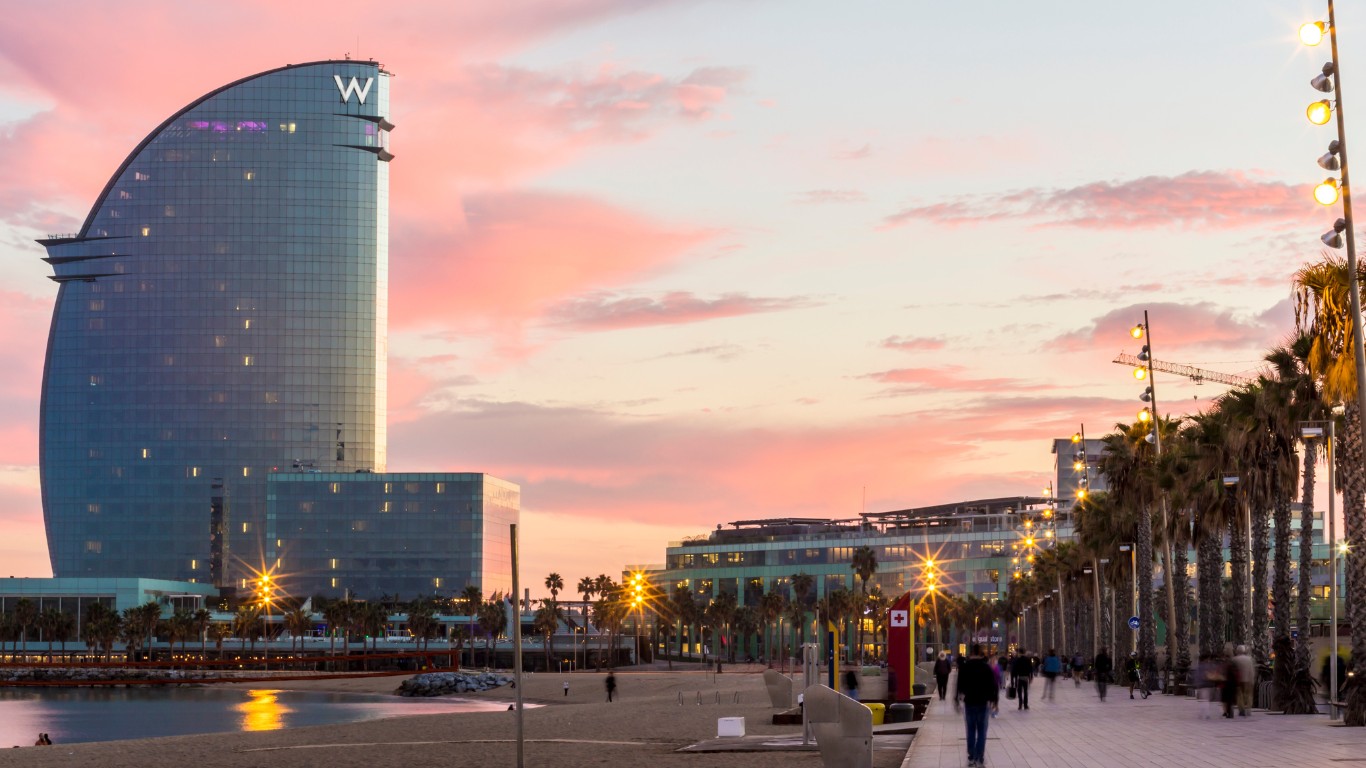

Spain’s prime property market has emerged as Europe’s standout performer in 2026, driven by global demand, scarce supply and continued price growth. Spanish property prices are expected to rise by 9.3% in 2026, more than double the European average of 4.3%.
According to the latest European Investor Intentions Survey by CBRE, Spain is now the most attractive country in Europe for real estate capital, overtaking long-established markets such as Germany, France and the United Kingdom.
Home sales in the first half of 2025 reached 379,484, the highest H1 figure since before the financial crisis and 32.6% above the decade average. Over 70% of luxury property transactions in Spain involve foreign buyers, with this figure exceeding 80% in the most popular coastal and island areas. In 2025, foreign nationals completed nearly 97,300 property purchases across the country — a new record.
Spain now sits in Europe’s Top 3 for prime revaluation, outperforming nine of twelve key property markets over the past five years. This comprehensive analysis explores why Spain has become Europe’s luxury real estate powerhouse and what this means for investors in 2026.
Table of Contents
Key Takeaways & The 5Ws
- You can benefit from Spain’s position as Europe’s top real estate investment destination according to CBRE’s 2026 survey
- You should expect prime property prices to rise 6-10% in 2026, outpacing the European average of 4.3%
- You can capitalize on foreign buyer dominance, which accounts for over 70% of luxury transactions in coastal areas
- You need to understand that structural supply shortages of 600,000 homes are driving sustained price growth
- You benefit from Spain’s €18.4 billion investment volume in 2025, forecast to reach €19-21 billion in 2026
- Who is this for?
- International investors, ultra-high net worth individuals, and family offices seeking European luxury real estate opportunities.
- What is it?
- Spain’s luxury real estate market achieving Europe’s highest growth rates and investment volumes, with prime properties commanding premium valuations.
- When does it matter most?
- Now through 2026, as supply constraints and record foreign demand create optimal conditions for capital appreciation.
- Where does it apply?
- Costa del Sol, Balearic Islands, Valencia, Madrid, Barcelona, and other prime Spanish coastal and urban markets.
- Why consider it?
- Spain offers Europe’s strongest price growth, structural supply deficits, and the continent’s most attractive investment fundamentals.

Spain Leads European Real Estate Investment Rankings
Spain was absent from the ranking in 2021, entered in seventh place in 2022, rose to fourth in 2024, second in 2025, and now takes the lead. This remarkable ascent reflects a fundamental shift in how international capital views Spanish real estate markets. In 2025, investment in Spain reached over €18.4 billion, a 31% increase year-on-year, and the highest level since 2018. Forecasts for 2026 suggest further growth, with volumes expected to reach between €19 and €21 billion.
The transformation is particularly striking when you consider Spain’s trajectory over the past decade. A decade ago, Spain was seen as the periphery of Europe’s real estate map. In 2026, it looks increasingly like its centre of gravity. That steady climb reflects Spain’s growing appeal as a lifestyle destination that offers market depth, consistency and long-term relevance.
According to CBRE’s European Investor Intentions Survey 2026, almost half of international investors now rank Spain among their top three choices, and whilst southern Europe is gaining strength, Spain is at the centre of that movement. This positioning creates significant opportunities for investors seeking European luxury real estate exposure in a market with proven momentum.

Record Breaking Price Growth Outpaces Europe
Spain’s luxury real estate market is delivering exceptional returns that significantly outperform European peers. Spain continues to stand out as the powerhouse of European house price growth in 2026, with forecasts pointing to robust increases of 7-10% in many analyses, far outpacing most continental peers.
The numbers tell a compelling story of sustained appreciation. As of February 2026, the average price was €2,673 per m², marking a year-on-year increase of 17.7%. In the first quarter of 2026, house prices in Spain rose by +14.3% year-on-year and +3.2% quarter-on-quarter. Adjusted for inflation, this equates to real growth of +11.8%, confirming that the market is becoming structurally stronger.
Prime and super-prime segments are showing particular resilience. Prime and super-prime markets have been particularly resilient, with prices expected to rise 3–6% and 6–10% respectively in 2026. Spain’s luxury real estate market is poised for another year of impressive growth, with prime locations expected to see price increases of up to 10% in 2026.
This growth trajectory creates compelling opportunities for investors familiar with luxury real estate investment strategies. Unlike speculative bubbles, several sources — including BBVA Research and Bankinter — describe the market as “overheated” due to severe supply shortages, but not a speculative bubble like in 2007. Growth is largely driven by supply-demand imbalance, relatively favourable financing conditions, and a strong economy.
| Market Segment | 2026 Price Growth Forecast | Key Drivers |
|---|---|---|
| Prime Properties | 6-10% | Supply constraints, foreign demand |
| Super-Prime | 6-10% | Limited inventory, lifestyle buyers |
| Coastal Properties | 7-10% | Tourism, international buyers |
| Urban Centers | 5-8% | Employment growth, rental demand |
Foreign Investment Drives Market Dynamics
International buyers have become the cornerstone of Spain’s luxury real estate success. In absolute terms, however, the numbers are significant: while foreigners purchased almost 93,000 homes in Spain in 2024, this rose by nearly 5% in 2025, reaching almost 97,300 transactions. Foreign buyers accounted for 13.8% of these sales, totalling almost 97,300 transactions, a new record for non-Spanish nationals.
The concentration of foreign investment in luxury segments is even more pronounced. Data from notaries places the Costa Blanca as the region with the most home purchases by international buyers (both resident and non-resident), with more than 20,000 transactions during the first six months of 2025. Among non-resident buyers, the Valencian Community accounted for 11,025 transactions, representing a 39.6% share of the international property market.
The profile of international buyers continues to evolve. More than half of these purchases were made by EU citizens, rising to over 60% when including other European countries such as the UK, which remains the largest group of foreign buyers in Spain. In the fourth quarter, the largest shares were among British buyers (8.57%), followed by Germans (6.67%), Dutch (5.91%), Moroccans (5.30%), French (5.28%), Romanians (5.17%) and Italians (4.76%).
For investors exploring international real estate opportunities, Spain’s appeal extends beyond pure financial returns. The appeal is driven by a combination of factors: a favorable climate with over 300 days of sunshine per year, competitive pricing compared to other European markets, a high standard of living, legal stability, and excellent transport links.
Supply Shortages Create Structural Advantages
One of the most compelling aspects of Spain’s luxury real estate market is the structural supply deficit that underpins long-term value appreciation. Spain’s real estate market is experiencing a structural supply deficit. According to industry estimates, the country is short approximately 600,000 homes.
This shortage is particularly acute in the luxury segment. The national picture of undersupply is even more pronounced at the top end. Total listings in Spain fell 15% in H1, yet the number of properties priced above €2.5M declined by just 1%, leaving around 14,000 prime homes on the market. Total property listings fell by 15% in the first half of the year, yet premium listings above €2.5 million declined by just 1%, indicating strong resilience at the top end.
Construction constraints prevent rapid supply increases. With construction permits taking 15–24 months to process, new supply is not expected to catch up with demand any time soon. These demographic and trend-driven price pressures in Spain are expected to continue for at least the next 5 to 10 years, as construction capacity constraints, lengthy permitting processes, and land availability issues prevent supply from catching up with demand in the near term.
The implications for investors are significant. This imbalance between strong demand and limited supply is the key factor supporting continued price growth, particularly in prime coastal and urban locations. For those considering luxury property development opportunities, understanding these supply constraints is crucial for long-term strategy.
Regional variations in supply constraints create different investment opportunities. The structural housing deficit, estimated at more than 700,000 units, together with an annual need for between 150,000 and 200,000 new homes, will keep pressure on prices, albeit with more moderate, single-digit growth.
Prime Regional Markets Show Exceptional Performance
Spain’s luxury real estate success is not uniform across all regions, with certain areas demonstrating exceptional performance that attracts sophisticated international capital. Southern and eastern Spain continue to lead the luxury market. The Costa del Sol, Balearic Islands, and Valencia region remain top choices for international investors.
The Balearic Islands represent the pinnacle of Spain’s luxury market. At the top end of the market, the Balearic Islands in particular continue to record the highest price levels, averaging around €3,743/m². This premium positioning reflects the islands’ unique combination of exclusivity, limited supply, and international appeal among ultra-high net worth individuals.
Coastal regions demonstrate remarkable resilience. In 2025, appraisal firm Tinsa reported that the average price on the Spanish coast (primary and secondary residences) increased by 7.2% in one year, while second homes / holiday homes on the coast rose by 12.1%, reaching an average of €2,970/m². Andalucía has eight provinces and while the 2025 overseas market share of 19.2% across the whole region was slightly below the 20.2% national average it turns out that in Málaga province, which really means the Costa del Sol, foreign market share was 42.9%, just ahead of the Balearics where it represented 38%. And while 34,104 foreign buyers represented 37% market share in the Comunidad Valenciana as a whole, in just one province, Alicante, overseas buyers were more than half the market, on 51.8%.
Valencia’s emergence as a luxury destination is particularly noteworthy. Notably, the Valencia Community adopted a new housing development plan in early 2026, increasing permitted density and choosing not to implement rent controls — a positive signal for investors. For investors interested in emerging luxury markets, Valencia represents significant opportunity.
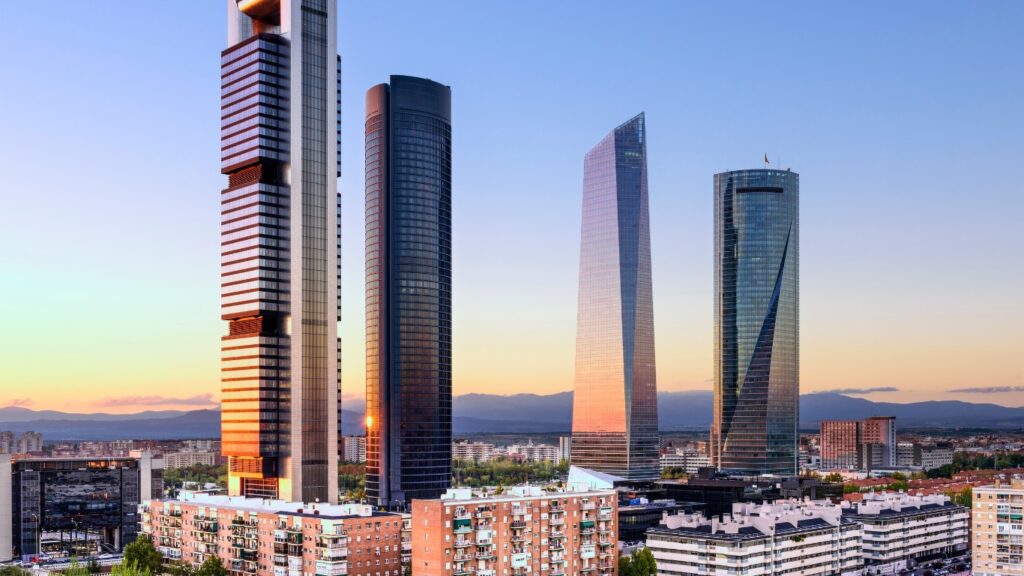
Urban centers continue to attract institutional capital. Madrid ranks second among Europe’s most attractive cities for real estate investment in 2026. Madrid, Warsaw, Barcelona, and Milan rank closely behind, each benefitting from solid occupier dynamics and improving market conditions.

Branded Residences and Premium Developments Lead Growth
The evolution of Spain’s luxury real estate market is increasingly defined by premium branded developments that command significant price premiums. One of the most notable shifts is the expansion of branded residences, which has gone from niche to mainstream. Spain now hosts 38 projects, including Four Seasons, Mandarin Oriental and Six Senses, with a further 25 in development. These homes command a 20–40% premium over comparable non-branded stock.
This trend reflects changing buyer preferences among ultra-high net worth individuals. A new cohort is emerging in 2026: tech founders, finance executives, professional athletes and entertainment figures, whose lifestyle-driven purchasing habits differ from the traditional second-home market. The luxury buyer of 2026 is searching for more than architecture or postcode. Demand is increasingly shaped by: Domestic concierge living: 24/7 service, housekeeping, private chefs, wellness clubs.
Geographic distribution of branded residences reveals strategic opportunities. Marbella leads with nine projects, followed by Madrid and Tenerife. Developers view these schemes as a route to international absorption; buyers see them as a hedge against quality risk. This concentration creates opportunities for investors seeking branded residence exposure in established luxury markets.
The premium commanded by branded residences reflects fundamental value drivers that resonate with international buyers. Among the most exciting developments are branded residences, which offer the prestige of internationally recognised brands and can command up to a 30% price premium, and high-end senior living, catering to international buyers over 60, now accounting for more than 18% of demand in some top-tier markets.
Market Outlook and Investment Implications
Spain’s luxury real estate market enters 2026 with unprecedented momentum and structural advantages that position it for continued outperformance. With mortgage rates stabilizing around 2.23% (Euribor) and banks continuing to offer competitive products, market conditions remain favorable for both lifestyle buyers and strategic investors. Forecast price growth of 8–10% for sales and 7–10% for rentals, depending on the region, makes Spain one of the strongest real estate markets in Europe heading into 2026.
The investment climate reflects broad-based confidence across multiple sectors. The majority of respondents (89%) expect purchasing activity to increase or remain steady in 2026. This positive sentiment is supported by a more stable macroeconomic environment, greater clarity on valuations, and improved financing conditions.
Long-term structural factors support sustained growth. It is being shaped by deeper forces: structural supply shortages, diversified international demand, demographic growth and a widespread reappraisal of lifestyle priorities. For investors developing long-term real estate strategies, these fundamentals provide a solid foundation for portfolio allocation decisions.
The market’s maturation is evident in its resilience and sophistication. The result is a market that has become, quietly but decisively, Europe’s value play: a place where prime buyers perceive long-term upside rather than short-term speculation. Spain presents a strong 2026 case due to EU jurisdictional stability, diversified demand (tourism + lifestyle migration + prime city ecosystems), and supply constraints in high-quality micro-markets.
Looking ahead, As we progress through 2026, Spain’s market is expected to maintain momentum, though at a more sustainable pace than the double-digit surges of recent years. Prime coastal and urban locations where Coastar Luxury Real Estate specializes will likely see the strongest gains, driven by international appeal and limited inventory. For discerning investors and buyers seeking capital appreciation in a leading European market, now remains an opportune time to act before further tightening.