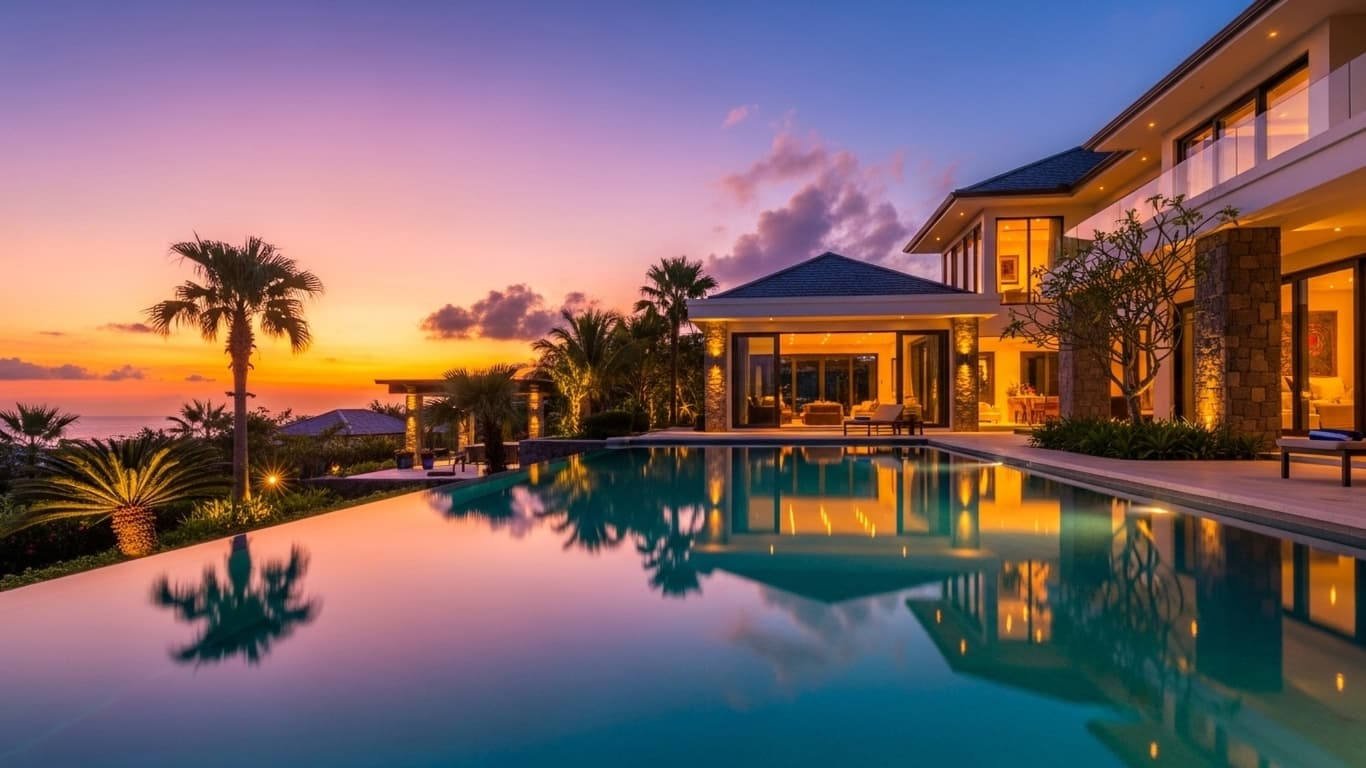
The best places to invest in property in Spain right now include Madrid, Barcelona, Malaga, Costa del Sol, Alicante, Marbella, Valencia, and Seville. Madrid and Barcelona give you strong rental yields and solid property appreciation, with neighborhoods spanning luxury penthouses to more accessible entry points. Malaga and Costa del Sol bring the sunshine factor and tourist demand that keeps returns steady. Alicante is your play for affordable entry with genuine rental upside, while Marbella is where serious wealth gravitates for high-end yields. Valencia and Seville round out the list with vibrant culture and real estate growth that smart money is increasingly hard to ignore.
Table of Contents
Is It Worth Buying A Property In Spain
Buying property in Spain is one of the more compelling moves you can make right now in European real estate. The pricing is competitive, the lifestyle pull is real, and the market gives you options ranging from cliffside coastal villas to sleek city-center apartments in some of the most energetic urban markets on the continent.
One of the first things you’ll notice is the price advantage. The average cost per square meter sits around €2,533, which looks very different from Paris or London. Rental yields running between 3.4% and 6.1% give you a balanced income story, whether you’re focused purely on returns or blending investment with personal use.
The market’s fundamentals are worth paying attention to. A 32% real estate price index growth since 2015, a steady quarterly increase of 1.3%, and annual property price growth of around 5% all point in the same direction. These figures align with projected economic growth for the years ahead, and the trajectory for prospective investors looks genuinely encouraging.
If you’re a non-EU investor, Spain’s Golden Visa program deserves your attention. A minimum property investment of €500,000 unlocks residency, which adds a layer of appeal well beyond pure financial returns. You’ll also want to get across the tax structure, property tax rates running from 0.4% to 1.1%, a 24% income tax on rental properties, and an imputed income tax between 1.1% and 2% of the cadastral value.
Buying costs are part of the picture too. Expect a 7% to 12% regional tax on new builds and a 6% to 10% transfer tax on secondary properties. That sounds significant upfront, but a 14.2% rise in house prices over five years puts those costs into perspective. The long-term appreciation story absorbs them.
When you layer these financial metrics over the broader real estate trends in Spanish cities, a coherent investment case emerges. Spain’s Fragile State Index score of 44.4 and forecasted moderate inflation rates signal the kind of economic stability that makes property ownership here a genuinely balanced proposition, lifestyle and financial upside working together.

Madrid
Madrid is one of the most compelling property markets in Europe right now. As of late 2026, the city’s diverse neighborhoods offer distinct opportunities at every level, and rental profitability across much of the capital consistently outpaces the national average.
In the Salamanca district, the numbers reflect its reputation. Property prices have reached around €8,180 per square meter, and sustained demand in this prestigious enclave shows no sign of softening.
Chamberí has been one of the standout performers, with property values climbing 7.4% over the past year. If you’re looking for a sought-after neighborhood with demonstrable momentum, this one deserves a serious look.
In the Centro district, areas like Malasaña and Justicia are pulling in a younger demographic and building a cultural energy that drives housing demand upward. That population shift is translating directly into rising property values across the board.
Arganzuela has seen property prices rise 12% annually, which puts it firmly in the conversation for investors chasing appreciation and strong rental returns in the near term.
Moncloa-Aravaca appeals to a different kind of buyer, one who values safety and proximity to top educational institutions. The steady 3% annual price increase here isn’t flashy, but it’s consistent, and consistency is exactly what long-term investors need.
For rental yield hunters, Usera offers authentic returns that often surprise first-time investors in the area. Meanwhile, Tetuán has posted a 7% annual increase in real estate activity, giving you solid and relatively affordable access to a market on the move.
La Latina brings history, culture, and an average price of around €2,500 per square meter. The lower entry cost combined with strong cultural appeal makes it one of the more interesting rental investment plays in the city.
Taken together, Madrid’s property market in 2026 gives you a genuinely varied set of options. Whether you’re chasing premium appreciation in Salamanca, consistent yields in Moncloa-Aravaca, or affordable entry in La Latina, the city has something for almost every serious investment strategy.
For strong rental yields in an authentic Madrid setting, Usera stands out as one of the more profitable and underappreciated neighborhoods in the capital right now.

Barcelona
Barcelona combines cultural magnetism with strategic positioning, and as of 2026, it stays firmly on the radar of international property investors. The city draws buyers from across the globe, and that depth of demand underpins a market with staying power.
Despite wider economic volatility, Barcelona’s real estate market has held its ground well, with steady transaction volumes and appreciating values across most neighborhoods. The city’s charm is baked into its architecture too, properties with balconies overlooking the Mediterranean or a Gothic quarter rooftop are genuinely hard to replicate anywhere else in Europe.
Neighborhood choice in Barcelona shapes both your budget and your returns dramatically. In Sarrià-Sant Gervasi, where luxury is the standard, average prices run around €5,582 per square meter. You’re paying for exclusivity, and the market reflects it.
At the other end of the spectrum, Nou Barris brings average prices down to around €2,500 per square meter. That kind of range within a single city gives you real flexibility depending on your strategy and risk appetite.
Eixample, Gràcia, and Sarrià-Sant Gervasi attract affluent buyers who want upscale properties close to cultural landmarks. Sant Martí offers a more accessible price point, averaging around €3,414 per square meter, which broadens the appeal considerably without sacrificing the Barcelona premium.
Rental demand in Barcelona is exceptionally strong. As of late 2024, the average rental price hit €26.08 per square meter per month, marking a 12.08% increase from November 2023. Those numbers tell a clear story about where this market is heading.
That upward rental trend makes Barcelona one of the more attractive cities in Southern Europe for investors focused on income. Demand is structural, not just cyclical, and that distinction matters.
Before you move forward on a Barcelona purchase, get clear on your acquisition costs. A Purchase Tax in the 6% to 10% range, notary fees between 1% and 2.5%, and legal fees around 1% to 2% all need to be factored into your numbers from day one. Both EU and non-EU buyers can purchase, though residency permit rules vary and are worth reviewing with a local specialist.
Barcelona’s property market in 2026 gives you genuine variety across its neighborhoods, whether you’re targeting luxury appreciation in Sarrià-Sant Gervasi or rental income in more accessible areas like Sant Martí. The fundamentals remain strong. You can also compare this against how Dubai is holding up as a luxury property destination if you’re weighing your European options against global alternatives.
Recent Developments in Barcelona’s Real Estate Market

Malaga
Málaga has cemented its place as one of the most exciting property markets in Spain right now. A thriving culture, a rapidly expanding economy, and a lifestyle that genuinely delivers year-round make this city hard to overlook. Add in the Mediterranean beaches and the Andalusian architecture, and you start to understand why investor interest keeps climbing.
El Palo and Pedregalejo together offer 1.2 kilometers of beachfront with a tranquil, traditional Andalusian character that resonates with both locals and expatriates. If your target tenant or buyer wants coastal living without the intensity of the main tourist strips, these neighborhoods hit the mark.
La Malagueta earns its reputation for exclusivity. Close to the city center and fronting a beautiful beach, the seaside promenade lined with palm trees creates an atmosphere that drives both rental demand and property values. The combination of sun, convenience, and prestige tends to produce strong yields.
Teatinos is where you see Málaga’s future taking shape. A surge in property development, driven by proximity to educational institutions and modern infrastructure, has made this area a magnet for families and students. The quality of new builds here is notable, with contemporary complexes and generous communal spaces.
The city center pulls everything together with excellent services, cultural venues, and transport links, giving investors access to a property market that genuinely caters to diverse needs and budgets.
Forbes named Málaga one of Spain’s best cities for people over 60, which tells you something about the lifestyle quality that keeps drawing new residents in. And the establishment of Google’s cybersecurity center has had a real effect on the property market, lifting rental yields and putting Málaga firmly in the conversation for tech-adjacent real estate plays.
As of late 2026, average property prices per square meter across Málaga’s neighborhoods paint a clear picture of where value concentrates and where entry points remain accessible.
- El Palo: €2,200
- Playa de la Malagueta: €4,600
- El Limonar: €3,300
- Centro Histórico: €4,160
- Paseo Marítimo de Oeste: €2,900
- Cerrado de Calderón: €2,210
These figures reflect a market that offers genuine range. You’re not locked into a single price tier across the city.
Málaga posted the highest housing price increase of any Spanish province in recent years, with an annual rise of 22% bringing the average price per square meter close to €3,000. Foreign investors account for nearly 35% of property transactions in the region, which speaks to the international confidence this market commands.
The supply side tells an equally important story. Experts estimate Málaga needs around 12,000 new homes built annually to meet demand, but current production sits at just 3,000 to 4,000 units per year. That structural shortfall is a key driver of the price escalation you’re seeing, and it isn’t going away quickly.
Málaga in 2026 gives you a market combining cultural richness, economic momentum, and a diverse property offering that ranges from affordable urban apartments to premium coastal developments. The fundamentals for investors look strong across multiple entry points.

Costa del Sol
The Costa del Sol holds a firm position as a premier real estate destination, blending an exceptional climate with world-class amenities and a property market that has shown real resilience. With over 300 sunny days a year, the region draws tourists and investors with equal consistency.
Estepona, sitting along what locals call the New Golden Mile, gives you a broad range of property options from sleek modern apartments to traditional Andalusian villas. Demand has pushed new developments and infrastructure improvements forward at pace, and that momentum is still building.
Fuengirola stretches across 8 kilometers of coastline and delivers a vibrant coastal lifestyle with steady real estate growth. Modern beachfront apartments and family-friendly residences have driven the market here, and the numbers have tracked upward consistently.
San Pedro de Alcántara stands out for its traditional character, weekly markets, and well-regarded international schools. Infrastructure upgrades including improved road networks and public amenities have made this town increasingly attractive to families and expatriates looking for something beyond the typical resort experience.
The luxury segment of the Costa del Sol posted 20% growth in recent years, with investments topping €3.2 billion in the Golden Triangle of Marbella, Estepona, and Benahavís. High-net-worth buyers and the rise of branded residences offering exclusive services have been the primary engines of that surge. You can explore how this compares to the five best emerging real estate markets that smart money is targeting right now.
Marbella anchors the luxury end of this market with modern amenities including infinity pools, smart home systems, and easy access to world-class golf courses. Average property prices in Marbella have reached €4,961 per square meter, a figure that reflects both its desirability and the depth of buyer demand.
Málaga-Costa del Sol Airport makes the region genuinely accessible, facilitating a steady pipeline of international buyers. The recognition Málaga city has received as one of the best places to live in Spain adds a further lift to property values across the surrounding coastal areas.
Mijas Pueblo, sitting about 22 kilometers south of Málaga, offers picturesque Andalusian landscapes and a property market that has recovered well from the 2008 downturn. Interest from both domestic and international buyers seeking tranquil settings has been climbing steadily.
Eco-friendly luxury is a growing trend here and worth factoring into your buying or development strategy. Properties built with sustainable materials and energy-efficient technology are attracting premium buyers, aligning with preferences that are reshaping the wider luxury lifestyle market globally.
The Costa del Sol’s neighborhoods span a wide range of lifestyles and investment profiles. From the high-octane glamour of Marbella to the family-friendly appeal of San Pedro and the accessible entry points in Fuengirola, you have genuine choice across the spectrum.
- Benalmádena: Known for its vibrant marina and family-friendly attractions, offering a mix of modern apartments and traditional houses.
- Torremolinos: Offers a blend of peaceful residential areas and lively beachfront promenades, appealing to both retirees and young professionals.
- Marbella and Benahavís: Home to luxury villas and exclusive gated communities, attracting high-net-worth individuals seeking privacy and premium amenities.
The trajectory for Costa del Sol real estate investment looks positive, with continued growth expected in both property values and rental yields. Your best move is thorough market research before committing, with close attention to location, property type, and the emerging trends shaping buyer preferences along the coast.

Alicante
Alicante has built a strong case as one of Spain’s most accessible and well-rounded property investment destinations. Urban appeal, coastal beauty, and a well-established expatriate community combine to create a market with real depth. The Alicante-Elche Airport handles around 13 million passengers annually, which keeps a constant flow of potential buyers and renters moving through the region.
Diverse Property Market
Alicante’s real estate offering spans a wide range of budgets and preferences, giving you genuine flexibility whether you’re buying for income, capital growth, or personal use.
- City Centre (Centro): Modern apartments are available, with prices ranging from €250,000 to €300,000. Additionally, 1970s-era two-bedroom apartments are priced around €120,000, offering options for both contemporary living and renovation projects.
- Pla del Bon Repos: This area presents excellent value, with two-bedroom apartments averaging €65,000, appealing to budget-conscious investors.
- Raval Roig: Proximity to Postiguet Beach makes this neighborhood desirable, with sea-view apartments starting at €150,000, ideal for those seeking beachfront living.
- Campoamor-Carolinas-Altozano: Affordable options are available, with renovation-required apartments starting at €50,000, attracting investors interested in property development.
The rental market in Alicante runs hot, driven by demand that outpaces much of coastal Spain.
- City Centre (Centro): Apartments can command daily rental rates between €100 and €150, particularly in prime locations, making short-term rentals lucrative.
- Campoamor-Carolinas-Altozano: Renovated properties can achieve competitive rental returns, with monthly rents varying based on property condition and amenities.
Rental prices in Alicante have risen three times faster than salaries over the past five years. That kind of divergence signals structural demand that isn’t going away. As of late 2026, rental prices for apartments across the main municipalities of Alicante province range between €525 and €2,458, reflecting how diverse the market truly is.
Around 320 sunny days a year is a serious selling point, both for you and for any tenant or buyer you’re targeting. The region supports a strong outdoor lifestyle with renowned golf courses like Villamartin and Las Ramblas nearby. From the high-rise energy of Benidorm to the quiet beaches of Guardamar del Segura, there’s a pocket of Alicante province suited to almost every lifestyle.
The property market in Alicante has shown genuine resilience and consistent growth, which is exactly what you want to see when you’re committing capital for the medium to long term.
- Sales Volume: In the first half of 2024, property sales in Alicante province decreased by 7% to 23,342 transactions. Despite this decline, it remains the second-highest sales level of the past decade, indicating sustained interest in the region.
- Property Prices: The average property price in Alicante province increased by 7% to €162,132, marking the tenth consecutive year of price growth. Over the past decade, sales have increased by 91%, and house prices have risen by 43%, reflecting a robust upward trend.
- Rental Yields: Gross rental yields in Spain, as of the third quarter of 2024, averaged 6.17%, with variations depending on property type and location. Net yields, accounting for taxes and expenses, are typically around 1.5% to 2% lower.
Alicante’s growing reputation among expatriates has pushed demand for retirement homes and second properties, particularly along the coast. That demand pressure is a key driver of rising prices. On top of that, tourism growth has created a strong short-term rental segment that’s delivering solid returns for investors who move quickly.
One thing worth knowing as you assess Alicante is the income dynamic. While the city has grown in population, surpassing cities like Bilbao in total inhabitants, average incomes are lower. The average income in Alicante sits at €12,473 compared to €17,870 in Bilbao. That gap can influence local purchasing power and tenant profiles, which matters when you’re sizing up a rental investment.

Marbella
Marbella is one of those names that carries real weight in the global property conversation. It draws serious luxury buyers for good reason, perpetual sunshine, a dynamic lifestyle, and some of the finest beachfront properties on Spain’s coast. If you’re looking at the top end of the Spanish market, this is where the conversation starts.
The Golden Mile is the heartbeat of Marbella luxury real estate, with starting prices at €2 million. Lavish apartments, penthouses, and stunning villas with uninterrupted Mediterranean views define this stretch. It’s a market where exclusivity is the baseline, not the exception.
Puerto Banus operates at the same level of prestige, with luxury villas, apartments, and penthouses that command prices reflecting their elite positioning. What you pay here is directly tied to the exact type and location of the property, and the range is wide.
Nueva Andalucia offers you a broader mix, opulent villas sitting alongside chic apartments and townhouses. Apartments average around €1,300,000, villas range from €3 million to €4 million, and exceptional penthouses can push as high as €9,500,000.
The financial case for Marbella is as compelling as the lifestyle one. Standard apartments deliver annual rental returns of around 3.5%, while exceptional properties in prime locations can yield 8% to 10% annually. That upper range is rare in European real estate and worth paying attention to.
Sierra Blanca and La Zagaleta anchor the ultra-premium end, known for their upscale residences and amenities that attract the most discerning buyers globally. If your budget sits closer to earth, San Pedro de Alcantara gives you a more accessible entry into the Marbella market starting at around €350,000.
Marbella is actively investing in its own future with ongoing infrastructure upgrades aimed at improving the experience for both residents and investors. The expansion of marina facilities is a clear signal of the city’s commitment to maintaining its standing as Spain’s leading luxury property destination.
| Area | Type | Price Range |
|---|---|---|
| Golden Mile | Villas, Apartments, Penthouses | Starting at €2 million |
| Nueva Andalucia | Apartments | ~€1,300,000 |
| Nueva Andalucia | Villas | €3-4 million |
| Nueva Andalucia | Penthouses | €700,000 – €9,500,000 |
| San Pedro de Alcantara | Various | ~€1.4 million (from €350,000 to €1 million in low areas) |
| Benahavis | Villas | ~€3 million |
| Benahavis | Apartments | ~€450,000 |
| Las Brisas | Villas | €2-9 million |

Valencia
Valencia brings together historical depth and modern energy in a way that few Spanish cities can match. Lower living costs compared to Madrid or Barcelona, combined with a quality of life that genuinely delivers, make it an increasingly attractive option for serious property investors.
Valencia’s neighborhoods give you real range across lifestyle preferences and budget levels, from the historic charm of the old city to contemporary waterfront developments.
- Benimaclet: Known for its vibrant culture and nightlife, popular among young professionals and expatriates. Average property prices are around €2,490 per square meter.
- Ruzafa: A trendy area with a lively atmosphere, attracting a diverse community. Property prices average €2,800 per square meter.
- Eixample: An affluent district offering luxurious living spaces, with property prices averaging €3,808 per square meter, making it one of the most expensive areas in Valencia.
- Ciutat Vella: The historic center, rich in cultural heritage, with property prices around €3,541 per square meter.
- Alameda: A prestigious area known for its green spaces and modern amenities, with property prices averaging €3,800 per square meter.
Valencia’s real estate market has posted strong growth in recent years, and the momentum looks well-supported by underlying demand drivers.
- Property Value Increase: In the third quarter of 2024, Valencia confirmed its position as one of Spain’s fastest-growing real estate markets, with price increases higher than the national average.
- Rental Market: The average rental price in Valencia has risen to approximately €16.18 per square meter per month, reflecting a 7.22% increase compared to the previous year.
The investment prospects here are compelling across multiple strategies, whether you’re targeting short-term rental income, long-term appreciation, or a blend of both.
- High Rental Yields: The city boasts an average gross rental yield of 8%, indicating strong returns for property investors.
- Emerging Districts: Areas like Poblats Marítims and Benimaclet have seen price increases of over 15% in recent years, signaling rapid growth and potential for appreciation.
Valencia’s appeal goes well beyond the numbers. The food scene, the architecture, the climate, and the pace of life all feed into a lifestyle proposition that keeps attracting international buyers and renters year after year.
- Affordable Living Costs: The city offers a lower cost of living compared to Madrid and Barcelona, making it attractive to a broad demographic.
- Economic Growth: Valencia’s economy has been diversifying and strengthening, particularly in sectors like technology, services, and tourism, contributing to the city’s vibrancy and investment appeal.
Valencia sits in an interesting position right now, a city with historical charm, modern infrastructure, and a real estate market that’s still catching up to its true potential. As sustainable development and tech investment continue reshaping the city, property values look set to appreciate further. If you’re comparing European markets, it deserves serious consideration alongside the other cities on this list.

Seville
Seville carries the soul of Spain in a way that draws a particular kind of investor, one who wants cultural richness and financial returns in the same package. Historic landmarks, flamenco, and lively festivals give it an atmosphere that’s genuinely hard to replicate anywhere else.
What stands out about Seville’s real estate market is how it has handled adversity. After falling 40% to 60% post the 2008 global crisis, it barely flinched during COVID-19. That kind of resilience tells you something important about the structural demand underpinning property values here. The Financial Times has consistently highlighted Andalusia as one of Europe’s more resilient regional property markets, and Seville leads that story.
Key Real Estate Statistics in Seville
- Average price per square meter in central Seville: €3,266.86
- Average price per square meter outside central Seville: €1,771.43
- Average rent for an 85 m2 flat: €670 to €900 per month
- Additional costs when buying property: 12% to 15% of the property price
The historic old town and the Santa Cruz district are where the most compelling investment opportunities concentrate. You get the blend of modernity and tradition that premium buyers seek, along with the captivating character that keeps rental demand strong year-round.

Gran Canaria
Gran Canaria is a different kind of Spanish property play. The second-largest of the Canary Islands, it combines volcanic landscapes, pristine beaches, and tropical forests into a setting that attracts millions of tourists every year. Year-round temperatures averaging 20 to 25 degrees Celsius keep occupancy rates high and give the rental market a structural floor that seasonal markets simply can’t match.
A three-bedroom flat in Puerto Rico runs around €250,000, while similar properties in Playa del Ingles come in roughly €40,000 higher. For villa buyers, three-bedroom options in Las Palmas are available at around €310,000. The combination of diverse landscapes and robust tourist infrastructure makes Gran Canaria a strong option for investors focused on either lifestyle value or steady income.
Choosing a reputable real estate agent is essential when you’re entering Gran Canaria’s market. Pairing that with a local lawyer and accountant protects your investment from the complications that can catch first-time international buyers off guard. The island’s infrastructure, good roads, airports, and hospitals, adds a layer of practical appeal that matters both for your own use and for attracting quality tenants.
| Property Type | Location | Price (€) |
|---|---|---|
| Three-bedroom Flat | Puerto Rico | 250,000 |
| Three-bedroom Flat | Playa del Ingles | 290,000 |
| Three-bedroom Villa | Las Palmas | 310,000 |

Murcia
Murcia represents one of Spain’s most undervalued property opportunities right now. Affordable prices, rural charm, and genuine growth potential put it on the radar of investors who prefer to move before the crowd. With an average property price of €171,000 and a price per square meter of €1,435, the entry point is low relative to most Spanish markets. An 8.7% increase in value over the past year suggests that window is narrowing. You can see how this kind of emerging market opportunity stacks up in our broader look at the best emerging real estate markets smart money is targeting.
The rental income story in Murcia is genuinely impressive. A two-bedroom Airbnb property can generate average annual revenue of €20,151 with a median occupancy rate of 67%. The standout neighborhoods are Vistalegre, with annual revenue of €41,079 and a gross rental yield of 23.47%, and Catedral, delivering €25,206 at a 12.73% yield. Sucina, El Carmen, and Norte round out the high-performing areas worth exploring.
Neighboring cities like Cartagena, Los Alcazares, and Aguilas strengthen Murcia’s overall investment case. Aguilas alone offers gross rental yields of up to 22.80%, which is exceptional by any European standard. Apartment entry prices starting around €150,000 and an estimated 7% ROI from rentals make the numbers work across multiple strategies. Bloomberg’s real estate coverage has flagged Southern Spain as one of the more compelling value plays in the current European market cycle, and Murcia fits squarely into that thesis. If you want strong returns without competing at the top end of the market, this is where the smart money is looking.