
The Swiss watch industry has undergone a dramatic transformation in 2026 following the implementation and subsequent reduction of U.S. tariffs on Swiss imports. The 39% tariffs, in effect for just 99 days, caused significant damage to what had been the Swiss watch industry’s most important and stable market.
The reduction to 15% provides relief and restores some predictability, but the industry operates in a permanently changed landscape. For luxury watch investors, this turbulent period has created both challenges and unprecedented opportunities in the secondary market.
Table of Contents
Key Takeaways & The 5Ws
- You can capitalize on the secondary market strength as tariffs make new Swiss watches 12-22% more expensive in the U.S.
- You should focus on blue-chip brands like Rolex, Patek Philippe, and Audemars Piguet that show resilience during market volatility
- You need to understand that the 15% tariff reduction from 39% has stabilized pricing but permanently elevated U.S. market costs
- You can benefit from geographic arbitrage by purchasing in non-U.S. markets where tariff premiums don’t apply
- You should consider pre-owned certified timepieces as they offer better value propositions than new inventory at current price levels
- Who is this for?
- Luxury watch investors, collectors, and enthusiasts looking to navigate the 2026 market dynamics shaped by tariff changes. Perfect for those seeking investment-grade timepieces and understanding market opportunities.
- What is it?
- A comprehensive analysis of how U.S. tariffs on Swiss watches have reshaped investment strategies, pricing, and market opportunities in 2026. Covers the shift from 39% to 15% tariffs and their impact on luxury watch investing.
- When does it matter most?
- Right now in 2026, as the market adjusts to the new 15% tariff structure and brands implement permanent pricing strategies following the tariff turbulence of 2025.
- Where does it apply?
- Primarily affects U.S. luxury watch markets, but global implications include secondary market dynamics, international purchasing strategies, and cross-border investment opportunities.
- Why consider it?
- Because tariff-driven price changes have created arbitrage opportunities, strengthened the secondary market, and fundamentally altered the investment landscape for Swiss luxury timepieces.

The Tariff Timeline That Reshaped Swiss Watch Investing
The tariff saga began with a shock that reverberated through luxury watch boutiques worldwide. On August 1st – also known as Switzerland’s National Day – the Trump Administration announced a 39% tariff on Swiss imports, a move that caught the industry completely off guard. What followed was a frantic 99-day period that fundamentally altered the investment landscape for Swiss timepieces.
The initial tariff implementation on August 7, 2025, created immediate market disruption. Swiss exports to the U.S. collapsed in September 2025 after a 39% tariff, industry press and Bloomberg / Swiss industry figures show a very steep drop in shipments. This dramatic decline forced brands and retailers to rapidly adjust their strategies, with many front-loading shipments before the deadline to minimize impact.
The breakthrough came through diplomatic negotiations that involved some creative approaches. Rolex reportedly gifted Trump a gold desk clock, which has since been spotted in the Oval Office. Another Swiss brand reportedly offered an engraved gold bar. These efforts, combined with Switzerland’s commitment to invest $200 billion in the U.S., ultimately resulted in the tariff reduction to 15% by November 2025.
Market Data Reveals Investment Opportunities
The numbers tell a compelling story about how tariffs have reshaped the investment landscape. Swiss watch exports declined 2.2% to CHF 23.4 billion through November 2025. Swiss Watch Exports are worth CHF 23.4 Billion—USD 28.2 Billion—with 13.2 million units exported. This decline masks significant regional variations that create opportunities for savvy investors.
The volume versus value dynamics reveal how the industry has adapted to tariff pressures. Through November 2025, wristwatch exports fell 6.0% in volume to 13.2 million units but only 2.2% in value to CHF 22.4 billion. Mechanical watches, which account for 86% of export value, saw volume decline by 4.3%, while value fell by just 2.1%, indicating stronger pricing power than their electronic counterparts.
Early 2026 data shows the market beginning to stabilize. Swiss watch exports returned to growth in February following a lacklustre start to the year. However, Swiss watch exports fell by 3.6 percent in January, indicating that recovery remains uneven across different months and market segments.
For investors, understanding these patterns becomes crucial when evaluating market timing strategies. The data suggests that while overall volumes have declined, value retention remains strong for premium segments, creating opportunities in the secondary market.
Secondary Market Emerges as the Clear Winner
The tariff environment has dramatically strengthened the secondary market for Swiss watches. The pre-owned (second-hand) market, already strong in 2025, could become the true heartbeat of luxury watch trading next year. The pre-owned market overall is already robust: in H1-2025 it was the best quarter in years for some segments.
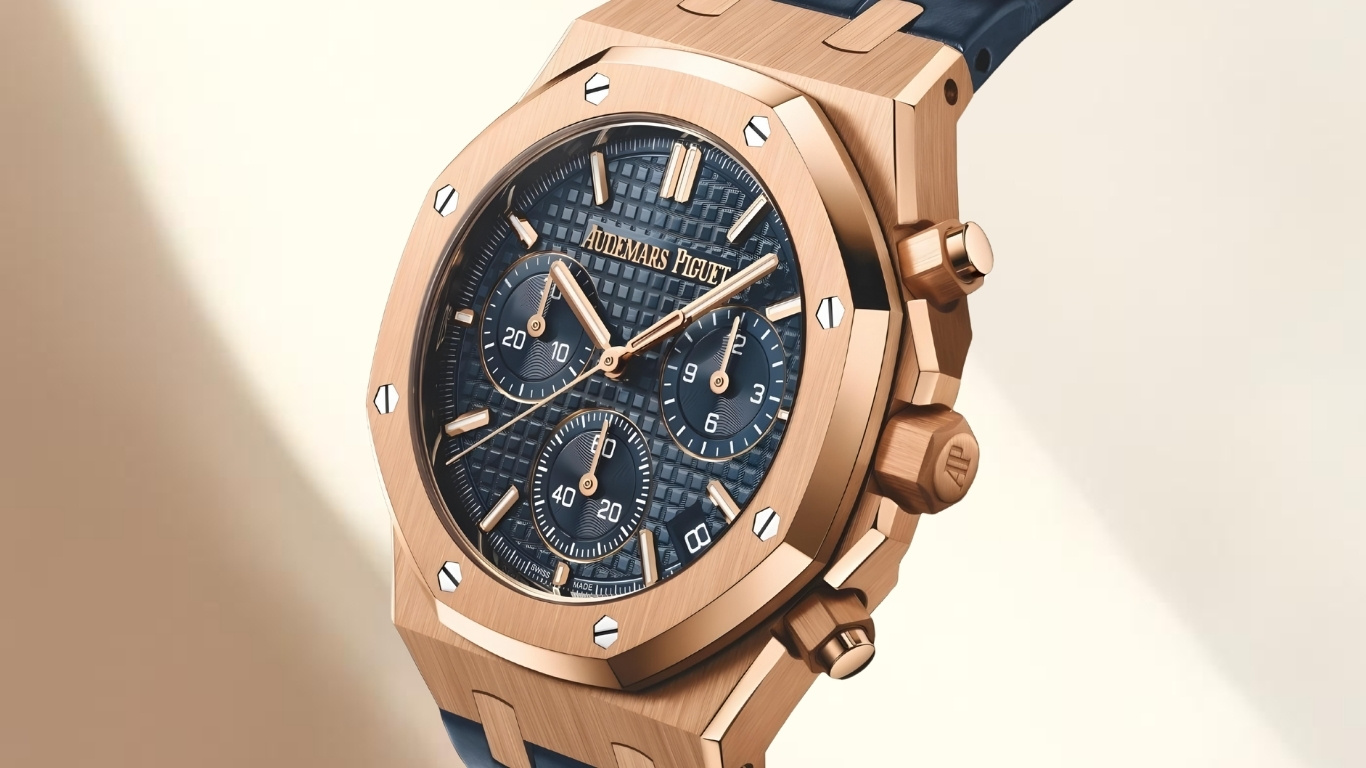
The logic is straightforward: when new watches become significantly more expensive due to tariffs, collectors naturally turn to pre-owned alternatives. Collectors and new buyers may turn to the pre-owned market, where prices aren’t directly tied to import duties. If you already own a desirable watch (like a Rolex Submariner, an Audemars Piguet Royal Oak, or a Patek sports model), it could hold its value or even rise slightly, simply because fewer new ones will be available.
Major retailers have recognized this shift and are investing heavily in certified pre-owned programs. The company reported that demand for key Swiss brands “remains robust, consistently exceeding supply”, with ongoing additions to its client Registration of Interest lists and strong growth in its Rolex Certified Pre-Owned offering in the US.
| Market Segment | Tariff Impact | Investment Opportunity |
|---|---|---|
| New Retail | 12-22% price increases | Limited due to higher costs |
| Certified Pre-Owned | No direct impact | Strong demand growth |
| Vintage/Collectible | Minimal impact | Benefiting from scarcity |
| Gray Market | Geographic arbitrage | Cross-border opportunities |
Brand Performance Under Tariff Pressure
The tariff period has revealed which brands possess genuine investment-grade resilience. A handful of brands—the ‘Big Four’ (Rolex, Audemars Piguet, Patek Philippe, and Richard Mille) plus Cartier—are over performing the market and capturing more than half of it. This performance is hiding the vast number of brands that are underperforming and struggling.
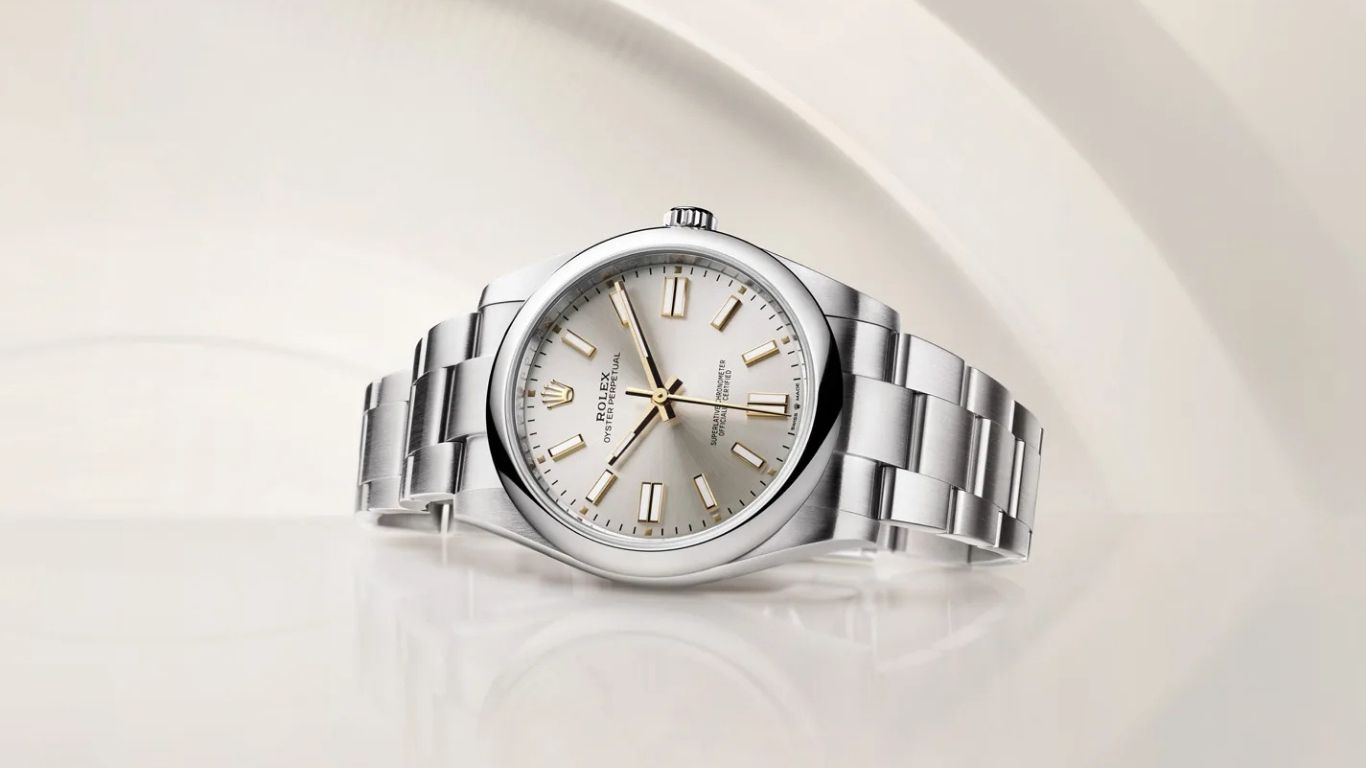
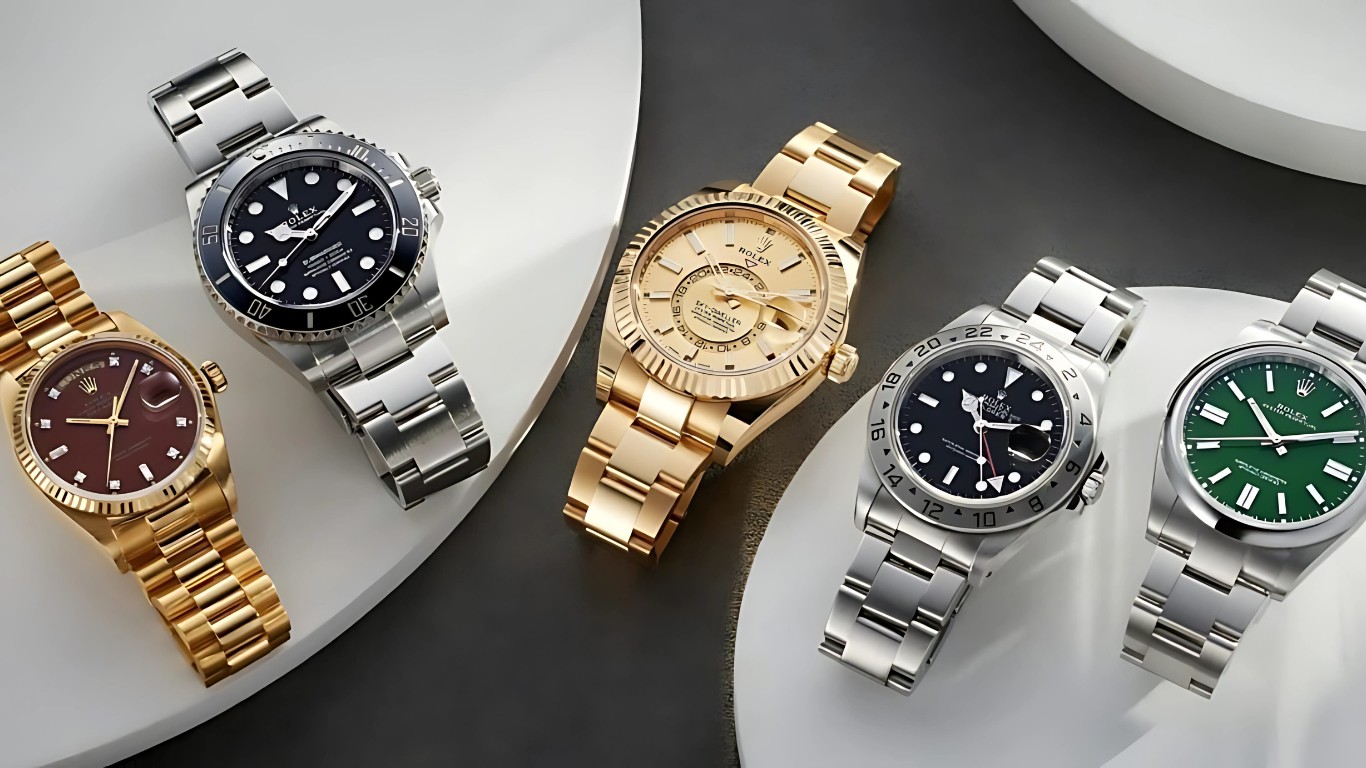
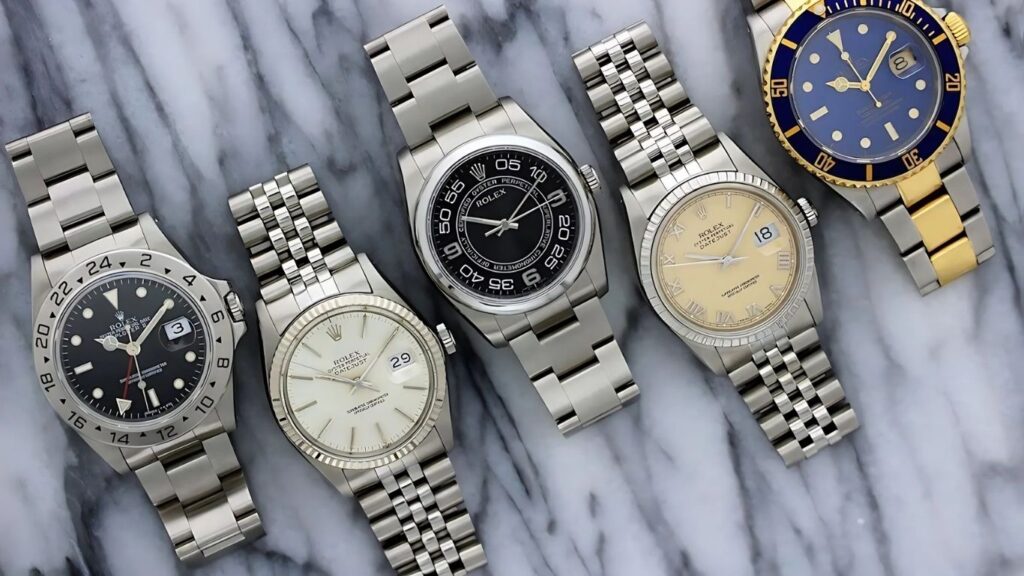
Rolex continues to dominate with remarkable consistency. Rolex has an estimated market share of 30.3% of the total Swiss watch retail market, and Rolex watches command exceptional resale value and liquidity. Global demand for iconic models like the Submariner and Daytona remains incredibly high, often outstripping supply. These watches consistently show strong value retention, with notable price stability observed throughout 2025.
Patek Philippe has demonstrated exceptional auction performance despite market turbulence. The brand’s heritage and scarcity continue to drive premium valuations, with Models such as the Nautilus and Calatrava drive intense desirability. Consequently, Patek Philippe dominates secondary market gains and frequently achieves record-breaking auction prices.
Independent brands face a more challenging environment. The CEO of a prominent consultancy to watch and jewelry brands noted that brands selling under CHF 15,000 ($16,650), often bought with a year-end bonus or salary, are likely to be hardest hit. However, some independents with strong collector followings, like F.P. Journe, have shown remarkable resilience in the auction market.
For investors, this concentration of value in established brands creates both opportunities and risks. While blue-chip names offer stability, their premium valuations may limit upside potential compared to carefully selected pieces from emerging independent manufacturers. Consider exploring our analysis of emerging watch brands for portfolio diversification strategies.
Geographic Arbitrage Creates New Investment Strategies
The tariff structure has created compelling geographic arbitrage opportunities that sophisticated investors are already exploiting. While American buyers face the new 39% tariff burden on Swiss watches, consumers outside the United States remain largely unaffected. The 39% import duty is specifically imposed on watches entering the U.S. market. Swiss watch sales in Europe, the Caribbean, and many other regions are not subject to this extra tax meaning prices in those places stay closer to what the brands originally set (plus local VAT/customs, of course).
Duty-free zones have emerged as particularly attractive purchasing destinations. This makes St. Maarten (or other duty-free zones and free ports) a strategic pick for those looking for Swiss luxury watches without U.S. premium markups. Smart investors are leveraging these geographic price differences to build their collections more cost-effectively.
The strategy extends beyond simple cost savings to portfolio optimization. Industry insiders expect more purchases abroad or in duty-free locations (the Caribbean traditionally a favorite for Americans) as tariffs make domestic prices less attractive. That complicates demand forecasting but also opens the door to new sales channels.
European markets have become particularly attractive for U.S. collectors. According to Chrono24 (2026), the price differential between U.S. and European markets has widened significantly, creating opportunities for collectors willing to navigate international purchasing procedures.
This geographic strategy requires understanding international warranty policies, customs procedures, and potential tax implications. However, for significant purchases, the savings often justify the additional complexity. Our guide to international watch buying provides detailed strategies for navigating cross-border transactions.
Auction Houses Report Record Breaking Performance
The auction market has emerged as a bright spot during the tariff period, with major houses reporting exceptional results. The rapid rise of F.P. Journe may begin to cool a bit after the dramatic auction results of 2025. However, this cooling represents a normalization rather than a collapse, with prices remaining well above historical levels.
Independent auction houses have particularly benefited from the market dynamics. According to Phillips Watches (2025), their record-breaking sales demonstrate sustained collector appetite for exceptional timepieces despite broader economic uncertainty.
The auction environment has revealed interesting trends in collector preferences. This combination of exclusivity and innovation consistently leads to high hammer prices at auctions. As an independent watchmaker, F.P. Journe has seen significant gains in the secondary market. It represents a prime example of independent watchmaking achieving peak desirability.
Collectors are increasingly focused on provenance and rarity rather than pure brand recognition. The landscape for luxury Swiss watch brands shifted noticeably in 2026. Collectors now prioritize rarity and specific model performance over general brand recognition.
This shift creates opportunities for knowledgeable collectors who can identify undervalued pieces with strong fundamentals. The key lies in understanding which complications, materials, and production numbers drive long-term value appreciation. For insights into auction strategies, explore our comprehensive watch auction guide.
Looking Forward: Investment Strategies for 2026
As the market adjusts to the new tariff reality, several investment strategies emerge as particularly compelling. For those considering luxury watch purchases in the coming months, several practical recommendations emerge: Expect continued price adjustments: The 15% tariff rate is now built into brand pricing strategies for 2026.
The certified pre-owned market represents the strongest near-term opportunity. The pre-owned and grey markets in the U.S., which were already gaining share, will remain structural winners because they are less directly exposed to border tariffs and can arbitrage global price gaps. Major retailers are expanding these programs, creating more liquidity and transparency in the secondary market.
Portfolio diversification across price segments and brands becomes crucial. Long-term investment portfolios benefit from Patek Philippe Nautilus 5712 and Rolex platinum Day-Date 40. These models combine brand prestige, material rarity, and proven market performance. Expect to allocate £70,000+ for the Nautilus and £50,000+ for the platinum Rolex, with 5-10 year holding periods yielding optimal returns.
The key to success lies in understanding that the tariff environment has permanently altered the investment landscape. Key lessons learned include: heightened awareness of geopolitical risk in luxury goods markets, the importance of inventory management and supply chain flexibility, the growing strength and legitimacy of the certified pre-owned segment, and the recognition that Swiss luxury watchmaking, while culturally and artisanally centered in Switzerland, must adapt its business models to an unpredictable trade environment.
Market experts suggest focusing on brands with proven resilience and strong secondary market performance. Consider building positions in blue-chip timepieces while selectively adding pieces from independent manufacturers with strong collector followings.
Frequently Asked Questions
How have Swiss watch tariffs affected investment returns in 2026?
Swiss watch tariffs have created a two-tier market where pre-owned and international purchases offer better value than new U.S. retail. The 15% tariff (reduced from 39%) has permanently elevated U.S. prices by 12-22%, making secondary market timepieces more attractive to investors. Blue-chip brands like Rolex and Patek Philippe have shown resilience, while the certified pre-owned market has experienced significant growth.
Which Swiss watch brands perform best under tariff pressure?
The ‘Big Four’ brands (Rolex, Audemars Piguet, Patek Philippe, and Richard Mille) plus Cartier have outperformed the market and capture over half of all Swiss watch value. Rolex maintains a 30.3% market share with exceptional resale value, while Patek Philippe dominates auction results. Independent brands under CHF 15,000 face the greatest challenges, though select independents like F.P. Journe show strong collector demand.
What are the best geographic strategies for Swiss watch investing in 2026?
Geographic arbitrage offers significant opportunities as tariffs only apply to U.S. imports. European markets, duty-free zones like St. Maarten, and Caribbean locations offer Swiss watches without tariff premiums. Smart investors are leveraging these price differences, though this requires understanding international warranty policies and customs procedures. The price differential between U.S. and international markets has widened significantly, creating compelling opportunities for cross-border purchases.