Most watchmakers treat steel as a commodity. Rolex treats it as a competitive weapon. Why Rolex invented its own steel when no other brand bothered is one of the cleanest case studies in modern luxury manufacturing, and the answer reframes the entire conversation around what a Rolex price tag actually represents.
- Rolex invented its own 904L steel, branded Oystersteel, because no other brand bothered to engineer a corrosion-resistant alloy designed specifically for luxury watch case construction.
- 904L Oystersteel offers materially better corrosion resistance, polish retention, and saltwater durability than the standard 316L stainless steel that virtually every other Swiss brand still uses.
- The 904L investment dates to the mid-1980s with the Sea-Dweller, with the broader Rolex catalogue transitioning to Oystersteel construction across the modern Submariner, GMT-Master, and Daytona.
- We see the Oystersteel investment as the structural manufacturing decision that separates Rolex from every other Swiss luxury alternative, with the broader collector education supporting the case.
- Service infrastructure and the broader Oystersteel polish-retention reality support decades of Rolex ownership, with the alloy materially outperforming standard 316L across long-term wear conditions.
- Manufacturer pricing on Oystersteel references reflects the broader material investment, with the secondary-market value retention supporting the structural manufacturing position over comparable alternatives.
- Who is this for?
- Rolex collectors, material science enthusiasts, and serious students of luxury watch manufacturing investment.
- What is happening?
- A grounded read on why Rolex invented its own 904L Oystersteel when no other brand bothered, covering the Sea-Dweller mid-1980s transition and modern catalogue rollout.
- When did this emerge?
- Rolex began the 904L investment in the mid-1980s with the Sea-Dweller, with the modern Oystersteel rollout completing across the broader catalogue through the last two decades.
- Where is this happening?
- Rolex manufactures the 904L Oystersteel in Switzerland, with the broader authorised dealer network supporting the global distribution across modern Rolex references.
- Why does it matter?
- The 904L Oystersteel investment separates Rolex from every other Swiss luxury alternative, which makes the broader manufacturing decision essential reading for serious collectors.
While the rest of the Swiss watch industry has long relied on 316L stainless steel, a perfectly adequate material used in surgical instruments and kitchen appliances, Rolex made a decision that cost millions and confused its competitors. The brand switched its entire production to 904L steel in 2003 and then built the infrastructure to process it internally. No other major watch brand followed.
That choice reveals something deep about how Rolex thinks. Once collectors understand the material science behind it, the price tags on Rolex watches start making a different kind of sense. The collectors we hear from building serious positions in the brand tend to come to the steel story late, but the moment they understand it, the broader Rolex argument falls into place.

What makes Rolex 904L steel special
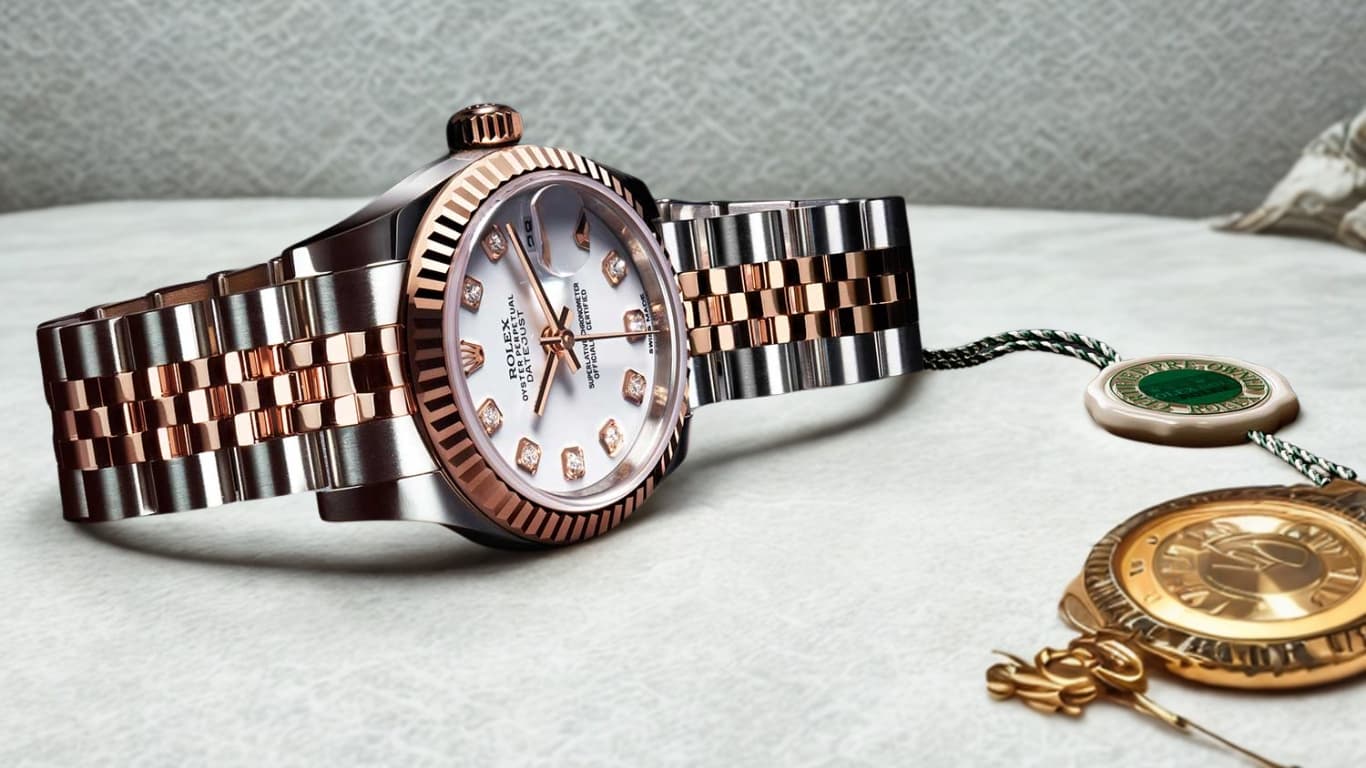
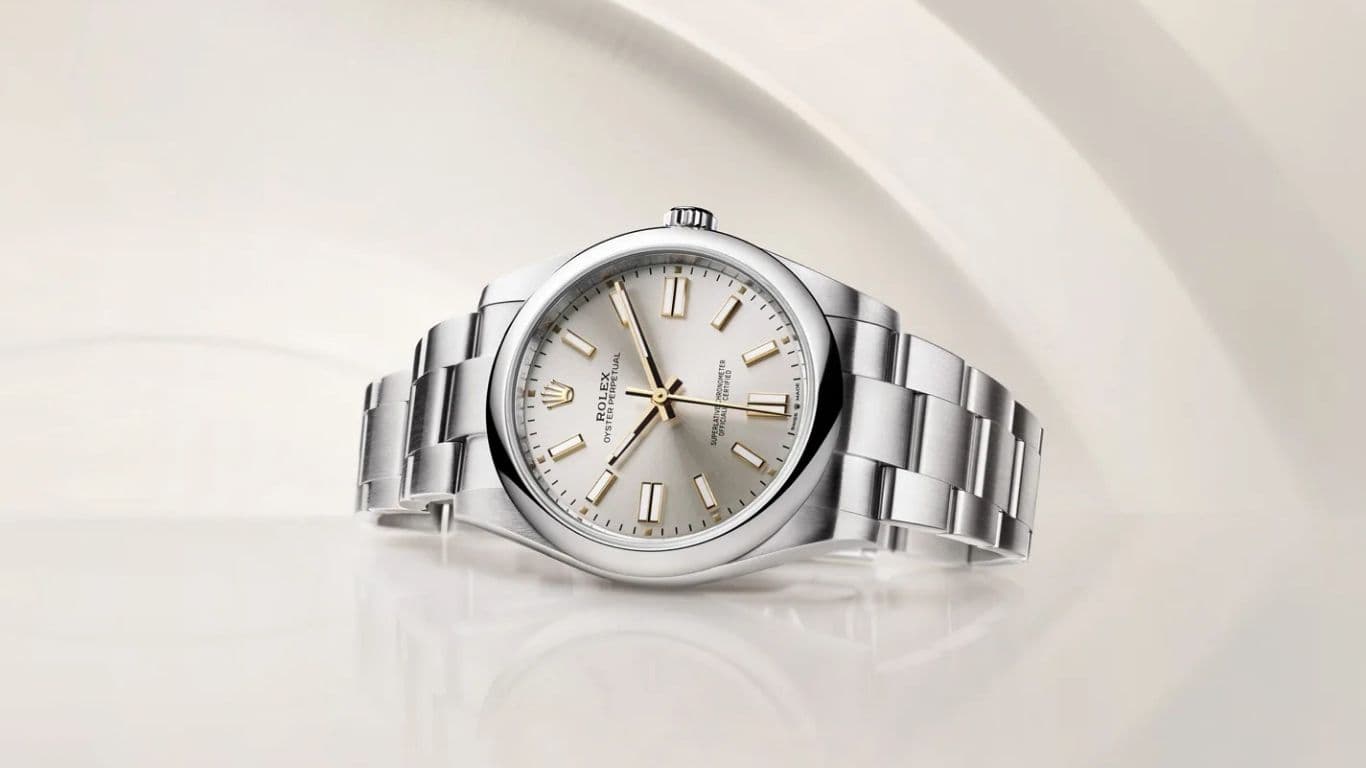
When you look at a Rolex Oyster case, you are not looking at ordinary stainless steel. The alloy Rolex selected was originally developed for the aerospace and chemical processing industries, where materials routinely face exposure to sulphuric acid, seawater, and extreme temperature swings. Rolex officially adopted 904L across its entire production line in 2003, marking a turning point most buyers never fully understood.
The difference between 904L and standard watch steel lives in the formula. Conventional 316L contains roughly 16 to 18 per cent chromium, 10 to 14 per cent nickel, and 2 to 3 per cent molybdenum. With 904L, every number goes up.
The alloy carries approximately 19 to 23 per cent chromium, 23 to 28 per cent nickel, 4 to 5 per cent molybdenum, and a copper addition of 1 to 2 per cent.
That copper content is the unexpected detail most people miss. It enhances corrosion resistance in reducing acid environments and shapes the specific way 904L accepts and holds a polish. The mirror-like depth that sets a Rolex bracelet apart from anything else on the market comes from that copper addition more than from any single other factor.
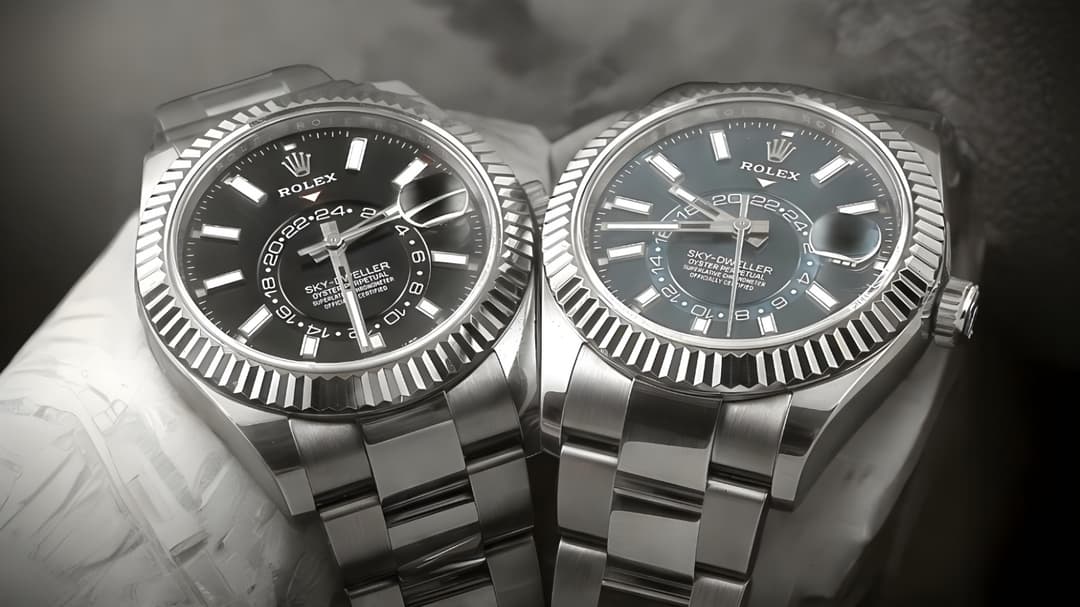
904L vs 316L steel: the real differences
Comparing these two materials side by side answers the question most potential buyers actually want answered. Does the upgrade matter, or is it marketing? The answer sits clearly in the material data.
Why 316L falls short for luxury watches
316L steel is a genuinely good alloy. It resists corrosion well in most environments, machines efficiently, and keeps manufacturing costs reasonable. The problem is that "most environments" excludes the conditions a serious watch encounters over decades of daily wear: chlorinated pools, salt spray, industrial chemicals, and the persistent low-level acidity of human sweat.
The wrist is exposed to all of it.
Rolex's own published material analysis shows 904L steel exhibits measurably superior resistance to pitting corrosion and crevice corrosion compared to 316L, especially in chloride-rich environments. That translates directly to how the watch looks and performs after ten or twenty years.
| Property | 904L Steel (Rolex) | 316L Steel (Industry Standard) |
|---|---|---|
| Chromium Content | 19 to 23 percent | 16 to 18 percent |
| Nickel Content | 23 to 28 percent | 10 to 14 percent |
| Molybdenum Content | 4 to 5 percent | 2 to 3 percent |
| Copper Addition | 1 to 2 percent | None |
| Polish Depth | Exceptional mirror finish | Good but less reflective |
| Corrosion Resistance | Superior in acid and chloride environments | Good in standard conditions |
Higher alloy content means better protection and better aesthetics over a long ownership period. The data is clear.
Why Rolex makes its own steel rather than outsourcing
Sourcing 904L from external suppliers would have been possible. Rolex chose not to do that. The brand built its own in-house processing capability, and the reasoning reflects a philosophy that runs through every department in Geneva and Biel.
When a brand outsources a critical material, it accepts someone else's quality tolerances. Rolex refuses that compromise. By handling the processing of its watch materials internally, from raw alloy acquisition through to finished cases and bracelets, the brand guarantees batch-to-batch consistency that third-party sourcing cannot deliver.
This level of vertical integration is rare even among Swiss luxury manufacturers. Fewer than a handful of Swiss houses control material processing at the depth Rolex does, making it an outlier rather than an industry norm. That independence also buffered Rolex against supply-chain disruptions that forced several competitors into production delays during the global supply crunch of 2021 and 2022.
The cultural conviction behind the standard
The cultural driver behind this decision is an almost obsessive commitment to a single idea: every component touching a customer's wrist must meet one standard, the highest achievable. Rolex does not balance cost against quality in the conventional way. The brand identifies the standard it wants and then builds the infrastructure to meet it.
That conviction shows up across the broader manufacturing operation as well. The proprietary lubricants. The internal foundry.
The proprietary alloys for gold and platinum cases. The steel decision is the cleanest tell on the broader pattern, but it is part of a deeper manufacturing philosophy that defines the brand.
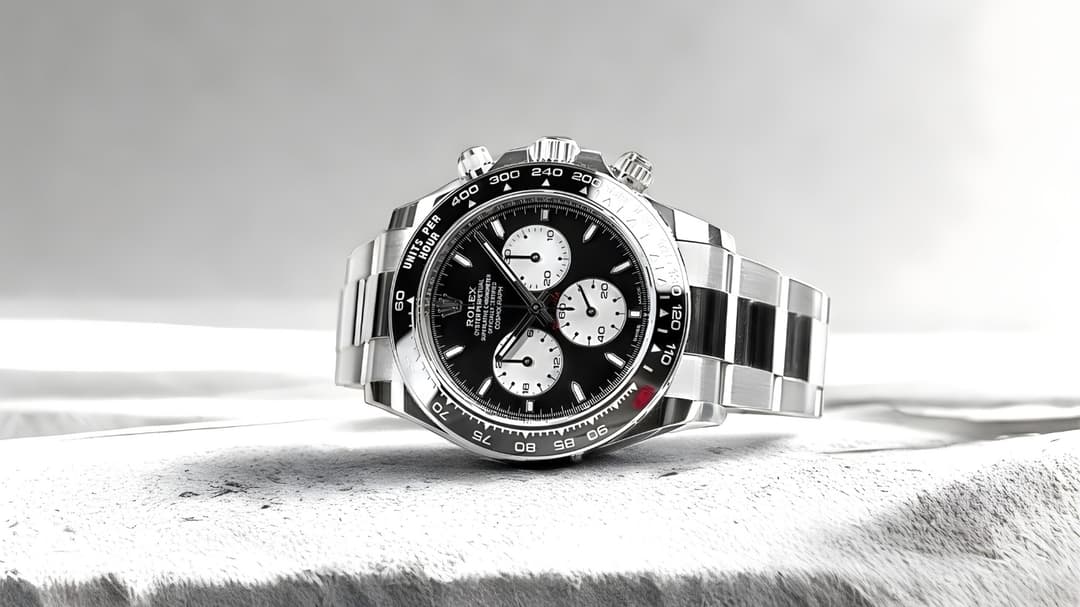
The hidden cost most buyers ignore
Here is the part of the Rolex price conversation that rarely surfaces. 904L steel is considerably harder to work with than 316L. It machines differently, wears out cutting tools faster, and demands tighter process controls throughout fabrication. These are not minor inconveniences.
They are structural cost drivers baked into every watch Rolex produces.
The tooling costs alone are a meaningful investment. Because 904L is harder and more work-hardened than 316L, standard cutting equipment degrades faster and needs more frequent replacement. Skilled machinists must adapt their techniques to maintain the tolerances Rolex demands at every stage.
Production runs slower. Labour hours per unit increase. Every link in an Oyster bracelet, every polished surface on a Submariner case, carries that additional cost.
Rolex produced approximately 1. 08 million watches in 2023 according to recent industry tracking. Running an operation of that size entirely on a more demanding alloy, processed in-house, requires capital investment that most watch companies would find prohibitive.
The price premium reflects material reality, not marketing fiction.
Does the steel choice actually affect the watch
Theory and laboratory data matter less than what happens on the wrist over fifteen years. The practical argument for 904L steel rests on three observable outcomes that distinguish long-term Rolex ownership from ownership of watches made with standard steel.
First, the polish holds. The higher nickel and copper content in 904L allows it to take a deeper polish and retain that finish longer under daily wear. A Rolex bracelet worn every day for a decade still shows its original surface character in ways 316L bracelets typically do not.
Second, the corrosion resistance is real. Regular exposure to sweat, seawater, and chlorinated water leaves no visible mark on a properly maintained 904L case.
Third, the overall structural integrity of the material means case edges and bracelet links maintain their geometry over time rather than softening with wear. Long-term ownership reports across the major collector forums consistently show Rolex owners reporting superior surface retention compared to same-era peers from brands using conventional steel.
What the steel choice means at the secondary-market level
For the everyday wearer, the benefits accumulate gradually and become undeniable over a long ownership arc. For the collector, the material quality directly supports secondary-market position, since a watch that holds its finish holds its market appeal. These are not abstract benefits.
They are measurable and consistent across the decades of production history Rolex now has with 904L.
The steel choice also influences how cases age across decades of ownership. Phillips and Christie's catalogue notes on vintage Rolex consistently flag original case finish as a load-bearing condition consideration. The 904L decision in 2003 means contemporary Rolex production cases will age into the vintage tier with the same surface integrity the brand's earlier production already demonstrates.
What this means for collectors
Rolex entered 2026 with no sign of relaxing this standard. Every new reference released continues to use Oystersteel, the brand's proprietary name for 904L steel processed to its internal specification. If anything, the sophistication of in-house processing has grown.
Understanding the material behind the watch changes how a buyer evaluates the purchase entirely. The 904L decision is the single cleanest tell on what separates Rolex from the broader Swiss watchmaking sector. The brand does not compete on conventional terms because it does not produce watches on conventional terms.
If you are weighing the broader Rolex collecting case, the steel story sits alongside the discontinuation cycle as one of the two structural factors that shape the brand's secondary-market position. Whether Rolex might discontinue one of its most sought-after GMT references is the other half of that conversation; model scarcity plays directly into long-term collecting value. The combination of material quality and production discipline is what anchors the brand at the structural top of contemporary watchmaking. We last reviewed this analysis in May 2026.
Frequently Asked Questions
- What is Rolex 904L steel and why does Rolex use it?
- Rolex 904L steel is a high-performance austenitic stainless steel alloy containing elevated levels of chromium, nickel, molybdenum, and copper compared to the 316L steel used by most other watch brands. Rolex uses it because it offers superior corrosion resistance, accepts a deeper and longer-lasting polish, and performs better in aggressive environments including seawater and chlorinated water. Rolex has processed this alloy in-house across all Oyster models since 2003.<br><br>
- Is 904L steel really better than 316L steel for watches?
- Yes, in meaningful and measurable ways. Rolex 904L steel outperforms 316L in corrosion resistance, especially in chloride and acid-rich environments, and it achieves a superior mirror polish that holds longer under daily wear. The tradeoff is that 904L is harder to machine, which increases manufacturing cost and complexity. For a watch worn daily over decades, the real-world advantages in finish retention and durability are clearly observable.<br><br>
- Does any other watch brand use 904L steel besides Rolex?
- Very few brands use 904L steel. Rolex is the only major Swiss manufacturer to process it entirely in-house at production scale. Some smaller or independent brands have experimented with 904L, but none match the vertical integration Rolex has built around the material. Most luxury and entry-level watch brands continue using 316L steel or, more recently, proprietary variants of 316L developed by individual manufacturers.

Stefanos Moschopoulos
Stefanos Moschopoulos founded The Luxury Playbook in Athens and has spent the better part of a decade following the auction calendar, the en primeur releases, and the watchmakers, gallerists, and shipyards the magazine covers. He writes the field guides and listicles that anchor the Connoisseur section — pieces built on Phillips and Christie's results, Liv-ex movements, and conversations with collectors he has met across Geneva, Bordeaux, Basel, and Monaco. His own collecting habits sit closer to watches and wine than art, and it shows in the level of detail in the magazine's coverage of those categories. Under his direction, The Luxury Playbook now publishes long-form field guides, market-defining year-end listicles, and the Voices interview series with the founders behind the houses and the brands.