
Luxury real estate is going through a profound shift, and eco-consciousness is driving it. Today’s sustainable luxury properties don’t ask you to choose between opulence and responsibility. They deliver both, meeting the expectations of affluent buyers who want their homes to reflect their values as much as their wealth.
Table of contents
- The New Standard in Luxury: Sustainable Living
- Pioneering Materials for an Eco-Friendly Aesthetic
- Biophilic Design: Bringing the Outdoors In
- Cutting-Edge Technology for Green Living
- Energy Efficiency
- Community Responsibility and Ethical Construction
- Global Demand for Sustainable Luxury Homes
- Financial Upsides for Sustainable Investments
- Trends of Sustainable Luxury
The New Standard in Luxury: Sustainable Living
Luxury real estate is moving toward something more holistic, where beauty, comfort, and sustainability don’t compete with each other. Sustainable luxury today goes well beyond swapping in recycled materials. It wraps in energy efficiency, renewable resources, ethical sourcing, and genuine social responsibility, all under one roof.
What Defines Sustainable Luxury Today?
- Lowered Carbon Footprint: High-end homes are increasingly designed to be energy-efficient from the ground up, incorporating renewable energy sources like solar and wind.
- Minimized Waste: Builders use sustainable construction practices to reduce waste, employing precision cutting techniques, 3D printing, and modular construction where materials are tailored to fit exact design specifications.
- Quality Over Quantity: Fewer, higher-quality materials are chosen for durability and longevity, replacing the traditional “more is better” approach of luxury homes.

Pioneering Materials for an Eco-Friendly Aesthetic
The materials inside a luxury home do far more than look beautiful. They signal intent. New innovations in sustainable materials now give architects and designers a rich palette to work with, one that delivers elegance and a dramatically reduced environmental footprint at the same time.
- Terrazzo with Recycled Glass: Originally popular in the mid-century, terrazzo is making a comeback in high-end homes, incorporating recycled glass and other upcycled materials. The result? A durable, eye-catching material ideal for flooring and countertops.
- Reclaimed and Sustainable Wood: Sourced from pre-used furniture, old structures, and responsibly managed forests, this wood offers a unique look with a story while reducing the need for logging.
- Organic Textiles: Sustainable homes now feature natural fabrics like organic cotton, linen, hemp, and bamboo for upholstery, curtains, and wall coverings. These materials reduce the use of harmful dyes and synthetic chemicals.
Biophilic Design: Bringing the Outdoors In
Biophilic design is built around one idea, connecting people with nature, and few settings benefit more from that idea than a high-end home where wellness and tranquility are already top priorities. Beyond the mental health lift, biophilic design brings real environmental returns too, improving air quality and trimming energy costs in ways that add up fast over time.
Key Biophilic Elements in High-End Homes
- Indoor Gardens and Vertical Green Walls: Vertical gardens and indoor plants improve air quality and humidity levels, offering a lush, green ambiance. In addition, living walls provide natural insulation, reducing heating and cooling costs.
- Natural Daylight Strategies: Expansive, strategically placed windows, light wells, and skylights flood spaces with daylight, decreasing dependency on artificial lighting and enhancing the connection to the outdoors.
- Water Features: Fountains, ponds, and indoor waterfalls add tranquility, creating a serene atmosphere while naturally increasing humidity, which is beneficial in dry climates.
Cutting-Edge Technology for Green Living
Today’s technology makes it genuinely easy for luxury homeowners to live sustainably without giving up a single comfort. From intelligent energy management systems to precision-engineered appliances, these innovations cut energy consumption and waste while keeping the experience effortlessly refined. It’s where luxury, sustainability, and functionality finally meet in the same room.
- Smart Energy Management: Systems like Nest, Ecobee, and Control4 adapt to residents’ routines, adjusting heating, cooling, and lighting automatically to optimize energy use.
- Renewable Energy Solutions: Solar roofing shingles and home battery systems allow luxury properties to produce, store, and manage their energy independently. Geothermal heating and cooling also offer an eco-friendly alternative, using the earth’s temperature for efficient climate control.
- Advanced Water Conservation: Smart irrigation, low-flow fixtures, and greywater systems conserve water in landscapes and household use, essential for eco-conscious properties, especially in regions with water scarcity.
Case Study: The Smart Home Ecosystem
High-end properties in places like Silicon Valley are already running fully integrated smart ecosystems, where appliances, security, and energy systems all talk to each other. These homes shift energy output around peak-hour pricing, automate lighting across every zone, and track carbon emissions in real time. The result is sustainable living that asks nothing extra of you.
Energy Efficiency
For most sustainable luxury properties, energy efficiency is the feature that defines everything else. When architects design around it from the ground up, the home simply needs less energy to stay warm, cool, and lit. Your costs drop, your carbon footprint shrinks, and your asset sits firmly on the right side of where the luxury real estate market is heading.
Energy-Saving Innovations
- Triple-Glazed Windows: These windows offer higher insulation values, maintaining temperature while reducing energy bills.
- Green Roofs and Solar Panels: Green roofs are planted with vegetation that provides insulation, while solar panels harness sunlight for renewable energy. Combined, these features cut electricity costs and enhance property value.
- High-Efficiency HVAC Systems: Next-generation HVAC units, which use inverter technology and heat pumps, consume less power by running only as needed, improving overall energy conservation.
Community Responsibility and Ethical Construction
The most forward-thinking luxury properties today go beyond the building itself. Fair labor practices, fair-trade materials, and direct contributions to local economies are becoming part of the brief for serious developers. This socially responsible approach deepens community ties and, perhaps more practically, makes the property far more compelling to buyers who see their real estate as a reflection of who they are. As the Financial Times has tracked, ethical provenance is fast becoming a value driver in premium property markets.
Core Ethical Features
- Local Material Sourcing: Sourcing materials locally reduces carbon emissions associated with transport and supports the regional economy.
- Community Integration: In eco-conscious developments, builders often preserve local ecosystems, creating protected green spaces and fostering native biodiversity.
- Certified Fair-Trade Products: Utilizing fair-trade products supports ethical labor practices worldwide, appealing to buyers interested in socially responsible properties.

Global Demand for Sustainable Luxury Homes
Demand for sustainable luxury homes is a global story now, not a niche one. Regions across every continent are embracing eco-conscious design, shaped by local climate, cultural priorities, and the regulatory frameworks pushing developers in that direction. Whether you’re looking at Dubai’s rapidly evolving property scene or the established green markets of Scandinavia, the momentum is unmistakable.
Notable Sustainable Luxury Markets
- California, USA: California’s sustainability standards lead the industry with a high demand for homes featuring drought-resistant landscaping, solar power, and electric vehicle (EV) charging.
- Northern Europe (Scandinavia): Countries like Norway and Sweden set the benchmark for sustainable luxury with passive housing, which optimizes insulation and minimizes heating requirements.
- The Mediterranean (Spain and Italy): With abundant sunshine, Mediterranean properties maximize solar installations, rainwater harvesting, and other water-saving methods to address dry climate challenges.
Financial Upsides for Sustainable Investments
Eco-friendly luxury homes aren’t just the right choice ethically. They’re a strong financial play. Properties with credible sustainable features sell faster and consistently command a price premium, driven by a buyer pool that’s growing every year and isn’t shy about paying for what it values. Bloomberg’s green economy coverage has documented this pricing gap widening across multiple prime markets.
Financial Benefits of Eco-Friendly Properties
- Higher Resale Value: As the market shifts toward sustainability, homes with green certifications or sustainable features command higher prices.
- Tax Incentives: Many governments offer rebates, grants, and incentives for eco-friendly upgrades, from solar installations to high-efficiency windows.
- Lower Operational Costs: Energy-efficient designs result in lower utility bills, appealing to long-term buyers and investors focused on reducing operational costs.
Trends of Sustainable Luxury
Looking ahead, sustainable luxury is set to absorb even more advanced green technologies and deeper ethical commitments. A handful of clear trends are already shaping where eco-luxury real estate goes from here, and if you’re buying or investing, knowing them gives you a real edge. Smart money is also watching how common real estate investing mistakes can be avoided by getting ahead of these structural shifts early.
- Net-Zero Energy Homes: These homes generate as much energy as they consume, achieving true energy neutrality and reducing dependency on external power sources.
- Circular Economy Materials: Incorporating recycled, upcycled, and repurposed materials, circular economy designs create luxury spaces that minimize waste.
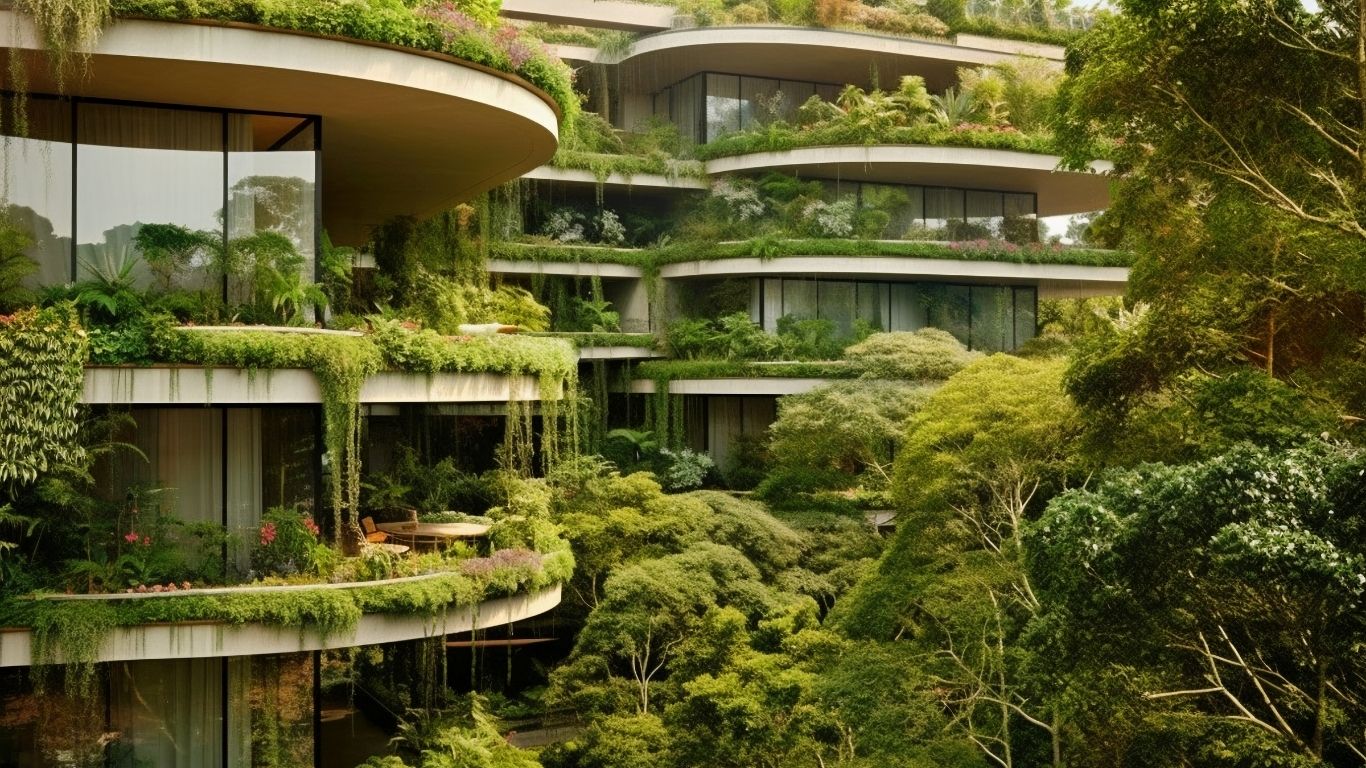
- Vertical Forests and Biodiverse Urban Spaces: Concepts like vertical forests bring greenery to urban luxury developments, creating biodiverse habitats even in high-density areas.
- Off-Grid Capabilities: As luxury homes aim to become entirely self-sufficient, off-grid power and water solutions ensure independence while preserving resources.
Luxury and sustainability are no longer on separate tracks. They’ve merged, and the homes being built at that intersection are setting a new benchmark for what environmental responsibility actually looks like at the top of the market. Sustainable luxury properties give you the rare chance to live in genuine harmony with nature without trading away a single comfort. That’s the redefinition of truly luxurious living.
As this market keeps evolving, sustainable luxury will earn recognition not just for its premium finishes and intelligent systems, but for what it contributes to a healthier planet. Whether you’re a buyer, an investor, or someone who’s simply drawn to the idea of eco-luxury, the green revolution in real estate offers something rare: a path that’s both ethically sound and financially smart. Robb Report’s real estate desk has been tracking this convergence closely, and the direction of travel is clear.