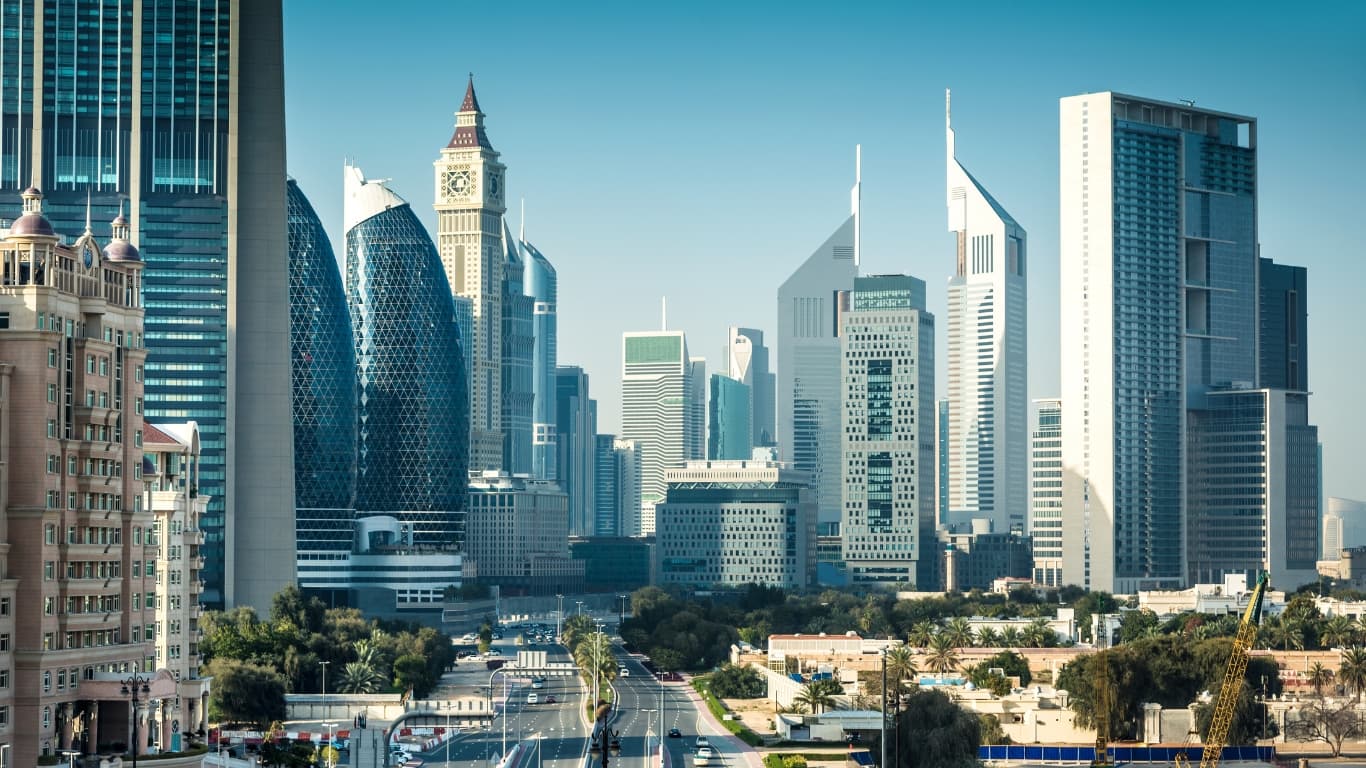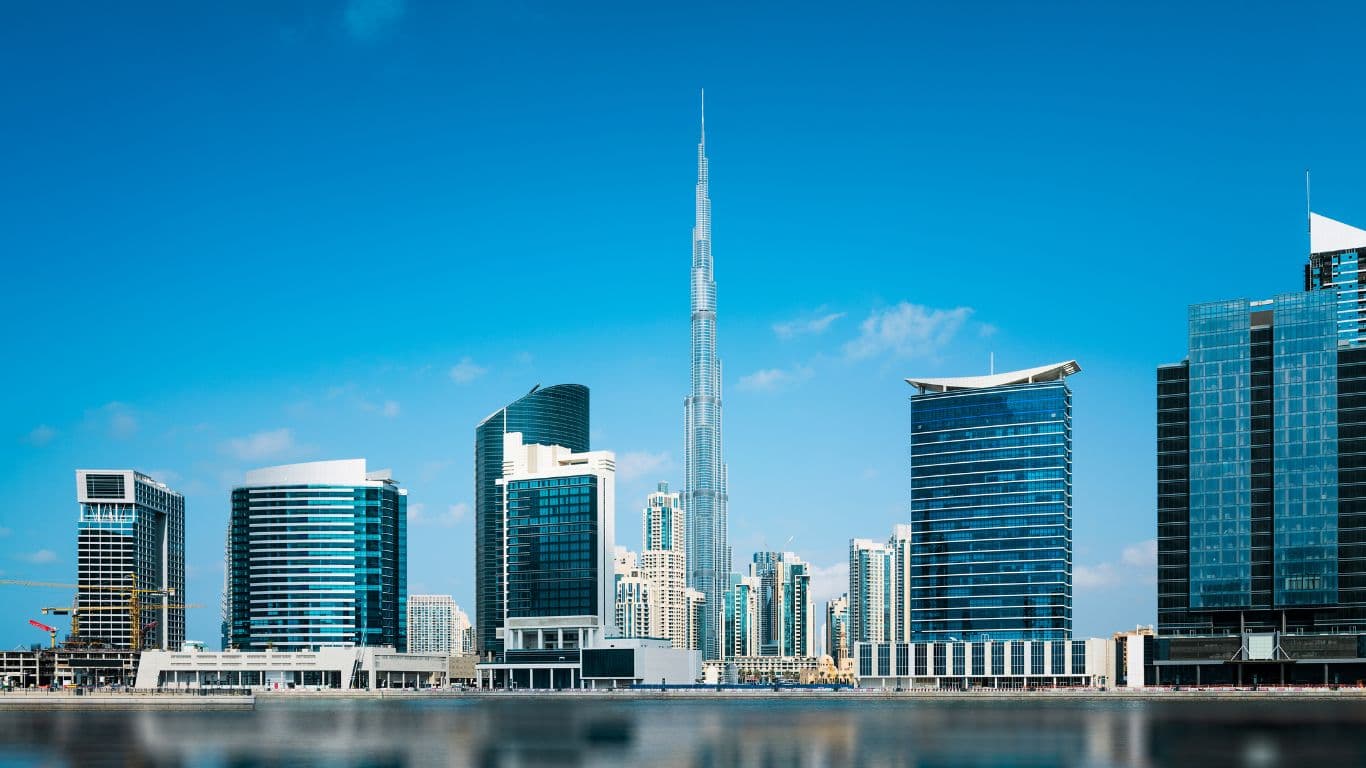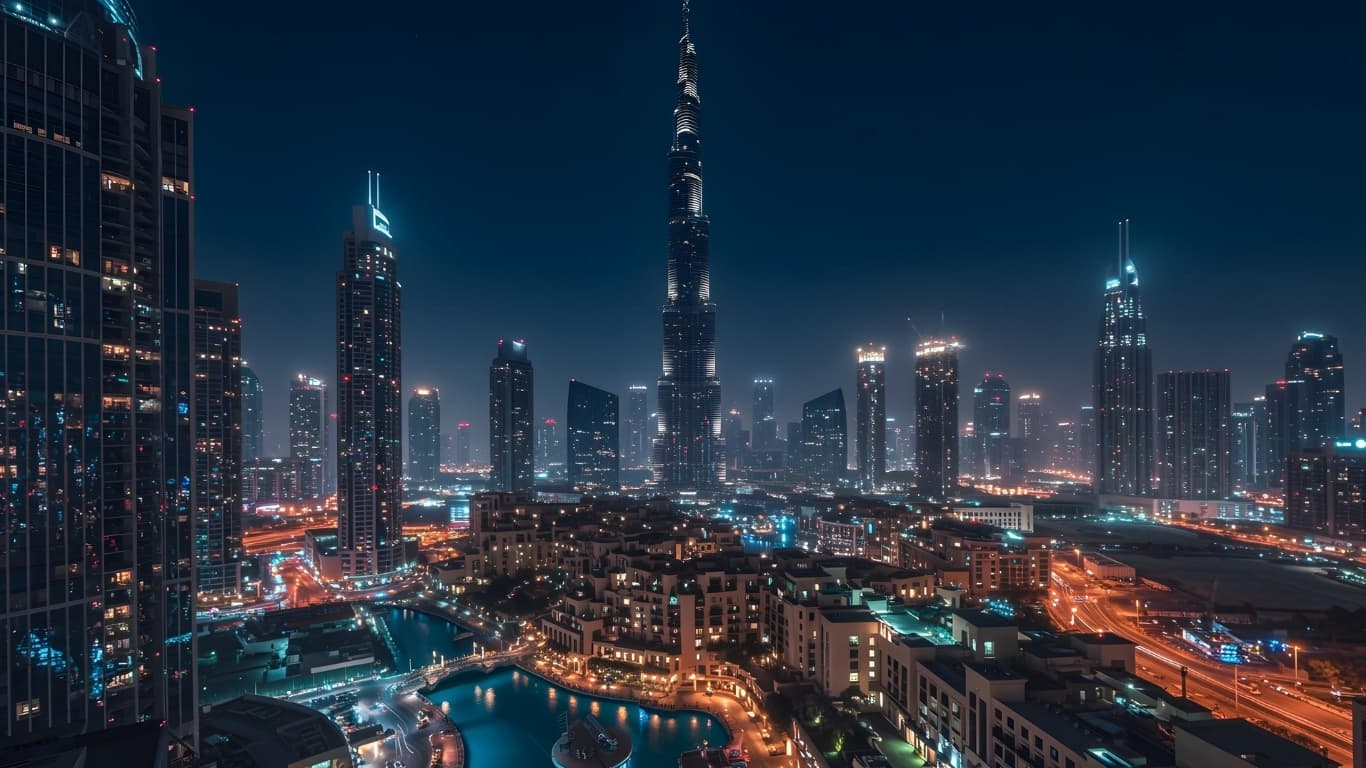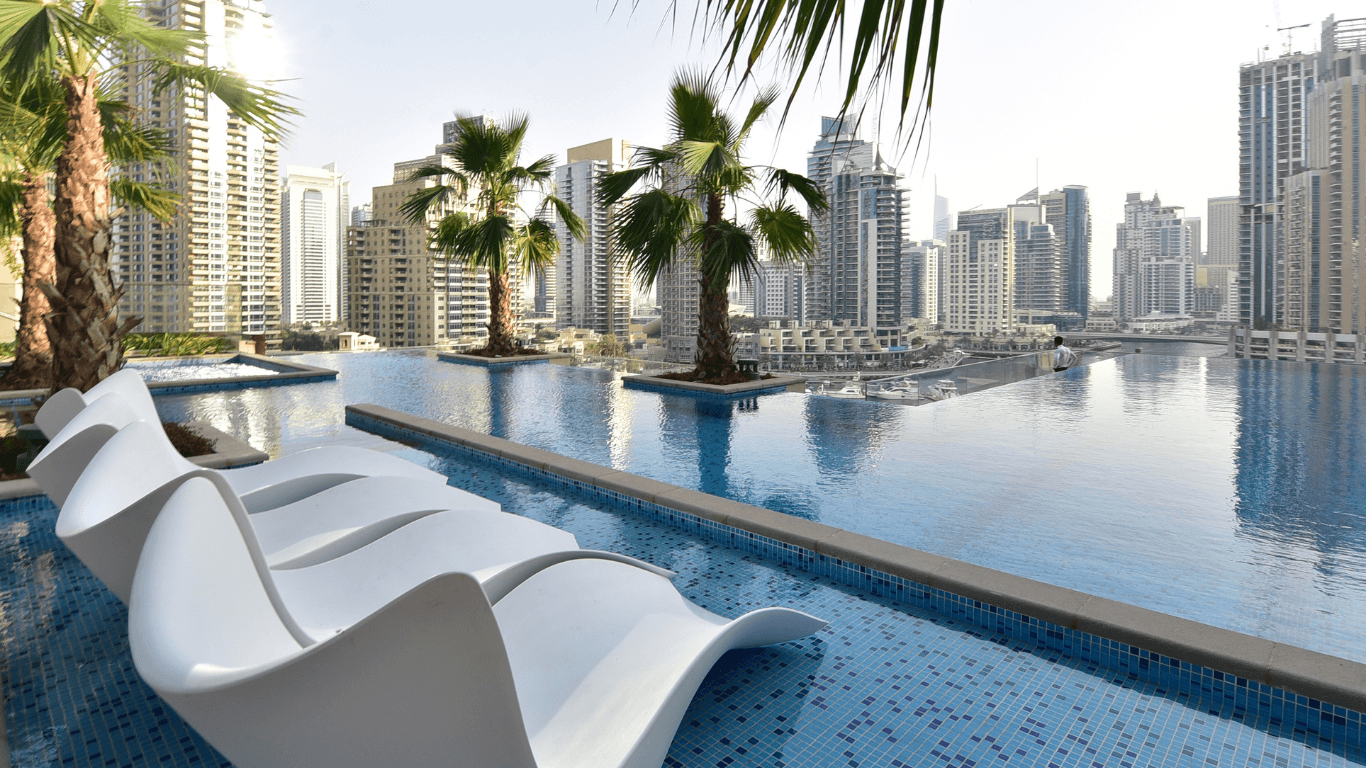
Tourism is one of the most powerful forces shaping Dubai's real estate market. Every year, millions of visitors pour into the city, fueling demand for accommodation, hospitality, and the property infrastructure around them. Dubai welcomed 14.
36 million international visitors in 2023, a 97% jump from the year before, and that surge has translated directly into property-market pressure.
Knight Frank's 2025 MENA Wealth Report and Mansion Global's 2025 Dubai dispatch both flag the tourism-to-property relationship as one of the structural reasons Dubai now sits in the global prime comparison set alongside London, Singapore, and Miami. Iconic destinations like Palm Jumeirah and the Burj Khalifa pull tourists in by the millions, pushing up nearby property values and turning those neighborhoods into some of the most sought-after addresses on the planet.
Short-term rentals and vacation homes near major attractions see demand that simply does not soften.
The pressure lifts property values across the board, and it makes the link between tourism and real estate impossible to ignore. JLL's MEA hospitality desk has tracked the spillover from tourism into the residential branded-residence market across the last decade, and Cushman & Wakefield's Dubai brief confirms the same pattern. The tourism economy and the property economy are now structurally coupled.
- Dubai real estate is materially shaped by tourism, with short-term rental demand, hospitality-focused branded residences and the broader visitor economy all supporting property values.
- We see Dubai welcoming over 20 million international visitors annually, with the steady growth in tourist arrivals supporting consistent short-term rental demand across the prime market.
- Branded residences from international hospitality houses including Bulgari, Bvlgari, Armani, Ritz-Carlton and Four Seasons capitalise directly on the tourism-property crossover.
- Short-term rental yields in well-located Dubai properties remain among the highest in the broader emerging-market complex, with peak-season nightly rates supporting attractive cash flow.
- Major events including Expo 2020, the World Cup hosting bid and ongoing global conference activity continue to drive visitor flows, supporting the tourism-property economic linkage.
- For most considered international investors we view the tourism-property linkage as a distinctive UAE advantage versus alternative property markets globally.
- Who is this for?
- International investors and end-users evaluating the tourism-property dynamic in Dubai, alongside the advisers, brokers and family office staff framing those allocation decisions.
- What is happening?
- A read of how the Dubai real estate market is affected by tourism, covering short-term rentals, branded residences, visitor flows and the broader visitor economy linkage.
- When did this emerge?
- The article reflects 2025 and 2026 tourism and property market data, with reference to the multi-year growth in international visitor arrivals.
- Where is this happening?
- The piece focuses on Dubai, with reference to broader UAE tourism dynamics across Abu Dhabi and the emirate complex.
- Why does it matter?
- Tourism flows directly support Dubai property economics, which is why understanding the linkage matters more than abstract supply-demand analysis alone.
How tourism actually moves Dubai's property values
Dubai's position as a world-class tourist destination runs deep into its real estate market. The city draws millions of visitors every year, and that constant flow creates sustained demand for accommodation across the spectrum. Property values climb, new investment opportunities open up, and both sectors grow stronger for it.
Palm Jumeirah and the Burj Khalifa sit at the heart of Dubai's real estate story. These landmarks pull visitors in, which drives up demand for nearby housing and sends rents and values higher. Development in these zones thrives on investor confidence, and that confidence keeps building.
| Indicator | Statistic |
|---|---|
| Annual Foreign Visitors (2022) | 14.36 Million |
| Increase in Visitation (Year on Year) | 97% |
| Real Estate Transactions Increase | 12% |
| Serviced Apartments Demand Increase | 25% |
| Rental Yields in Dubai Marina | 7% |
| Property Price Increase in Palm Jumeirah | 7.8% |
The 97% surge in foreign overnight visitors in 2022 hit short-term housing demand particularly hard during peak travel windows. Foreign investors stepped up too, driving real-estate deal volumes up by 12% in that period. Sotheby's International Realty's UAE office reports that the most sustained tourism-to-property spillover now runs through the branded-residence pipeline.

The residential and commercial spillover
Properties close to major draws like Palm Jumeirah and Dubai Marina have seen serious value appreciation. The tourism-driven push into these neighborhoods has tightened residential demand, and tighter demand means higher prices. Engel & Völkers UAE and Christie's International Real Estate's Dubai desk both place these as the two highest-liquidity prime-residential micro-markets in the city.
| Location | Average Property Value Increase | Rental Yield |
|---|---|---|
| Dubai Marina | 5.2% | 7% |
| Palm Jumeirah | 7.8% | High |
These areas offer rising property values plus attractive rental yields. For anyone serious about value-driven real estate, the Dubai tourism-to-property correlation reads as one of the most reliable bases for an entry thesis. Colliers' Middle East desk has tracked the same pattern across the last five years.

Dubai's commercial property has felt the same tourism wave. Developers are diversifying their projects to capture the demand, mixing in retail and commercial spaces alongside residential. Azizi Developments is weaving retail investment opportunities directly into its mixed-use projects, and the model is now standard practice across the master-planned communities.
| Commercial Space Demand Drivers | Growth Indicators |
|---|---|
| Tourist Attractions Proximity | High |
| Investor Confidence | Growing |
| Retail Opportunities | Diversified |
The luxury-buyer behavior
Wealthy tourists are not just visiting Dubai anymore. Many are buying into it. The sale of 56 ultra-luxury homes in 2023, totalling $2.
27 billion, indicates the depth of the appetite. The Financial Times has tracked this trend across multiple cycles.
Investors are zeroing in on areas like Palm Jumeirah, Dubai Marina, and Emirates Hills for the kind of returns that justify serious capital. Compared to New York or London, Dubai's premium properties are priced at a level that still feels like an opportunity. Stack that relative affordability against the higher rental yields available through short-term leases, and the case for Dubai's luxury market gets compelling fast.
Buyers from Russia, India, Monaco, and China are all gravitating toward Dubai's luxury market, and many are making a shift from temporary stays to full ownership. A standout moment in 2023 was the sale of a five-bedroom apartment at Como Residences on Palm Jumeirah, which changed hands for AED 500 million. That single transaction tells you where buyer appetite sits.
Dubai's government has reinforced the trend by offering long-term visas and pathways to residency for foreign investors. Its geography does the rest, sitting at the crossroads of Europe, Asia, and Africa in a way no other city quite manages. Luxury homes fitted with smart-home technology add another pull for buyers who want both prestige and modern functionality.
Vacation rentals and the short-term economy
Dubai's booming tourism industry is a direct driver of its vacation-rental market. Demand for both short-term and long-term leases stays strong, pushed along by the steady stream of visitors arriving throughout the year. That demand moves rental pricing and shapes property values across the entire city.
Short-term rentals are where the action is in Dubai's vacation-rental market right now. They offer the flexibility that transient visitors want, and demand for serviced apartments in this segment has climbed by 25%. The long-term rental market holds its own too, anchored by the city's large expatriate community and residents looking for stability.
The tension between short-term and long-term supply is real. The tourism surge pulls inventory toward the short-term side, and that pulls living costs higher for long-term renters. Developers are bringing fresh concepts to market, from themed resorts to mixed-use developments that blend living, retail, and leisure, all of which feed the broader cycle.
The attraction-property correlation
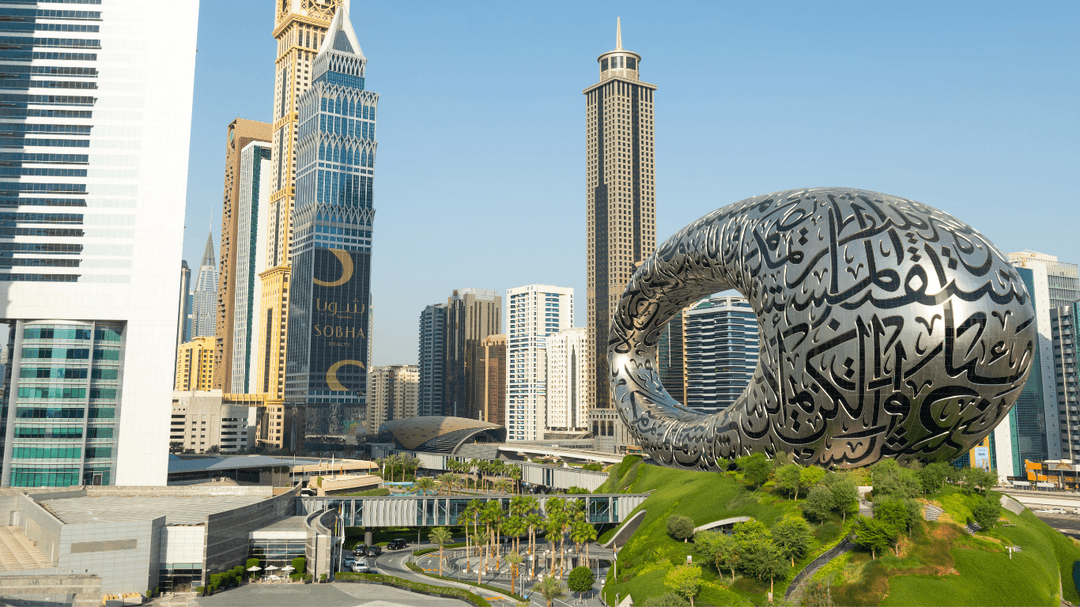
Dubai's top tourist attractions have an outsized effect on its real estate sector. Year after year, iconic landmarks shift the investment calculus in the neighborhoods surrounding them. Values around Palm Jumeirah have climbed steadily, driven by a combination of location prestige and the sheer volume of people who want to be near it.
The Burj Khalifa, the world's tallest building, pulls tourists from every corner of the globe. Investment into surrounding properties keeps rising, and the landmark's prestige keeps drawing luxury buyers and institutional investors who want a stake in the most recognizable address in the Middle East. The area around the Dubai Mall stays in high demand because of the sheer volume of shopping and entertainment visitors it pulls in.
Theme parks and cultural venues generate their own real-estate gravity in their surrounding neighborhoods. Dubai's commitment to expanding its tourist footprint keeps the property market in those areas in strong shape for the long run. If you are comparing investment markets across the region, it is worth looking at how tourism-driven property markets in other destinations stack up against Dubai's numbers.
Hospitality build-out and Emirates Airlines
The hospitality sector is the operational engine that translates tourism into property pressure. Dubai now operates over 700 hotels and more than 118,000 rooms, with the pipeline still expanding. Landmark projects like the Museum of the Future and Dubai Creek Tower have added fresh momentum by drawing new waves of tourists and amplifying the ripple effect on real estate.
Dubai's real estate transactions in 2019 reached AED 72. 5 billion (around $19. 7 billion), with residential properties accounting for 64% of that figure.
Between 2020 and 2026, residential property demand was forecast to rise by around 12% and commercial property demand by 11%. The Dubai South project alone is projected to generate AED 500 billion (around $136. 1 billion) by 2030.
Emirates Airlines has been central to Dubai's rise as a global travel and investment hub. Expanded flight routes and growing passenger volumes have pushed apartment prices up by 19% and villa prices up by 18% over a recent 12-month stretch. Reuters has reported on Emirates' continued global expansion and what it means for Dubai's inbound economy.
Premium travelers who experience the airline's flagship cabin often start thinking about properties that match the lifestyle they associate with Dubai. With prime residential pricing sitting at around $1,020 per square foot, Dubai is genuinely one of the most competitively priced luxury markets in the world. For context on tax-efficient destinations popular with wealthy buyers, the broader landscape is worth reading alongside Dubai's specifics. Robb Report has documented the lifestyle factors that make Dubai's property story so compelling for affluent buyers worldwide.
What this means for buyers
The tourism-to-property correlation in Dubai is structural, not cyclical. Buyers who treat the city as a pure rental-yield play will underprice the lifestyle premium. Buyers who treat it as a pure lifestyle play will underprice the resilience that the tourism economy provides as a demand floor.
The right read is both at once.
The three operational questions for a serious purchase: which micro-market sits closest to the tourism anchor (Palm, Downtown, Marina, Bluewaters), what does the realistic short-term-rental calendar actually look like across a full year, and what is the developer's track record on operating the branded-residence service layer that makes the short-term yield deliverable.
The buyers who get this right are the ones who experience Dubai's tourism-property correlation as a tailwind rather than a marketing claim. We last reviewed this analysis in May 2026.


Savvas Agathangelou
Savvas Agathangelou co-founded The Luxury Playbook and has spent years reporting from the prime postcodes the magazine covers — Mayfair, Knightsbridge, the Athens Riviera, Dubai's Palm crescents, and the southern Mediterranean coastlines where the world's wealthy keep coming back. His background is in international hospitality, and that frame shapes how he writes about property: the developer's choices, the architect's signature, the agency's bench of named brokers, the building's service standard once the buyer moves in. He files developer spotlights, agency profiles, and the seasonal "Properties That Defined" listicles, and he hosts the magazine's founder-and-leadership interviews on the Voices side.