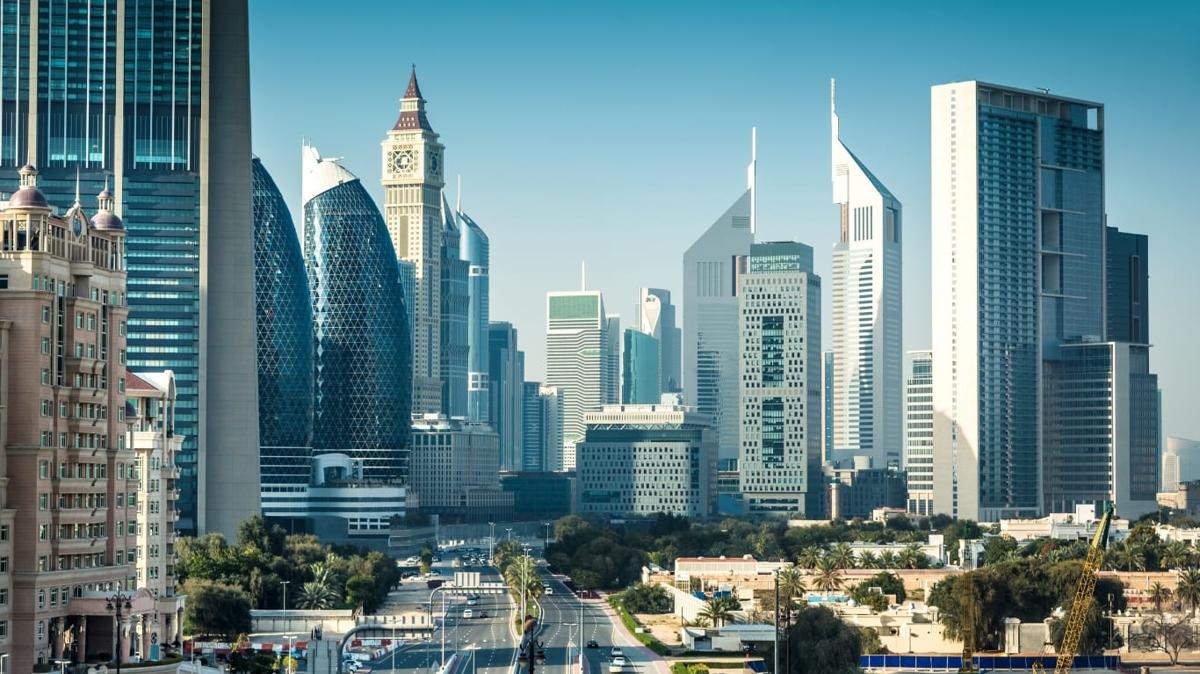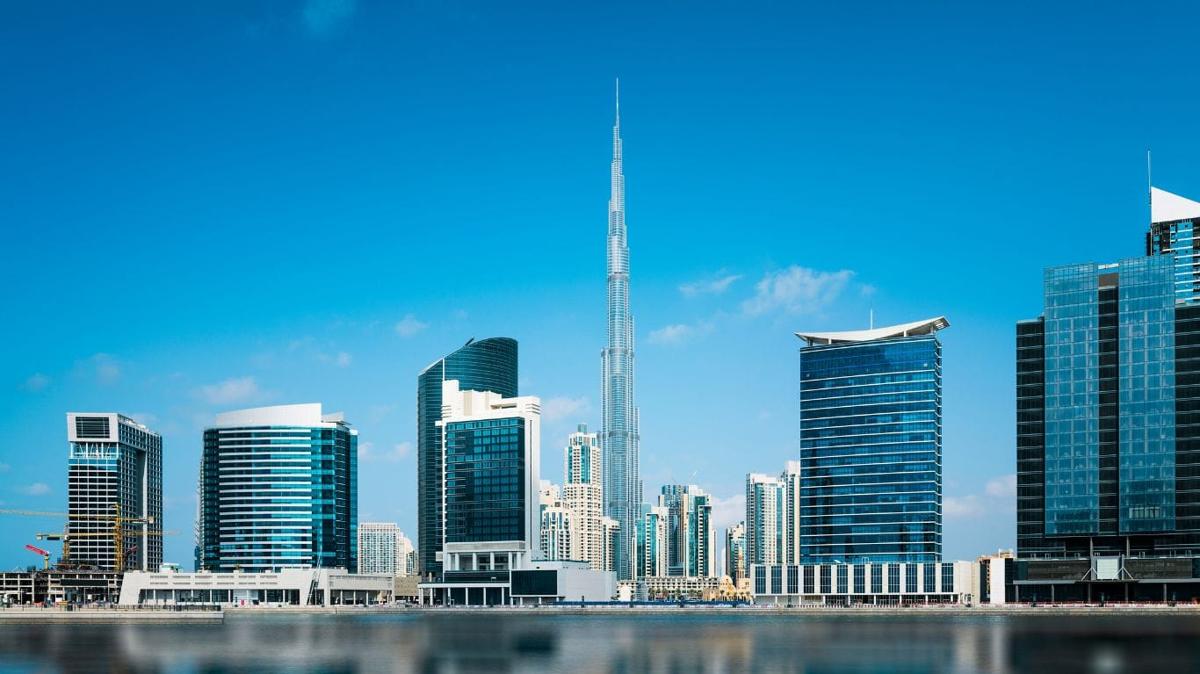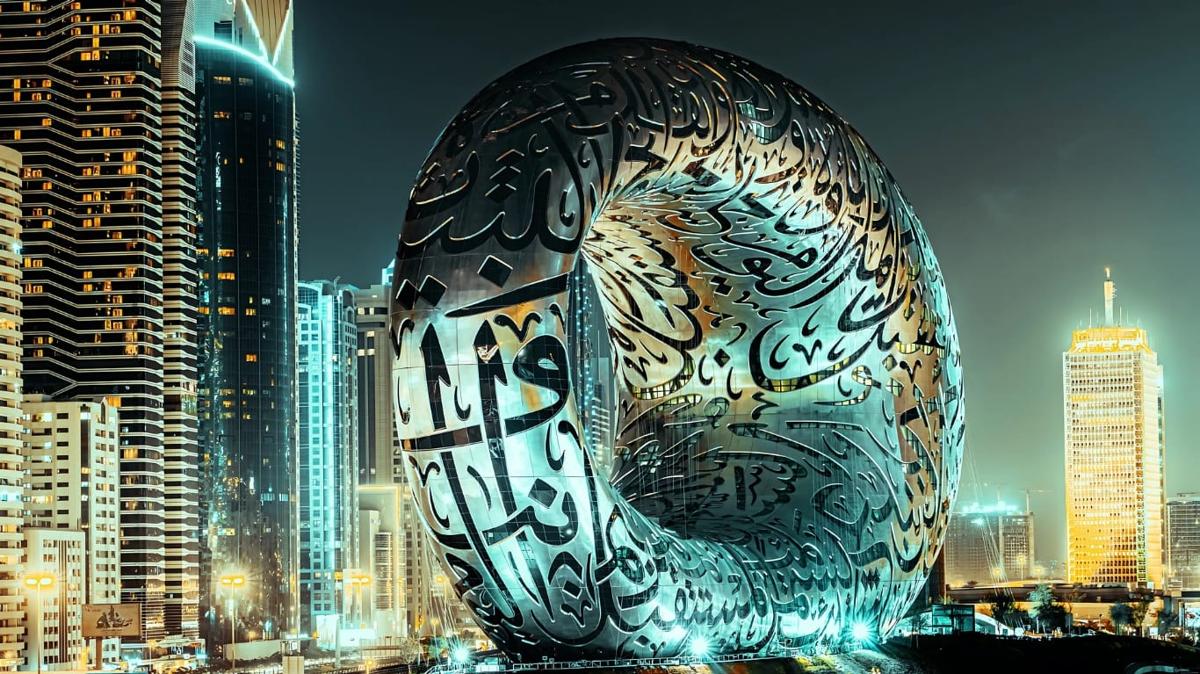
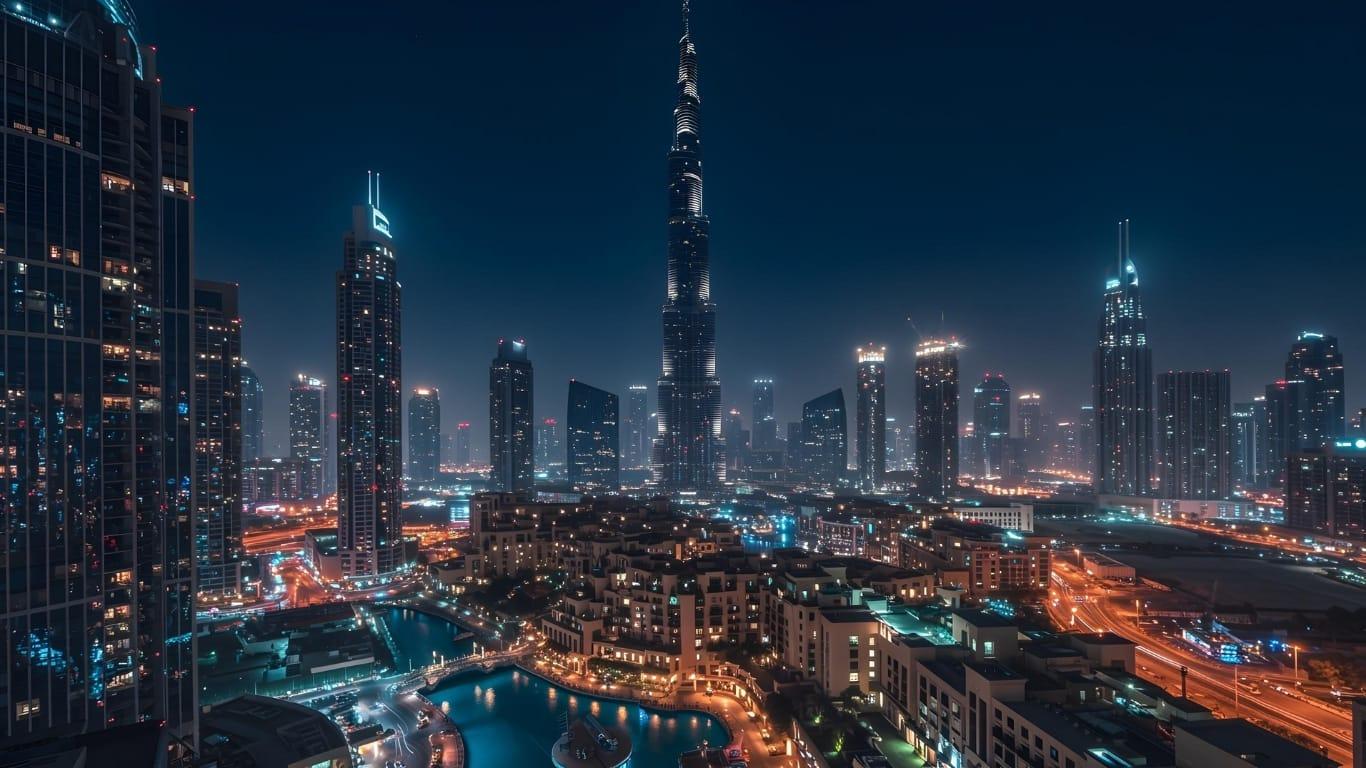
How branded residences made Dubai a premium property market is most cleanly illustrated by the Lana Residences penthouse trade in late 2024, AED 139 million or roughly $38 million, in a building that did not exist in 2009, in a Dubai neighbourhood that was still desert in the 1990s. That single transaction is also the cleanest illustration of how branded residences rewrote the rules at the top of Dubai's property market. The Bulgari, Armani, Dorchester Collection, Mandarin Oriental, Bugatti, and Cavalli arrivals have done more than add inventory.
They have reshaped what buyers expect from premium Dubai property and how the market prices what it offers. Knight Frank's 2025 Dubai Residential Review identified branded residences as the single largest structural change in Dubai prime over the past decade, and Savills' Middle East team and Engel & Völkers Dubai both describe a buyer profile that increasingly treats the brand association as the primary differentiator rather than location, view, or specification.
- Branded residences have transformed Dubai into one of the most credible premium property markets globally, with international hospitality and fashion houses anchoring the top of the market.
- We see Bulgari, Armani, Versace, Bugatti, Bvlgari, Ritz-Carlton, Four Seasons and W Residences as the established branded benchmarks across the Dubai prime segment.
- Premium pricing on branded stock typically runs twenty to fifty percent above comparable non-branded prime property, with the brand value supporting both pricing and long-term liquidity.
- Hospitality-grade services including concierge, housekeeping, valet and dining access support the branded value proposition, with the operational delivery underpinning the premium.
- Rental yields on branded residences typically run at or above the broader prime market, with the brand attraction supporting both short-term and long-term tenant demand.
- For most considered international ultra-high-net-worth buyers we view branded residences as offering a distinctive Dubai value proposition versus alternative global prime markets.
- Who is this for?
- International ultra-high-net-worth buyers considering Dubai branded residences, alongside the advisers, brokers and family office staff coordinating those acquisitions.
- What is happening?
- A read of how branded residences made Dubai a premium property market, covering the major brand presences, pricing dynamics, services and the rental yield landscape.
- When did this emerge?
- The article reflects 2026 market conditions through Dubai Land Department, Property Monitor and Knight Frank UAE branded residence reporting alongside our own observations.
- Where is this happening?
- The piece focuses on Dubai branded residences, with reference to the major locations including Palm Jumeirah, Downtown, Business Bay and Bluewaters Island.
- Why does it matter?
- Branded residences have crossed an important threshold in the global premium market, which is why understanding the Dubai positioning matters for any luxury allocation conversation.
How the branded-residence model works
The branded-residence format runs on a licensing structure between a developer and a brand operator. The brand provides a service-and-design framework (interior specification, food-and-beverage operations, concierge layer, residence-management protocols, often a hotel adjacency) and the developer delivers the physical inventory.
The buyer acquires the unit under a long-leasehold or freehold structure (Dubai's freehold framework supports both), and the brand operator manages the residential service offering for the building's life.
The pricing premium runs at 25 to 60 per cent over the comparable non-branded inventory in the same neighbourhood, depending on the brand strength and the depth of the service offering. Bulgari's Jumeira Bay residences, the Armani Residences at the Burj Khalifa, the Dorchester Collection's Lana, and the Mandarin Oriental Jumeira have all sustained the higher-end of that pricing-premium range through the 2023 to 2025 cycle, as Mansion Global has documented.
The flagship buildings and what they delivered
Bulgari Resort and Residences on Jumeira Bay was the early leader. Designed by the Italian studio Antonio Citterio Patricia Viel, the project completed in 2017 with a residential component that has since become the most-quoted buyer-comparison reference in Dubai branded residences. The Jumeira Bay shoreline, the Bulgari yacht marina, the resort's restaurant and beach-club programme, and the Citterio residential interiors set the comparison bar for everything that followed.
Armani Residences at the Burj Khalifa carried the early branded-residence story before the post-2020 wave. The Giorgio Armani interior specification across the Khalifa's residential floors, combined with the building's iconic location, has produced sustained transaction depth. Recent sales in the Armani-branded floors have run AED 8 million to AED 30 million for the better one- and two-bedroom inventory.
Dorchester Collection's Lana opened in 2024 and immediately produced the headline trades that defined the new wave. The Lana's Burj Khalifa-adjacent location, the partnership with the Dorchester operating layer, and the Foster + Partners architectural collaboration produced a residential specification that has competed with and on a price-per-square-foot basis surpassed much of what Manhattan and London were doing. Christie's International Real Estate's Dubai desk has documented the comparison.
Mandarin Oriental Jumeira's residential component has run on the Jumeira beach. The Mandarin's interior specification programme, the resort's restaurant offering, and the broader Jumeira beach context have produced strong transaction activity through 2024 and 2025.
Bugatti Residences (in partnership with Binghatti) brought the automotive-brand layer and produced the most architecturally distinctive of the recent launches, with car-elevator features and the integration of the Bugatti design language into the residential layout.
Cavalli has run multiple Dubai branded-residence projects, with the most recent additions concentrated in Dubai Marina and the Damac Lagoons masterplan. The pricing positioning has been more accessible than the Bulgari, Dorchester, and Mandarin tier but has anchored the broader-tier branded inventory.
What the branded model unlocked structurally
Branded residences solved several problems that the conventional Dubai prime market had not fully addressed. The first was the service layer: the higher-end Dubai resident wanted hotel-grade concierge, food-and-beverage, and residence-management services without the ownership-management headaches. The branded model bundles those services into the residential offering at a defined service-charge level, producing a more predictable owner experience.
The second was the design specification. The branded format's interior-specification frame, from Citterio for Bulgari to Armani for the Burj to the Dorchester operating standard for the Lana, produced consistent build-quality at the upper tier where it had been variable across non-branded prime inventory. The third was the international-brand familiarity.
For international buyers, particularly from Europe, North America, and East Asia, the branded reference point made the Dubai prime offering legible. A buyer who knew the Bulgari or the Dorchester from European or Asian contexts could anchor their Dubai expectation against a known reference, which made the underwriting easier.
Where the model is heading
The pipeline through 2026 and 2027 will deliver the next wave of Dubai branded inventory. The Aman Residences in Dubai (announced for the Al Marsa axis), the Edition Residences (mid-tier branded), the Cipriani Residences (in the Dubai Marina), and additional Mandarin Oriental, Four Seasons, and Rosewood-affiliated launches are all in the active development pipeline. The branded share of the prime market is on track to rise meaningfully against the broader inventory.
The risk for the format is dilution. A market that has 20 per cent branded share at the top tier supports premium pricing; one that runs to 50 per cent branded share may see the premium compress as branded residence becomes the default rather than the differentiated option. We are watching for early signs of that compression: they are not visible in the 2025 transaction data yet, but the pipeline math suggests it warrants attention through 2027.
What this means for buyers
Further reading
Branded residences turned Dubai prime from a high-rise apartment market into a layered product offering that compares with the best of the international comparison set. The structural shift is real, the pricing premium has been sustained, and the buyer profile that gravitates to the branded format has become the dominant tier-setter for what Dubai prime now means. For the buyer thinking about Dubai prime in 2026, the branded inventory is not a niche option.
It is increasingly the centre of the conversation, and the smart play in the next 24 months is selectivity within the branded tier rather than treating all branded inventory as equivalent. The Bulgari, Dorchester, and Mandarin floors will likely outlast the dilution risk; the broader mid-tier branded inventory is where the premium compression is most plausible.
We last reviewed this analysis in May 2026.