
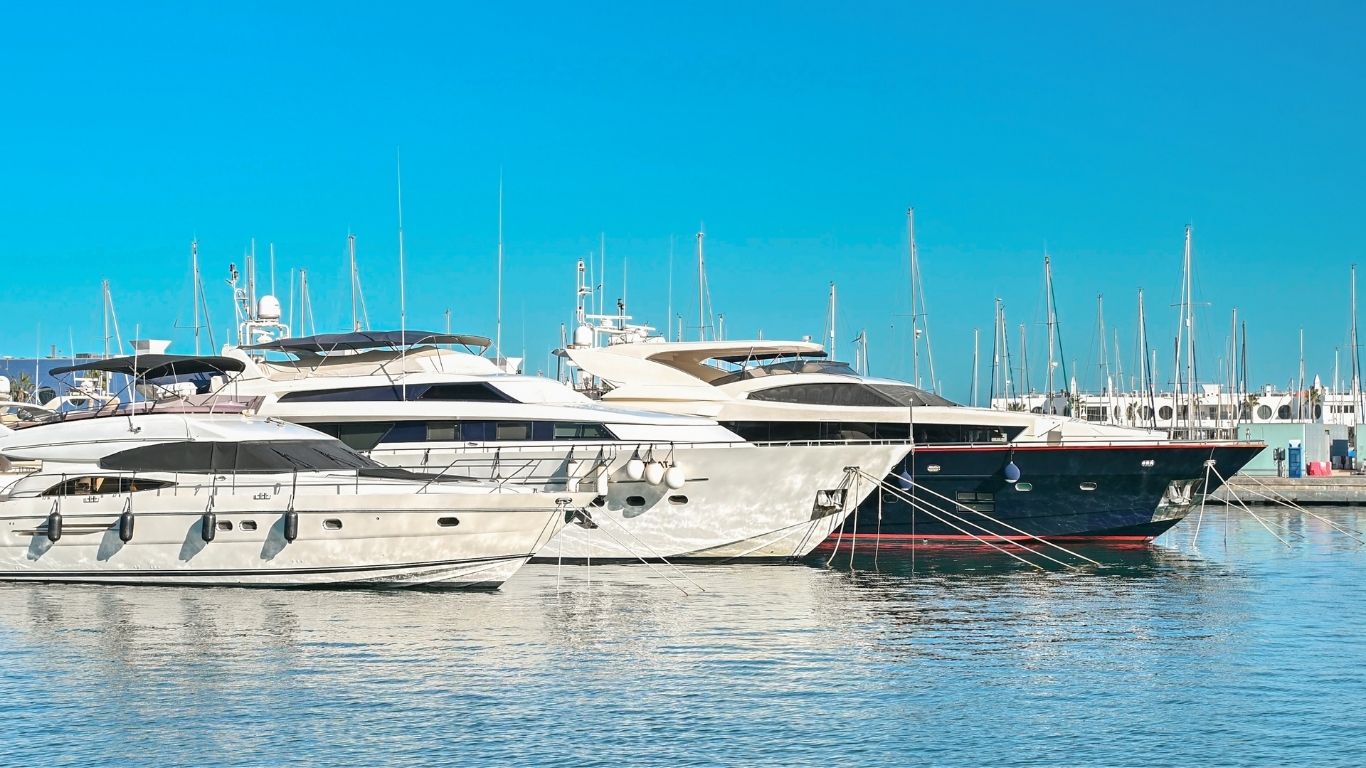

A dirty hull could push your fuel costs up by as much as 30%. Keeping your yacht well-maintained is not just about looking good at the marina. It sharpens efficiency, cuts operational costs, and keeps small problems from turning into wallet-draining disasters. Regular upkeep also ensures you stay on the right side of maritime regulations while protecting the long-term value of your vessel.
YachtingMates, a bespoke yacht broker based in Greece, puts thorough boat maintenance at the top of their priority list. Their team advises owners on routine cleaning, oil and battery checks, propeller inspections, and proper storage protocols. With that kind of expert guidance behind you, you have everything you need to keep your yacht performing at its best. They emphasize the value of both daily habits and annual deep-dives, with specialized support available in Fort Lauderdale for year-round efficiency.
Key Takeaways
- Regular cleaning and maintenance increase efficiency and reduce operational costs.
- Consistent maintenance prevents costly repairs and enhances safety.
- Proper upkeep ensures compliance with legal regulations.
- Maintaining a clean hull can save up to 30% on fuel costs.
- Expert services in Fort Lauderdale offer comprehensive yacht care.

Importance of Regular Yacht Maintenance
Proper yacht maintenance is your best tool for maximizing performance and extending the life of your vessel. It heads off costly breakdowns before they happen and protects the financial value of what is, for most owners, a serious investment. Routine cleaning, engine checks, and battery care keep your yacht firing on all cylinders, both functionally and financially.
Beyond performance, consistent maintenance is what gives your yacht real longevity. Regular washing with mild soap and fresh water prevents the corrosion that saltwater and grime leave behind. Annual engine oil changes and steady monitoring of your battery charge reduce wear across the board. The payoff is a yacht that lasts longer and costs you far less in repairs over time.
Ensuring Safety on the Water
Regular checks are the foundation of a safe time on the water. Inspecting your propellers and keeping safety equipment like life jackets and fire extinguishers in working order are non-negotiables. Proper storage, whether on land or in the water, adds another layer of protection against accidents. These habits keep your vessel reliable and every person aboard as safe as possible.
Maintaining Your Investment’s Value
Strong maintenance habits do two things at once. They keep your yacht performing well and they protect the money you put into it. Regular hull inspections, protective wax applications, and annual fuel filter replacements all sustain the vessel’s market value. Professional boat maintenance services bring expert-level care that more than pays for itself. If you ever decide to sell, that diligence shows up directly in the price you can command.
| Primary Maintenance Tasks | Benefits |
|---|---|
| Regular Cleaning | Prevents corrosion and extends lifespan |
| Engine Oil Changes | Ensures smooth operation |
| Battery Maintenance | Ensures reliable starts |
| Propeller Inspections | Prevents performance issues |
| Hull Inspections | Maintains structural integrity |
| Safety Equipment Checks | Ensures readiness in emergencies |
| Fuel System Maintenance | Maintains clean and stable fuel supply |
Regular Cleaning Practices
A consistent cleaning routine is one of the smartest things you can do for your yacht’s longevity and appeal. Keeping up with regular care enhances the look of your vessel, prevents expensive repairs down the line, and maintains the kind of operational integrity you expect from a premium asset. Using the right marine-grade products and tools makes all the difference in how effective your detailing actually is.
Best Cleaning Products and Tools
Getting great cleaning results starts with using products built for the marine environment. Generic household cleaners simply do not cut it out on the water. You want specialized formulas designed to fight saltwater damage and stubborn grime. The essentials worth having on board include
- Mild Soaps: Ideal for regular washing, preventing harsh residue build-up.
- Soft Brushes: Perfect for gentle yet effective removal of dirt and debris.
- Fresh Water Rinse: Essential after every cruise to clear away salt residues.
Plan to wax your yacht every three to six months for solid exterior protection. This keeps the finish looking sharp and puts a reliable barrier between your hull and corrosion.
How to Clean Different Parts of the Yacht
Different parts of your yacht need different approaches. A one-size-fits-all technique will leave you with missed spots and potential damage. Here is a guide to detailing the key sections properly.
- Deck Maintenance: Use non-skid cleaner and a medium-bristled brush. This maintains a clean, safe deck.
- Hull Cleaning: In some climates, frequent bottom cleaning is necessary. Use eco-friendly detergents with underwater brushes to stop marine growth.
- Interior Surfaces: Opt for gentle multi-surface cleaners. They prevent damage and keep below deck fresh.
Staying on top of regular maintenance prevents the kind of structural damage that becomes very expensive very quickly. Build in an annual haul-out for a thorough inspection and plan to repaint every two years to keep your yacht in prime condition.
Aim to survey and clean your yacht every two weeks. Regular washing followed by thorough drying keeps mold and mildew from taking hold. Pair that with consistent inspections and preventative care, and you stay well ahead of neglect-related damage, preserving both the function and the beauty of your vessel.
| Maintenance Task | Frequency | Purpose |
|---|---|---|
| Exterior Washing | Regularly | Prevent dirt build-up and corrosion |
| Waxing | 3-6 months | Protect exterior surfaces |
| Bottom Cleaning | As needed (based on climate) | Prevent marine growth |
| Annual Haul-Out | Yearly | Conduct thorough inspections and repairs |
| Repainting | Every 2 years | Maintain aesthetic and protective coating |
When you stick to these cleaning and upkeep routines and pair them with the right products and tools, you do far more than keep things looking good. You actively extend your yacht’s life and protect its performance for years to come.
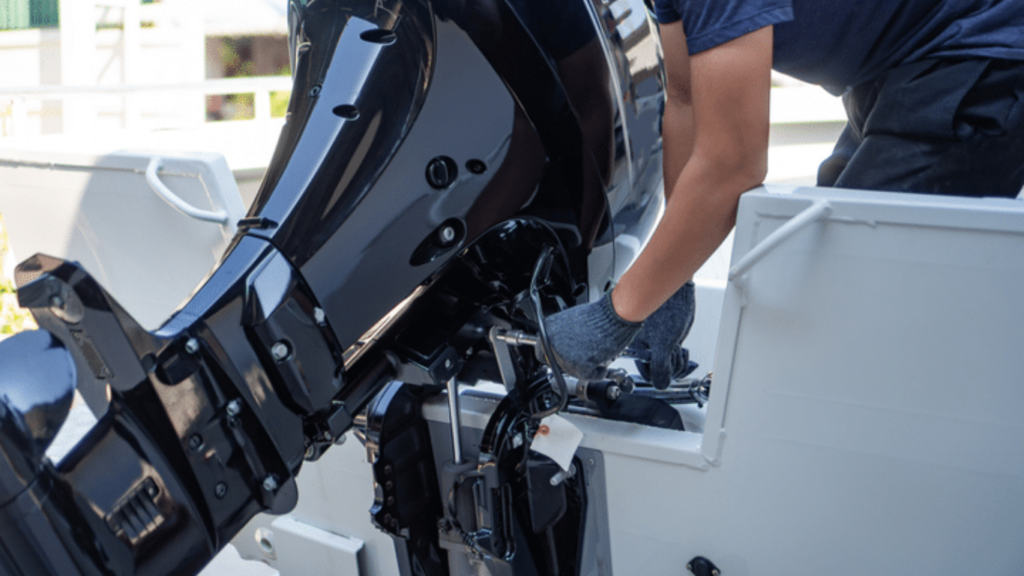
Engine Maintenance Tips
Your boat’s engine is the heart of the whole operation, and keeping it healthy is non-negotiable if you want dependable performance and a long service life. Regular checks and proper servicing stop unexpected failures before they ruin a voyage. Here are the maintenance steps that matter most.
Check and Replace Engine Oil
Oil inspections are the cornerstone of good engine care. Change the oil after every 100 hours of use or once a year, whichever comes first. Keeping oil at the right level and in good condition reduces friction throughout the engine and extends its working life. If the oil has gone dark, that is your signal to act.
Inspecting Fuel Lines
Fuel line inspections deserve close attention. Cracks and corrosion are easy to miss until they become a serious problem. Boat International frequently highlights fuel system failures as one of the most preventable causes of onboard incidents. Checking connections and lines regularly keeps the fuel system working effectively and ensures your engine gets a consistent supply for peak performance.
Cooling System Maintenance
Your cooling system is what stands between your engine and overheating. Check coolant levels on a regular basis and replace coolant as needed to stop salt buildup from doing its damage. Keeping this system in good shape spares you from expensive repairs and ensures your motor runs well no matter the conditions.
Adopting these engine care habits pays dividends in performance and longevity. Reliable engine upkeep is what separates a smooth, confident voyage from an anxious one. Follow these steps consistently and your time on the water will be far less stressful.
Maintaining Your Yacht’s Hull
Your hull is what keeps you afloat, so keeping it seaworthy, clean, and structurally sound should be near the top of your maintenance list. The right inspection routine and proper cleaning methods can add years to your hull’s lifespan and save you from repairs that run into the tens of thousands.
Regular Hull Inspections
Consistent hull inspections are a core part of any serious maintenance routine. Checking your yacht every two weeks gives you an early warning system for minor scratches and dings before they allow water damage to set in. During dry dock periods, look carefully for any signs of blistering, which can point to underlying water damage and lead to very costly repairs if left unaddressed.
Proper Cleaning Techniques
Effective cleaning is not just cosmetic. It actively prevents the kind of corrosive saltwater buildup that eats away at your hull over time. Keeping the bottom of your yacht clean matters in both hot and cold climates. Opt for eco-friendly cleaners when working with fiberglass, protecting both your boat and the water around it. Waxing every three to six months shields the hull from sun exposure, and marine-specific polishes offer the UV protection that standard products simply cannot match.
Applying Protective Coatings
Protective coatings are a smart investment in your hull’s future. Plan to repaint your yacht every two years to prevent peeling and cracking. Marine sealants add a tough layer of defense against UV rays, salt, and minor abrasions, keeping your paint job secure for longer. More advanced coatings can actually boost performance by reducing drag and improving fuel economy, which means they pay for themselves while making your yacht look and run better.
| Maintenance Task | Frequency | Key Benefits |
|---|---|---|
| Hull Inspections | Every two weeks | Early detection of issues, cost-saving |
| Cleaning Exterior | Regularly | Prevents corrosion, maintains appearance |
| Wax Application | Every 3-6 months | Protects against sun exposure, enhances appearance |
| Repainting | Every two years | Prevents peeling and cracking, protects hull integrity |
| Applying Marine Sealants | As needed | Barriers against UV rays, salt, and abrasions |
Electrical System Upkeep
Your yacht’s electrical system demands the same care you give the engine and hull. Neglecting it creates genuinely dangerous situations, from fires to full system failures at sea. The sections below cover the key practices that keep your electrical systems safe, reliable, and ready for whatever the water throws at you.
Inspecting Wiring and Connections
Regular wiring inspections are critical and should never be skipped. Many boats carry the hidden risk of poor or improvised wiring setups installed years ago. Always use marine-grade wiring that is built to resist corrosion. Look carefully for frayed wires, loose connections, and any signs of wear that could compromise both safety and system integrity.
Maintaining Battery Health
Battery maintenance is one of those tasks that is easy to overlook until you are stranded offshore with a dead engine. Clean your battery terminals regularly, since saltwater creates corrosion faster than most owners expect. Make sure connections stay secure and the battery stays properly charged. Protecting your batteries from extreme temperatures keeps them efficient and extends their working life considerably.
Regular System Tests
Running regular system tests on all electrical components lets you catch problems early, when they are still cheap and simple to fix. Pay particular attention to the bonding system, inspecting and replacing any corroded components on a consistent schedule. These tests can also reveal stray current issues, which typically show up as corrosion on underwater metal parts and can quietly cause serious structural damage over time.
By holding yourself to a strict electrical upkeep standard, you do more than avoid emergencies. You build a yacht that is safer, more reliable, and genuinely longer-lasting across every system on board.

Deck and Foredeck Care
Your yacht’s deck and foredeck take a beating from the marine environment every single day. Keeping them in good shape is not optional if you care about longevity and functionality. Consistent deck maintenance paired with the right surface protection measures are what stand between your boat and serious environmental damage.
Cleaning and Protecting Surfaces
Routine cleanings are your first line of defense against salt and grime buildup. Use mild, non-abrasive cleaners and soft brushes to keep surfaces in prime condition without causing scratches. Applying protective coatings regularly is essential for defending against the elements. If your yacht has teak decking, avoid it unless it is properly glued down, since water ingress underneath can cause major structural problems. GRP decking, particularly in anchor lockers, offers better protection when combined with proper drainage.
Maintaining Seating and Dashboards
Your seating and dashboard deserve dedicated attention. Apply quality vinyl cleaners to seating areas to protect against the marine environment and keep surfaces supple over time. For dashboard care, use fitted covers to shield against UV damage and salt exposure. Consistent care here is what keeps these areas looking sharp and holding up through years of heavy use.
The 2011 Cowes to Cherbourg race made a compelling case for just how important secure deck features really are. The Reflex 38 Lion pushed through Force 7 to 9 winds and seas ranging from 3 to 3.5 metres. Following tethering guidelines like ISO12401, keeping tether length to a maximum of 2 metres, and using Dyneema jackstays with at least 5mm thickness and a breaking strain of 1.9 tonnes are the kinds of standards that genuinely save lives.
For enhanced safety, consider installing Lewmar Oceanstyle or Goiot Tradition hatches. Pressure testing your hatches and adding wave-breaks are proven measures against water ingress. Attend to these details properly and you end up with a yacht that is as safe as it is well-maintained.
Plumbing System Maintenance
A well-functioning plumbing system is one of those things you never think about until something goes wrong at sea. Staying ahead of it with regular plumbing system maintenance wards off clogs and leaks before they disrupt your time on the water and keeps bathrooms and water systems running without issue.
Your bilge pump deserves particular attention. Inspect it at least twice a year for hose problems or blockages, since a failing bilge pump is not something you want to discover mid-voyage. Keeping the bilge clean and dry also stops mildew and mold from taking hold, which protects both the smell and the structural health of your yacht.
Make a habit of checking all bathroom fixtures and water systems for leaks or signs of trouble on a regular schedule. Catching a small drip early costs almost nothing to fix. Ignoring it can turn into an expensive repair job that leaves your yacht sitting in the yard when it should be out on the water.
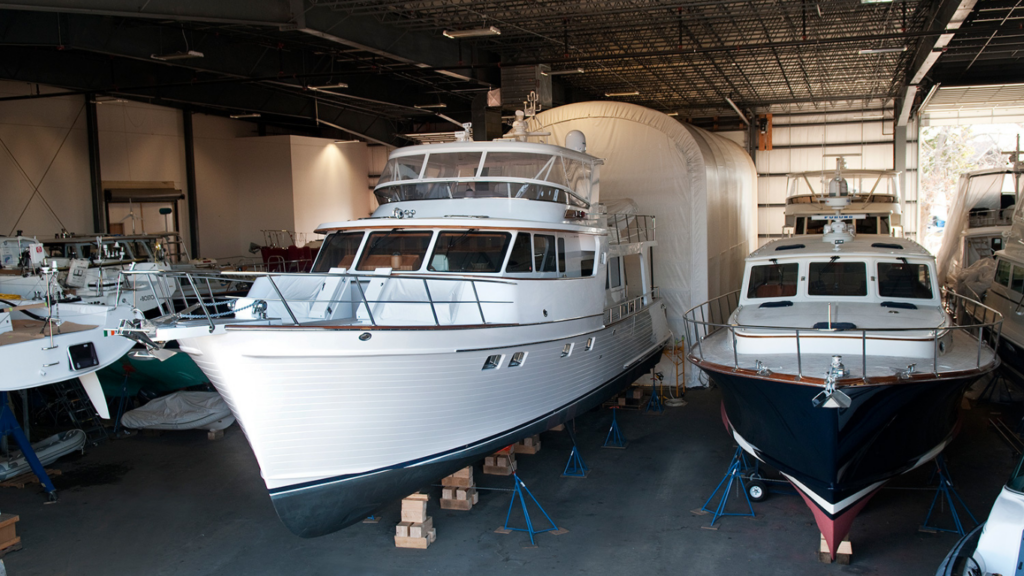
Importance of Proper Storage
How you store your yacht when it is not in use matters far more than most owners realize. Whether you keep it in the water or haul it out on land, the right storage practices protect your vessel from damage and preserve the investment you have made for the long term.
In-Water Storage Tips
When your yacht stays in the water between uses, the details make all the difference. Here are the in-water storage recommendations worth following closely.
- Making sure your yacht is tightly secured prevents drifting and damage from elements like waves or currents.
- An effective bilge pump is essential to keep the yacht’s interior dry, safeguarding against water damage.
- It’s crucial to wash the hull and deck regularly. This step keeps algae and saltwater at bay.
- Waxing the hull combats corrosion and UV damage, which keeps your yacht looking great.
- Taking care of metal fixtures is necessary to avoid corrosion and maintain your yacht’s aesthetic value.
On-Land Storage Solutions
Land storage done well protects your yacht from the elements and ensures the hull and structure get the support they need. The key strategies to put in place include the following.
- A dry, covered area minimizes mildew and mold damage.
- Regular checks of mechanical and electrical systems keep essential parts in optimal condition, staving off major issues.
- Proper supports are crucial to prevent stress on the yacht’s hull, an important consideration for trailers or similar structures.
- Applying protective coatings and lubricants helps metal parts avoid corrosion, a vital step for yachts previously in saltwater environments.
- A breathable cover is essential for keeping the yacht clean from dust and safe from UV rays, all while preventing mildew.
Whether you opt for in-water or on-land storage, applying smart yacht preservation tactics consistently delivers a real boost to longevity and value. The effort you put into proper storage shows up directly in both performance on the water and the price you can ask if you ever decide to sell.
| Storage Method | Key Actions | Benefits |
|---|---|---|
| In-Water Storage | Secure FasteningBilge Pump EfficiencyRegular Hull WashingWaxing and Metal Care | Prevents DriftingKeeps Interior DryProtects from Algae & SaltwaterMaintains Aesthetics |
| On-Land Storage | Dry, Covered StorageRegular InspectionsProper SupportProtective CoatingsBreathable Cover | Reduces Mildew & MoldPrevents Mechanical IssuesAvoids Hull DistortionPrevents CorrosionProtects Against Dust & UV |
Using Professional Yacht Maintenance Services
Bringing in professional yacht maintenance services is one of the best decisions you can make as an owner. Experienced technicians bring specialized tools and deep expertise that goes well beyond what most owners can manage on their own. The result is more thorough cleaning, earlier detection of problems, and repairs done right the first time. That level of care has a compounding effect on both the lifespan and the reliability of your vessel.
Benefits of Expert Services
Professional services deliver the kind of tailored, attentive care that your yacht’s long-term health depends on. Routine procedures like oil changes and battery checks get done on schedule and done properly. Experts catch potential issues early, before they turn into the kind of failures that cost serious money to fix. And their fluency with specialized tools and materials means your yacht gets genuine, thorough attention rather than a surface-level once-over.
Cost-Effectiveness of Professional Maintenance
Investing in professional maintenance may feel like a significant expense upfront, but the economics make a strong case over time. Getting repairs done right the first time eliminates the cycle of recurring problems that erode your budget. Proper storage management, handled by professionals who know exactly what your vessel needs, keeps it in prime condition and protects your resale position. The long-term payoff is a yacht that performs better, lasts longer, and holds its value far more effectively than one maintained on the cheap.
FAQ
Why is regular yacht maintenance important?
Keeping your yacht in excellent condition is what guarantees its safety, performance, and long-term value. Regular upkeep cuts the likelihood of expensive breakdowns and onboard incidents significantly. It ensures your yacht stays the kind of secure, reliable retreat at sea that you paid for.
How often should I clean my yacht?
A thorough clean after every use is the baseline, paired with a detailed deep-clean every six months. This cadence prevents the salt and dirt buildup that leads to mold, mildew, and the kind of corrosion that shortens your yacht’s lifespan.
What are the best cleaning products and tools for maintaining my yacht?
Stick to gentle soaps, soft brushes, and fresh water for rinsing. Choosing cleaners formulated for the specific materials and sections of your yacht, rather than reaching for whatever is under the sink, goes a long way toward extending the life of every surface on board.
What engine maintenance should I perform regularly?
Keep a close eye on engine oil, fuel lines, and the cooling system. Changing the oil annually and inspecting fuel lines on a consistent schedule keeps your engine running efficiently. Boat International’s engine maintenance guidance backs this up with solid reasoning on why these steps matter so much for seamless voyages.
How do I maintain my yacht’s hull effectively?
Run regular assessments for hull wear and deal with any damage immediately rather than letting it sit. Apply eco-friendly cleaners suited to your hull material and wax semi-annually to maintain solid protection. A well-cared-for hull is the foundation of a yacht that performs and holds its value. As a yacht owner, your approach to hull care has a direct parallel to how a core-satellite investment strategy works, protecting your base asset while optimizing performance around it.
What electrical system upkeep is necessary?
Inspect wiring and connections regularly for any signs of corrosion or wear. Keep your batteries healthy with clean terminals and a consistent charging routine, and run routine tests on all electrical components. This is what keeps your yacht’s electrical reliability solid throughout the season. BoatUS has published detailed guidance on understanding marine electrical systems that is well worth reading.
How should I care for the deck and foredeck of my yacht?
Focus your maintenance efforts on the areas most exposed to sun, salt, and water. Use proper protective care methods suited to your deck material and apply a vinyl cleaner to seating and dashboard surfaces. That combination preserves both the looks and the durability of your deck against the harshness of the marine environment.
What plumbing system maintenance should I perform on my yacht?
Evaluate your plumbing regularly for blockages and leaks, and make sure the bilge pump is functioning properly at all times. Address any bathroom or water system issues as soon as they appear rather than letting them develop into bigger problems. Responsible yacht upkeep means treating the plumbing with the same seriousness as the engine or hull.
What are some tips for proper yacht storage?
For in-water storage, check fastenings regularly and confirm your bilge pump is working efficiently. For land storage, ensure your yacht is properly supported and shielded from the elements. Forbes financial experts often note that protecting high-value assets through proper storage is one of the simplest ways to preserve resale value, and that logic applies directly to yacht ownership. Good storage habits prevent the kind of slow wear and tear that quietly erodes both condition and market value over time. And if you are thinking about how your yacht fits into a broader wealth picture, it is worth exploring how alternative assets like luxury vessels interact with core investment strategies.