
The luxury watch market has officially turned the corner. After thirteen consecutive quarters of secondary-market price declines, 2025 delivered the first positive year since 2022, with pre-owned prices rising 4.9% while auction houses shattered records.
Phillips alone achieved $370 million, the highest annual total in watch auction history, marking the first department in the industry to exceed $200 million in annual watch auction sales for five consecutive years. You’re witnessing a fundamental shift from speculation to genuine collecting, where true enthusiasts are reshaping the entire landscape.
Balazs Ferenczi, Chrono24’s Head of Brand Engagement, captured the moment precisely in the platform’s February 2026 Year-End Market Review: “The ‘Tourist Investor’ has left, and the ‘True Collector’ is back in charge.” This transformation reflects a market that has matured beyond hype cycles into something more sustainable and meaningful for serious collectors.
Table of Contents
Key Takeaways & The 5Ws
- You can benefit from the market’s shift away from speculative buying toward genuine collecting, creating better opportunities for serious enthusiasts.
- You should consider dress watches and precious metal pieces, which are leading the recovery with Gen Z driving 44% increased demand.
- You need to understand that auction houses achieved record revenues in 2025, with Phillips hitting $370 million in the highest annual total ever.
- You can capitalize on the secondary market’s 4.9% price increase in 2025, the first positive year since 2022’s correction began.
- You should focus on independent watchmakers like F.P. Journe, whose pieces dominated auction results and represent the future of collecting.
- Who is this for?
- Luxury watch collectors, investors, and enthusiasts looking to understand the market’s recovery after three years of decline. Also relevant for watch investment strategies and serious horological collectors.
- What is it?
- A comprehensive market recovery driven by true collectors replacing speculative investors, with dress watches and precious metals leading growth. The shift represents a return to authentic collecting practices over hype-driven speculation.
- When does it matter most?
- Now through 2026, as the market has stabilized after thirteen quarters of decline and entered what experts call a “collector-focused economy” with sustainable growth patterns.
- Where does it apply?
- Global luxury watch markets, particularly in auction houses, secondary markets, and authorized dealers across Europe, North America, and Asia.
- Why consider it?
- Because the market fundamentals have shifted permanently from speculation to genuine collecting, creating better long-term opportunities for informed buyers and collectors.

The Numbers Tell the Recovery Story
The global luxury watch market size was valued at USD 57.83 billion in 2025. The market is projected to grow from USD 62.35 billion in 2026 to USD 119.48 billion by 2034, exhibiting a CAGR of 8.47% during the forecast period. These aren’t just optimistic projections—they reflect a market that has found its footing after years of correction.
Secondary watch prices have been gradually rising over the past year, signaling improving momentum across the market. Led by the Big Three, the WatchCharts Overall Market Index is up +8.2% over the past year. This recovery extends beyond the most hyped brands, with 21 out of 27 brands with an average price over $3,000 showing positive index performance over the last 6 months.
The auction market tells an even more compelling story. Christie’s, Sotheby’s, Phillips, Bonhams, and Antiquorum each reported record revenues from watch sales in 2025, reflecting strong confidence in watches as both collectibles and alternative assets. These results demonstrate that collectors are willing to pay premium prices for exceptional pieces, but only when they represent genuine value and rarity.
Gen Z Collectors Reshape Market Preferences
Perhaps the most significant driver of this recovery is the emergence of Gen Z as a serious collecting force. According to data collected in 2025 by luxury watch resale marketplace Chrono24, Gen Z buy more classic dress watches than any other age demographic. This represents a complete reversal from the sports watch dominance that defined the previous decade.
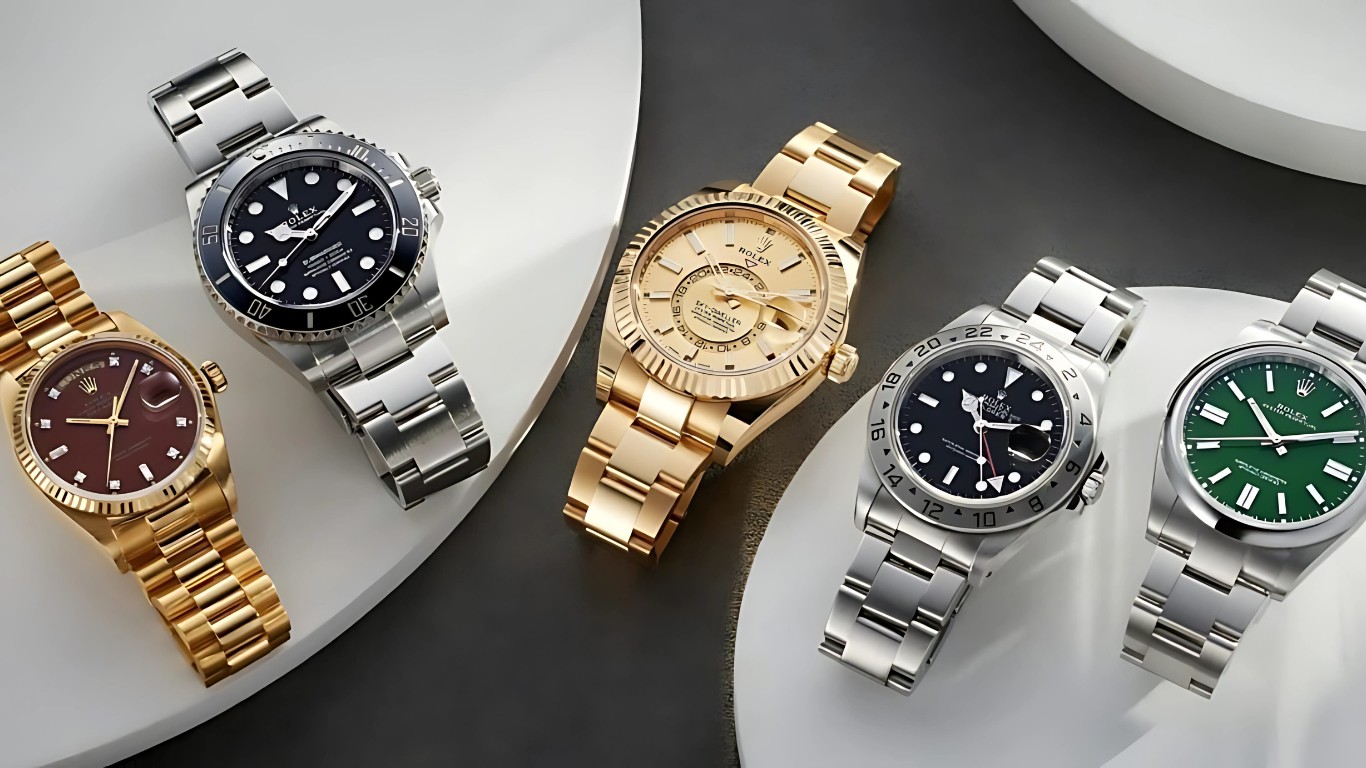
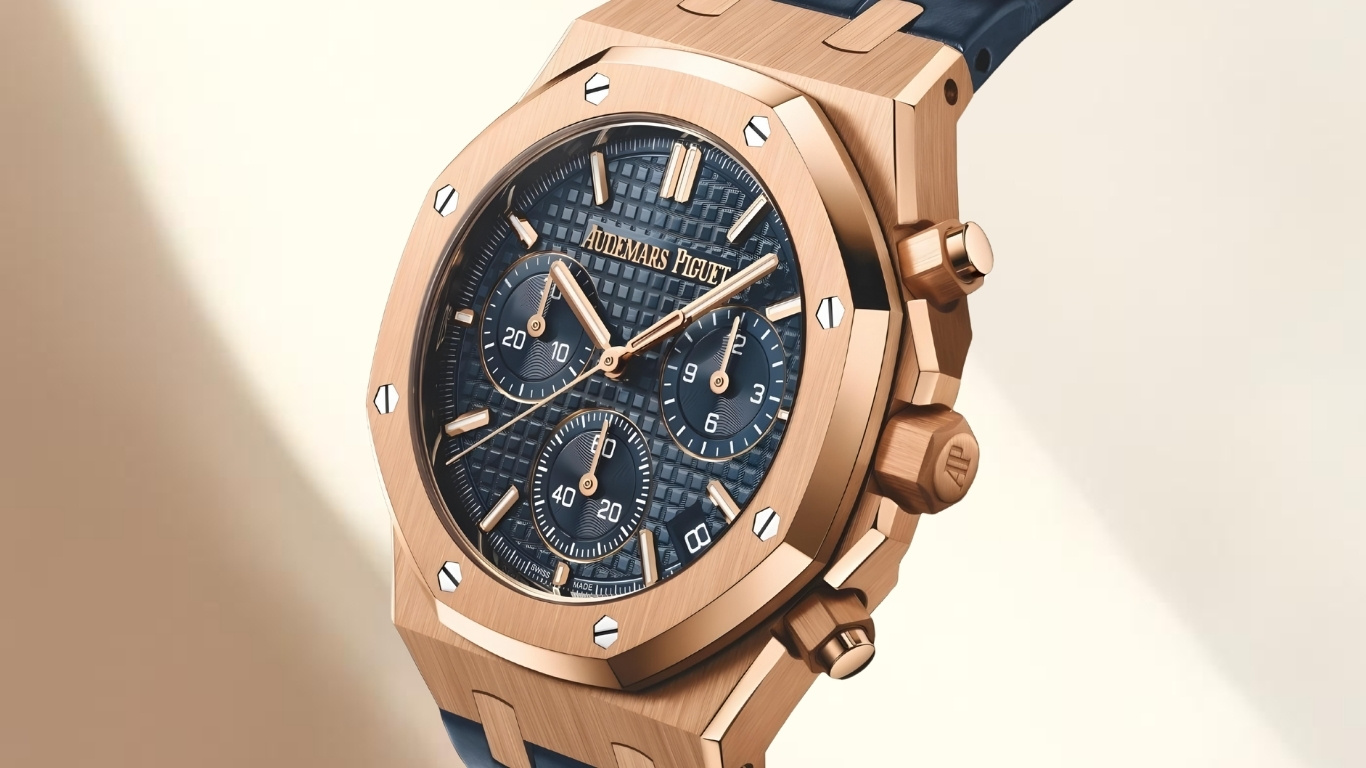
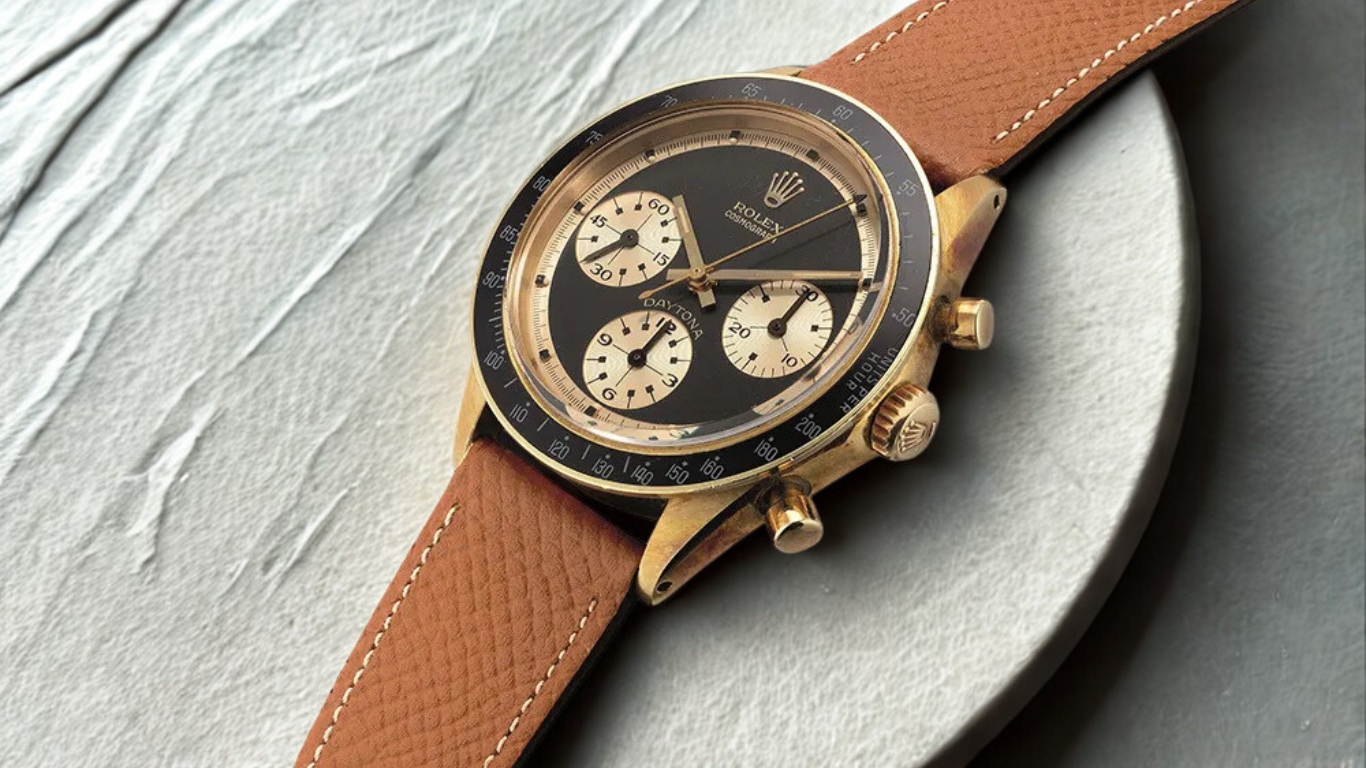
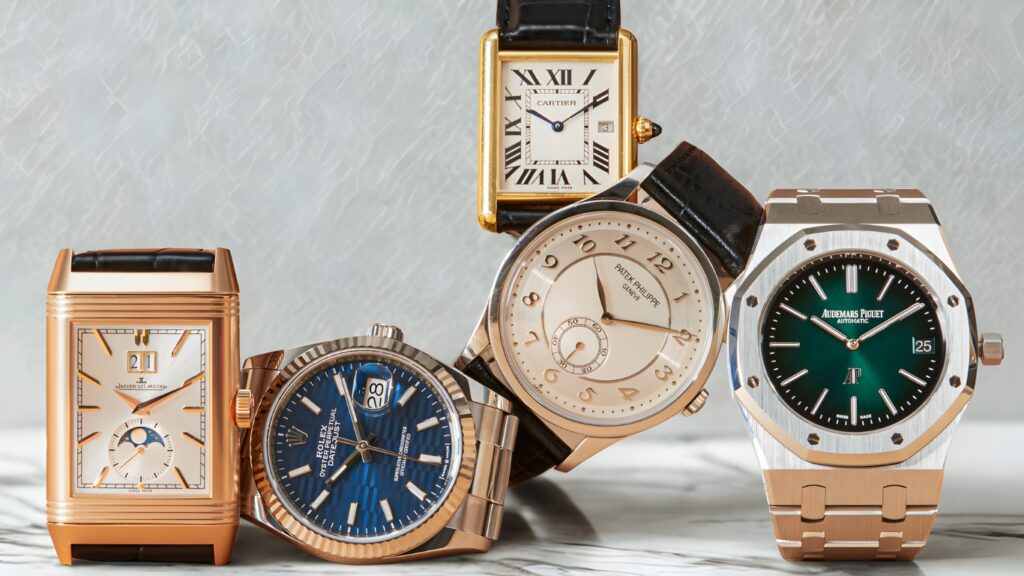
Chrono24 reports rectangular cases up 9.3%, dress watch demand surging 44% among Gen Z. For much of the last decade, the luxury watch conversation was dominated by steel sports watches with integrated bracelets. Models like the Rolex Daytona, Patek Philippe Nautilus, and Audemars Piguet Royal Oak became nearly impossible to acquire at retail, fueling hype and secondary market premiums. Meanwhile, dress watches were often overlooked, viewed as formal, outdated, or reserved for older generations.
Now that dynamic has completely flipped. Cartier stands out as the clear beneficiary: Among Gen Z, the Maison’s share of total purchases has risen from 1.7% to 6.8% over seven years – four-fold increase lifting icons such as the Tank and the dressy Santos-Dumont in the secondary market. This shift reflects a generation that values distinctive design language and heritage over pure functionality.
According to secondhand luxury watch retailer Bezel, those under 30 account for a third of the company’s transactions. According to Walker, the Gen Z market are the ones on average spending the most on a single watch purchase. This demographic approaches collecting differently—they’re not buying incrementally but making intentional, high-value purchases that reflect their personal aesthetic.
Record Breaking Auction Results Signal Market Strength
The auction market has become the ultimate barometer of collecting confidence, and 2025 delivered unprecedented results. A 1943 Patek Philippe Perpetual Calendar Chronograph Ref. 1518 in stainless steel. Sold for CHF 14,190,000 at Phillips Decade One (2015-2025) in November 2025, a world record for a vintage Patek Philippe wristwatch at auction and the most valuable timepiece sold at auction in 2025.
Independent watchmakers dominated the headlines with equally impressive results. The 2021 F.P. Journe FFC Prototype, from the collection of Francis Ford Coppola, which sold for USD $10,755,000 at the Phillips New York Watch Auction: XIII, in December 2025 – a world record for an F.P. Journe timepiece at auction and for any wristwatch by an independent watchmaker.
The strength of demand wasn’t limited to headline lots. The average lot value reached 173,000 US dollars for live auctions and 20,000 US dollars for online sales, with an overall average of 130,000 US dollars – the highest in the industry. Collectors from 80 countries took part in Phillips’ global watch auctions, with 35% of all buyers new to the company and 32% identified as Millennial or Gen Z, underlining the depth and renewal of demand at the high end.
This global participation reflects a market that has matured beyond regional preferences. Collectors are now willing to bid internationally for exceptional pieces, creating a truly global marketplace where the best watches find their audience regardless of geography. You can explore more about successful auction strategies in our comprehensive guide.
The Secondary Market Finds Its Balance
One of the most significant trends shaping the industry in 2026 is the pre-owned market. It’s driven by factors like greater transparency from resellers, improved buyer confidence thanks to certified pre-owned programs and authenticity guarantees. The secondary market has evolved from a niche alternative to a legitimate, mainstream channel for serious collectors.
Taken together, these dynamics suggest that the recent rise in secondary watch prices reflects a healthier market environment than the speculative boom several years ago. Demand has continued to grow as the global collector base expands and consumers increasingly consider pre-owned as a viable purchase avenue, while supply of many highly sought-after references has remained limited.
The data supports this optimism. The WatchCharts Overall Market Index appreciated by +0.6% in February 2026. Prices for Rolex (+0.6%), Patek Philippe (+0.7%), and Audemars Piguet (+0.6%) posted similar gains. Notably, Patek prices have been in the positive territory for twelve straight months, while Rolex and Audemars Piguet have also trended upwards since late 2025.
This stability reflects a fundamental shift in market dynamics. The Bloomberg Subdial Watch Index posted an 8% gain in 2025, marking the first clean up year after a long unwinding that saw prices retreat from pandemic-era peaks. Bloomberg reports the index climbed to its highest level since October 2023, recovering ground lost during the correction and signaling that the market likely established a floor in late 2024.

Independent Watchmakers Rise to Prominence
If the 2025 auction season proved anything, it is that independent watchmaking has been permanently elevated from niche curiosity to market-moving force. F.P. Journe dominated Phillips’ New York XIII sale, claiming eight of the top ten lots. Journe and Philippe Dufour together secured nine of the top ten lots on day one.
The scale of this success becomes even more remarkable when you consider the production numbers. F.P. Journe produces only approximately 800 to 1,000 mechanical watches per year with roughly 200 employees — making these results remarkable on a per-unit basis. This demonstrates that collectors are increasingly valuing craftsmanship and exclusivity over brand recognition alone.
Standout results included Philippe Dufour’s Duality No. 1, which realized US $3,085,000, and F.P. Journe’s Chronomètre à Résonance “Souscription, No. 2”, which sold for CHF 3,327,000 / US $4,133,798. Strong results were also achieved for Kari Voutilainen, Christian Klings, Daniel Roth, Urban Jürgensen, Konstantin Chaykin, Berneron, and Charles Frodsham & Co., reinforcing sustained demand for thoughtful, artisanal watchmaking.
This trend reflects a broader sophistication in the collecting community. Buyers are now educated enough to appreciate technical innovation and manufacturing excellence, regardless of whether it comes from a centuries-old maison or a contemporary independent. For collectors looking to understand this space better, our guide to independent watchmaker investments provides essential insights.
Regional Markets Show Varied Recovery Patterns
Europe dominated the luxury watch market with a market share of 41.77% in 2025, maintaining its position as the world’s largest luxury watch market. The market in Europe reached USD 15.9 billion in 2025, representing 26.51% of total market revenue, and is projected to reach USD 17.79 billion in 2026. The market exhibits a deep-rooted watchmaking heritage, strong brand loyalty, and a large base of collectors & repeat buyers. The expanding network of specialty goods retailers offering ultra-luxury-priced products is accelerating market growth.
North America presents a different but equally compelling story. North America, mainly driven by the United States, is a high-growth market. It is often highlighted in studies for its relatively fast expansion. The North American luxury watch market is expected to achieve an impressive CAGR, with some estimates around 6.0% from 2025 to 2033, making it one of the fastest-growing regions alongside some areas in South America. This strong performance is supported by a well-established collector culture, a high number of High-Net-Worth Individuals (HNWIs), and a strong presence of major luxury brand distribution networks.
Asia continues to be a massive growth driver. Asia, which accounts for nearly 42% of all luxury watch sales in 2025 and is expected to exceed $28 billion this year, and the Middle East, home to a growing population of high-net-worth individuals, which is expected to reach over $3 billion in watch sales by 2033. However, the Chinese market specifically has shown volatility, with Swiss exports to China fell 12% in 2025 after a 25.8% decline in 2024 — a cumulative drop of over a third in two years. The numbers are real. But September 2025 showed a surprising 17.8% rebound, potentially signaling the start of recovery.
These regional variations create opportunities for savvy collectors. Understanding where demand is strongest can help inform purchasing decisions, particularly for those considering international watch investments.
Market Fundamentals Point to Sustainable Growth
Collectors are becoming more selective, brands more intentional, and the conversation around watches more nuanced. As 2026 approaches, the industry is shifting toward long-term value, clearer identity, and deeper emotional connection. This represents a maturation that benefits serious collectors over short-term speculators.
Buying habits within the watch market have changed noticeably. Rising prices and greater access to information have encouraged buyers to pause, research, and reflect before committing. Watches are no longer impulse purchases driven by hype; they are considered investments of money, time, and personal taste.
The market’s new stability is reflected in multiple indicators. Overall, we are cautiously optimistic about the outlook for the secondary watch market, according to WatchCharts analysis. Collectors have been focusing on an increasingly smaller group of highly desirable brands and references, with premiumization and consolidation remaining long-term trends.
This consolidation around quality represents a healthy market evolution. Rather than chasing every new release or trending model, collectors are becoming more discerning about what deserves a place in their collections. The focus has shifted to pieces with genuine historical significance, technical innovation, or exceptional craftsmanship. Our comprehensive watch valuation guide can help you identify these quality indicators.
Frequently Asked Questions
How has the luxury watch market recovered after three years of decline?
The market has shifted from speculation to genuine collecting, with pre-owned prices rising 4.9% in 2025 after thirteen consecutive quarters of decline. Auction houses achieved record revenues, with Phillips hitting $370 million in annual sales. True collectors have replaced speculative investors, creating a more stable foundation for growth.
Why are Gen Z collectors driving demand for dress watches?
Gen Z buyers prioritize individuality and heritage over pure functionality, leading to a 44% surge in dress watch demand among this demographic. They prefer classic proportions and distinctive designs like Cartier’s Tank and Santos-Dumont, moving away from the steel sports watch dominance of the previous decade.
Which brands and categories are leading the recovery?
Dress watches and precious metal pieces are leading growth, with rectangular cases up 9.3% and gold dial variants rising significantly. Independent watchmakers like F.P. Journe have gained prominence, while traditional brands like Cartier have seen their Gen Z market share increase four-fold from 1.7% to 6.8%.
What makes the current market different from the 2021-2022 speculation period?
The current recovery is driven by educated collectors making intentional purchases rather than speculative investors chasing quick profits. Buyers now research extensively before purchasing, focus on long-term value, and prioritize pieces with genuine heritage and craftsmanship over hype-driven models.
How sustainable is the luxury watch market recovery in 2026?
Market fundamentals suggest sustainable growth with the global market projected to reach $119.48 billion by 2034 at 8.47% CAGR. The shift toward quality over quantity, increased collector education, and focus on established brands with proven track records indicates a more mature and stable market environment.