
Choosing the right luxury watch to invest in takes more than a sharp eye for craftsmanship and design. It demands a genuine strategy. With hundreds of models, dozens of brands, and a market that shifts in ways most people never see coming, making a smart investment means understanding exactly what drives long-term value.
From reading brand prestige and resale potential to spotting market trends and confirming authenticity, this guide gives you the essential knowledge to make informed, rewarding decisions in the luxury watch market.
Table of Contents
Benefits of Investing in Luxury Watches
The luxury watch market is valued at over $75 billion and has been drawing serious attention from investors who want tangible, long-term assets with real appreciation potential.
Unlike more volatile plays, luxury watches bring stability, heritage, and enduring demand to your portfolio. Those are exactly the qualities you want when economic conditions get shaky.
Timepieces from iconic houses like Rolex, Patek Philippe, and Audemars Piguet have put up impressive numbers in both primary and secondary markets. The Rolex Submariner and the Patek Philippe Nautilus are textbook examples, steadily climbing in value over time thanks to their rarity, brand equity, and historical weight. These watches are not just symbols of fine craftsmanship. They are proof that the right watch can perform like a financial asset.
Adding luxury watches to your portfolio is one of the cleaner moves you can make for diversification. Like fine art and vintage automobiles, high-end watches sit in an asset class that barely flinches when stock markets wobble. That insulation helps reduce overall portfolio risk while keeping your capital intact over the long term. If you already think along those lines, it is worth exploring how mixing asset types across art and collectibles can push your returns further.
Liquidity is another real advantage here. Watches from top-tier brands hold a broad, active resale market, which means you can move them when you need to. Entry-level Swiss mechanical watches start around $1,000, with mid-range investments climbing to $10,000 and beyond. That range gives you multiple ways in, whether you are building from scratch or expanding an existing collection.
As appetite for alternative investments keeps growing globally, luxury watches stand out as assets you can actually wear, while they quietly appreciate on your wrist.

Top Luxury Watch Brands to Consider
Luxury watches are far more than elegant accessories. They are finely engineered assets that carry heritage, prestige, and real investment value in every component. In recent years, the top-tier brands have proven themselves as credible alternatives to gold and equities, often outpacing both.
Their value does not come from aesthetics alone. Rarity, brand reputation, and long-term collector demand are what move the needle.
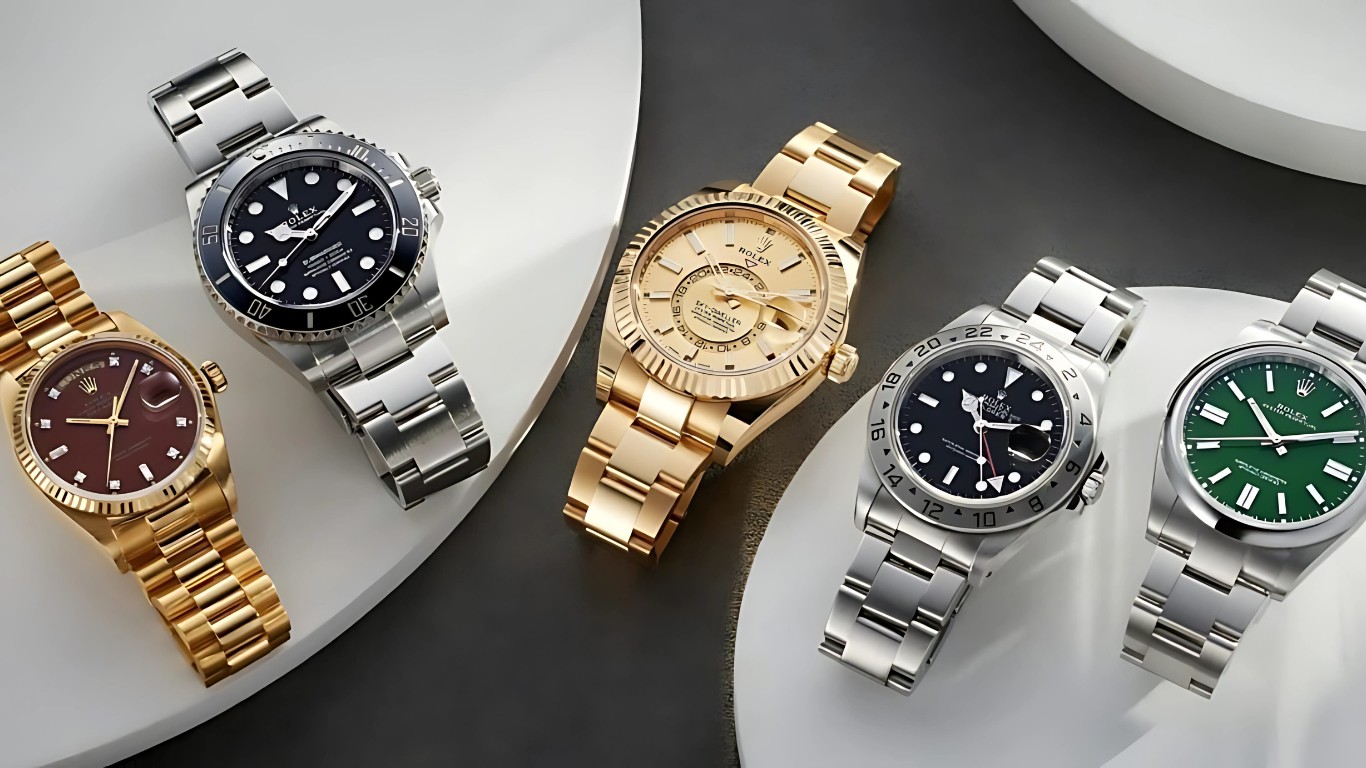
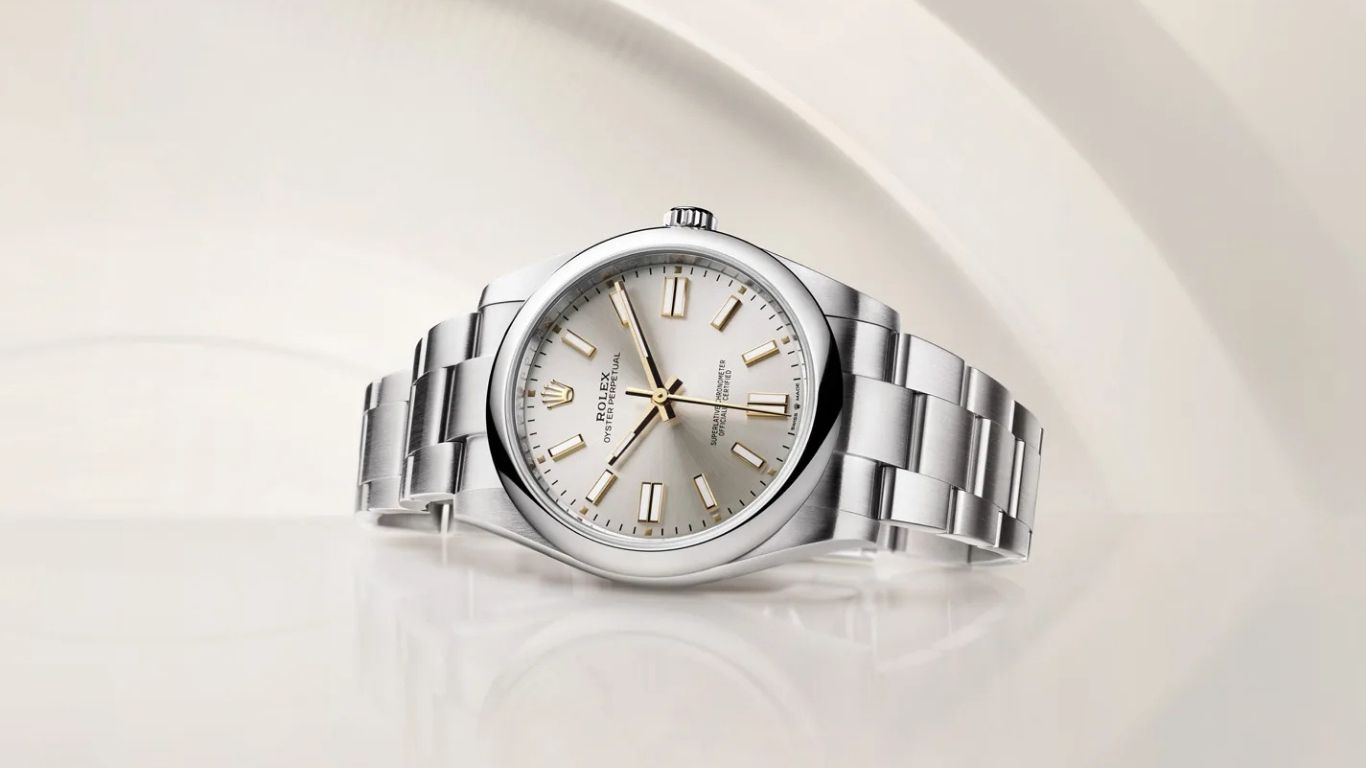
Rolex is the benchmark for reliability and value retention. Its watches stay in demand year after year, with models like the Daytona “Panda” and the Submariner consistently trading well above retail. A pre-owned Submariner typically fetches between €10,000 and €15,000 on the secondary market, while a Daytona can push up to €35,000. Even in uncertain conditions, Rolex holds its ground, which is exactly why serious investors keep coming back to it.
Patek Philippe plays a different game entirely, one built on rarity and legacy. Production volumes are deliberately small, craftsmanship is meticulous, and models like the Nautilus 5711 and 5712 routinely trade in the €120,000 to €150,000 range. Exclusivity and multi-generational appeal drive those numbers. These are watches that get passed down through families and gain value with every decade.
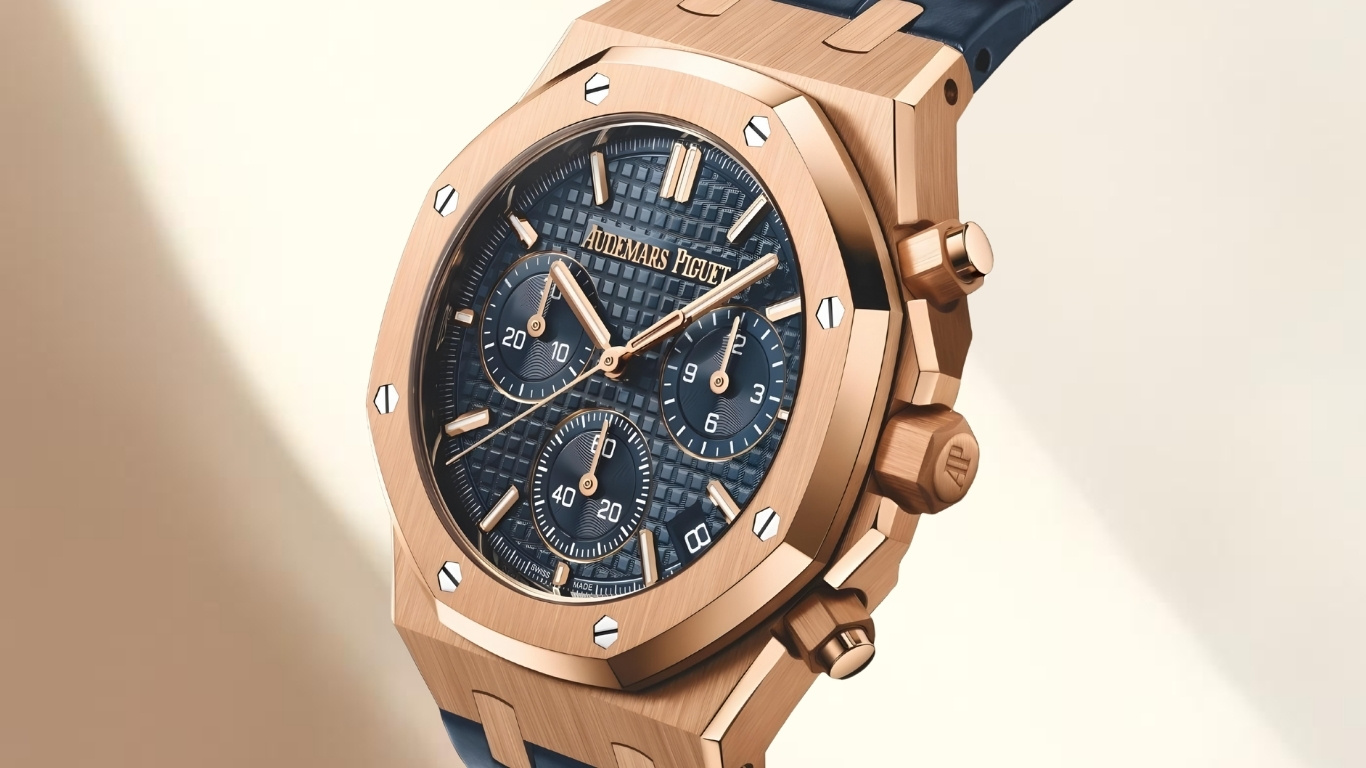
Audemars Piguet earns its place through bold, contemporary design and a fiercely loyal collector base. The Royal Oak Offshore line blends sporty elegance with strong resale dynamics, typically selling for €40,000 to €60,000. Limited editions and uncompromising quality standards keep demand tight and prices firm.
If cutting-edge design and extreme exclusivity are what you are after, Richard Mille sits in a category of its own. Futuristic materials and hyper-limited production have pushed models like the RM 11-03 and the Rafael Nadal editions into six-figure territory. These watches make a statement, and they back it up with the kind of investment performance that serious collectors track closely.
Vacheron Constantin brings timeless sophistication to the table backed by deep historical prestige. Collections like the Overseas and Patrimony sit in the €20,000 to €40,000 range and strike an excellent balance between refined style, brand legacy, and long-term value. For the investor who wants elegance without sacrificing appreciation potential, Vacheron is a trusted option.
Factors Influencing Watch Investment Returns
Investing in luxury watches can deliver serious returns. But you need to understand what actually drives value before you commit your capital.
These are the key factors that shape the potential returns on your luxury timepiece investments.
- Brand Reputation: A strong brand reputation significantly impacts investment returns. Esteemed brands like Rolex, Patek Philippe, Audemars Piguet, and Richard Mille have been recognized for decades, ensuring consistent demand and value appreciation. Timepieces from these brands typically command higher resale prices due to their prestige. For instance, the Rolex Daytona and Patek Philippe Nautilus are renowned for their ability to retain and grow in value over time.
- Rarity and Production Numbers: The scarcity of a timepiece is a primary factor in its investment potential. Limited editions or discontinued models, such as the Patek Philippe Nautilus 5711 and Audemars Piguet Royal Oak, become highly sought after due to their exclusivity. Watches with limited production numbers tend to appreciate faster, as their rarity fuels demand among collectors and investors.
- Condition and Maintenance: The condition of a watch directly influences its resale value. Timepieces in pristine condition, accompanied by service records and original components, fetch higher prices. Regular maintenance and proper storage not only prolong the watch’s lifespan but also enhance its appeal to potential buyers. Well-maintained models like the Audemars Piguet Royal Oak Offshore often see significant returns.
- Historical Significance: A watch’s historical or cultural importance can add immense value. Timepieces associated with milestones, celebrities, or major events often achieve higher market prices. For example, the Omega Speedmaster “Moonwatch,” worn during the Apollo 11 moon landing, is highly prized among collectors due to its historical significance.
- Materials and Craftsmanship: The quality of materials and craftsmanship plays a vital role in determining a watch’s value. Watches made from precious metals like gold or platinum, or those featuring intricate complications such as perpetual calendars or tourbillons, are highly sought after. Richard Mille’s innovative use of carbon composites and Patek Philippe’s perpetual calendar timepieces exemplify how superior craftsmanship boosts investment potential.
- Market Trends and Popularity: The popularity of certain brands or models fluctuates with market trends. Keeping an eye on emerging styles or collector preferences can help investors choose timepieces likely to appreciate. For instance, green-dial watches like the Rolex Submariner “Hulk” have gained substantial popularity in recent years, driving their market value upward.
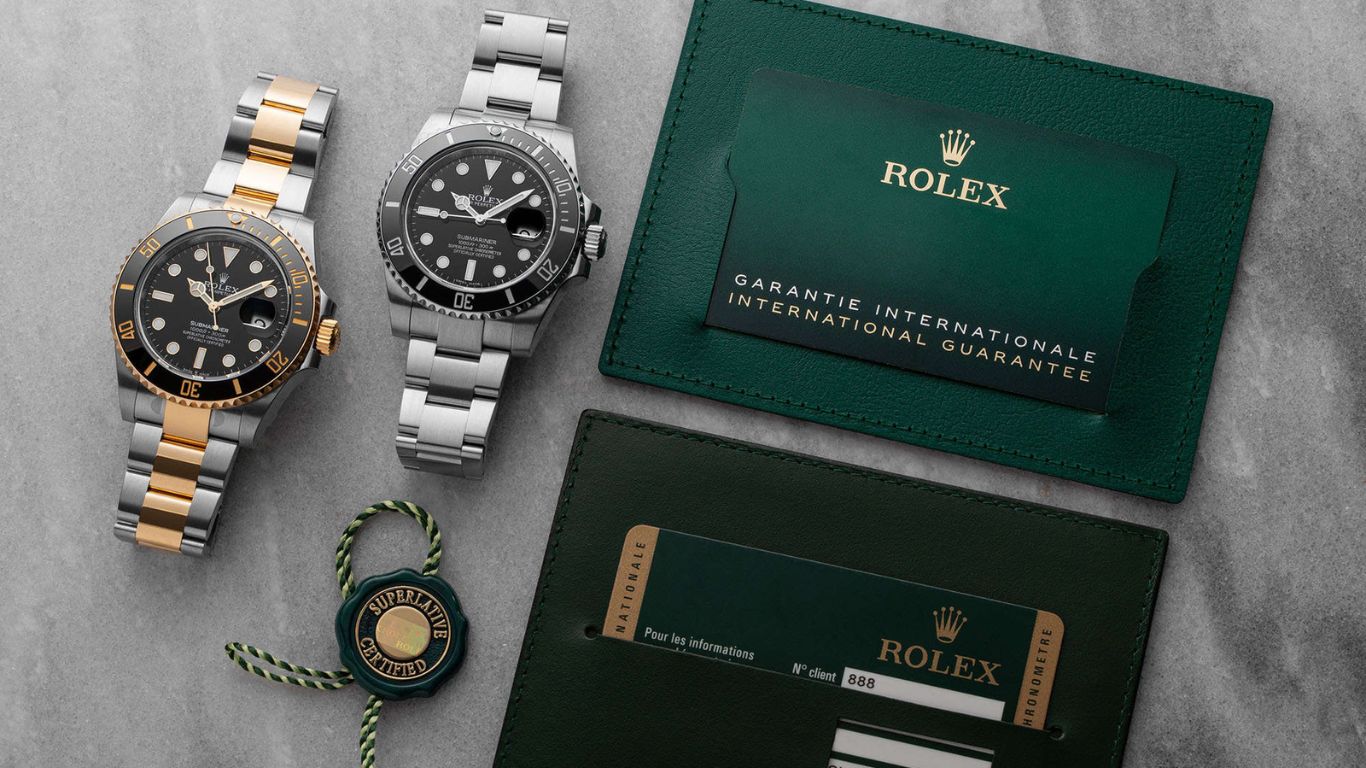
- Authenticity and Provenance: The authenticity of a watch is critical for its investment value. Timepieces with original documentation, boxes, and certificates of authenticity hold higher appeal. Additionally, watches with unique provenance—such as being owned by a celebrity or associated with a significant event—can command premium prices.
- Global Economic Factors: Economic conditions, such as currency fluctuations and inflation, influence luxury watch prices. In times of economic uncertainty, investors often turn to tangible assets like luxury watches as a store of value, driving up demand and prices. Brands with a global reputation, like Rolex and Patek Philippe, tend to perform well in diverse economic conditions.
Getting a handle on these factors puts you in a position to maximize returns while enjoying the craftsmanship and prestige that come with owning a piece at this level.
Whether you are a seasoned collector or just starting out, these elements are what separate smart watch investments from expensive mistakes.

Researching Watch Models and Trends
Doing serious research on luxury watch models and market trends is non-negotiable if you want to understand how this high-value segment actually works. The market is layered, shaped by shifting consumer behavior, global economic forces, and the reputations of brands built over generations.
Getting meaningful insight requires a methodical approach that blends historical knowledge, data analysis, and sharp real-time observation.
Your first step is getting fluent in the major players and their core collections. Brands like Rolex, Patek Philippe, Audemars Piguet, and Richard Mille dominate the upper tier because of their heritage, manufacturing consistency, and global prestige. Understanding how even adjacent brands like Tudor perform can sharpen your read on the broader market.
Each brand runs a set of flagship models that anchor demand and resale value. Getting comfortable with their technical specs, release histories, and production volumes is the foundation of any reliable market read.
Equally important is understanding model lifecycles. When a watch was released, whether it came as a limited edition, and whether it has since been discontinued all provide powerful context for reading market movements. Discontinued or hard-to-source references tend to appreciate faster because supply dries up while collector interest keeps building.
Tracking production timelines and cross-referencing reference numbers lets you spot which watches are quietly gaining importance on the secondary market before the rest of the crowd catches on.
You also need to analyze pricing behavior across both primary and secondary markets. That means monitoring retail prices, resale values, and auction results from houses like Phillips, which publish detailed watch sale records. Community forums and collector networks add the qualitative layer, giving you a sense of how the market feels about specific references.
Spotting pricing patterns is where real edges are found. A sharp value jump after a model gets discontinued, or a slow and steady climb over years, tells you exactly which segments deserve closer attention.
Material composition and movement complexity matter more than most casual investors realize. Watches made from platinum, ceramic, or proprietary alloys tend to hold higher value over time. And pieces featuring in-house movements, tourbillons, perpetual calendars, or rare complications attract the most serious collectors, which translates directly into stronger investment profiles.
Studying collector behavior rounds out your research. Models rise in popularity not just through brand marketing but through cultural relevance, celebrity association, and visibility at the right events. Tracking media appearances, social trends, and brand partnerships gives you early signals on which references are building momentum. According to Bloomberg’s coverage of the luxury watch market, cultural cachet can move prices as fast as any supply constraint.
On top of that, keep an eye on waiting list lengths and availability at authorized dealers. Those informal signals are some of the most honest real-time reads on current demand you will find anywhere.
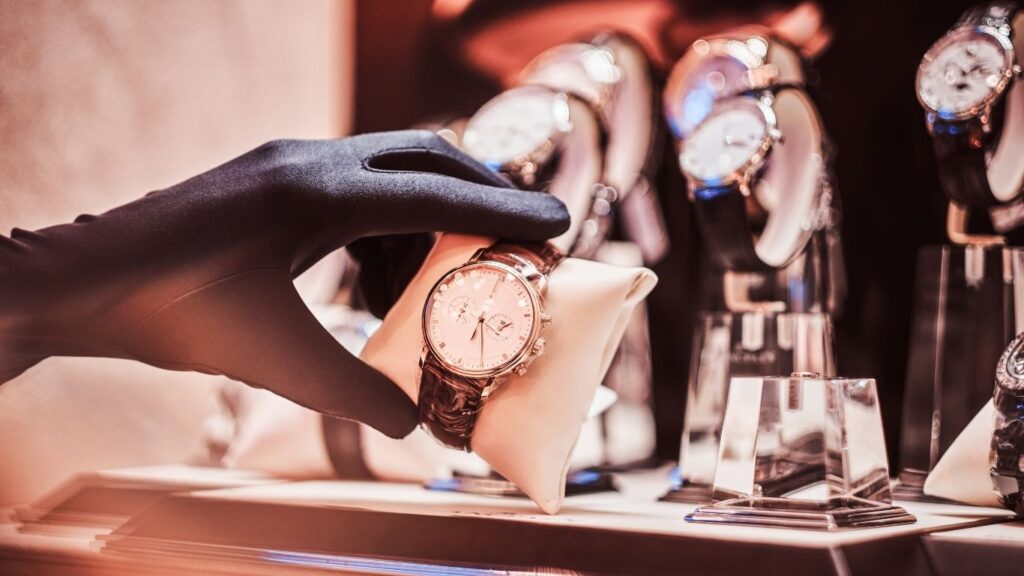
Identifying Trustworthy Resellers
The pre-owned market is broader and more accessible than ever, which is great news for buyers. But that same expansion has brought more counterfeits and grey-market activity with it. Choosing the right reseller is not just about preference. It is a critical safeguard for your money and your collection.
Buying from an authorized dealer is the most secure path to a genuine luxury watch. Brands like Rolex, Audemars Piguet, and Patek Philippe hold their dealer networks to strict compliance and vetting standards. That discipline protects you as the buyer and guarantees the watch you receive is exactly what it claims to be, with full provenance and manufacturer backing.
- Verified Authenticity: Direct manufacturer sourcing removes uncertainty around the watch’s origin.
- Full Warranty Protection: Buyers benefit from official brand warranties and post-sale service.
- After-Sales Support: Maintenance, repairs, and certified part replacements are all readily available through brand-sanctioned channels.
Yes, authorized dealer prices run higher than secondary sources. But when you factor in long-term value preservation and clean provenance, that premium is well worth paying.
Auction houses like Christie’s, Phillips, and Sotheby’s are among the most trusted institutions in the watch investment world. Their authentication processes are rigorous, often involving direct brand collaboration and expert horologists. For rare, vintage, and discontinued references, these are the venues where serious buyers and serious sellers meet, and where due diligence is built into the process.
- Documented Provenance: Detailed sales history and ownership trails add credibility.
- Condition Reports: Transparent evaluations provide insight into the watch’s authenticity and wear.
- Market Valuation: Auction sales help establish a watch’s fair market value, informed by global demand.
Auctions can be competitive and prices move fast. But the depth of scrutiny these houses apply dramatically reduces your risk of acquiring a counterfeit or misrepresented piece.
Online platforms have opened up the market in ways that were unimaginable a decade ago. The trade-off is that the volume and anonymity of digital transactions demand extra vigilance on your part. When you are navigating these platforms, prioritize ones that offer professional authentication, buyer protection policies, and verified seller histories. The best platforms make that information easy to find.
- Third-Party Authentication Services: In-house watchmakers or external experts that validate the watch’s authenticity before shipment.
- Transparent Seller Histories: Verified seller ratings and transaction histories reduce risk.
- Buyer Protection Policies: Comprehensive return policies, payment security, and dispute resolution mechanisms are vital in ensuring buyer confidence.
Beyond that, look for high-resolution images, serial number verification, and detailed specifications that match official brand records. Any platform worth trusting will make that information available without you having to chase it down.
Over time, building genuine relationships with trusted resellers is one of the smartest things you can do as a watch investor. Whether that is an authorized dealer, an auction specialist, or a well-established online platform, a strong network gives you access to credible sources you can rely on for every acquisition.
That network does two things for you. It shields your portfolio from counterfeits, and it puts you in line for limited-edition or high-demand references that never make it to mainstream retail. If you are serious about building a portfolio of alternative assets that hold real value, the principles here align closely with how top wealth managers approach collectibles and tangible asset allocation for their highest-net-worth clients.