

Art has long been one of those rare asset classes where passion and profit actually meet. Done right, it can be highly lucrative. But it also comes with its own set of rules, risks, and nuances that set it apart from stocks, bonds, or real estate. In this guide, you’ll learn why art deserves a serious look as an investment, what kind of returns you can realistically expect, who it’s actually right for, and how to move through this market with confidence.
Table of Contents
How To Invest In Art
Getting into art investment takes more than a good eye. You need financial insight, a working understanding of how the market moves, and a clear sense of how value is determined. Formal expertise in art history isn’t required, but knowing the rules of the game is. Art investment comes in several forms, and the right approach for you depends on your goals, your risk appetite, and how hands-on you want to be.
One of the most structured ways in is through art funds, which work much like mutual funds but focus entirely on high-value works. You pool capital alongside other investors, and seasoned art professionals make the acquisition and exit decisions on your behalf. The appeal here is real diversification without the headaches of direct ownership. You skip the authentication headaches, the storage logistics, and the dealer negotiations while still getting exposure to the market.
If you prefer a more direct approach, buying art outright through galleries, auction houses, or online platforms gives you full ownership and all that comes with it. You capture both the financial upside and the cultural weight of owning something extraordinary. Whether you’re drawn to fine art masterpieces or cutting-edge contemporary works, success here demands diligent research, proper authentication, and sharp market awareness. You need to know what you’re buying and why it’s likely to appreciate.
Then there’s fractional art investment, the modern alternative that’s opened the door for a much wider group of investors. Platforms like Masterworks let you purchase shares in blue-chip works rather than buying an entire piece. Multiple investors collectively hold a stake, and when the artwork sells, profits are split proportionally. The financial barrier drops considerably, which means you can get meaningful exposure to sought-after masterpieces without committing to a seven-figure purchase.
Different Types of Fine Art
Art investment is far from a single-strategy game. The type of art you invest in, your timeline, and your tolerance for risk will all shape what you actually get back. Returns can vary widely across categories, and understanding those differences is where smart investing begins.
1. Old Masters
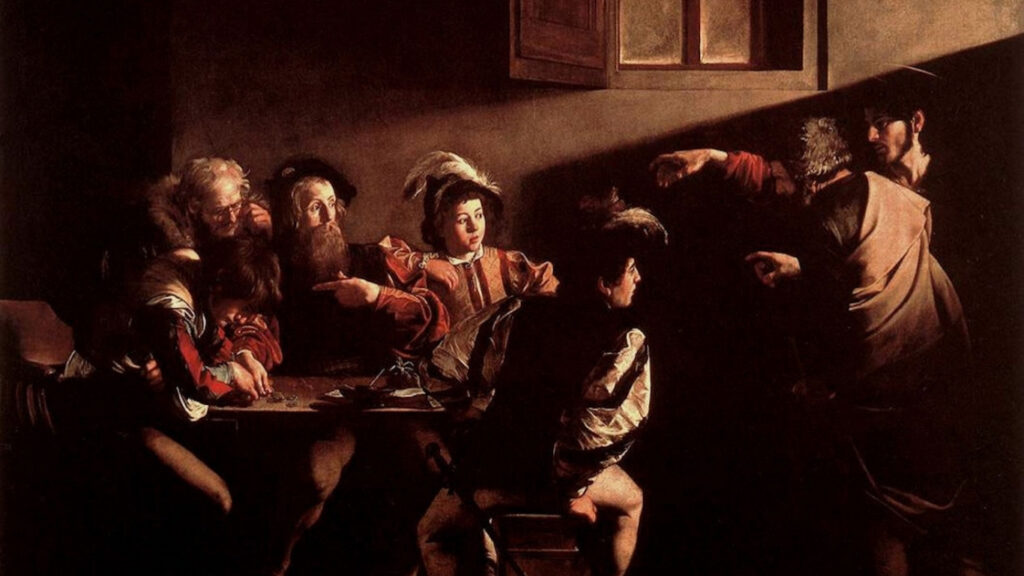
Among the most historically grounded and stable categories are Old Masters, works created by artists born before 1800. Think Leonardo da Vinci, Michelangelo, Rembrandt, Caravaggio. These pieces form the bedrock of Western art history and are widely treated as the blue-chip assets of the entire market. But they come with their own distinct investment profile, and it pays to understand the complexities before you move.
Old Masters behave very differently from contemporary art in the market. While newer works attract a broad pool of private collectors, the Old Masters segment is largely driven by museums, institutional buyers, and a tight circle of elite private collectors. That exclusivity reinforces their prestige and their value. But it also limits liquidity. Sales are more complex, negotiations tend to run long, and moving ultra-rare pieces can take considerable time.
Condition and authenticity carry enormous weight here. Many Old Master paintings have gone through extensive restoration over the centuries, and the impact on value depends entirely on the quality and scope of that conservation work. Provenance matters just as much. Works that trace back to prestigious historical collections or aristocratic estates carry added credibility and investment security, because a well-documented ownership history removes doubt about what you’re actually holding. Savvy collectors are already moving on undervalued Old Master works, and that window won’t stay open indefinitely.
Beyond the financial case, owning an Old Master carries cultural weight that simply can’t be replicated. These works are symbols of history, power, and legacy. High-net-worth individuals and institutions often acquire them as cultural capital, loaning pieces to museums and major exhibitions, which keeps them visible and reinforces their prestige. That dynamic doesn’t just protect value. It compounds it over time.
2. Modern Art
Modern Art, created between the 1860s and the 1970s, covers one of the most transformative periods in the entire history of art. Impressionism, Cubism, Surrealism, Abstract Expressionism, these movements didn’t just push artistic boundaries. They rewired how culture thinks about creativity and expression. Legends like Pablo Picasso, Claude Monet, Salvador Dalí, and Wassily Kandinsky built reputations that have only grown stronger with time, and the market for their work stays active and fiercely competitive.
What sets Modern Art apart from older categories is its liquidity. Transaction volumes are higher, buyer interest is broader, and works by Monet and Picasso appear at auction with enough regularity to create a relatively predictable market cycle. That consistency, combined with sustained demand from private collectors, institutions, and serious investors, has driven steady long-term appreciation. For investors who want reliability alongside prestige, this is one of the most compelling segments available.
The price range in this category is wider than most people expect. Picasso’s Les Femmes d’Alger sold for $179.4 million, but that same artist’s sketches and lesser-known works trade at a fraction of that price while still carrying strong appreciation potential. For investors willing to go deeper, lesser-known artists from the same era often sit at relatively undervalued price points compared to their more famous contemporaries, and that gap can close fast when the right institutional attention arrives.
Modern Art also carries a cultural pull that works in your favor as an investor. Many pieces from this era are instantly recognizable far beyond the art world, which broadens the buyer pool and keeps demand strong. That universal appeal feeds into the secondary market in ways that more niche categories simply can’t match.
3. Contemporary Art
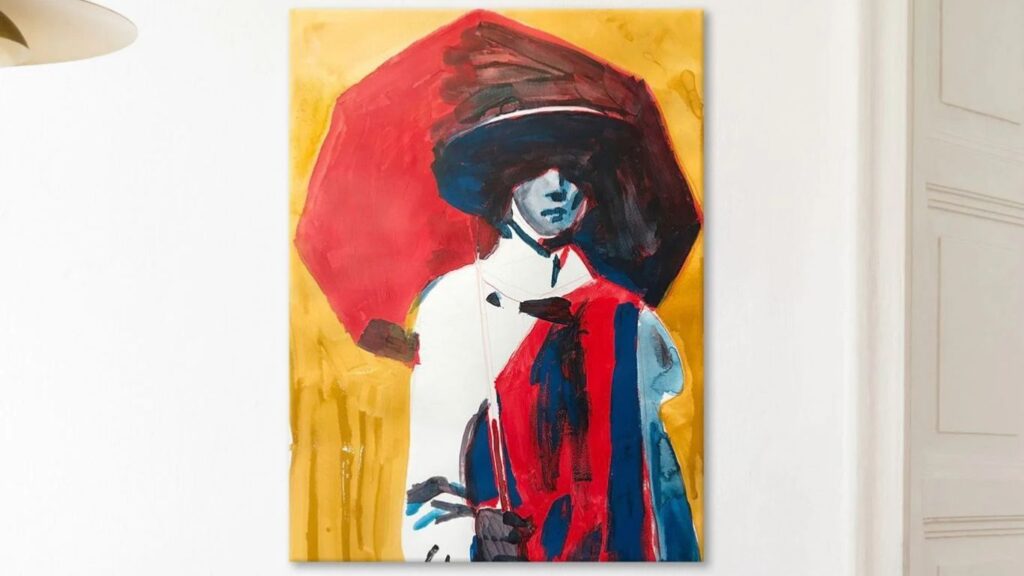
Contemporary Art covers everything created from the 1970s to the present, and it’s one of the most dynamic and unpredictable segments you’ll find anywhere in the investment world. Diverse styles, unconventional materials, and conceptual approaches define a market that thrives on constant reinvention. Artists like Banksy, Jeff Koons, Yayoi Kusama, and Damien Hirst have redefined what art can be while commanding extraordinary prices at the world’s top auction houses.
The volatility of Contemporary Art cuts both ways. Unlike established masters with decades of price stability behind them, contemporary artists experience rapid value swings driven by cultural relevance, shifting collector tastes, and trending narratives. But that same volatility creates real opportunity. Banksy is the clearest example. Works that once sold for a few thousand dollars now fetch multi-million-dollar prices at major sales. Early investors who read the signals correctly saw extraordinary returns.
For investors comfortable with risk, emerging artists offer one of the sharpest entry points in the entire market. Predicting which artists achieve lasting relevance is genuinely hard. But the signals are there if you know what to look for. Gallery representation, museum exhibitions, and growing secondary market demand are all strong indicators. Get in before the wider market catches on, and the appreciation can be exponential.
Contemporary Art has also moved well beyond traditional paintings and sculptures. Digital installations, conceptual works, and immersive experiences are all part of the investment conversation now. And the rise of NFTs has added a new dimension entirely, creating verifiable digital ownership of art in a way that wasn’t possible even a decade ago. Understanding the blockchain technology behind NFTs gives you a real edge when evaluating digital art as an asset.
4. Prints and Multiples
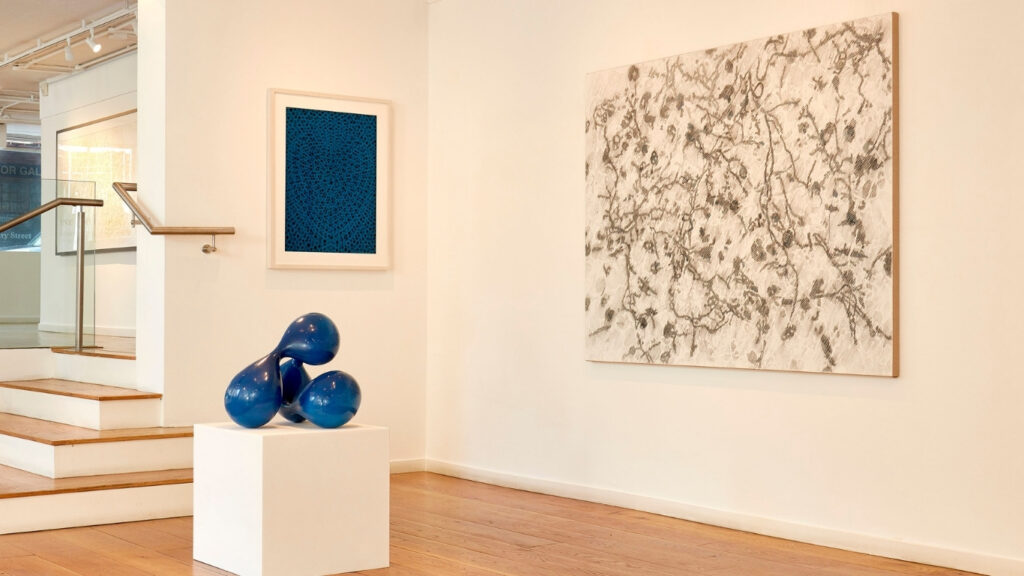
Prints and multiples offer one of the most accessible entry points into the art market. You’re acquiring works by recognized artists at a fraction of what an original would cost, but the investment potential is real, especially when edition sizes are small and the artist’s reputation is on an upward trajectory. This segment is often dismissed as the budget tier, but certain prints have delivered serious appreciation over time and deserve a place in any well-constructed art portfolio.
The price range here is approachable without being trivial. Depending on the artist, edition size, and current demand, you’re typically looking at $1,000 to $50,000. Andy Warhol’s silkscreen prints, including his iconic Marilyn Monroe series, are the benchmark example. They’ve appreciated substantially while staying more accessible than his original canvases, making them a smart entry point for investors who want blue-chip exposure without the blue-chip price tag.
Returns on prints tend to be lower than on unique works, but they’re far from negligible. Warhol’s prints have delivered annualized returns of 7% to 10% over time, which is a meaningful figure for an asset that also carries cultural prestige. The key is selectivity. Well-chosen editions from high-demand artists, whether established names or emerging ones gaining serious traction, can deliver returns that hold up well against other alternative investments. Much like luxury goods held as stores of value, the right prints combine financial upside with something tangible you can actually live with.
Scarcity and condition drive long-term value in this category more than almost anything else. Smaller edition runs command stronger demand simply because exclusivity matters to collectors. Artist-signed prints carry a premium over unsigned versions, and that gap can be significant at auction. But condition is equally critical. Fading, damage, or improper framing can strip a print of meaningful market value fast. Museum-grade framing and climate-controlled storage aren’t optional extras here. They’re part of protecting your investment.
Historical Returns of Each Type of Fine Art
When you’re evaluating fine art as an investment, historical performance across different categories tells you a great deal about what to expect. Old Masters, Modern Art, Contemporary Art, and Prints and Multiples each behave according to their own logic, shaped by rarity, artist reputation, liquidity, and who’s actually buying. Some categories offer steady, predictable appreciation. Others bring higher volatility but the potential for truly extraordinary upside.
Old Masters, works created before the 19th century, are widely treated as stable, long-term stores of value. Artists like Rembrandt, Caravaggio, and Vermeer carry enduring prestige. But this segment moves slowly. Liquidity is limited and rapid price appreciation is rare, which means patience is not just a virtue here. It’s a requirement.
- Historical Returns: According to The Art Market Research (AMR) Index, Old Masters have yielded annualized returns of 3% to 4% over the past 50 years. While steady, these returns are lower than those of Modern and Contemporary Art.
- Liquidity Challenges: The market for Old Masters is highly niche, primarily attracting institutions, museums, and seasoned collectors. This limited buyer pool can make resale more complex, particularly for ultra-high-value works.
- Auction Insights: Occasionally, rare discoveries make headlines, as seen with Caravaggio’s “Judith Beheading Holofernes,” which surfaced in a French attic in 2014 and was expected to sell for €100–150 million. Though ultimately sold privately, the case illustrates the category’s investment stability but also its lengthy sales cycles.
Modern Art tells a different story. Spanning the 1860s to the 1970s and covering Impressionism, Surrealism, and Abstract Expressionism, this segment has consistently outperformed Old Masters in terms of market activity and collector demand. Picasso, Monet, and Kandinsky attract both institutional and private buyers in volume, and that sustained interest has driven reliable long-term value growth.
- Average Returns: According to the Artprice Global Index, Modern Art has delivered annual returns of 5% to 8%, with some artists surpassing 10% per year.
- Liquidity and Demand: This category enjoys high transaction volumes, with Monet’s Water Lilies series frequently surpassing $70 million at auction. Picasso remains one of the most traded artists, evidenced by the record-breaking $179.4 million sale of “Les Femmes d’Alger” at Christie’s in 2015.
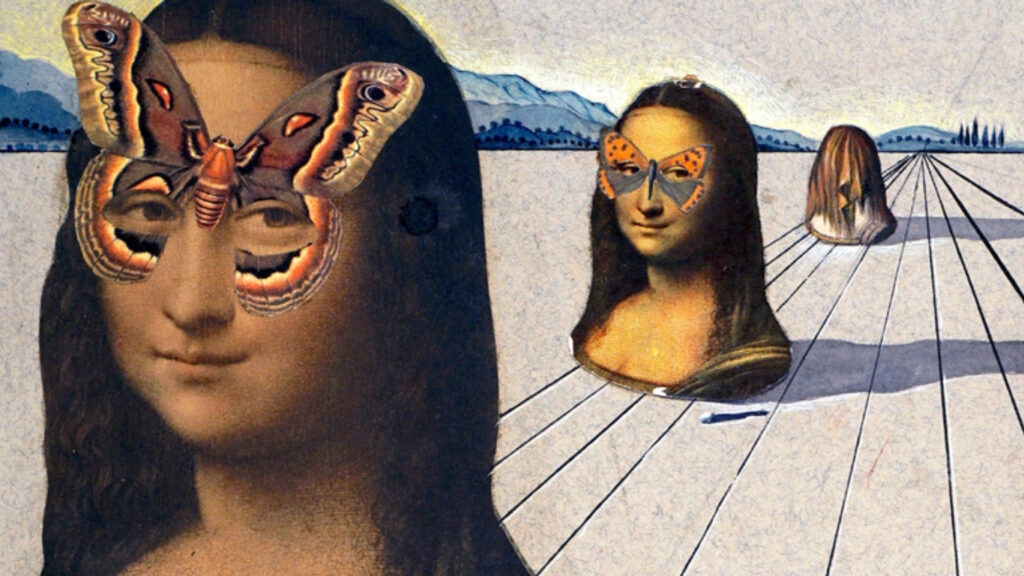
- Market Volatility: While the overall category is stable, certain subcategories—such as Surrealism and Cubism—experience higher volatility. Artists like Salvador Dalí see fluctuating prices, yet demand remains strong for their most iconic works.
Contemporary Art, covering works created after 1970, is the segment that gets the most attention right now, and for good reason. Demand for Banksy, Jeff Koons, Damien Hirst, and Jean-Michel Basquiat keeps climbing, and the broader art market continues to treat this category as one of its most dynamic growth areas. The volatility is real, but so is the upside for investors who move early and choose well.
- Market Performance: The Artprice Contemporary Art Index reports annualized returns of 8% to 12% over the past two decades, exceeding most other asset classes.
- Record Sales: Some of the most extraordinary returns have been seen in this category, with Basquiat’s “Untitled” selling for $110.5 million in 2017, demonstrating the explosive potential of Contemporary Art investments.
- Growth Factors: Between 2000 and 2020, the market for Contemporary Art expanded at an annual rate of 13%, fueled by younger collectors, millennial investors, and increased interest from Asian markets.
- Emerging Artists: While investing in established Contemporary artists is lucrative, early investment in emerging talent carries the potential for 15% to 25% annual returns. Banksy’s works, for instance, have seen monumental appreciation—one piece originally sold for £26,000 in the early 2000s later resold for £9.9 million at Sotheby’s in 2020.
Prints and multiples round out the picture as the accessible end of the market. Returns are generally lower than for original works, but prints from artists like Andy Warhol, Keith Haring, and Roy Lichtenstein hold strong secondary market demand. For investors building an art portfolio incrementally, this category provides a smart and lower-risk foundation.
- Accessibility and Diversification: While owning an original Picasso may be out of reach for most investors, his limited-edition prints provide an affordable way to gain exposure to blue-chip artists. This accessibility makes prints an effective tool for portfolio diversification.
- Historical Returns: Investors can expect annual returns of 2% to 5%, with some high-demand editions achieving 5% to 7% growth annually.
- Edition Size Matters: Prints with smaller edition sizes (under 100 copies) tend to appreciate more quickly due to higher exclusivity. Warhol’s Marilyn Monroe silkscreen prints, produced in an edition of 250, now sell for over $200,000, far exceeding their original price.
Who Should Invest in Art and Why?
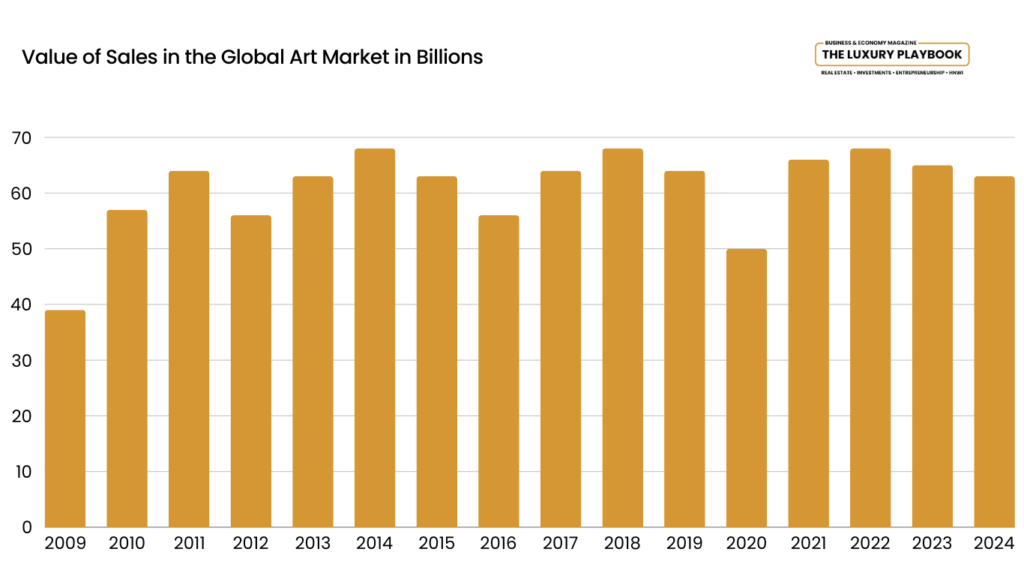
Art investment draws in a wide range of people, and the motivations are rarely just financial. High-net-worth individuals often turn to art to diversify beyond stocks and bonds, and the logic is sound. Art is a non-correlated asset, which means it doesn’t move in lockstep with financial markets. Blue-chip works by artists like Picasso and Monet have held their value through some of the most turbulent economic periods in recent memory, making them a credible hedge against inflation and market volatility.
The long-term appreciation case is compelling too. Annual returns across the art market range from 5% to 10%, according to Deloitte’s Art and Finance report. And depending on your jurisdiction, donating art to institutions can unlock meaningful tax advantages that make the financial case even stronger.
For passionate collectors, the calculation goes beyond pure returns. Art is a lifelong pursuit that delivers personal fulfillment alongside financial growth. Many collectors see their acquisitions as part of a legacy, pieces to pass down through generations or loan to museums where they gain public recognition and ongoing visibility. Unlike pure investors focused on exit timing, collectors often hold works for decades, allowing value to build steadily without the pressure of short-term market moves.
For portfolio diversification, art offers something equities and bonds simply can’t. As a tangible asset with intrinsic cultural value, it doesn’t react to stock market swings the way traditional financial instruments do. Demand from emerging markets, particularly China and the Middle East, adds another layer of global momentum. If you’re acquiring works with strong international recognition, you’re positioning yourself to benefit from both cultural relevance and expanding global collector bases. Working with a skilled financial advisor can help you integrate art strategically into a broader wealth plan.
Institutional investors and art funds take the most structured approach, relying on expert management to identify and acquire high-value works. Through professionally managed portfolios, you get exposure to blue-chip acquisitions while sidestepping the logistical and operational complexity of owning art directly. It’s the most hands-off route into the market, and for investors whose time is their most valuable asset, it’s worth serious consideration.
Where to Find Investment-Grade Art
- Auction Houses: Major auction houses like Christie’s and Sotheby’s are some of the best places to find high-quality, investment-grade art. These auctions offer works from Old Masters, Modern, and Contemporary artists, often with detailed provenance that ensures authenticity.
- Art Galleries: Investors can also purchase art from reputable galleries, which often represent both established and emerging artists. Well-known galleries include Gagosian, Pace, and David Zwirner.
- Online Art Platforms: With the rise of online platforms, it’s easier than ever to invest in art. Websites like Artsy and Saatchi Art offer a wide range of artworks, while Masterworks provides fractional ownership in high-value pieces, making the art world more accessible to everyday investors.
Case Study 1: Jean-Michel Basquiat’s “Untitled” (1982)
Jean-Michel Basquiat’s work from the 1980s is one of the most dramatic appreciation stories in the history of Contemporary Art. His 1982 painting “Untitled” sold for $19,000 in 1984. When it came back to market in 2017 at Sotheby’s, it hammered at $110.5 million, making it one of the most expensive Contemporary works ever sold at auction. That’s not appreciation. That’s transformation.
Why the Investment Paid Off
- Artist’s Legacy: Basquiat’s short but influential career, combined with his unique style blending graffiti, primitivism, and neo-expressionism, made his works highly desirable.
- Rarity: Major works by Basquiat are rare, which contributed to their escalating value.
- Cultural Relevance: As a leading figure of the 1980s New York art scene, Basquiat’s work holds significant cultural value, particularly in the Contemporary art market.
This case shows exactly what early conviction in the right artist can do. Investors who recognized Basquiat’s potential before the market caught up walked away with returns that no traditional asset class could have matched. The lesson isn’t just about Basquiat. It’s about developing the eye and the research discipline to spot the next one before the auction room does.
Case Study 2: Leonardo da Vinci’s “Salvator Mundi” (c. 1500)
“Salvator Mundi” by Leonardo da Vinci became the most expensive painting ever sold when it went for $450.3 million at Christie’s in 2017. What makes the story even more compelling is where it started. In 2005, a group of art dealers acquired it for under $10,000. They restored it, authenticated it as a genuine da Vinci, and brought it to market. The result was a return that defies almost any investment benchmark you can name.
Why the Investment Paid Off
- Artist’s Legacy: Leonardo da Vinci is one of the most renowned and influential artists in history. His works are extremely rare, with fewer than 20 known paintings.
- Historical Significance: The historical and religious importance of “Salvator Mundi” added layers of value, making it a coveted piece for wealthy collectors.
- Provenance and Restoration: After years of dispute over its authenticity, its attribution to Da Vinci by art experts dramatically increased its value.
This case makes the argument for provenance, rarity, and legacy better than any textbook could. The combination of an undisputed artistic giant, a work with a documented history, and a market hungry for the extraordinary created a perfect storm of value. When those three factors align, the upside can be almost limitless. It’s a reminder that in art, as in any investment, knowing what you’re holding before the rest of the world does is everything.