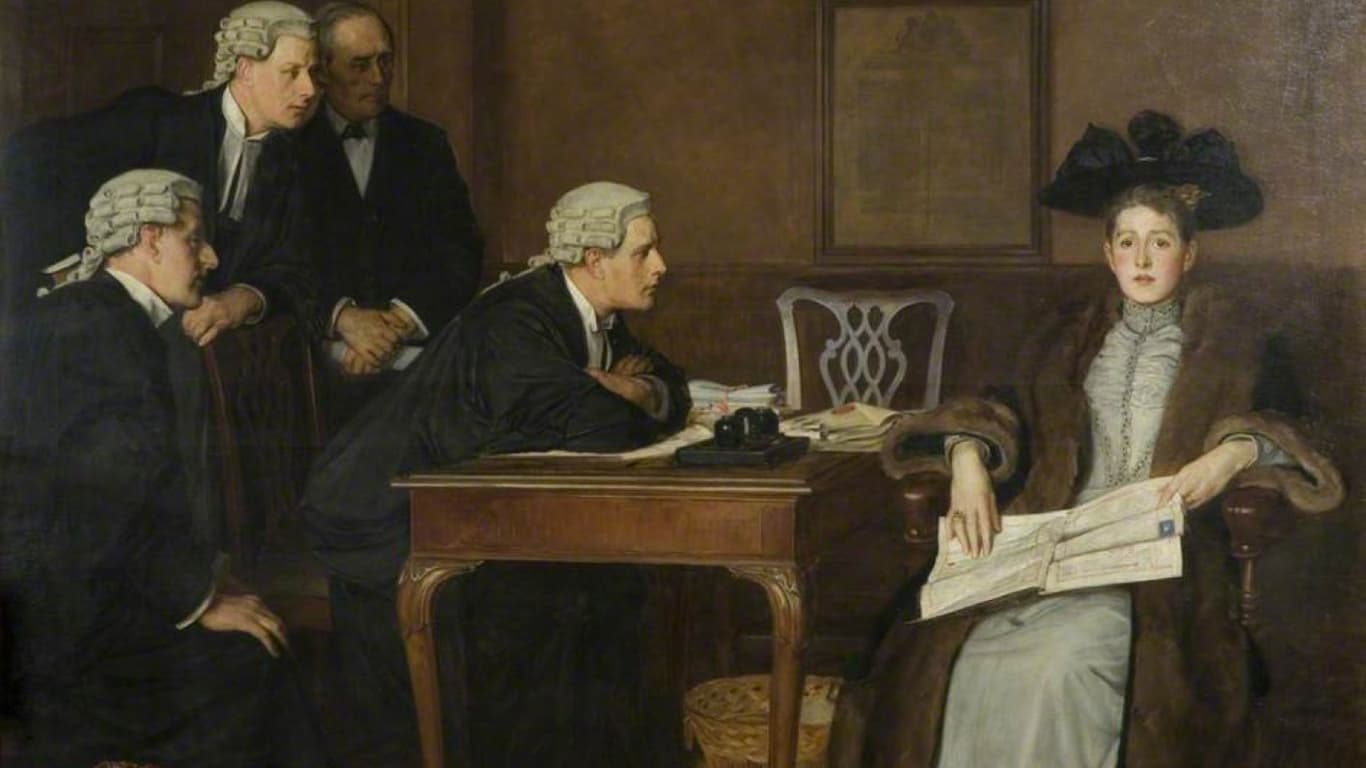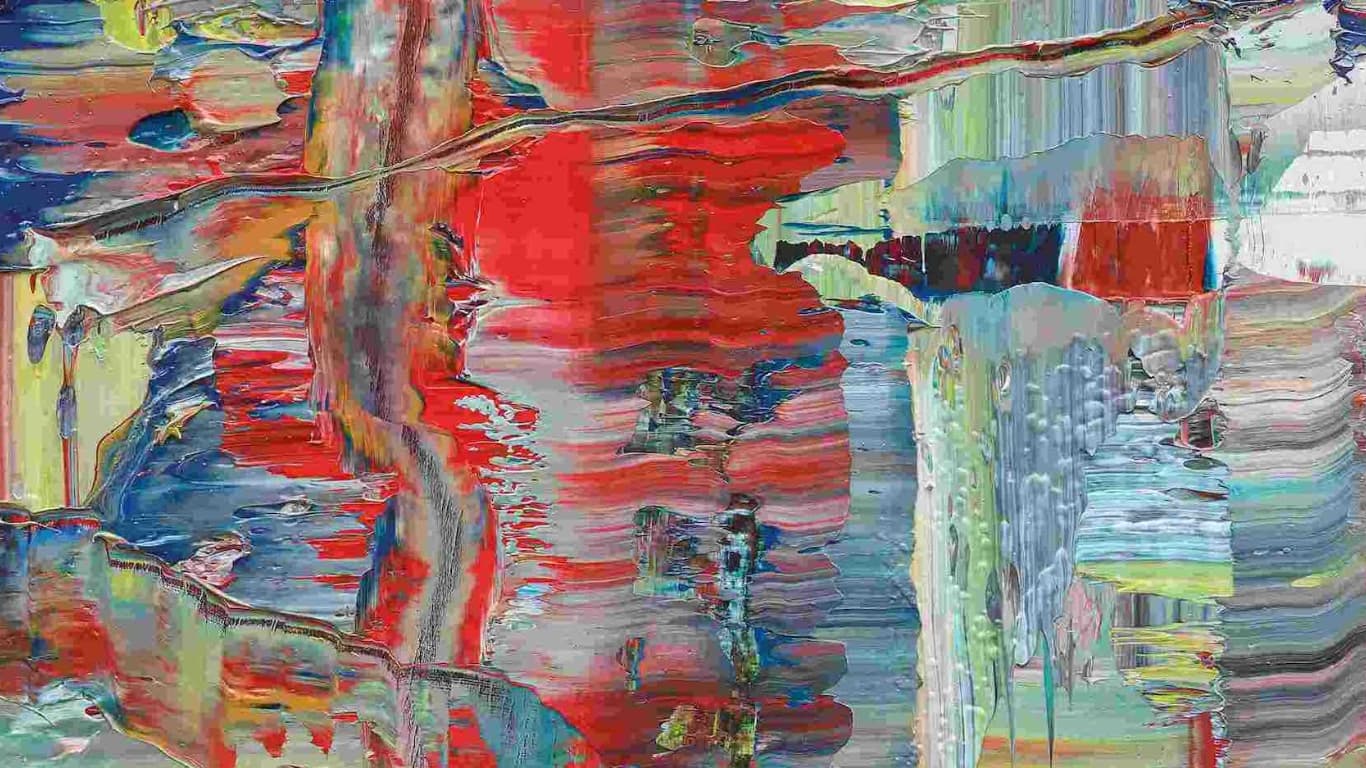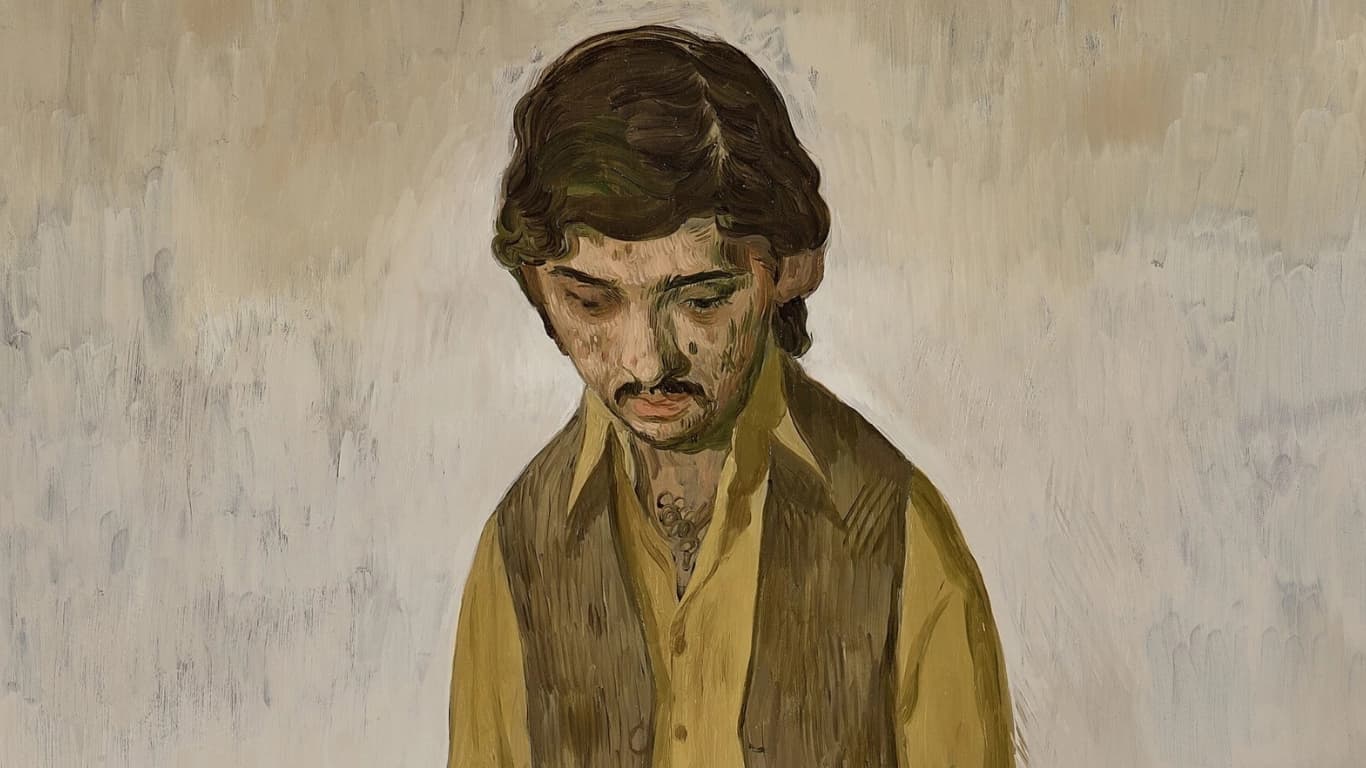
A contemporary portrait sold for over $20 million at Sotheby's New York in 2023, and the trophy figurative-painting record has been resetting upward consistently across the past three seasons. The 2025 UBS / Art Basel Global Art Market Report tracked figurative work as one of the resilient growth segments through a soft year, and the headline numbers reflect a wider shift in what the contemporary market actually values.
Figurative art is the broader category that the contemporary portrait market sits inside. The category covers any work whose primary subject is recognisable from the visible world: figures, landscapes, interiors, still lives. It stands structurally apart from pure abstraction and from the conceptual cohort that defined large parts of the late-20th-century canon.
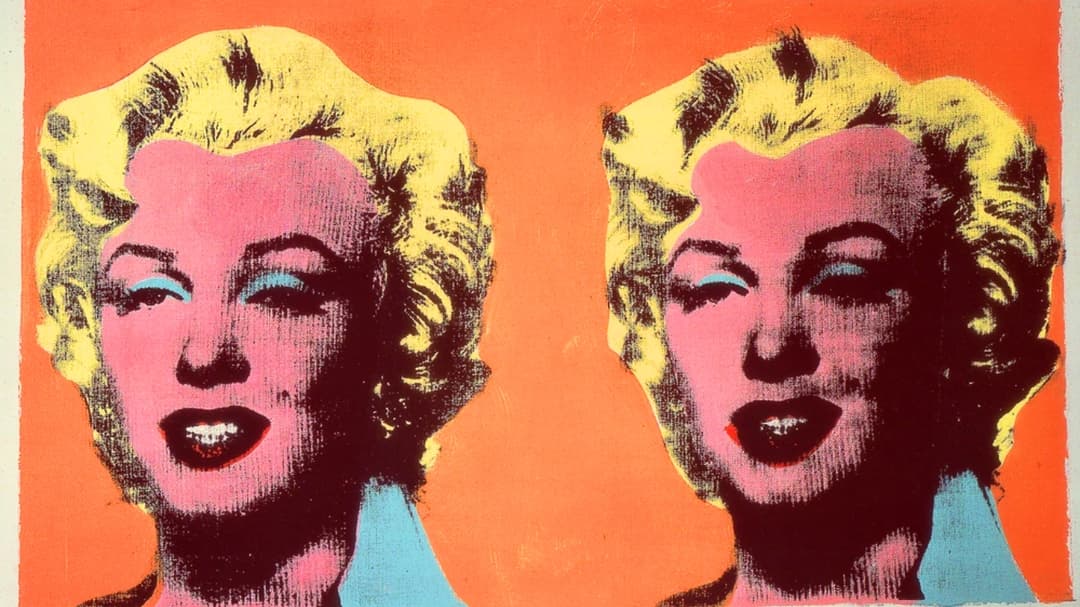
- A contemporary portrait sold for over twenty million dollars at Sotheby’s New York in 2023, and the trophy figurative-painting record has been resetting upward consistently.
- The 2025 UBS and Art Basel Global Art Market Report tracked figurative work as one of the resilient growth segments through a soft year for the broader market.
- Figurative art is the broader category that the contemporary portrait market sits inside, covering any work whose primary subject is recognisable from the visible world.
- The boundary is practical rather than theoretical, covering hyperrealism, loose contemporary expressionism and a vast range of historical European and non-European representation.
- Three structural arguments sustain the trophy market: depth of historical reference, technical depth and institutional support across the Met, Tate, Pompidou and Whitney.
- Lucian Freud, Marlene Dumas, Jenny Saville and Amoako Boafo anchor the contemporary cohort at the top of the auction record across the past several seasons.
- Who is this for?
- Contemporary collectors and advisors interested in what figurative art actually is, why it commands the prices it does and where the structural opportunity sits in 2026.
- What is happening?
- An editorial overview of what figurative art is and why it commands such prices, covering the category definition, the contemporary cohort, the historical anchor and the auction record.
- When did this emerge?
- Most relevant around the May and November contemporary evening sales at Christie’s, Sotheby’s and Phillips and during major figurative-focused museum survey programmes.
- Where is this happening?
- Centred on the New York and London salesrooms at the three major houses, with institutional support from the Met, the Tate, the Pompidou, the Whitney and the major regional museums.
- Why does it matter?
- Understanding what figurative art actually is clarifies why the category commands the prices it does and supports collectors thinking through how to engage with one of the most resilient segments of 2026.
What figurative art actually is
The boundary is more practical than theoretical. Figurative work renders recognisable subject matter at some level of representation, whether realistic, expressive, fragmented or abstracted. The category covers a vast range, from the hyperrealism of contemporary painters working in academic technique to the loose figuration of contemporary expressionism and back into the historical canon of European and non-European representation.
The broader category is older than the specific institutional or critical framing of any particular era. Figurative work runs through Renaissance and Baroque painting, through 19th-century academic practice, through the modernist cohort (Picasso, Matisse, Schiele, the German Expressionists), and through the contemporary cohort working today.
Why figurative art commands the prices it does
Three structural arguments sustain the trophy market. The first is the depth of historical reference. Figurative work sits in direct dialogue with centuries of canonical practice, and the cross-period engagement that defines serious 2026 collections has placed figurative work structurally at the centre of the conversation.
The second is the technical depth. A serious figurative painting requires a level of technical achievement that the market explicitly rewards. The contemporary cohort working at the highest level (Lucian Freud's late practice, the cohort around Jenny Saville, John Currin and Lisa Yuskavage, Marlene Dumas, the generation of younger painters working with serious technical engagement) sits at the top of the contemporary auction record consistently.
The third is institutional support. The Met, the Tate, the Pompidou, the Whitney and the major regional museums have all programmed extensively around figurative work through the past five seasons, and the catalogue scholarship has thickened in parallel.
| Artist | Notable result | House |
|---|---|---|
| Lucian Freud | Multi-million sales across late practice | Sotheby's / Christie's |
| Marlene Dumas | Multiple eight-figure clearings | Christie's / Sotheby's |
| Jenny Saville | Eight-figure trophy results | Sotheby's / Christie's |
| Amoako Boafo | Multiple new highs 2023-2025 | Phillips / Sotheby's |
The contemporary cohort driving the market
The cohort of contemporary figurative painters with serious institutional and market depth is broader than the trophy results alone suggest. Cecily Brown, Tracey Emin in her late painting cycle, Lynette Yiadom-Boakye, Jordan Casteel, the generation around George Condo, Peter Doig in his figurative-landscape practice, Kerry James Marshall, and a wider cohort of mid-career and emerging painters all anchor different points on the curve.
The market reads the cohort through the standard four tests. Depth of institutional record across multiple named museums. Depth of comparable lots across multiple seasons.
Technical achievement evaluated by named specialists. Catalogue scholarship around the practice. Our coverage of contemporary portrait art overlaps materially with the figurative cohort and is worth reading alongside this piece.

The historical anchor still matters
The contemporary figurative cohort runs in dialogue with the broader historical canon rather than against it. The cross-period acquisition pattern in serious 2026 collections explicitly pairs contemporary figurative work with historical figurative work from the Renaissance, Baroque, neoclassical and modernist traditions.
Major museum surveys (the Met's recent paired-period programming, the Tate Britain's contemporary-historical dialogue, the Pompidou's figurative programming) have validated the framing.
The historical anchor sustains the contemporary cohort's market depth. A buyer of a contemporary figurative work is implicitly buying into the long-run institutional and market support that the historical canon provides, in a way that buyers of purely abstract or conceptual contemporary work are not.
What the auction houses are doing differently
The major houses have repositioned around the cohort. Christie's, Sotheby's and Phillips have all run dedicated curated sales placing contemporary figurative work in direct conversation with the historical canon, and the catalogue programming has thickened in parallel. The 2026 sale calendars reflect a market that has structurally engaged with the cross-period framing.
The buyer's-premium structure has also caught up with the broader cohort. Our coverage of the buyer's-premium increases at the major houses reflects part of the broader cost-structure conversation around acquisition at this tier.
How the cohort sits relative to other contemporary categories
Figurative work outperformed pure abstraction at the auction trophy tier through 2024 and 2025. The conceptual and installation cohort lost ground at the speculative end of the contemporary market in ways that figurative work did not. The market has visibly rebalanced towards categories with depth of historical reference and institutional support.
That rebalancing is structural rather than cyclical. The 2025 UBS / Art Basel Global Art Market Report flagged the shift as a multi-year reweighting, and the buyer base supports the framing.
Where the structural opportunity sits
Three segments stand out. The first is the cohort of mid-career figurative painters whose institutional records run ahead of their auction comparables. The historical pattern is that the auction market closes the gap with a meaningful lag, and the lag is the opportunity.
The second is the secondary segment of the historical figurative canon. Renaissance, Baroque, 19th-century academic and modernist figurative work all anchor structurally deep markets, and the cross-period framing has tightened the dialogue between the historical canon and the contemporary cohort.
The third is the cross-period acquisition itself: pairing contemporary figurative work with historical work from a related tradition. Major museum framing has validated the approach, and the secondary-market depth has rewarded it.
What this means for collectors
Figurative art commands the prices it does because it sits at the convergence of historical depth, technical achievement, and contemporary institutional support. The category is no longer a niche conversation against the contemporary mainstream. It is the central conversation of the 2026 market.
Collectors building positions in the category should anchor on the documentary rigour that serious figurative collecting has always required: provenance, condition, exhibition history, institutional record, and depth of recent comparable lots. The frameworks set out in the contemporary art field guide and in our piece on the artists defining the market in 2026 apply directly.
The price the cohort commands is not speculative. It reflects a structural reweighting of the market towards the category with the deepest cross-period engagement, and the reweighting is unlikely to reverse.
Frequently asked questions
What separates figurative art from other contemporary categories?
The defining feature is recognisable subject matter: figures, landscapes, interiors, still lives, at any level of representation from hyperrealism to loose figuration. The category sits in direct dialogue with centuries of historical practice, which differentiates it structurally from pure abstraction and from the conceptual cohort.
Why has figurative work outperformed abstraction in the recent cycle?
The market has reweighted towards depth of historical reference, technical achievement, and institutional support. The 2025 UBS / Art Basel Global Art Market Report tracked the shift across multiple cycles, and the buyer base has supported the framing. The contemporary figurative cohort with serious institutional records has benefited disproportionately.
Which contemporary figurative artists are driving the market?
The trophy cohort includes Lucian Freud's late practice, Jenny Saville, Marlene Dumas, John Currin, Lisa Yuskavage, Cecily Brown, Lynette Yiadom-Boakye, Amoako Boafo and Jordan Casteel. The wider cohort of mid-career and emerging painters with thickening institutional records sits structurally one tier earlier on the curve.
How should a collector approach the cross-period figurative acquisition?
Through the institutional framing that major museums have validated: pairing a contemporary figurative work with a historical figurative work from a related tradition. The Met, the Tate Britain and the Pompidou have all run survey programming that supports the approach, and serious private collections have followed the same framing with structurally consistent results.
We last reviewed this analysis in May 2026.


Stefanos Moschopoulos
Stefanos Moschopoulos founded The Luxury Playbook in Athens and has spent the better part of a decade following the auction calendar, the en primeur releases, and the watchmakers, gallerists, and shipyards the magazine covers. He writes the field guides and listicles that anchor the Connoisseur section — pieces built on Phillips and Christie's results, Liv-ex movements, and conversations with collectors he has met across Geneva, Bordeaux, Basel, and Monaco. His own collecting habits sit closer to watches and wine than art, and it shows in the level of detail in the magazine's coverage of those categories. Under his direction, The Luxury Playbook now publishes long-form field guides, market-defining year-end listicles, and the Voices interview series with the founders behind the houses and the brands.