
The Abu Dhabi real estate market in 2026 sits at a decisive inflection point. Government-led diversification efforts, population expansion, and a sharp focus on strategic urban planning are driving a clear transformation, one that is redefining asset values, rental dynamics, and investor priorities.
As the political and administrative capital of the UAE, Abu Dhabi keeps drawing global investors who want long-term security, consistent yields, and exposure to a steadily growing urban economy.
Residential property values across the emirate have shown firm performance despite global headwinds, including elevated interest rates and inflationary pressures. That resilience is backed by low transaction volatility, high-end development in coastal and cultural districts, and a stable job market anchored in government, defense, energy, and healthcare sectors.
For investors, the market has shifted toward identifying mid-tier zones with genuine growth momentum, mapping yield resilience, and positioning assets to benefit from the emirate’s expanding infrastructure footprint.
Rental demand is solid. Population growth, affordable luxury offerings, and a growing cohort of expatriates choosing long-term leasing over ownership are all feeding into it. As more residents delay purchases amid rising borrowing costs, lease demand is expected to stay strong, particularly in mixed-use developments and communities offering modern amenities. If you want to understand how to choose the right home loan before committing, that decision is worth getting right from the start.
Several key neighborhoods have already reported year-over-year rent growth exceeding 5%. That signals a healthy, income-focused market for real estate investors who know where to look.
Table of Contents
Overview of The Abu Dhabi Real Estate Market
As of early 2026, the Abu Dhabi real estate market is demonstrating sustained stability and moderate growth, underpinned by increased investor confidence and well-calibrated government policy. Residential property prices have risen at a measured pace, with average values for apartments and villas showing a 3.9% year-over-year increase.
That positive momentum reflects resilient demand from both end-users and institutional investors, particularly in freehold zones such as Al Reem Island, Saadiyat Island, and Yas Island.
The current median listing price for residential units sits at AED 1.55 million, while the median sold price is approximately AED 1.48 million. That modest gap between asking and transacted values tells you this is a balanced market, where buyer and seller leverage are relatively even.
Pricing strength is most visible in waterfront and lifestyle-oriented communities. Peripheral districts are also starting to see uplift from infrastructure expansion and new development launches, so the opportunity set is widening.
Transaction activity has stayed firm. Average time on market has dropped to 42 days, down from 51 days a year ago. Active listings have slightly declined, signaling tighter inventory in some submarkets. And nearly 33% of homes are selling at or above asking price, which tells you competition is real, especially for newer and well-located inventory.
The average price per square meter across Abu Dhabi sits at approximately AED 15,900 (around USD 4,328). Premium locations such as Saadiyat and Al Maryah Islands push past AED 18,000 per square meter. Emerging zones like Al Ghadeer and Masdar City offer more accessible pricing under AED 9,000 per square meter, making them attractive for investors targeting capital appreciation and rental yield. Understanding the 70% rule in real estate investing can help you pressure-test whether those entry-level price points genuinely stack up.
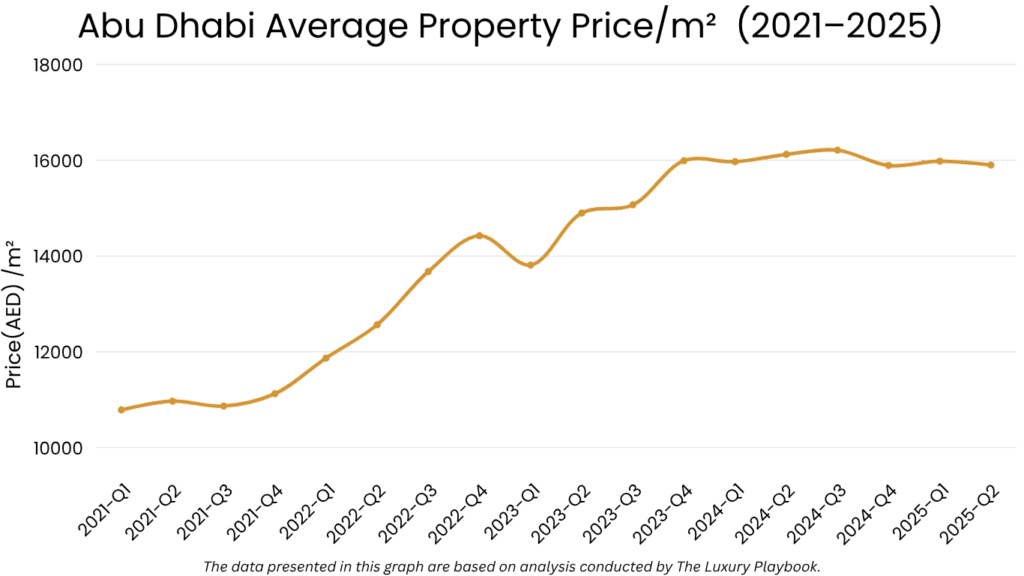
- Residential prices up 3.9% YoY, led by growth in freehold lifestyle districts.
- Median listing price at AED 1.55M, with narrowing gaps between list and sale prices.
- Homes selling in 42 days on average, signaling improved transaction velocity.
- 33% of listings closing at or above asking, indicating localized competition.
- Price per square meter ranges from AED 9,000 to AED 16,000, depending on location and product type.
The Abu Dhabi housing market in 2026 offers a steady and investor-aligned environment. With moderate price appreciation, active sales momentum, and an increasingly diversified demand base, you have clear opportunities for strategic positioning if your focus is medium to long term.
Neighborhood Analysis
Abu Dhabi is made up of a wide variety of residential districts, each with different market conditions, pricing dynamics, and long-term investment profiles. Knowing the unique positioning of these neighborhoods is essential if you want to align asset selection with specific financial objectives, whether yield-focused, value-driven, or capital appreciation-oriented.
Al Reem Island
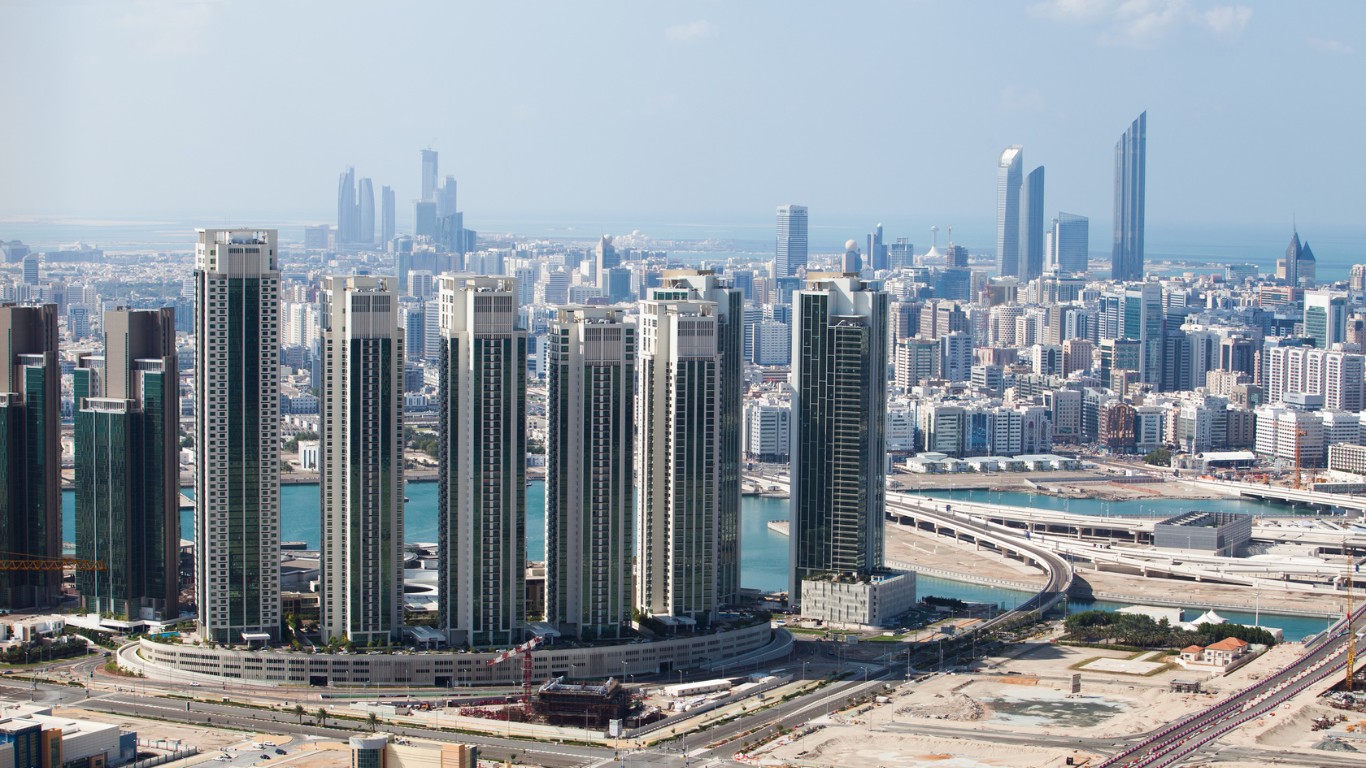
Al Reem Island ranks among the most in-demand residential zones in Abu Dhabi. Known for its high-rise skyline, waterfront views, and proximity to the central business district, it pulls in professionals, families, and long-term tenants consistently.
The median home price in Al Reem Island sits at approximately AED 1.4 million, reflecting a 4.2% year-over-year increase. Apartments in newly completed towers are leasing quickly, while resale activity has picked up in secondary inventory. Strong community infrastructure and connectivity keep driving both capital interest and rental appeal.
The area maintains solid pricing power, with properties selling in under 40 days on average and high absorption rates for mid-size units.
Yas Island
Yas Island has evolved from a leisure destination into a well-integrated residential and investment hub. Its appeal is enhanced by direct access to retail, schools, healthcare, and entertainment venues including Yas Mall and Ferrari World.
The median home price on Yas Island stands at AED 2.3 million, with values up 5.1% compared to the same period a year ago. Villas and townhouses are particularly sought after by families, while new apartment launches attract both local buyers and international investors.
Investor interest stays high, with short-term rental performance proving resilient thanks to the island’s draw for tourists and business travelers alike.
Saadiyat Island
Saadiyat Island sits at the luxury end of the Abu Dhabi real estate spectrum. Home to cultural institutions, beachfront resorts, and elite residential enclaves, it appeals to high-net-worth individuals and end-users seeking genuine exclusivity. Ultra-wealthy investors looking to diversify beyond traditional financial assets often find Saadiyat’s combination of scarcity and prestige a compelling fit.
The median property price currently sits at AED 5.6 million, showing a 3.6% annual rise. Despite those elevated price points, demand stays steady due to limited supply and the island’s positioning as a long-term wealth preservation location.
Saadiyat offers slower percentage appreciation, but the absolute gains on high-value assets are meaningful, making it a strategic option for capital-focused investors with a long time horizon.
Al Ghadeer
Al Ghadeer is gaining real attention as a value-driven investment zone. Located near the Dubai border, it appeals to commuters and price-conscious buyers looking for affordable, master-planned living.
The median price here is approximately AED 720,000, with a 4.7% increase year-over-year. Developments include a mix of townhouses and low-rise apartments, often yielding stronger returns due to the area’s lower entry point and growing tenant base.
Neighborhood Median Prices and Price per Square Meter
Abu Dhabi Neighborhood Median Prices and Price per Square Meter
Abu Dhabi Rental Market Overview
The Abu Dhabi rental market in 2026 is robust and well-balanced, underpinned by stable demand, attractive yields, and a growing expatriate population. As elevated interest rates delay homeownership for many residents, the rental segment keeps absorbing new demand, particularly in mid-market and waterfront communities.
Across the emirate, average residential rents have increased by 3.6% year-over-year. That growth is supported by a steady inflow of professionals in government, energy, and finance, alongside a rising number of remote workers and digital entrepreneurs opting for long-term leases in serviced communities.
Average Rent Prices by Unit Type
- Studio Apartments: AED 43,000/year (~USD 11,700)
- 1-Bedroom Apartments: AED 64,000/year (~USD 17,400)
- 2-Bedroom Apartments: AED 92,000/year (~USD 25,000)
- 3-Bedroom Apartments: AED 128,000/year (~USD 34,800)
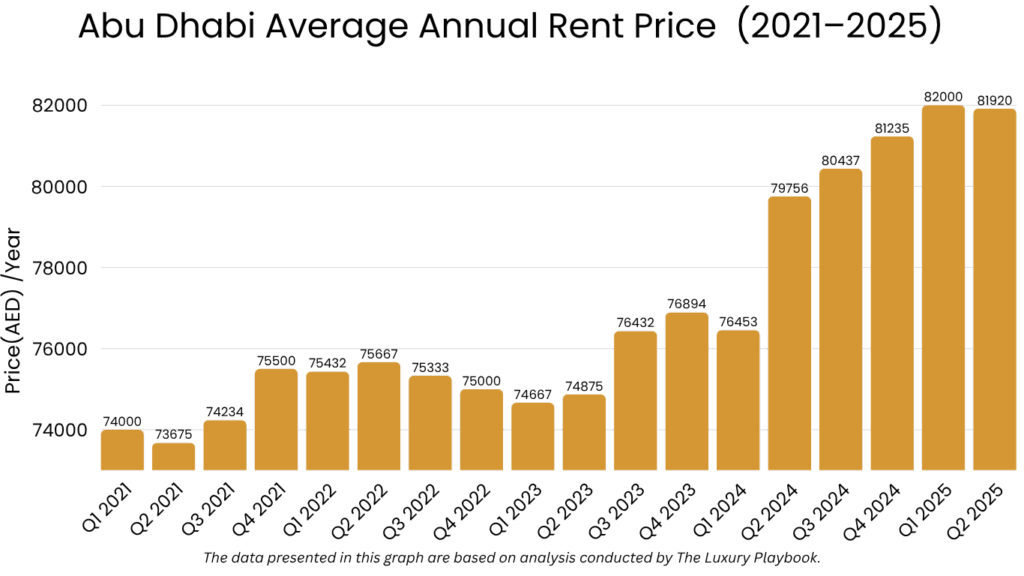
Rents in premium areas such as Saadiyat Island and Yas Island run considerably higher. One-bedroom apartments in those locations can command between AED 90,000 and AED 115,000 per year, while waterfront villas can exceed AED 300,000 annually.
On the other end of the spectrum, more affordable communities like Al Ghadeer and Khalifa City offer entry-level leases for studios starting at AED 30,000 per year, with strong tenant uptake driven by their accessibility and infrastructure.
Rent by Neighborhood
- Al Reem Island: 1-bedroom rents average AED 70,000/year, supported by strong expat demand and amenities.
- Yas Island: 2-bedroom units lease for around AED 110,000/year, bolstered by short-term stay appeal and family-friendly facilities.
- Saadiyat Island: Villas lease for over AED 300,000/year, attracting diplomatic, executive, and luxury tenants.
- Al Ghadeer: Studios and 1-bedrooms average AED 30,000–45,000/year, offering affordability with growth upside.
- Al Raha Beach: 3-bedroom apartments lease for AED 150,000/year, driven by waterfront location and premium finishes.
Vacancy Rates and Rental Market Dynamics
Vacancy rates in Abu Dhabi average around 5.2%, though they drop below 4% in high-demand districts like Al Reem Island and Yas Island. New handovers stay limited in many areas, contributing to ongoing upward pressure on rents. Developers keep prioritizing luxury inventory, which has done little to ease constraints in the mid-market segment.
Rental contracts are also trending longer, with many landlords favoring 12 to 24 month agreements to secure income stability. That shift reflects a tenant base increasingly viewing Abu Dhabi as a long-term home rather than a transient posting.
Drivers of Rental Demand
Strong rental demand in Abu Dhabi is driven by a combination of factors worth understanding before you allocate capital. A growing expatriate workforce in energy, government, and finance sectors creates consistent lease demand. Visa reforms and long-term residency programs are encouraging more professionals to plant roots rather than rotate out. And the affordability gap between buying and renting, in a high-rate environment, keeps pushing qualified residents toward leasing rather than ownership.
- Delayed Homeownership: High mortgage rates keeping buyers in the rental market longer.
- Job Market Growth: New roles in healthcare, education, logistics, and the public sector increasing housing demand.
- Expat Residency Incentives: Long-term visas and retirement residency programs boosting tenant retention.
- Lifestyle-Oriented Living: Modern mixed-use communities offering attractive live-work-play environments.
Overall, Abu Dhabi’s rental market in 2026 offers a favorable environment for landlords and investors. Yields stay competitive, tenant demand is broad-based, and the right neighborhoods keep outperforming. Rental income is a genuine pillar of any serious investment strategy in this capital.
Factors Influencing The Abu Dhabi Housing Market
The Abu Dhabi housing market in 2026 is shaped by a focused blend of policy reforms, demographic growth, and macroeconomic stability. These forces define the emirate’s market trajectory and are essential to understanding pricing behavior, investment returns, and future expansion potential. According to Reuters, UAE real estate continues to attract significant foreign capital as global investors seek politically stable, tax-efficient markets.
- High Mortgage Rates: Home financing rates remain elevated, with most borrowing offers in the 5.25% to 5.75% range. These conditions are limiting affordability and deferring many would-be buyers into the rental segment. As a result, leasing activity remains strong, while ownership demand is concentrated among high-income buyers and investors with cash liquidity.
- Limited New Supply: Although project launches continue, the actual handover of completed units—particularly in the affordable and mid-tier segments—remains limited. Developers continue to focus on luxury assets, creating a mismatch between demand and supply. This has resulted in rising prices and rental pressure in communities with established infrastructure and services.
- Population Growth and Long-Term Residency: Abu Dhabi’s population continues to grow, driven by foreign direct investment, public sector expansion, and the success of residency programs such as the Golden Visa and retirement visas. Expatriates now see the emirate as a long-term home, fueling demand for both owner-occupied and rental properties in well-developed neighborhoods.
- Strong Public Sector and Infrastructure Expansion: Ongoing public investment in healthcare, education, transport, and culture is reshaping demand centers. Major developments—including new highways, cultural districts, and public-private partnerships—are enhancing connectivity and improving liveability in outer districts. These upgrades are pushing demand into communities like Al Ghadeer, Al Reef, and Masdar City.
- Consistent Foreign Investor Activity: Abu Dhabi continues to attract foreign buyers due to its reputation for political stability, low crime, and economic reliability. With no property taxes or capital gains taxes, the emirate offers international investors a secure environment for long-term capital preservation. Investment volumes are increasing from India, China, the UK, and Europe, particularly in freehold zones.
- Lifestyle-Led Demand: There is increasing demand for homes in communities offering wellness, walkability, and access to amenities. Integrated developments in Yas Island, Al Raha Beach, and Saadiyat Island cater to this shift, attracting both local and international buyers seeking high-quality living standards.
Abu Dhabi Housing Market Forecast for 2026
Looking at the road ahead, the Abu Dhabi housing market is expected to keep its upward trend, though the pace of growth is projected to be more measured than in previous years. Market fundamentals stay strong, driven by supply constraints, long-term residency incentives, and consistent capital inflows.
The outlook is positive. But price increases are expected to be gradual, aligning with broader economic stabilization rather than a speculative run.
Residential property prices in Abu Dhabi are forecast to rise by 3% to 5% over the next 12 months. With the current median home price at AED 1.55 million, that growth would place average values between AED 1.6 million and AED 1.63 million by late 2026. The strongest gains are likely in Yas Island, Al Reem Island, and emerging value markets such as Al Ghadeer and Masdar City.
Inventory levels are expected to stay tight. Several high-profile projects are scheduled for handover in 2026, but most are concentrated in the luxury segment. Mid-tier and affordable housing supply stays underdeveloped, supporting competition and price resilience in those categories.
Neighborhoods with completed infrastructure, family amenities, and community-focused layouts will likely lead in price appreciation. That’s the profile you want to screen for.
The rental market is also forecast to grow steadily. Rents are expected to increase by 3% to 4%, supported by a persistent affordability gap and strong tenant demand. One-bedroom apartments may average AED 66,000 to AED 68,000 per year, while two-bedroom units could reach AED 95,000 to AED 100,000 per year in centrally located communities. The Financial Times has noted that Gulf real estate markets are among the few globally where rental yields are compressing slowly, preserving investor income in a way most Western markets cannot.
Vacancy rates are projected to stay low, particularly in mixed-use zones and lifestyle communities. Limited new rental stock and extended lease terms are expected to maintain upward pressure on pricing, especially in family-oriented areas.
Economically, Abu Dhabi is well-positioned. Growth in energy, logistics, and technology sectors keeps supporting employment and housing demand. Government investment in cultural and transport infrastructure adds to the city’s long-term appeal for both domestic and international residents.
Demographic momentum strengthens the outlook further. Visa reforms, job creation, and sustained in-migration are expected to drive both leasing and ownership demand across a wide range of product types and price points. If you’re thinking about how Abu Dhabi compares to other high-growth real estate markets, the Barcelona real estate market overview offers a useful European counterpoint on where capital is moving globally.
Is It Worth Buying a Property in Abu Dhabi?
For buyers and investors with a long-term perspective, purchasing property in Abu Dhabi in 2026 is a strategically sound decision. Despite elevated borrowing costs and rising prices in prime areas, the market offers a favorable mix of yield reliability, price appreciation, and policy-driven stability.
Home prices are projected to rise by 3% to 5% through 2026, supported by low inventory levels, demographic expansion, and consistent investor confidence. In neighborhoods such as Al Reem Island, Yas Island, and Al Ghadeer, appreciation is expected to outpace the citywide average, offering real upside potential for both short and mid-term holders.
Rental demand keeps supporting strong investment returns. With average yields ranging from 6% to 8%, you benefit from low vacancy rates and extended tenancy durations. In high-demand communities, one-bedroom units are leasing for over AED 66,000 per year, while two-bedrooms approach AED 100,000 per year, making them appealing for income-focused strategies. Bloomberg has flagged Abu Dhabi as one of the top-performing real estate markets globally by yield-to-price ratio among major capital cities.
Upfront costs and transaction fees are real factors to weigh. But waiting could cost you entry advantages. If interest rates decline through 2026, pent-up buyer demand may return fast, increasing competition and pushing prices higher. Buyers who move now may lock in favorable pricing and refinance later under more flexible lending conditions.
Abu Dhabi’s investor-friendly policies are genuinely hard to match globally. Zero property tax, zero capital gains tax, and full foreign ownership in designated zones give you a level of financial efficiency that most markets simply cannot offer. If tax efficiency across borders interests you, it’s worth comparing these advantages against the best tax haven European countries to see where your capital works hardest.
For investors prepared to hold their asset for five to ten years, Abu Dhabi’s real estate market offers a compelling balance of income, appreciation, and regulatory clarity. It’s a high-quality long-term play, full stop.
Other Market Forecasts & Overviews
Dubai Real Estate Market Overview & Forecast
Sharjah Real Estate Market Overview & Forecast
Al Ain Real Estate Market Overview & Forecast
FAQ
Are property prices in Abu Dhabi expected to rise in 2026?
Yes. Property prices are forecast to increase by 3% to 5% through 2026, driven by limited supply and steady demand.
Is Abu Dhabi a good place to invest in real estate?
Yes. Abu Dhabi offers high rental yields, capital appreciation potential, and a tax-free environment for investors.
What are the best areas to invest in Abu Dhabi property?
Top areas for investment include Yas Island, Al Reem Island, Al Ghadeer, and Saadiyat Island.
Is it better to buy property in Abu Dhabi now or wait?
Buying now offers the advantage of lower competition before prices rise. Rate drops in 2026 could increase buyer activity.
Does Abu Dhabi have property taxes or capital gains taxes?
No. Abu Dhabi has no property tax, no capital gains tax, and offers full foreign ownership in freehold zones.