Dubai’s real estate market in 2026 is entering a phase of calculated momentum, shaped by regulatory clarity, rapid infrastructure expansion, and shifting global capital flows. After a record-breaking 2023 and a slightly cooled but still active 2024, the city has moved from a speculative surge into a more stable and strategic investment environment.

This shift matters most if you’re an institutional or high-net-worth investor. The emirate recorded over AED 430 billion in real estate transactions in 2024, and off-plan sales stayed strong into Q2 2026. What you get here is a rare combination of high liquidity, zero property taxes, and net yields that often run between 6% and 9%, depending on the asset class and location.

Demand is increasingly coming from buyers thinking long-term, drawn in by residency incentives like the Golden Visa and a diversified wave of capital from Europe, Russia, India, and East Asia. Unlike previous cycles, this growth is being fueled by end-user demand and yield-seeking investors, not short-term flippers chasing a quick exit.

The 2026 market also shows a clear split. Premium neighborhoods are offering capital preservation and steady appreciation, while emerging areas are delivering the kind of rental income that makes yield-focused investors take notice.

Overview of The Dubai Real Estate Market

As of Q2 2026, Dubai’s real estate market is showing steady expansion across the board, with high transaction volumes, resilient pricing, and a genuinely diversified investor base. The emirate recorded over AED 120 billion in residential sales during the first quarter alone, an 18% increase compared to Q2 2024, driven by sustained demand in both off-plan and ready property segments.

Average residential prices across the city rose by around 5.6% year-over-year, with apartment prices climbing a more modest 4.2% and villa prices up 7.9%. That villa premium is no coincidence. Supply in prime villa communities is tight, and absorption rates in emerging areas are high, which together keep upward pressure on values.

The average price per square meter for residential property in Dubai sits at roughly AED 16,924, or about USD 4,580, though that number moves considerably depending on where you’re looking and what you’re buying.

Premium zones like Downtown Dubai and Palm Jumeirah push past USD 6,000 per sqm. Suburban developments in areas like Dubailand and Jumeirah Village Circle come in closer to USD 2,200 to 2,800 per sqm, which is where yield-driven investors tend to find their best entry points. If you want to explore how DAMAC Properties is positioning itself across these segments, it’s worth understanding their project pipeline before committing.

Inventory is healthy but tightening. New listings have plateaued compared to mid-2024 levels, as developers focus on phased launches aligned with actual buyer demand. Properties are also selling faster, averaging 34 days on the market compared to 46 days a year ago. That gap tells you buyers are moving with more urgency.

Foreign investors account for nearly 58% of all residential transactions. Indian, Russian, British, Chinese, and German buyers lead the way, pulled in by the UAE’s tax advantages, political stability, and a lifestyle that frankly competes with anywhere in the world.

The current investment climate is defined by a few standout characteristics worth knowing before you deploy capital.

  • Price Appreciation – Residential values up 5.6% YoY, with villas leading growth.
  • High Foreign Demand – Over half of transactions involve international buyers.
  • Market Liquidity – Over AED 120 billion in residential sales in Q2 2025.
  • Tightening Supply – Average time-on-market reduced to 34 days.
  • Strong Price/Square Meter Ranges – From USD 2,200 to 6,000/sqm, offering flexibility by submarket.

Dubai’s housing market in 2026 is settling into a mature, investor-oriented environment that balances stable returns with moderate capital growth. If you’re buying, the edge comes from submarket selection and a clear asset strategy. If you’re selling, competitive pricing and value enhancement are your most important levers in a market driven by data, yield, and global demand. You can also dig into the latest Dubai real estate market trends and investment outlook for a deeper read on where momentum is building.

Dubai Real Estate Market

Neighborhood Analysis

Dubai is made up of a wide array of residential districts, each with its own investment profile, price point, and demand dynamic. These differences matter enormously if you’re trying to position yourself strategically in a market where value, yield, and long-term appreciation can vary widely from one neighborhood to the next.

Downtown Dubai

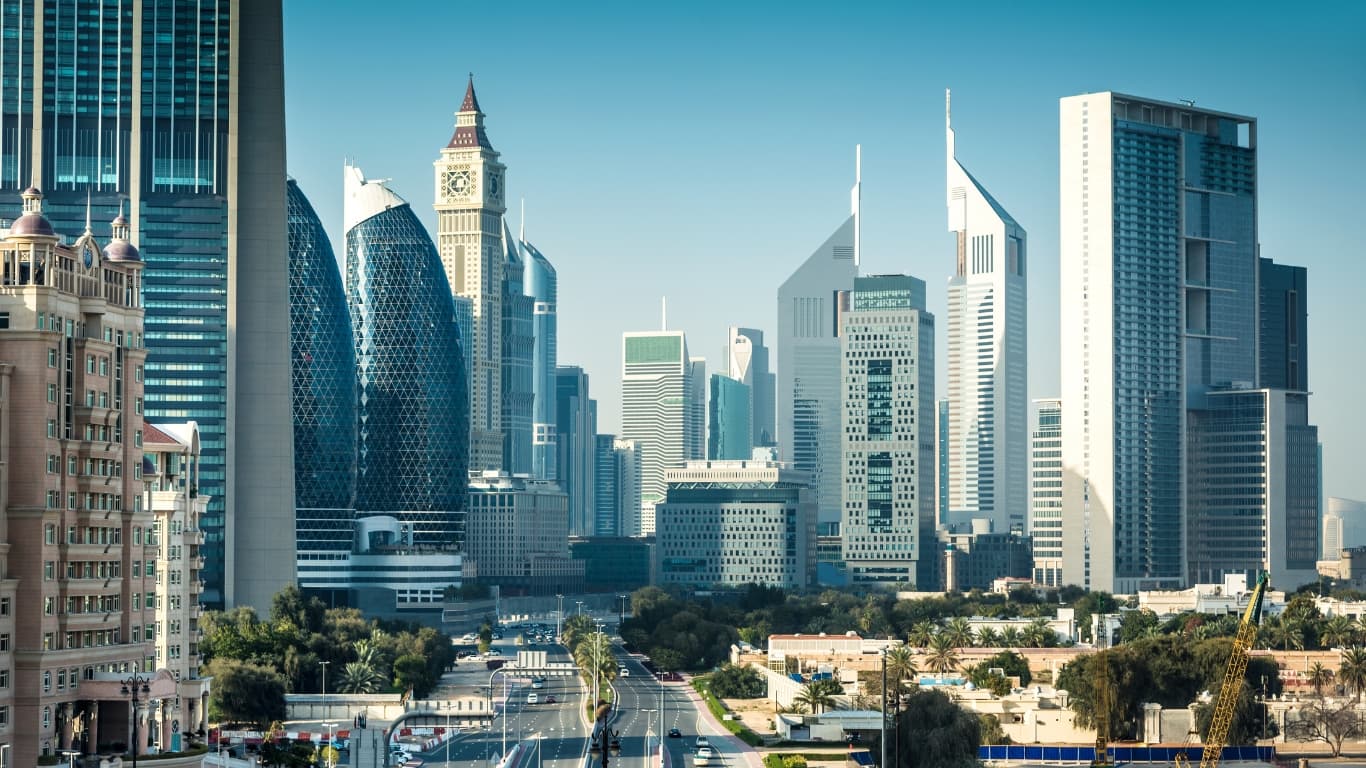
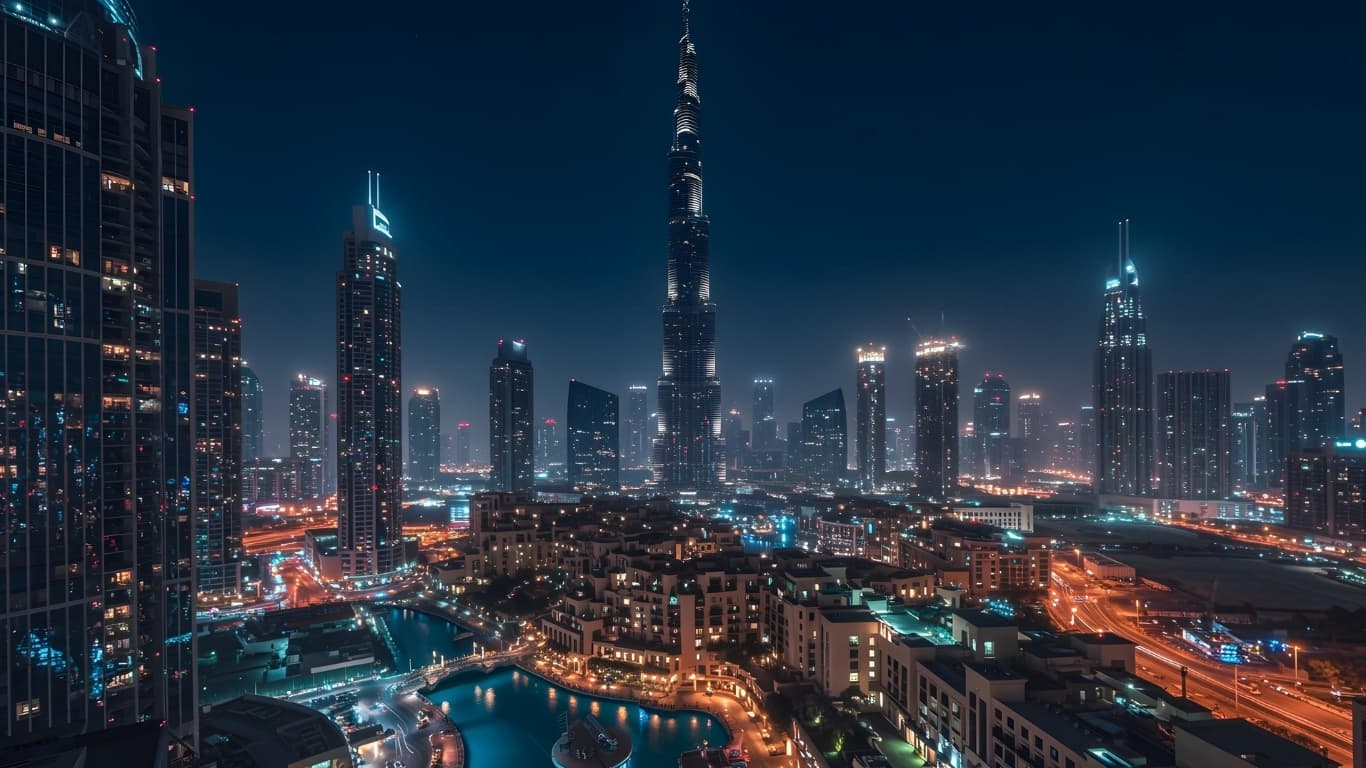
Downtown Dubai is one of the most iconic and consistently high-performing districts in the city. Its proximity to the Burj Khalifa, Dubai Mall, and DIFC draws institutional investors, senior executives, and affluent international buyers who prioritize long-term asset stability over short-term yield maximization.

The median home price in Downtown Dubai sits at roughly AED 3.4 million, up 5.8% year-over-year. Properties here tend to transact near asking price, and demand stays resilient because new inventory is genuinely limited. Homes sell quickly, supported by high liquidity and strong investor confidence. Gross rental yields are moderate, but capital preservation is the real draw for anyone playing the long game.

Palm Jumeirah

Palm Jumeirah stands apart as one of Dubai’s most exclusive beachfront communities. It attracts high-net-worth buyers from Europe, Russia, and the GCC, many of whom are purchasing for lifestyle or legacy reasons rather than yield alone.

The median property price on Palm Jumeirah is around AED 8.2 million, with 4.1% year-over-year appreciation. Properties here often feature bespoke architecture and private beach access, and cash transactions are common at this level. Entry prices are high, but rental demand for luxury villas and branded residences stays strong, offering stable mid-single-digit returns alongside prestige-driven capital growth. Knight Frank’s Wealth Report consistently ranks Palm Jumeirah among the world’s top ultra-prime residential destinations.

Dubai Marina

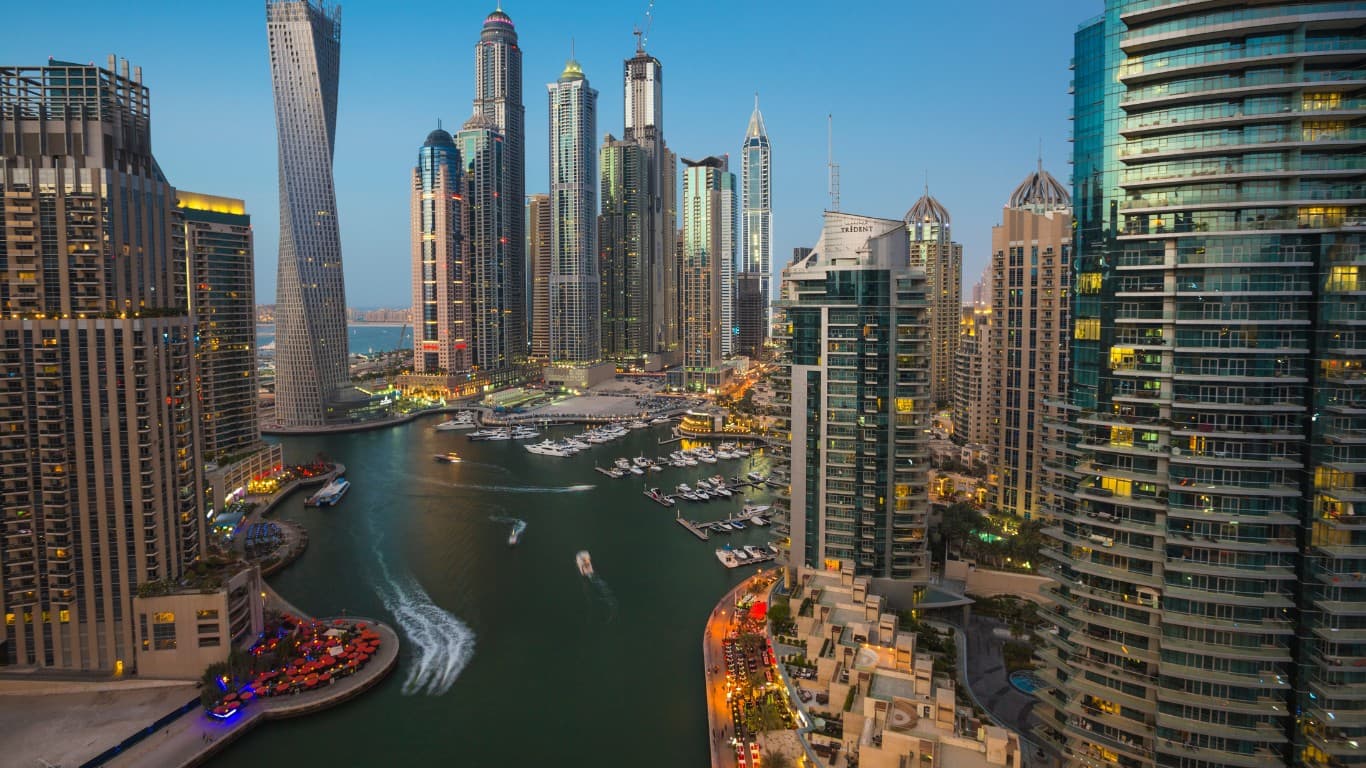
Dubai Marina is one of the most popular residential hubs for expats and young professionals. The waterfront promenade, retail options, and vibrant social scene make it a consistent top performer for both owner-occupiers and rental investors.

The median home price in Dubai Marina is AED 2.1 million, up 6.2% year-over-year. Rental absorption is strong, especially for one- and two-bedroom apartments, and the area benefits from a dense mix of residential towers and hospitality assets. If your strategy involves short-term leasing or serviced apartments, Marina’s consistently high occupancy and turnover rates make it one of the most compelling setups in the city.

Business Bay

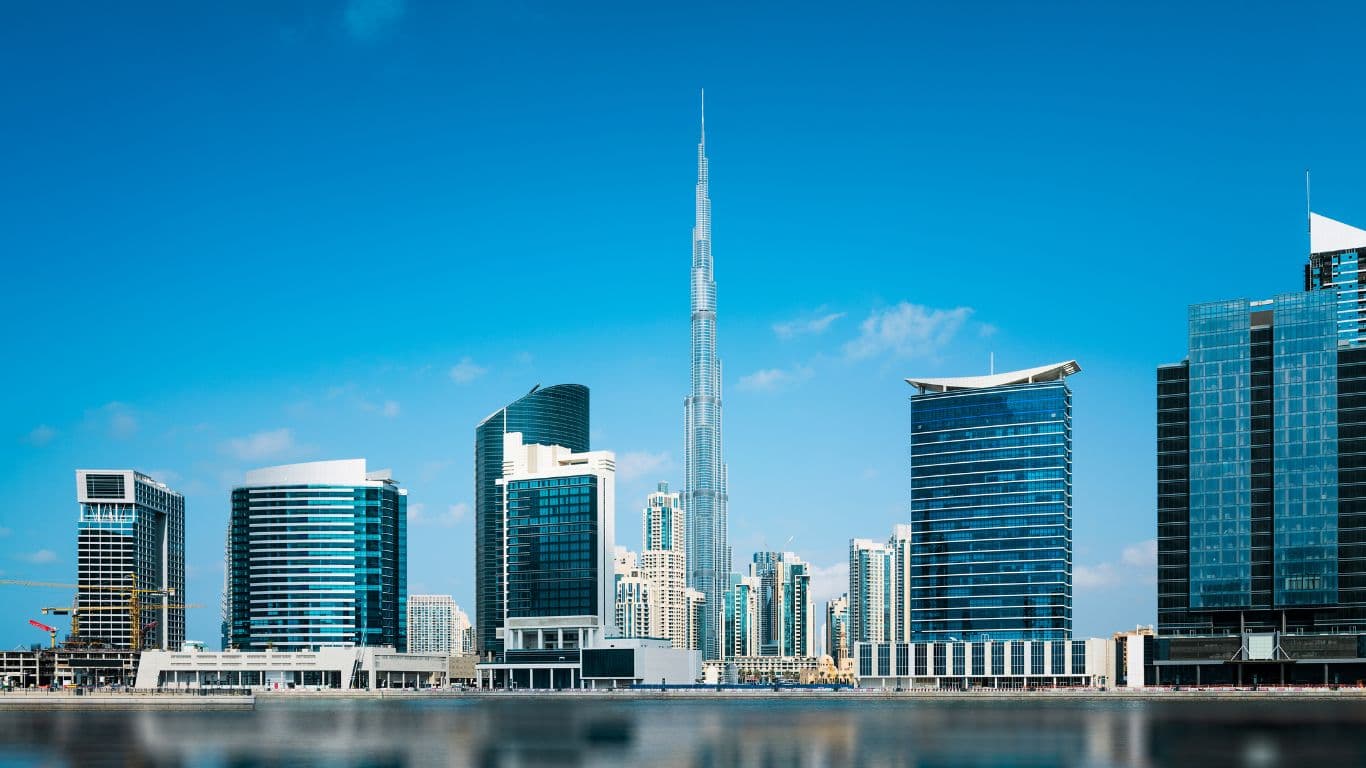
Adjacent to Downtown Dubai, Business Bay is rapidly becoming a mixed-use powerhouse. It blends commercial towers, high-rise residences, and branded developments into a location that professionals and executives are increasingly choosing as their base.

The median property price in Business Bay is AED 1.8 million, up 5.5% from Q2 2024. Strong infrastructure, canal views, and proximity to major business districts make it a natural fit for buyers who want both residential appeal and commercial connectivity. New projects here lean into modern design, smart technology, and hospitality-driven amenities, which is pushing appreciation potential above average.

Dubai Hills Estate

Dubai Hills Estate delivers a suburban luxury lifestyle with golf course views, international schools, and hospital access nearby. Developed by Emaar, it pulls in families and long-term residents who want villa community living without being far from central Dubai.

The median price in Dubai Hills is AED 3.7 million, up 4.6% year-over-year. The master-planned layout, wide green spaces, and consistently high build quality all contribute to stable demand. Rental uptake among well-paid professionals and expatriates looking for long-term accommodation with real lifestyle benefits keeps this area performing reliably.

Neighborhood Median Prices and Price per Square Meter

Dubai Neighborhood Median Prices and Price per Square Meter

Dubai Rental Market Overview

Dubai’s rental market in 2026 is performing strongly, underpinned by sustained population growth, limited housing supply in key segments, and elevated barriers to homeownership. Rent growth has moderated compared to 2023’s sharp spikes, but this is still one of the most attractive rental markets globally for investors chasing high-yield returns.

As of Q2 2026, average residential rents have increased by 4.2% year-over-year. That growth is concentrated in communities close to transit corridors, employment zones, and lifestyle hubs, where demand from working professionals and high-earning expats keeps absorption tight.

Average Rent Prices in Dubai

  • Studio Apartments: AED 54,000 per year (USD ~14,700)

  • One-Bedroom Apartments: AED 78,000 per year (USD ~21,200)

  • Two-Bedroom Apartments: AED 115,000 per year (USD ~31,250)

  • Three-Bedroom Apartments: AED 165,000 per year (USD ~44,800)

Premium communities like Palm Jumeirah and Downtown Dubai have seen rents stabilize, while emerging areas such as JVC and Al Furjan are still posting annual rent growth above 5%, driven by affordability and new infrastructure investment. Reuters coverage of the Middle East economy has flagged Dubai’s rental market as one of the most resilient in the region heading into 2026.

Rent by Neighborhood

  • Downtown Dubai: One-bedroom units average AED 115,000/year, supported by consistent executive-level demand and proximity to DIFC.

  • Palm Jumeirah: Two-bedroom units average AED 220,000/year, driven by beachfront appeal and luxury lifestyle demand.

  • Dubai Marina: One-bedroom apartments lease for around AED 100,000/year, benefiting from short-term rental turnover and expat appeal.

  • JVC: One-bedroom units average AED 65,000/year, with rent growth of over 6.1% year-over-year due to demand for affordable modern living.

  • Business Bay: Studios lease at around AED 65,000/year, supported by commercial proximity and hospitality-branded residences.

Vacancy Rates and Demand

Vacancy rates across Dubai’s residential market are averaging 5.4%, with rates dropping below 4% in high-demand districts like Dubai Marina, JVC, and Downtown. That’s a meaningful tightening compared to 2022 and 2023, when post-pandemic construction created temporary oversupply in fringe areas.

Landlords now have real pricing power, especially in master-planned communities and in projects offering co-working spaces, gyms, and concierge services. Limited new affordable housing supply is also reinforcing upward rental pressure in mid-tier communities, which benefits buy-and-hold investors who got in early.

Drivers of Rental Demand

A few key forces are consistently driving demand in Dubai’s rental market, and if you’re allocating capital here, you need to understand what’s pulling tenants in.

  • Affordability Gap: With average home prices exceeding AED 1.5 million in many districts, many residents opt to rent instead of buy—particularly among young professionals and expatriates.

  • High Mortgage Rates: Borrowing costs between 5.25% and 5.75% have kept many prospective buyers in the rental segment.

  • Visa Reforms: Long-term visas, including the Golden Visa, have incentivized skilled workers and business owners to relocate—without immediate homeownership.

  • Job Market Expansion: Dubai’s continued growth in finance, tech, hospitality, and healthcare is drawing high-salaried professionals with mid-to-high-end rental needs.

Investor Outlook

For investors, Dubai is firmly a landlord-favorable market. Rental yields in mid-tier communities like JVC and Arjan average between 7% and 8.5%, offering strong income-generating potential. Luxury districts yield 4% to 5%, particularly when operated under regulated short-term rental or holiday home licenses. Worth noting that IPS 2026 is positioning itself as the global platform for smart real estate investment, with Dubai’s rental yield story front and center.

With rents rising and vacancy rates falling in high-demand zones, you have real pricing leverage and stable occupancy on your side. The city’s streamlined rental regulations and absence of property taxes mean more of your income stays in your pocket, which makes Dubai a standout destination for buy-and-hold investors seeking both cash flow and long-term asset appreciation.

Dubai Real Estate Market

Factors Influencing The Dubai Housing Market

Dubai’s housing market in 2026 is shaped by a combination of economic forces, demographic shifts, regulatory incentives, and global investment patterns. If you’re trying to optimize your entry timing, evaluate long-term performance, or position assets within high-demand segments, understanding these drivers is where you start.

  • High Mortgage Rates: Home financing costs in the UAE remain elevated, with rates hovering between 5.25% and 5.75%. These higher borrowing rates are discouraging many first-time buyers from entering the ownership market, while also delaying upgrades among existing homeowners. The result is increased rental market retention and a cooling effect on mid-tier resale activity.

  • Supply Constraints; Although developers continue to launch new projects, actual handovers are limited, particularly in the mid-income and affordable housing categories. Most upcoming supply is concentrated in luxury or branded developments, leaving a gap between real demand and available product. This imbalance supports continued price strength in several mid-tier neighborhoods.

  • Population Growth and Migration: Dubai’s population surpassed 3.65 million in early 2025 and continues to grow rapidly due to residency reforms and favorable living conditions. New residents—particularly from India, Russia, Europe, and China—are fueling both rental absorption and ownership interest, especially in centrally located or master-planned communities.

  • Limited Delivery of Affordable Units: Despite high-profile launches in areas like Dubai Creek Harbour and Business Bay, construction timelines and developer focus remain skewed toward high-margin luxury inventory. The affordable housing gap continues to widen, driving strong demand in areas like JVC, Al Furjan, and Dubai South.

  • High Rental Demand: Many residents are choosing to lease rather than buy, largely due to high interest rates and increasing property values. As a result, rental yields remain attractive, especially in mid-tier and emerging communities. Investors are capitalizing on short-term rental strategies and extended lease terms to enhance returns.

  • Foreign Investor Activity: Dubai continues to attract a diverse base of foreign capital. Over 58% of property transactions in Q2 2025 were driven by international investors. Buyers from India, the UK, China, and Russia are acquiring assets across both primary and secondary markets, drawn by Dubai’s tax-free regime and long-term residency options.

  • Regulatory Advantages: Dubai’s business-friendly regulatory framework—featuring no property tax, no capital gains tax, and streamlined visa policies—makes it a standout global investment destination. Ongoing improvements in digital transactions and tenancy laws have also increased transparency, reducing risk for overseas investors.

Dubai Housing Market Forecast for 2026

Looking at 2026 as a whole, Dubai’s housing market is expected to stay resilient and competitive, though the pace of growth will likely moderate. Rising interest rates, supply-demand imbalances in affordable segments, and a more mature investor base are creating a climate of cautious but confident expansion rather than the frenzy seen in earlier cycles.

Dubai’s long-term fundamentals are solid. But near-term projections point to steady growth rather than speculative surges, which is actually better news for serious investors who want sustainable returns.

Home prices in Dubai are projected to increase by 3.5% to 5.2% over the next 12 months. With the current median home price near AED 1.7 million, that translates to values ranging between AED 1.76 million and AED 1.79 million by early 2027. Strong end-user demand, international capital inflows, and supply shortages in mid-income communities will drive that appreciation.

Inventory will stay tight in most districts. Several new developments are underway, but the majority of 2026 handovers are expected in high-end segments. That imbalance will keep pressure on prices in key mid-tier zones, where demand consistently outstrips supply, especially for move-in-ready or community-integrated units.

Areas like Jumeirah Village Circle, Al Furjan, and Arjan are expected to attract increased buyer activity, given their affordability and long-term development potential. If you’re looking at how this compares to other high-growth markets, the Nashville real estate market forecast offers an interesting point of contrast for globally mobile investors.

The rental market is also expected to strengthen. Rents are projected to rise between 3% and 4.5%, fueled by a shortage of new rental inventory, high borrowing costs, and continued population growth. One-bedroom units could average between AED 80,000 and AED 82,500 per year, while two-bedroom apartments in high-demand neighborhoods may push toward AED 125,000.

Vacancy rates are not expected to climb, because the supply of affordable rentals is simply not keeping pace. Most upcoming developments through 2026 target the luxury segment, which does little to relieve pressure in mid-market areas. The result is continued rent inflation in communities near employment hubs, transit corridors, and lifestyle infrastructure.

Economically, Dubai is in a strong position. Strategic infrastructure investments, growing job markets in finance, logistics, and tourism, and steady population growth all support long-term housing demand. The Financial Times’ coverage of Dubai’s economic expansion points to the city’s diversification strategy as one of its most durable competitive advantages. Investor-friendly regulations and the absence of property taxes reinforce that picture further.

Demographic patterns are also working in your favor. A steady influx of skilled professionals and high-income expatriates keeps demand healthy across both ownership and rental markets, especially in districts offering strong yields and capital appreciation potential.

Dubai Real Estate Market

Is It Worth Buying a Property in Dubai?

Buying property in Dubai in 2026 is a sound decision if you’re an investor or end-user with a long-term outlook. Rising home values and financing costs are real factors, but the market’s fundamentals are strong enough to support reliable income potential, capital appreciation, and a regulatory environment that actively works in your favor.

Home prices are projected to rise by 3.5% to 5.2% through the remainder of 2026 and into 2027, supported by tight inventory, continued foreign investor activity, and resilient demand across both luxury and mid-tier segments. Neighborhoods like JVC, Arjan, and Dubai South are expected to outperform the broader market, offering value entry points and real upside potential. Bloomberg’s reporting on Dubai’s property sector has highlighted these emerging districts as among the most compelling bets for value-oriented buyers.

Rental demand is another strong argument for buying. Vacancy rates are sitting between 4% and 5.4%, annual rent increases are forecast at 3% to 4.5%, and landlords are enjoying strong tenant retention and rising cash flow. One-bedroom apartments in centrally located areas are leasing above AED 80,000 per year, and two-bedroom units in mid-tier communities are approaching AED 125,000, delivering yields in the 6% to 8.5% range.

Initial investment costs and service charges in premium zones are considerable, but waiting could cost you more. If interest rates ease through 2026 and into 2027, pent-up demand is expected to resurface fast, bringing increased competition and accelerating price recovery along with it.

Dubai is a high-barrier, high-reward market. That’s not a warning. That’s the point.

If you can manage the upfront cost and hold your asset for 5 to 10 years, the combination of long-term growth, rental yield, and market resilience makes buying property in Dubai one of the more strategically sound moves available to a globally minded investor right now.

Other Market Forecasts and Overviews

Abu Dhabi Real Estate Market Overview and Forecast

Sharjah Real Estate Market Overview and Forecast

Al Ain Real Estate Market Overview and Forecast


FAQ

What is the current median home price in Dubai?

As of Q2 2025, the median home price in Dubai is approximately AED 1.7 million, with variations depending on neighborhood and property type.


Will Dubai property prices go up in 2026?

Yes, Dubai property prices are projected to increase by 3.5% to 5.2% in 2026 due to limited supply and sustained demand.


Is Dubai a good place to invest in rental property?

Yes, Dubai offers high rental yields averaging 6% to 8.5%, strong tenant demand, and landlord-friendly regulations.


Which areas in Dubai are best for property investment?

Top investment areas include Jumeirah Village Circle, Arjan, Dubai Hills Estate, and Business Bay for growth, and Palm Jumeirah for luxury stability.


Does Dubai have property tax?

No, Dubai has no property tax, capital gains tax, or inheritance tax, making it highly attractive for global investors.

Is Dubai Still A Safe Place To Park Luxury Property Capital?
Is Dubai Still A Safe Place To Park Luxury Property Capital?Spotlight

Is Dubai Still A Safe Place To Park Luxury Property Capital?

Transaction volumes in Dubai's prime residential market hit a record AED 142 billion in the…
Crypto Real Estate Purchases Are Skyrocketing in Dubai, London, and Miami
Crypto Real Estate Purchases Are Skyrocketing In Dubai, London, and MiamiReal Estate Market Insights

Crypto Real Estate Purchases Are Skyrocketing In Dubai, London, and Miami

Crypto-backed property finance is scaling fast because it solves a very specific problem for wealthy…
Dubai Real Estate Keeps Breaking Records While Other Markets Struggle

Dubai Real Estate Keeps Breaking Records While Other Markets Struggle

Dubai's property market just did something that seemed improbable even to the most bullish observers.…