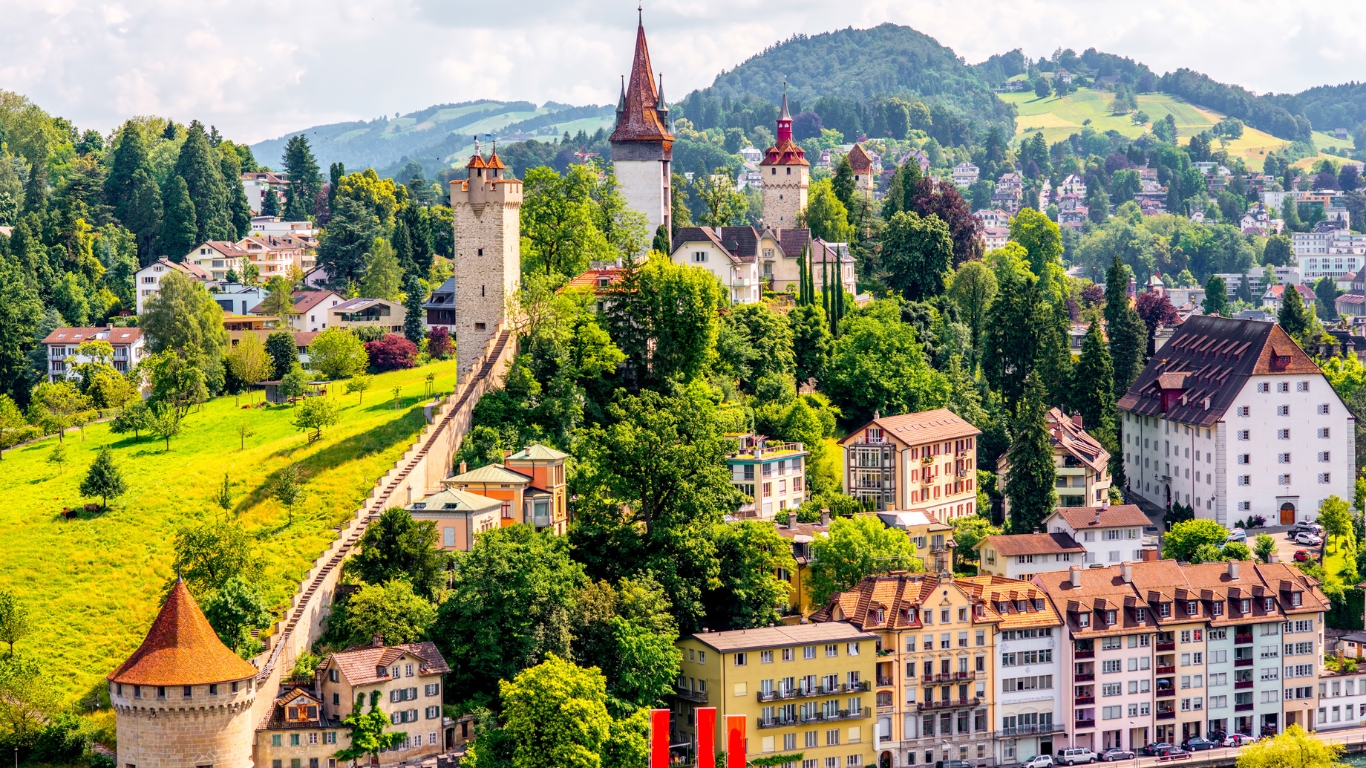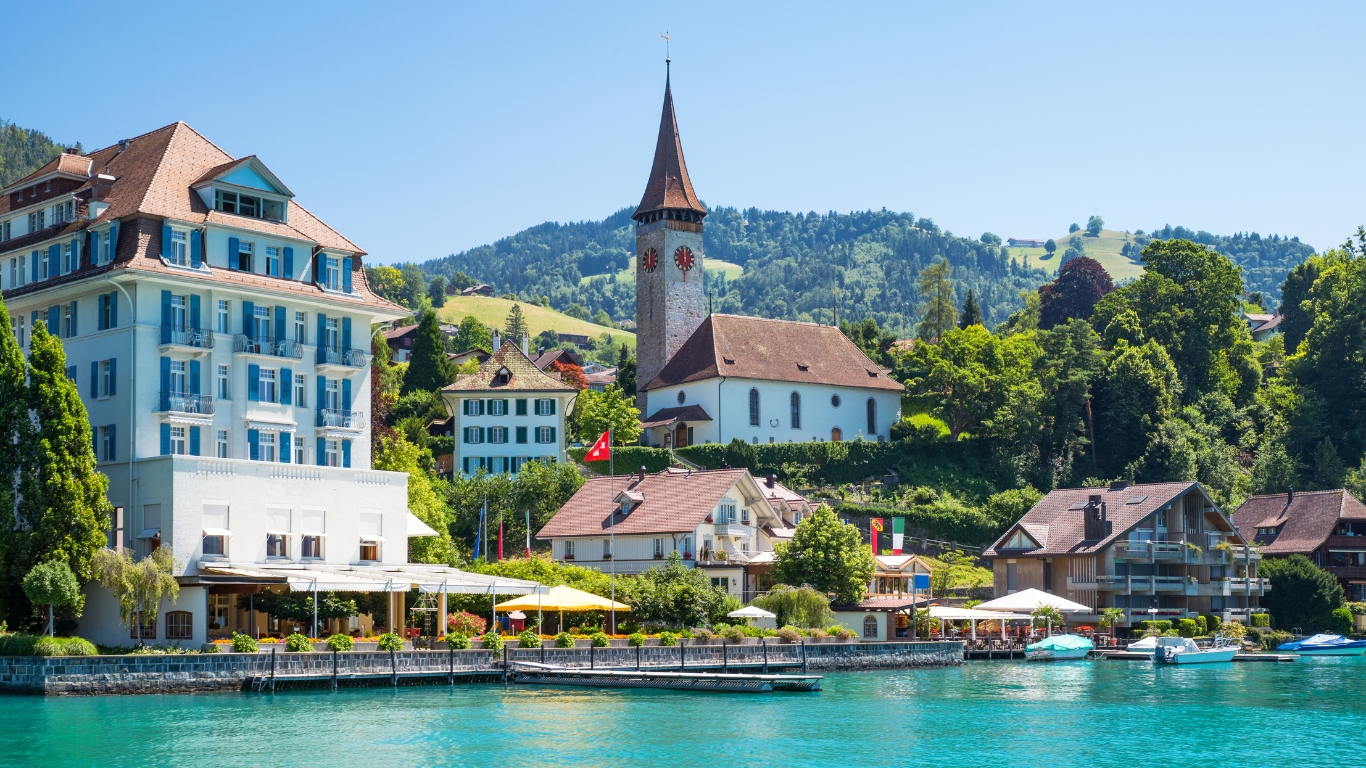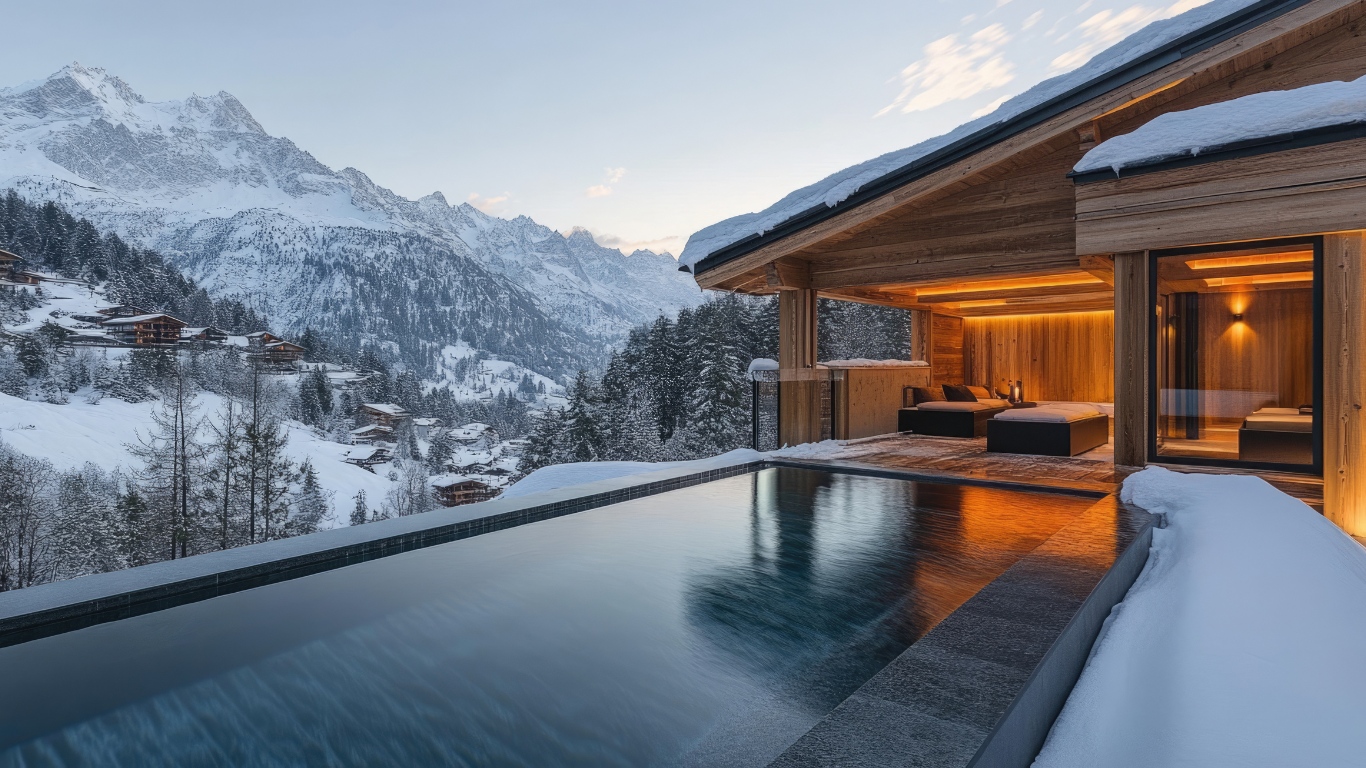


Switzerland offers almost everything foreign investors typically want from real estate. Political stability, rule-of-law certainty, strong infrastructure, and a currency that has historically behaved like a capital-preservation asset. On paper, it looks like the perfect place to park serious money.
But if your question is straightforward — whether foreign investors can actually buy property in Switzerland — the honest answer is yes, but only in narrow, heavily regulated situations. For many non-resident buyers, Swiss residential property is not just “hard to buy.” It can be functionally unavailable unless you fit into a specific permitted category.
At the center of the system sits Lex Koller, officially the Federal Act on the Acquisition of Real Estate by Persons Abroad. It restricts who counts as a “person abroad,” what kind of property they can buy, and whether a purchase requires a permit under a quota that can fill up fast.
To make this practical, here’s the decision logic most foreign buyers need to work through before spending any time looking at listings.
- If you are buying commercial property: restrictions are usually far lighter than for residential property—but classification and intended use matter.
- If you are a non-resident foreign investor: you are generally limited to approved holiday homes in designated tourist areas, subject to permits and quotas (and availability can disappear fast).
- If you hold a Swiss B permit (temporary residence): you may be able to buy one primary residence in the canton where you live (rules vary and secondary homes remain restricted).
- If you hold a Swiss C permit (permanent residence): you are typically treated like a Swiss buyer for property purposes, meaning Lex Koller restrictions largely fall away.
Table of Contents
Key Takeaways & The 5Ws
- Switzerland is not an open residential property market for foreigners: Lex Koller makes access permit-based, tying eligibility to buyer status, property type, and canton-level quotas.
- Standard residential property is heavily restricted—especially for non-resident foreigners—while commercial real estate is typically more accessible when the use is genuinely commercial.
- Residence status is the real unlock: non-residents are mostly limited to holiday homes in designated tourist zones; B-permit holders can often buy one primary residence in their canton; C-permit holders are largely treated like Swiss buyers.
- “Workarounds” using shell companies, artificial mixed-use structures, or aggressive legal engineering are risky and closely scrutinized; the system is built to close loopholes, not enable them.
- The true cost of owning Swiss property includes transfer taxes, notary and legal fees, wealth and imputed-rent taxation, maintenance, and real estate capital gains tax, making the market better suited to long-term, stability-focused owners than short-term speculators.
- Who is this for?
- Non-resident foreigners, B- and C-permit holders, and high-net-worth investors evaluating Swiss property, alongside cantonal and federal authorities that enforce Lex Koller.
- What is the rule set?
- A strict foreign-ownership framework where Lex Koller governs what “persons abroad” can buy, sharply limiting standard residential purchases while leaving more room for commercial assets and tightly defined holiday homes.
- When does it apply?
- Ongoing today, with annual permit quotas in some cantons that can fill quickly, meaning timing and planning are practical constraints for foreign buyers.
- Where is access most realistic?
- Primarily in tourist and resort cantons such as Valais, Graubünden, and parts of Vaud, while economic hubs like Zurich and Geneva tend to be among the most restrictive with minimal quotas and strict enforcement.
- Why is it structured this way?
- Because Switzerland prioritizes local housing availability, financial stability, and controlled foreign demand—rewarding residency and genuine economic substance over speculative capital.

What Is Lex Koller and How Does It Restrict Foreign Property Ownership in Switzerland?
Lex Koller is Switzerland’s federal framework for limiting real estate acquisitions by “persons abroad.” The policy intent is straightforward. Reduce speculative demand and protect local housing availability by controlling how much Swiss residential property ends up in foreign hands.
Two features matter most for foreign investors, and understanding both will save you a lot of wasted time and legal fees.
- First, it’s a permission-based system, not a free market for non-residents. In many cases, a foreign buyer needs a specific authorization (permit), and those authorizations can be subject to annual quotas that differ by canton and can fill up. The practical result is that timing, canton selection, and eligibility often matter more than price.
- Second, the law’s definition of “persons abroad” is broader than many buyers expect. It typically includes non-Swiss citizens who do not have permanent residence status, meaning someone can live in Switzerland for years and still be treated as “foreign” for property purposes until their residency status changes.
This creates a tiered reality that surprises many high-net-worth buyers. You can be economically integrated — running a business, paying Swiss taxes, living locally — and still face residential purchase restrictions if your residence permit doesn’t place you in the Swiss-equivalent category. Capital and local presence don’t automatically override legal classification.
The key takeaway is that Lex Koller regulates buyer status and property type more than buyer wealth. In Switzerland, capital alone rarely overrides the legal classification of the buyer or the residential nature of the asset.
What Types of Property Can Foreigners Actually Purchase in Switzerland?
For most foreign investors, the dividing line is simple. Residential property is restricted, while commercial property is often far more accessible.
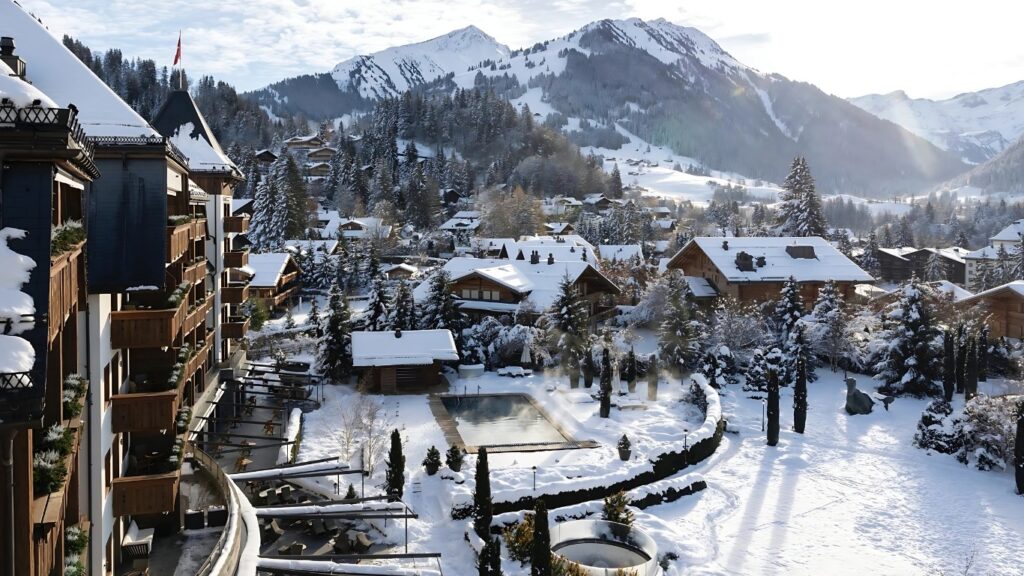
Residential purchases are the most controlled category. Non-resident foreigners are generally not free to buy standard residential property across Switzerland. In practice, the most common legal entry point for non-residents is holiday homes in designated tourist areas — and even then you face constraints such as permit requirements, quota availability, and canton-specific rules around size and permitted use.
These “permitted zones” are not random. They tend to be places where tourism and second-home demand have historically been part of the local economic model, and where authorities have structured access accordingly.
That said, accessibility doesn’t mean attractiveness without trade-offs. The residential properties foreigners can buy are often limited to specific locations and profiles. They can also trade with a built-in scarcity premium because many international buyers get funneled into the same permitted pockets, driving prices up and narrowing your choices.
Commercial real estate is the main exception. In many cases, foreign investors can buy business premises, offices, industrial property, and other commercial assets with far fewer Lex Koller frictions. But Swiss authorities care about substance over labels. If an asset is “commercial on paper” but functions like residential property in reality, the classification will get scrutinized — and the consequences can be serious.
Mixed-use property sits in the gray zone. Buildings with both commercial and residential components can be structured in ways that shift how the rules apply, but that nuance is precisely what creates risk. A deal that looks compliant at acquisition can become a problem later if the authorities view the residential component as dominant or the commercial purpose as superficial.
The practical lesson for investors is that Swiss property access often hinges on how the property is categorized and used, not how it is marketed to you. Always verify the legal classification independently before you go further in any deal process. An independent real estate analyst with Swiss market knowledge can be worth every franc at this stage.
Do You Need a Swiss Residence Permit to Buy Property as a Foreigner?
A Swiss residence permit is not just helpful. It can be the difference between restricted access and near-normal access to the property market.
Permanent residence, the C permit, is the turning point. C-permit holders are typically treated similarly to Swiss nationals for property acquisition. That means the core Lex Koller restrictions that bind non-resident foreigners often no longer apply in the same way, opening up a much wider range of residential options.
For many foreign buyers, a C permit is the cleanest path to “buy like a local.” But permanent residence usually requires years of continuous residence in Switzerland, and the timeline can vary by nationality and personal circumstances.
Temporary residence, the B permit, can still materially improve your options. In many cases, B-permit holders may be able to purchase a primary residence in the canton where they live. That’s a meaningful advantage compared to a non-resident foreign investor trying to buy from abroad.
The trade-off is that this pathway is not a free pass for multiple properties, secondary homes, or purchases in cantons where you don’t hold your permit. Your property options can become tightly tied to your canton of residence and the primary-residence nature of the purchase.
Strategically, this is why many wealthy foreign buyers who are serious about owning Swiss residential property approach it as a residency-plus-property decision rather than a standalone real estate transaction. If you want flexibility, predictability, and location choice, your residence status tends to matter more than your deal structure. You might also want to review whether renting or buying makes more sense for your situation in Europe before committing to either path.
Are There Exceptions or Legal Workarounds to Switzerland’s Foreign Ownership Restrictions?
Using a Swiss company is the most commonly attempted workaround — and the most commonly scrutinized. Foreign buyers sometimes try to purchase through a Swiss-domiciled entity, an AG or GmbH, to bypass personal restrictions. The core risk is that authorities actively look for sham structures, meaning entities formed primarily to hold residential property rather than conduct genuine business activity. The Financial Times has covered Switzerland’s tightening stance on foreign property structures in recent years, and the direction of travel is clear.
In practical terms, what matters is substance. A Swiss company with real operations, employees, commercial activity, and an economic footprint looks very different from a shell with a mailbox address and one purpose. The burden is not just “having a company.” You need to be able to demonstrate that the company exists for legitimate Swiss business reasons beyond owning a restricted residential asset.
Treaty-related and special-status exceptions exist, but most buyers won’t qualify. Certain categories — some diplomats, certain international-organization contexts, or specific cross-border situations — can have different treatment under applicable agreements or administrative practices. These categories are real, but they are not broad “investor exceptions” most foreign buyers can rely on.
Inheritance is often treated differently. Swiss systems generally recognize succession realities, meaning foreign heirs can sometimes inherit property even if they could not have purchased it themselves. This doesn’t create an easy purchase pathway, but it is an important legal distinction that foreign families need to understand when structuring their estate planning.
Hardship routes exist, but they’re unpredictable. Some cantons can consider special circumstances, but this is not a strategy to plan around. Treat it as an exception that occasionally applies, not as a reliable workaround.
The reality is that Switzerland designed these restrictions to be durable. If a loophole becomes popular, it tends to become a target for scrutiny. For most foreign investors, the clean route stays either residency status or commercial property — not creative structures built to mimic residential ownership.
Which Swiss Cantons and Regions Are More Accessible to Foreign Buyers?
Tourist resort areas offer the most realistic foreign purchase opportunities, concentrated in cantons that have historically relied on international visitors and second-home buyers. Valais, home to Zermatt, Verbier, and Crans-Montana, maintains designated foreign purchase zones with higher quota allocations for holiday homes. Graubünden, encompassing St. Moritz and Davos, follows similar patterns. Parts of Vaud canton near major ski resorts also appear on the more accessible list. Robb Report and similar luxury publications regularly track which Alpine locations are attracting the most serious foreign buyer interest.
These regions recognize that international property buyers support local economies and have structured their Lex Koller administration accordingly. The access is real, but it comes with its own set of competitive dynamics.
The trade-off for that increased access is intense competition and premium pricing. The properties available to foreigners in these zones are the ones that every international buyer who can’t purchase elsewhere is also competing for — driving prices well above what comparable properties might cost in regions with less foreign demand.
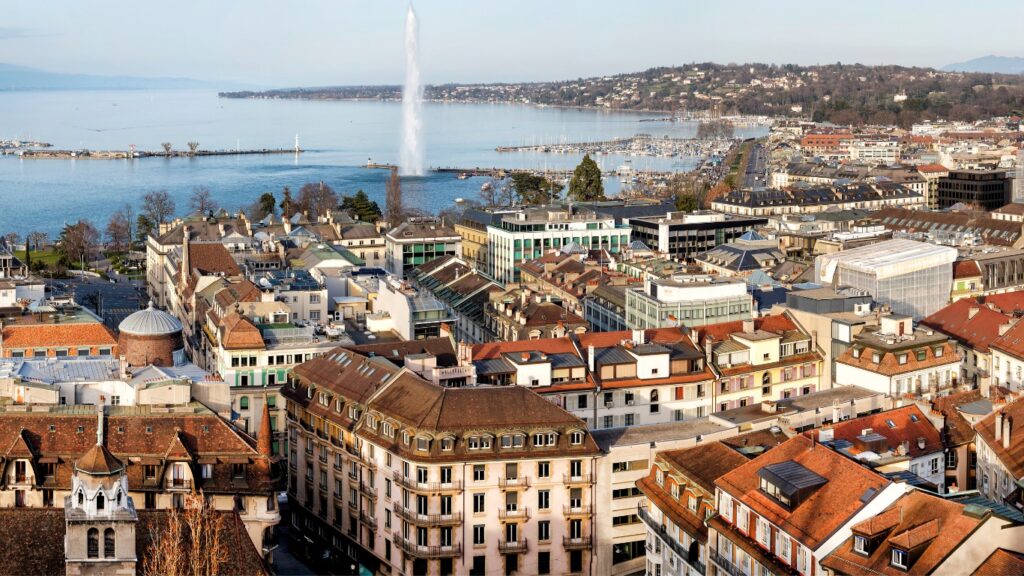
Canton-specific variations create meaningful differences in how aggressively Lex Koller gets enforced and how many quota permits each region allocates. Geneva and Zurich maintain the strictest enforcement with minimal quotas that often exhaust within weeks of annual renewal.
These are Switzerland’s primary economic centers with high local housing demand, making authorities particularly resistant to foreign purchases that might displace Swiss residents. If you’re targeting either of these cities, you need to go in with realistic expectations.
Smaller cantons like Schwyz, Obwalden, and Nidwalden have historically proven more accommodating, particularly for commercial property and mixed-use developments that bring genuine investment and employment to the area.
The most effective approach for foreign investors is choosing regions where the system is designed to accommodate the kind of purchase you want, rather than forcing a residential buy in a canton where demand is politically sensitive and quota availability is thin. Understanding how Swiss monetary policy has shaped the real estate market gives you useful context for evaluating regional dynamics before you commit.
What Are the Actual Costs, Taxes, and Financial Requirements for Foreign Buyers?
Swiss property costs go well beyond the sticker price. You should model transaction costs, proof-of-funds expectations, annual taxes, and exit taxes before you get serious about any deal — because these can materially change the true cost of ownership across a five to fifteen year holding period.
One-time transaction costs beyond purchase price
Upfront costs can include cantonal transfer taxes where applicable, notary and land registry costs, legal fees for compliance and permit handling, and administrative costs linked to Lex Koller approvals. None of these are trivial, and they vary by canton.
Depending on canton and transaction structure, total transaction costs can often land in the low single-digit percentages of the purchase price. But the range varies meaningfully by location and deal type, so get a canton-specific estimate before you model your deal economics.
A common friction point for foreign buyers is that Swiss processes can be conservative about demonstrating financial capacity. In some cases, authorities and counterparties may want to see strong proof of liquidity and stable funding sources, even if you intend to finance part of the acquisition. Bloomberg’s real estate coverage has noted Switzerland’s conservative stance on foreign buyer financing as a recurring theme.
This is less about whether you can get a mortgage and more about the Swiss preference for verifiable financial stability, especially when permit approvals are involved. Come prepared with documentation that clearly demonstrates your financial position.
Ongoing annual taxes and ownership costs
Swiss ownership carries recurring obligations that foreign buyers regularly underestimate. You’ll typically face an imputed rental value tax, where Swiss cantons tax you on the estimated rental income you could earn from your property even if you never rent it out. Wealth tax applies in most cantons on the net value of your Swiss property. Property maintenance, management fees, and cantonal property taxes add further layers to your annual carrying cost.
- Wealth tax can apply depending on canton and personal tax situation, often calculated on assessed net wealth that can include property value.
- Imputed rental value is a distinctive Swiss concept: owner-occupiers may be taxed on a theoretical rental income value, depending on circumstances.
- Insurance, maintenance, and building charges can be material, particularly for resort properties and higher-end buildings.
The key point is that Swiss ownership is designed to feel like a long-term commitment, not a low-friction second-home purchase. If you’re comparing it against other European markets, look at how property taxes work in Greece for a useful contrast in how different countries structure the cost of foreign ownership.
Capital gains tax and exit obligations
Many cantons apply real estate capital gains tax, and the rate can depend heavily on your holding period. Short-term holding is often penalized while longer-term ownership gets favored treatment. This creates a built-in incentive against speculative flipping and can reduce Switzerland’s attractiveness if your primary goal is short-to-medium-term return maximization rather than capital preservation, lifestyle utility, or long-term positioning. Reuters markets coverage regularly tracks how Swiss real estate performs as a long-term capital preservation vehicle versus higher-yield alternatives.
Swiss property ownership tends to make the most sense when your motivation goes beyond pure yield. It can be rational for wealth preservation in a stable currency, for establishing a physical presence tied to a residency strategy, for long-term family legacy planning, or as a lifestyle asset in one of the world’s most livable environments.
- buyers seeking a stable European base for lifestyle and business,
- investors prioritizing capital preservation and jurisdictional stability,
- families planning long-term presence and eventually residency status,
- commercial investors targeting operating assets with clear business use.
If your goal is simply to buy easily, rent flexibly, and optimize returns, Switzerland is often a frustrating fit. The system is intentionally designed to prioritize local housing availability and discourage speculative demand. The investors who do best here tend to be the ones who understand that going in — and plan accordingly.
FAQ
Can foreign investors buy property in Zurich or Geneva?
Sometimes in limited ways, but non-resident residential access is typically the hardest in major demand centers, and availability can be constrained by quotas and administrative caution.
Can foreigners buy Swiss commercial property?
In many cases, yes—commercial purchases are often far more accessible than residential, but classification and use must be real and defensible.
Does a B permit let you buy a home?
Often it can improve access for a primary residence in your canton, but it usually doesn’t unlock unrestricted second-home buying.
Does a C permit remove Lex Koller restrictions?
For many practical purposes, it can place the buyer closer to Swiss-equivalent treatment, which is why it’s the most straightforward path to normal residential ownership.