Real Estate Market Insights Switzerland

St. Moritz Real Estate Market Overview & Forecast (2026)

By Savvas Agathangelou14 min

The St. Moritz real estate market in 2026 sits at the very top of alpine property in Europe. As a globally recognized destination for ultra-high-net-worth individuals, Olympic-level sports, and world-class…

AuthorSavvas Agathangelou
Published10 April 2026
Read14 min
SectionReal Estate Market Insights Switzerland
St. Moritz Real Estate Market

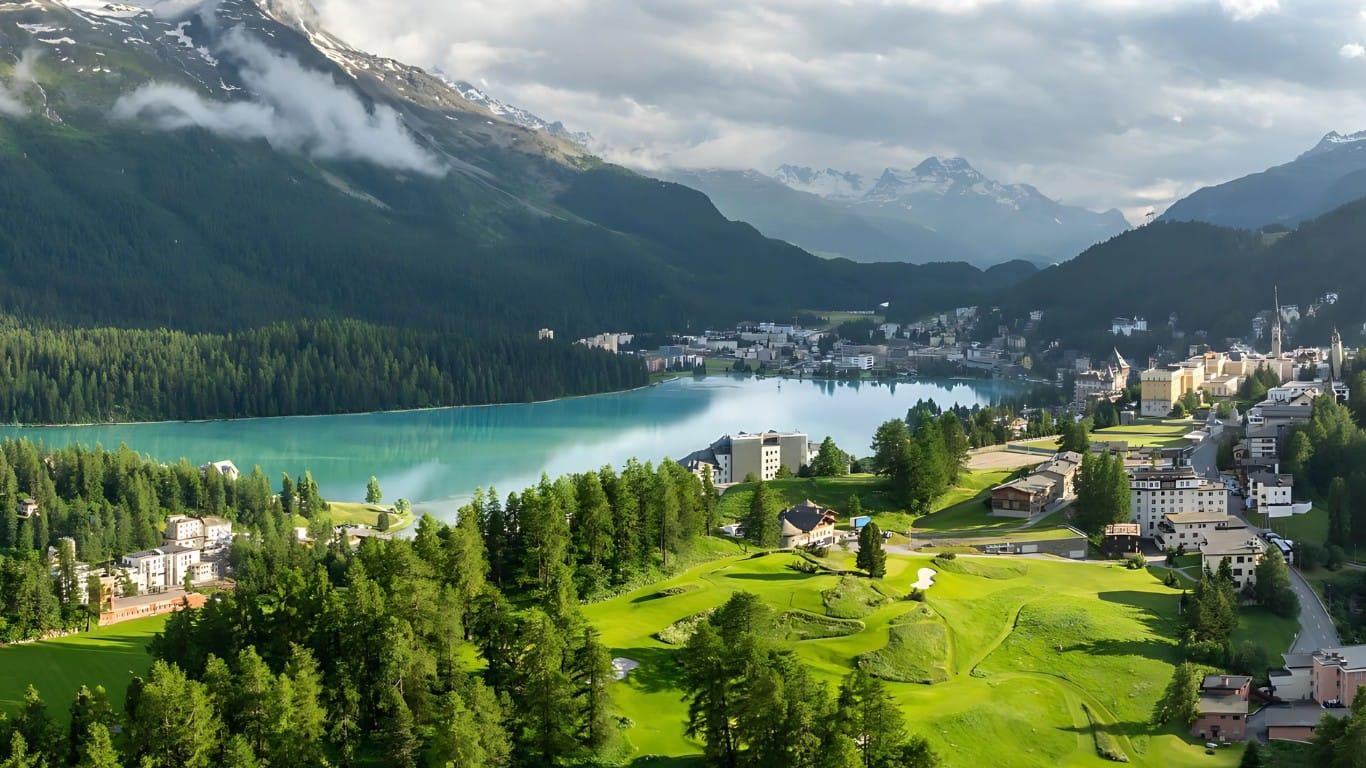
The St. Moritz real estate market in 2026 sits at the very top of alpine property in Europe. As a globally recognized destination for ultra-high-net-worth individuals, Olympic-level sports, and world-class events, St. Moritz acts as a magnet for capital preservation and legacy real estate investment. If you’re looking for a place where your wealth is as protected as it is displayed, this is one of the few markets on the planet that genuinely delivers both.

With extremely limited housing stock, heritage zoning constraints, and consistently high international demand, St. Moritz operates as a structurally undersupplied market. That scarcity fuels long-term price resilience, and the area’s reputation for privacy, elite amenities, and secure ownership structures only deepens its appeal to global investors like you. Supply won’t catch up to demand anytime soon, and that’s precisely the point.

Residential properties in St. Moritz are priced at the very top of the Swiss real estate spectrum. Luxury chalets and lakefront apartments in prime zones command CHF 20,000 to CHF 35,000 per square meter. Yes, acquisition costs are premium and gross yields are moderate, but what you get in return is unrivaled asset security, full legal transparency, and consistent long-term demand that most real estate markets can only dream about.

St. Moritz is not a speculative play. Think of it as a strategic destination for long-term investors who prioritize capital protection, status assets, and ultra-prime European real estate exposure. If you’re chasing quick flips, look elsewhere. If you’re building a generational portfolio, this belongs in it.

Overview of The St. Moritz Real Estate Market

The St. Moritz housing market in 2026 is defined by exclusivity, supply scarcity, and premium pricing. The town’s real estate ecosystem revolves around second-home ownership, high-end tourism, and investment-grade alpine residences. As one of the most sought-after luxury destinations in the Swiss Alps, St. Moritz attracts a clientele seeking stability, asset security, and long-term capital appreciation rather than speculative returns. You’re not buying a trend here. You’re buying permanence.

As of Q2 2026, the average price per square meter in St. Moritz ranges between CHF 21,000 and CHF 29,000, depending on location, view, and asset type.

Prime ski-in/ski-out chalets or lakeview penthouses in areas such as Suvretta and Via Tinus can exceed CHF 35,000 per sqm. In contrast, less central but still desirable districts like St. Moritz Bad and Champfèr record pricing in the CHF 15,000 to CHF 18,000 per sqm range, which for this market is about as close to accessible as it gets.

Transaction volumes are low by design, constrained by stringent planning regulations, architectural protection laws, and foreign ownership restrictions. Don’t expect a busy, liquid market. Expect a curated, carefully managed one.

Demand consistently outpaces supply in key segments, especially for turnkey properties with high energy efficiency, luxury amenities, and unobstructed alpine or lake views. The best assets rarely reach the open market.

Most buyers are international, though foreign ownership is regulated under Switzerland’s Lex Koller law. Foreign nationals must purchase through approved quotas or legal structures, often under corporate holdings or inheritance planning. If you’re a non-Swiss buyer, you’ll want specialist legal counsel before you begin.

Rental potential is strong during peak winter and summer seasons, though the dominant investment appeal lies in asset longevity, capital preservation, and intergenerational ownership. Short-term speculative flipping is virtually absent here, replaced by buy-and-hold strategies rooted in legacy wealth transfer. The people who own in St. Moritz aren’t looking to exit. They’re looking to pass it on.

Key market characteristics worth knowing before you commit

  • Average property price: CHF 21,000–29,000/sqm (prime locations exceed CHF 35,000/sqm)
  • Chalet prices: Often above CHF 10 million in Suvretta and Lake St. Moritz zones
  • Condominium prices: CHF 2.5M to CHF 6M depending on finish and location
  • Buyer profile: UHNWI, European royalty, corporate buyers, family offices
  • Market driver: Privacy, asset security, and lifestyle prestige—not yield performance

The St. Moritz housing market offers rare access to one of Europe’s most stable and tightly held real estate environments, anchored by heritage value, strict development controls, and persistent demand from a global elite buyer pool. You won’t find many markets that combine all three at this level.

St. Moritz Real Estate Market

Neighborhood Analysis

St. Moritz’s housing market is divided into a series of high-altitude, prestige-driven neighborhoods, each with its own architectural identity, elevation advantages, and access to ski infrastructure, lake views, or village amenities. Demand stays focused on a small number of ultra-prime districts, with minimal inventory turnover and tightly regulated development. Knowing where to buy matters enormously here.

Suvretta

Suvretta is St. Moritz’s most iconic residential enclave, often referred to as the Beverly Hills of the Alps. It’s home to historic chalets, exclusive gated compounds, and direct ski-in/ski-out properties. Privacy and prestige define the district, and the people who own here tend to guard both fiercely.

The average price per square meter in Suvretta exceeds CHF 35,000, with larger properties regularly trading above CHF 20 million. Inventory is scarce and tightly held, with very few new builds permitted. When something does come to market, it moves quietly and quickly.

Via Tinus

Via Tinus sits just above St. Moritz Dorf and offers sweeping views of Lake St. Moritz. The area is popular among UHNWI buyers looking for a discreet yet prestigious foothold close to the village center, without the full visibility that comes with Suvretta.

Properties here range from CHF 25,000 to CHF 30,000 per sqm, with mid-sized chalets and penthouses priced between CHF 7 million and CHF 15 million. Demand is driven by long-hold strategies and generational estate planning, which aligns well if that’s your investment horizon.

St. Moritz Dorf

St. Moritz Dorf is the commercial and cultural core of the town, home to luxury hotels, designer boutiques, and seasonal events. If you buy here, you’re prioritizing convenience and walkability over seclusion. That’s a valid trade-off for buyers who want to be at the center of everything.

Pricing averages CHF 23,000 per sqm, with high-end apartments ranging from CHF 3.5 million to CHF 6 million. The area stays attractive to lifestyle-driven buyers seeking access to events and services year-round.

St. Moritz Bad

Positioned on the lake’s southern edge, St. Moritz Bad offers newer construction and slightly more accessible pricing. Popular with seasonal residents and those drawn to more contemporary design, it’s the entry point into the St. Moritz market without sacrificing the alpine lifestyle.

Prices range from CHF 15,000 to CHF 18,000 per sqm, with apartments selling between CHF 2 million and CHF 4 million. Rental liquidity is strong here during both summer and winter, making it a smarter choice if income generation is part of your strategy.

Champfèr

Located a few minutes from central St. Moritz, Champfèr is a peaceful, village-style setting favored for its privacy and proximity to top hotels like Badrutt’s Palace and Giardino Mountain. It offers a quieter version of the St. Moritz experience without sacrificing access to the best amenities.

Prices average CHF 14,500 to CHF 17,500 per sqm, with smaller chalets and well-positioned apartments in the CHF 1.8 million to CHF 3.5 million range. The area is increasingly popular among Swiss nationals seeking year-round usability, which speaks well to its long-term rental and resale fundamentals.

Neighborhood Median Prices and Price per Square Meter

St. Moritz Rental Market Overview

The St. Moritz rental market in 2026 is highly seasonal, elite-driven, and supply-restricted. As one of Switzerland’s premier winter destinations, St. Moritz attracts affluent seasonal visitors and returning tenants seeking luxury short-term rentals during peak holiday and ski seasons. If you own the right asset here, you’re not chasing tenants. They’re coming back to you year after year.

Unlike urban rental markets, income is concentrated during high-demand months, which makes tenant quality and property management critical investment factors. Getting this wrong costs you more than just yield. It costs you the asset’s reputation.

The rental market favors owners of high-spec chalets and lakeview apartments with premium positioning and top-tier amenities. Yields are modest, but income reliability is high for well-managed assets. Think of the rental income as a bonus on top of the real prize, which is the long-term appreciation and capital security.

Average Monthly Rent by Property Type (2026)

  • 1-Bedroom Apartment: CHF 3,800 – CHF 5,200

  • 2-Bedroom Apartment: CHF 6,000 – CHF 8,500

  • 3-Bedroom Apartment/Chalet: CHF 9,000 – CHF 13,500

  • 5+ Bedroom Luxury Chalet (peak season): CHF 25,000 – CHF 50,000+

Luxury rentals in Suvretta, Via Tinus, and Dorf command the highest lease rates, especially during December through March and July through August. Demand is driven by international families, royalty, and diplomatic travelers who expect full-service living including concierge, spa facilities, and ski-accessible design. These aren’t tenants browsing listings. They’re clients with expectations.

Yield Performance and Rental Segmentation

Gross yields across St. Moritz vary depending on location, asset class, and management quality. Here’s what you can realistically expect across the main segments.

  • Premium Seasonal Yield Zones: St. Moritz Bad, Silvaplana, Celerina (3.2%–4.5%)

  • Capital Preservation Zones: Suvretta, Via Tinus (2.0%–2.8%)

  • Balanced Core Areas: Dorf, Champfèr (2.6%–3.4%)

Rental income can be lucrative during high season, but off-season occupancy drops sharply unless the property is configured for year-round use. Professional management, high-end furnishings, and flexible lease structuring are essential if you want to optimize your annual returns. This is not a set-it-and-forget-it rental market.

Swiss rental law stays tenant-friendly and enforces index-linked rent increases and formal lease terminations. In St. Moritz, short-term and seasonal leasing is common but must comply with local tourism regulations and licensing. If you’re operating furnished rentals, work with a local agency that genuinely understands both the legal and tax requirements. Cutting corners here is expensive.

Rental demand is largely insulated from economic volatility thanks to the elite tenant base. Many properties are leased via private networks or returning clients, which reduces marketing costs but also limits visibility for unlisted assets. Your property’s reputation in the right circles matters more than any listing platform.

The St. Moritz rental market offers stable, seasonal income opportunities for luxury properties. Gross yields are moderate, but asset quality, professional leasing, and premium tenant profiles ensure long-term value delivery in a highly controlled investment environment. For ultra-wealthy investors who already work with boutique asset managers, this fits neatly into a broader income-generating real estate strategy.

Factors Influencing the St. Moritz Housing Market

The St. Moritz housing market in 2026 is shaped by a unique blend of supply constraints, luxury tourism appeal, global wealth migration, and strict regulatory frameworks. These forces work together to create one of the most tightly held and resilient luxury real estate environments in Switzerland. Understanding them helps you time your entry and structure your ownership correctly.

  1. Limited Development Rights and Zoning Restrictions: St. Moritz’s building regulations are among the strictest in the canton of Graubünden. New residential development is highly restricted by zoning laws, architectural preservation guidelines, and second-home quotas. These constraints limit supply, especially in top-tier districts like Suvretta and Via Tinus.

  2. Ultra-High-Net-Worth Buyer Demand: The buyer base in St. Moritz is almost exclusively composed of ultra-high-net-worth individuals, legacy family offices, and international elites. These clients prioritize privacy, prestige, and intergenerational asset holding, supporting long-term price strength and low transaction turnover.

  3. Seasonal Tourism and Event-Driven Demand: Major international events like the Snow Polo World Cup, White Turf races, and FIS skiing competitions drive seasonal demand for both rentals and ownership. This high-visibility calendar supports recurring interest from lifestyle buyers and second-home investors.

  4. Legal Ownership Structure and Lex Koller Compliance: Foreign investors face regulatory limitations under Lex Koller, which restricts property ownership for non-residents. However, many high-net-worth buyers invest through structured vehicles, corporate entities, or residency-linked acquisitions, maintaining international market exposure despite legal barriers.

  5. Infrastructure and Airport Access: St. Moritz benefits from proximity to Samedan Private Airport, which offers jet access year-round. Additionally, the Bernina and Albula railway lines enhance luxury travel appeal for tourists and property owners alike, supporting demand for accessible chalets and apartments.

  6. Capital Preservation and Currency Stability: The Swiss franc’s role as a global safe-haven currency makes St. Moritz attractive for wealth protection. Investors view real estate here not just as a lifestyle asset but also as a stable store of value insulated from inflation and currency risk.

  7. Branding and Global Recognition: St. Moritz has long been synonymous with luxury. Its brand reputation ensures persistent international demand and emotional connection to ownership, which drives property holding durations beyond typical investment horizons.

St. Moritz Housing Market Forecast for 2026

The St. Moritz housing market is expected to hold its position as one of Switzerland’s most resilient and capital-secure luxury real estate segments through 2026. Supported by limited inventory, global brand appeal, and enduring demand from international elites, the market is forecast to deliver moderate appreciation and stable seasonal rental performance. If you’re already in, you’re well positioned. If you’re watching from the sidelines, the window doesn’t get much wider.

Short-term growth is modest, but the market’s long-term value is reinforced by supply scarcity, legal safeguards, and its reputation as a generational wealth destination. That combination is rare and, in most markets, impossible to manufacture.

Property prices in St. Moritz are forecast to increase by 2.5% to 4.0% in 2026. Growth will be strongest in core areas such as Suvretta, Via Tinus, and St. Moritz Dorf, where inventory is limited and demand stays structurally high. Average prices are expected to rise from CHF 22,300 to CHF 23,000 per sqm, with ultra-prime chalets reaching or exceeding CHF 35,000 per sqm in isolated trophy transactions.

Apartments in St. Moritz Bad and Champfèr may see steady gains of 2.0% to 2.5%, particularly for units with lake views, private terraces, or newly renovated interiors. If you’re buying at the more accessible end of the market, those are the features that move the needle on resale value.

Rental prices are projected to rise by 3.0% to 5.0%, driven by seasonal luxury demand and a shortage of high-end, fully serviced rental inventory. Professionally managed properties with concierge service, ski storage, and flexible lease terms will see the highest occupancy and premium pricing during both winter and summer peak seasons. According to Financial Times reporting on European luxury property trends, demand for fully serviced alpine rentals has been climbing steadily across top-tier Swiss resorts.

  • Chalets: CHF 25,000–CHF 50,000/month (peak season)

  • Apartments: CHF 6,000–CHF 13,500/month depending on location and finish

Occupancy rates will stay robust across the board, especially in branded buildings and properties with strong return-guest loyalty. If your asset has that repeat client base already built in, protect it carefully.

No new development of scale is expected through 2026. The building permit pipeline stays flat due to restrictive zoning and conservation rules. Any additions to inventory will primarily come through renovations or discreet off-market resales, keeping transactional liquidity low but price tension high. That tension works in your favor as a holder.

Investor interest will stay stable, particularly from international buyers with long-hold strategies. New EU-based family offices, Middle Eastern investors, and Swiss-based asset holders will keep driving demand for both primary and secondary residences. The buyer profile here is as consistent as the market itself.

St. Moritz Real Estate Market

Is It Worth Buying a Property in St. Moritz?

For long-term investors prioritizing capital security, global prestige, and asset scarcity, St. Moritz sits among the most strategically sound real estate markets in the European Alps. It’s not built for high-yield or short-term strategies. But it offers stable growth, elite positioning, and resilient demand in a tightly controlled market that very few places in the world can match. And if you want to compare it against other high-conviction real estate markets, the contrast is telling.

The St. Moritz housing market is defined by limited development, high barriers to entry, and long-hold ownership models, making it particularly attractive to ultra-high-net-worth individuals, family offices, and international investors seeking long-term portfolio diversification. If your investment horizon is a decade or more, this market was built for you.

Average property prices are now approaching CHF 23,000 per square meter, with Suvretta and Via Tinus chalets regularly trading above CHF 35,000 per sqm. Liquidity is low, but price support is strong due to chronic supply shortages. You won’t find fire-sale opportunities here, but you also won’t watch your asset lose value while you sleep.

Rental yields range from 2.0% to 3.5%, with the strongest income potential during peak ski and summer seasons. Fully serviced, well-managed luxury apartments and chalets consistently command CHF 10,000 to CHF 50,000 per month, depending on size and amenities. Occupancy is seasonal, but demand stays consistent across repeat clientele and private networks. Robb Report’s coverage of alpine real estate has consistently highlighted St. Moritz as one of the top five globally for rental quality at the ultra-luxury tier.

Foreign buyers can still access the market under Lex Koller, though ownership structures often require legal guidance and longer acquisition timelines. Most investors hold assets for intergenerational use, lifestyle value, or estate preservation rather than yield optimization. Plan for a longer onboarding process and budget for the right advisors. It’s worth it.

St. Moritz is worth buying into if your goal is long-term security over short-term gains. Its position as one of the world’s most recognized alpine destinations ensures value resilience, while structural barriers protect you from oversupply, speculation, or economic shock exposure. Few markets give you that combination in writing.

Other Market Forecasts and Overviews

Zurich Real Estate Market Overview and Forecast

Geneva Real Estate Market Overview and Forecast

Basel Real Estate Market Overview and Forecast

Lausanne Real Estate Market Overview and Forecast

Bern Real Estate Market Overview and Forecast

Gstaad Real Estate Market Overview and Forecast


FAQ

What is the average property price per square meter in St. Moritz?

As of 2025, prices range between CHF 21,000 and CHF 29,000/sqm, with prime locations exceeding CHF 35,000/sqm.


Can foreigners buy property in St. Moritz?

Yes, but with restrictions. Foreign buyers must comply with Lex Koller laws and typically purchase through approved legal structures or Swiss residency ties.


What are the typical rental yields in St. Moritz?

Gross yields average 2.0% to 3.5%, with peak-season luxury rentals commanding CHF 10,000–50,000/month.


Is St. Moritz better for rental income or capital appreciation?

St. Moritz is stronger for capital appreciation and long-hold value. Rental income is reliable but seasonal.


Which neighborhoods offer the best investment value?

Top-performing areas include Suvretta, Via Tinus, and St. Moritz Dorf. For yield, St. Moritz Bad and Champfèr offer better access points.


Are property values in St. Moritz expected to rise?

Yes. Forecasts suggest 2.5% to 4.0% price growth in 2026, led by premium zones and high-spec renovated assets.


Is short-term rental allowed in St. Moritz?

Yes, but properties must follow local tourism regulations and often require specific licensing for seasonal leasing.

Savvas Agathangelou
About the author

Savvas Agathangelou

Co-Founder & Strategy Lead

Savvas Agathangelou is Co-Founder and Strategy Lead at The Luxury Playbook, specializing in real estate investment, leadership, and marketing strategy. His work focuses on identifying high-value property markets, analyzing real estate investment opportunities, and structuring strategies that align with global economic and demographic trends. He is also responsible for the platform's Leadership Voice and marketing-oriented content, where he analyzes how founders, executives, and investors build scalable systems, brands, and revenue channels within the luxury and financial ecosystem. His expertise connects real estate intelligence with growth strategy, positioning him at the intersection of investment and media expansion.

View author profile →