
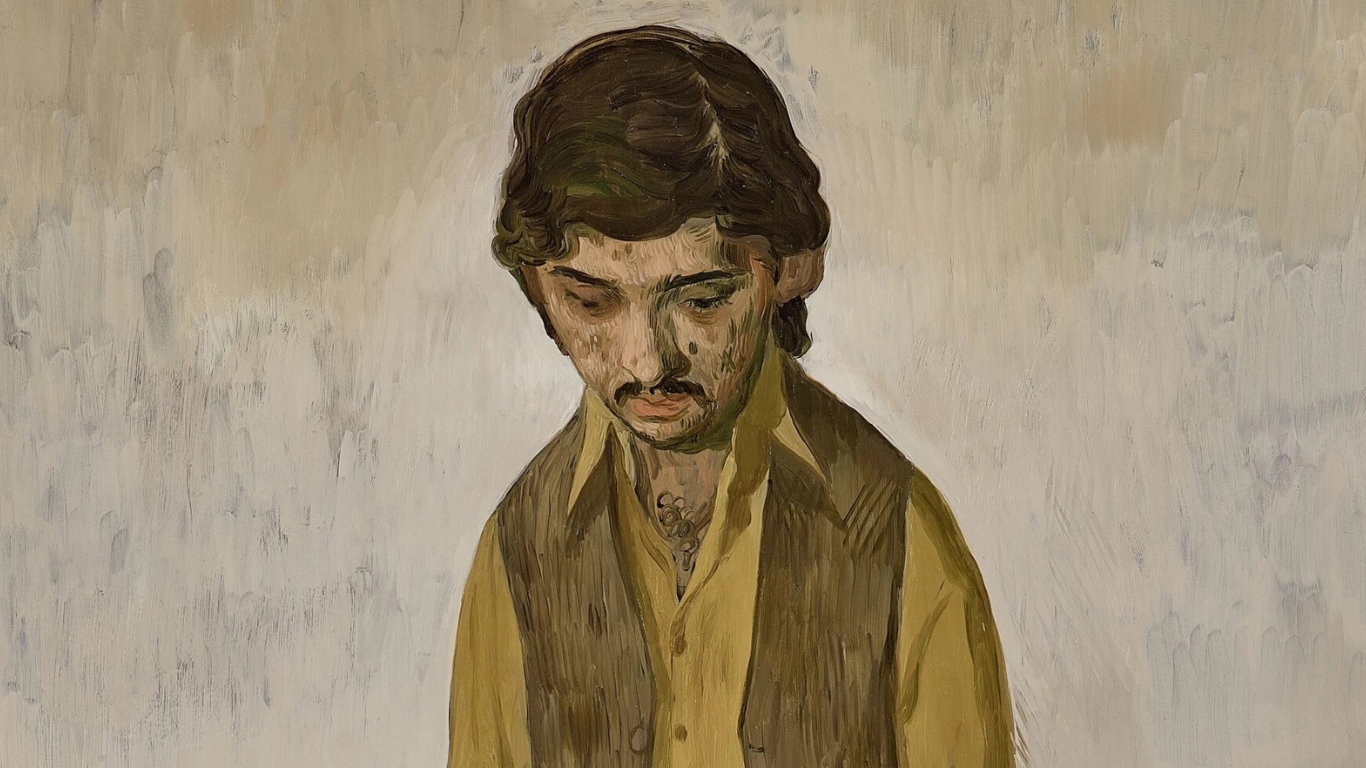

A painting of a stranger’s face sold for over 20 million dollars at auction in 2023, outperforming blue-chip stocks and most real estate markets in the same period. That painting was figurative art, and the sale was no anomaly.
Across London, New York, and Hong Kong, figurative work keeps breaking records that abstract and conceptual art struggled to match even a decade ago.
If you have been watching the art market without quite understanding why human figures, faces, and recognisable scenes are suddenly worth fortunes, this guide explains precisely what drives that value. And if you are also thinking about how savvy investors separate real returns from hype, the art world offers some surprisingly clear lessons.
Table of Contents
Key Takeaways & The 5Ws
- You should understand that figurative art depicts recognisable subjects like human figures and faces, making it immediately accessible compared to abstract or conceptual work.
- You can trace the value of figurative art back 17,000 years to cave paintings, giving it a cultural weight that directly supports its premium pricing at auction.
- You need to recognise that figurative art is consistently outperforming abstract and conceptual art at major auction houses across London, New York, and Hong Kong in 2026.
- You should study artists like Lucian Freud, Francis Bacon, and Jenny Saville to understand the lineage that gives contemporary figurative painters their critical and commercial credibility.
- You can approach figurative art as a strategic investment by monitoring gallery fairs such as Art Basel and Frieze London where emerging figurative talent surfaces before auction records follow.
- Who is this for?
- This topic is most relevant for collectors, investors, and art enthusiasts who want to understand and capitalise on the surging figurative art market in 2026.
- What is it?
- The main subject is figurative art, covering its definition as representational work depicting recognisable subjects and explaining why it commands record prices at global auctions.
- When does it matter most?
- This knowledge matters right now in 2026, as figurative art is actively breaking auction records and outperforming other asset classes at a pace that rewards informed buyers.
- Where does it apply?
- This applies most directly in major art market hubs including London, New York, and Hong Kong, as well as at international fairs like Art Basel, Frieze, and the Armory Show.
- Why consider it?
- Understanding figurative art matters because it empowers buyers to make confident, strategic purchasing decisions in a market where informed collectors are consistently achieving strong financial and cultural returns.

What Figurative Art Actually Means
Figurative art is any work that draws clearly from real-world visual sources, depicting recognisable subjects such as the human body, faces, animals, landscapes, or everyday objects. The term comes from the Latin “figura,” meaning form or shape, and it distinguishes work grounded in observable reality from abstract art, which abandons recognisable reference points entirely.
When you look at a figurative painting, you can identify what you are seeing. That clarity of subject is the defining quality.
At its most technical, figurative art is representational work, meaning the artist translates something visible in the world into a painted, drawn, or sculpted form. This does not mean photographic accuracy. Artists like Lucian Freud distorted proportion deliberately while staying unmistakably figurative, because the human body remained the anchoring subject throughout.
The boundary between figurative and abstract art is sometimes blurry, but the distinction matters enormously to collectors and galleries.
| Category | Subject Matter | Key Examples | Market Position (2025) |
|---|---|---|---|
| Figurative Art | Recognisable figures, faces, scenes | Lucian Freud, Cecily Brown | Rising strongly |
| Abstract Art | Non-representational forms and colour | Rothko, Kandinsky | Stable, legacy-driven |
| Conceptual Art | Ideas over visual form | Duchamp, Hirst | Cooling significantly |

The Rich History Behind Figurative Art
You cannot understand why figurative work commands such respect without knowing that it is the oldest visual language humans possess. Cave paintings at Lascaux, dating back roughly 17,000 years, depicted animals and human hunters with startling accuracy. Every major civilisation from ancient Egypt through classical Greece used figurative representation to record history, honour the divine, and assert cultural identity.
The Renaissance elevated figurative painting to its most technically sophisticated peak. Artists like Michelangelo, Raphael, and Leonardo da Vinci treated the human body as the supreme subject, studying anatomy obsessively to render figures with unprecedented realism. That tradition ran through Baroque portraiture, Romantic history painting, and into the Realism movement of the 19th century, where artists like Gustave Courbet insisted on depicting ordinary working people rather than mythological heroes.
Abstraction threatened to make figurative work feel old-fashioned after World War Two, when American Abstract Expressionism dominated critical discourse. But figurative painting never disappeared. Francis Bacon, Lucian Freud, and Jenny Saville kept the human body at the centre of serious contemporary practice, and their influence now powers the current generation of figurative painters commanding record prices.
Contemporary Figurative Art Dominating Galleries Now
Walk into any major gallery fair in 2026, whether Art Basel, Frieze London, or the Armory Show in New York, and figurative painting dominates the most prominent booth positions. Institutions that spent decades championing conceptual and installation art have rotated their acquisition strategies decisively toward contemporary figurative art. The Tate Modern expanded its figurative holdings between 2022 and 2024, and the Museum of Modern Art in New York has prioritised figurative acquisitions from artists of colour and women painters.
The cultural drivers are straightforward. Audiences want emotional immediacy. A figure on a canvas communicates faster and more viscerally than a minimalist field of colour, and in a social media environment where artworks must stop a scroll in under two seconds, figurative work wins that competition consistently.
Several living painters have become the names you need to know if you are following contemporary figurative art seriously.
- Lynette Yiadom-Boakye, whose fictional Black figures rendered in dark, atmospheric oil paint sell for millions and hang in the Tate and the Art Institute of Chicago.
- Flora Yukhnovich, whose loose, Rococo-influenced female figures achieved a hammer price of 3.2 million dollars at Christie’s in 2022, shattering her previous record several times over.
- Cecily Brown, whose sexually charged, painterly figures bridge Abstract Expressionism and figuration in a way that commands consistent seven-figure results.
- Tschabalala Self, whose large-scale depictions of Black female bodies challenge art history and attract major institutional collectors globally.
- Issy Wood, whose intimate, unsettling figurative paintings of domestic objects and bodies have built a fierce following among younger collectors.
Why Figurative Art Prices Keep Surging
Figurative art prices are not rising by accident. Several converging forces are pushing values upward at a rate that surprises even experienced market analysts. According to the 2024 Art Basel and UBS Global Art Market Report, the overall art market generated 65 billion dollars in sales globally in 2023, with figurative painting as the fastest-growing category within that total.
That growth reflects both primary market sales through galleries and secondary market results at auction.
Collector psychology plays a central role. Human beings respond neurologically to faces and bodies in ways they simply do not respond to geometric abstraction. Figurative work triggers empathy, recognition, and emotional memory, which makes ownership feel more personally meaningful. That emotional attachment reduces the likelihood of sellers liquidating their collections during market downturns, which creates artificial scarcity and supports prices over time.
Social media visibility has accelerated this effect dramatically. A striking figurative portrait photographs well, circulates widely on Instagram and across visual platforms, and generates name recognition for artists far faster than previous generations ever experienced. According to Artsy’s 2024 market analysis, artists with strong social media presences saw primary market sell-through rates exceed 90 percent at major fairs in 2023.
Flora Yukhnovich’s 2022 Christie’s result was one headline. Lynette Yiadom-Boakye’s works regularly exceed two million dollars at auction now. And perhaps most telling, according to Christie’s 2023 year-end market review, figurative works by living artists accounted for six of the top ten contemporary art auction results globally that year. That concentration would have been unthinkable fifteen years ago when abstract and conceptual work dominated those rankings.
How Smart Buyers Invest in Figurative Art
If you are approaching figurative art as a buyer in 2026, your strategy should be deliberate rather than reactive. Chasing names that have already broken records means paying premiums that compress your potential upside considerably. The smarter position is identifying artists with strong institutional support but prices that still sit below market attention thresholds. The same discipline applies whether you are buying art or thinking about the best types of alternative assets to invest in across the board.
- Research gallery representation carefully. Artists shown by galleries with strong secondary market track records, such as Gagosian, Hauser and Wirth, or David Zwirner, carry institutional credibility that supports long-term value.
- Check museum acquisition histories. When a public institution acquires an artist’s work, it signals critical consensus and typically precedes significant price increases in the secondary market.
- Examine provenance thoroughly. A clear ownership history from a reputable gallery through documented private collections reduces authentication risk and supports resale value.
- Assess condition reports independently. Figurative paintings on canvas or board are susceptible to cracking, flaking, and ultraviolet damage. Always commission an independent condition assessment before significant purchases.
- Consider works on paper as entry points. Many collectors begin with drawings or prints by figurative artists before moving to paintings, gaining market exposure at lower price points.
According to Sotheby’s 2024 market outlook, buyers entering the figurative art market below the 50,000 dollar threshold saw the strongest percentage returns on resale over a five year period compared to buyers operating at higher price points, suggesting the emerging end of the market still offers genuine opportunity.
The figurative art market in 2026 rewards collectors who combine genuine aesthetic engagement with disciplined research. Prices will not fall simply because they have risen steeply.
The cultural forces driving demand, from social media amplification to institutional validation and the post-pandemic appetite for human connection in visual culture, show no meaningful signs of reversing. Your best position as a buyer is an informed one, built on understanding both the history and the current dynamics that make figurative work the dominant force in contemporary art today. And if you want to think more broadly about building a portfolio of alternative assets alongside art, understanding how to separate real returns from hype is a good place to start.
Frequently Asked Questions
What is figurative art and how is it different from abstract art?
Figurative art depicts recognisable subjects from the real world, including human figures, faces, animals, landscapes, and objects. Abstract art abandons these recognisable references in favour of non-representational forms, colours, and shapes. The key distinction is whether a viewer can identify what the work is depicting. Figurative painting always anchors itself in something observable, even when the style is loose, distorted, or expressionistic.
Why are figurative art prices so high right now?
Figurative art prices are rising because of a combination of collector psychology, scarcity, institutional validation, and social media visibility. Human figures and faces generate stronger emotional responses than abstract forms, which increases demand and reduces supply as collectors hold works longer. The 2024 Art Basel and UBS report confirmed figurative painting as the fastest-growing auction category, with record results from artists like Flora Yukhnovich and Lynette Yiadom-Boakye driving broader market confidence.
Who are the most collectible contemporary figurative artists in 2026?
The most collectible contemporary figurative artists right now include Lynette Yiadom-Boakye, Flora Yukhnovich, Cecily Brown, Tschabalala Self, and Issy Wood. Each combines critical institutional support with strong auction track records and growing international collector bases. Emerging names represented by top-tier galleries with recent museum acquisitions represent the strongest opportunities for buyers seeking value before prices reach their ceiling.