
The art world is experiencing a seismic shift as artificial intelligence transforms how ultra-high-net-worth collectors authenticate their acquisitions. With the total value of art and collectible wealth held by UHNW individuals projected to reach $2.86 trillion by 2026, according to Statista (2026), AI authentication has become essential for protecting investments in an increasingly sophisticated fraud landscape.
The authentication crisis is real. Conservative estimates suggest 50 percent of art circulating on the market may be forged or misattributed, making traditional authentication methods insufficient for today’s discerning collectors. Swiss firm Art Recognition recently demonstrated AI’s potential by claiming an 86% probability that a disputed Caravaggio is authentic, showcasing how technology is reshaping art verification.
You’re entering an era where computer vision and machine learning algorithms can detect artistic fingerprints invisible to the human eye, offering unprecedented accuracy in authentication while fundamentally changing how you approach art investment decisions.
Table of Contents
Key Takeaways & The 5Ws
- You can leverage AI authentication to protect your art investments with up to 98.2% accuracy using advanced computer vision technology
- You should understand that AI platforms like Art Recognition and Hephaestus Analytical deliver authentication reports in 7-10 days versus months for traditional methods
- You need to recognize that with art fraud embedded in market structures, AI provides systematic fraud detection beyond human capabilities
- You can access authentication insurance products backed by AI analysis, offering new risk management options for your collection
- You should integrate AI authentication into your acquisition process as UHNW collectors amass art faster than ever before
- Who is this for?
- Ultra-high-net-worth collectors, art dealers, auction houses, and luxury investment advisors seeking advanced authentication solutions for high-value art acquisitions
- What is it?
- AI-powered authentication technology that uses computer vision and machine learning to analyze artistic fingerprints, brushstroke patterns, and compositional structures, providing art market verification with unprecedented accuracy and speed
- When does it matter most?
- 2026 represents a pivotal year as AI authentication technology matures, with the global art market valued at $57.5 billion and UHNW art wealth projected to reach $2.86 trillion
- Where does it apply?
- Leading authentication occurs through Swiss firm Art Recognition, Hephaestus Analytical, and other specialized platforms serving collectors globally, with particular focus on major auction houses and private collections
- Why consider it?
- Art fraud represents one of the largest specialty insurance loss categories globally, with traditional authentication methods proving insufficient against sophisticated forgeries and systematic fraud networks embedded in market structures

The Authentication Crisis Reshaping Art Investment
Art fraud has evolved beyond isolated incidents into a systematic challenge embedded within market structures. According to industry reports, art fraud represents one of the largest categories of specialty insurance loss globally, driven by fragmented provenance records and sophisticated forgery networks that replicate traditional authentication processes.
The scale of this crisis directly impacts your investment strategy. Conservative estimates place 50 percent of circulating art as potentially forged or misattributed, though experts believe this figure represents the conservative end of the spectrum. This reality has fundamentally altered how UHNW collectors approach acquisitions, with traditional trust-based verification proving inadequate against modern fraud techniques.
Your collecting behavior reflects these market pressures. Ultra-high-net-worth families are amassing art faster than they’re selling, with the share of collectors intending to sell dropping to 25% in 2025 from 55% the previous year. This accumulation strategy, combined with a 12% decline in global art market sales to approximately $57.5 billion in 2025, according to Art Market Research (2025), has intensified focus on authentication accuracy.

Revolutionary AI Authentication Platforms Transforming Verification
Swiss firm Art Recognition has emerged as a leader in AI-powered authentication, demonstrating remarkable capabilities in high-profile cases. In September 2025, the company claimed an 86% probability that Badminton House’s disputed Caravaggio version is authentic, while declaring Wildenstein’s version likely a copy. Their model, trained to recognize Caravaggio’s stylistic markers including shapes, color palettes, and compositional structures, delivers authentication reports in just 7 to 10 days.
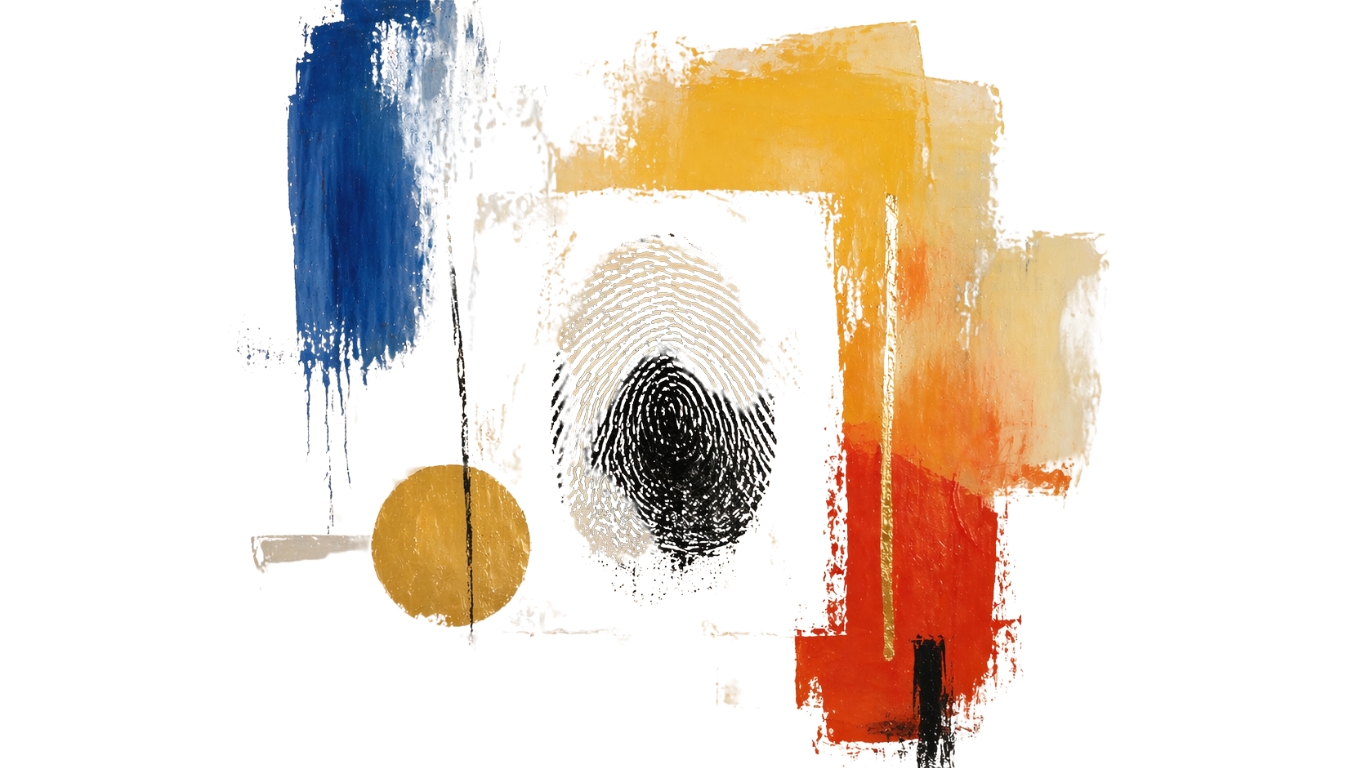
Hephaestus Analytical represents the pinnacle of AI authentication accuracy, achieving greater than 98.2% precision in recent case studies comparing Canaletto and Bellotto works. Working with astronomers from Princeton University, the University of London, and the Australian National University, Hephaestus employs “scattering transform” technology to detect over one million dimensions, reducing them to approximately 100-dimensional “fingerprints.”
These fingerprints capture subtle elements invisible to traditional analysis: paintbrush pressure application, average distance between objects, stroke spacing, and shape presence patterns throughout an artist’s oeuvre. The results have proven so conclusive that Hephaestus is collaborating with an AA-rated insurance company to develop the first authentication insurance product for paintings, offering you unprecedented risk management options.
The technical foundation underlying these platforms relies on convolutional neural networks (CNNs), an AI programming structure supporting advanced image recognition. Companies like Art Recognition, Hephaestus Analytical, and Vasarik utilize CNNs for “computer vision” that transcends simple recognition, interpreting meaningful patterns and systemic differences in provided datasets. This approach enables detection of artistic characteristics beyond human perception capabilities.
Technical Capabilities and Current Limitations
While AI authentication shows tremendous promise, understanding its limitations remains crucial for your investment decisions. The primary challenge lies in data scarcity, as effective AI models require extensive training datasets of authenticated works. For artists with limited documented oeuvres or those whose works rarely appear in digital formats, AI authentication faces significant constraints.
Current AI systems excel at identifying stylistic inconsistencies and technical anomalies but struggle with sophisticated forgeries created using period-appropriate materials and techniques. The technology performs best when analyzing artists with substantial digital archives and well-documented stylistic evolution, making it particularly effective for modern art investments where comprehensive documentation exists.
Integration challenges also affect implementation. Traditional authentication methods involve physical examination, provenance research, and expert consensus, processes that can take months to complete. AI authentication, while faster, requires careful integration with these established practices to ensure comprehensive verification. You should view AI as a powerful complement to, rather than replacement for, traditional authentication methods.
Market Adoption and Industry Response
Over 100 institutions, art professionals, and private collectors now trust AI authentication systems, according to Art Recognition (2025). This adoption reflects growing confidence in AI’s capabilities and recognition of traditional methods’ limitations in addressing sophisticated fraud networks.
Major auction houses are beginning to integrate AI authentication into their verification processes, though implementation varies significantly across institutions. Some houses use AI as a preliminary screening tool, while others incorporate it into comprehensive authentication protocols. This variation creates opportunities for you to leverage AI-authenticated works as competitive advantages in acquisition strategies.
The insurance industry’s response has been particularly telling. The development of authentication-backed insurance products signals institutional confidence in AI verification accuracy. These products offer you new risk management tools, potentially reducing insurance premiums for AI-authenticated acquisitions while providing additional protection against fraud-related losses.
| Authentication Method | Accuracy Rate | Processing Time | Cost Range |
|---|---|---|---|
| Traditional Expert Analysis | 85-90% | 2-6 months | $5,000-$50,000 |
| AI Authentication (Hephaestus) | 98.2% | 7-10 days | $1,000-$10,000 |
| Hybrid AI + Expert | 95-99% | 3-8 weeks | $8,000-$75,000 |
Strategic Implementation for UHNW Collectors
Your approach to AI authentication should align with your broader portfolio diversification strategy. Consider implementing AI authentication as a standard component of your acquisition due diligence, particularly for works valued above $1 million where authentication costs represent a minimal percentage of total investment.
Timing considerations prove crucial for optimal implementation. AI authentication works best when conducted early in the acquisition process, allowing you to negotiate from a position of strength with verified authenticity data. This approach can provide significant leverage in price negotiations and reduce post-acquisition risks.
Documentation standards become increasingly important when using AI authentication. Ensure your authentication reports include detailed technical analysis, confidence intervals, and comparative data against known authentic works. This documentation enhances resale value and provides essential support for insurance claims or legal disputes.
Consider establishing relationships with multiple AI authentication providers to cross-verify high-value acquisitions. Different platforms may excel with specific artists or periods, and comparative analysis strengthens your authentication confidence while demonstrating due diligence to potential buyers or insurers.
Future Developments and Investment Implications
The trajectory of AI authentication technology suggests continued advancement in accuracy and scope. Emerging developments include blockchain integration for immutable authentication records, enhanced analysis of artistic materials through spectroscopic AI, and expanded databases covering previously underrepresented artists and periods.
These advancements will likely impact art market dynamics significantly. Works with strong AI authentication backing may command premium prices, while pieces lacking technological verification could face market skepticism. This evolution suggests early adoption of AI authentication provides competitive advantages in both acquisition and eventual disposition strategies.
Regulatory developments may also influence implementation requirements. As AI authentication gains acceptance, insurance companies and legal frameworks may begin requiring technological verification for high-value transactions. Proactive adoption positions you ahead of potential regulatory requirements while demonstrating sophisticated risk management practices.
The integration of AI authentication with digital luxury platforms represents another significant development. Online marketplaces increasingly require authentication verification, and AI-backed certificates provide standardized, verifiable documentation that facilitates digital transactions while maintaining security standards appropriate for UHNW collectors.
Frequently Asked Questions
How accurate is AI authentication compared to traditional expert analysis?
AI authentication platforms like Hephaestus Analytical achieve accuracy rates exceeding 98.2%, compared to traditional expert analysis rates of 85-90%. However, optimal results combine AI technology with expert verification, achieving 95-99% accuracy while providing comprehensive authentication documentation.
What is the typical cost and timeframe for AI art authentication?
AI authentication typically costs $1,000-$10,000 and delivers results in 7-10 days, compared to traditional methods requiring $5,000-$50,000 and 2-6 months. The speed and cost efficiency make AI authentication particularly attractive for high-value acquisitions where time sensitivity matters.
Can AI authentication be used for all types of artwork and artists?
AI authentication works best for artists with substantial digital archives and well-documented stylistic evolution. It excels with modern and contemporary works but faces limitations with artists having limited authenticated examples or works rarely appearing in digital formats. Coverage continues expanding as databases grow.