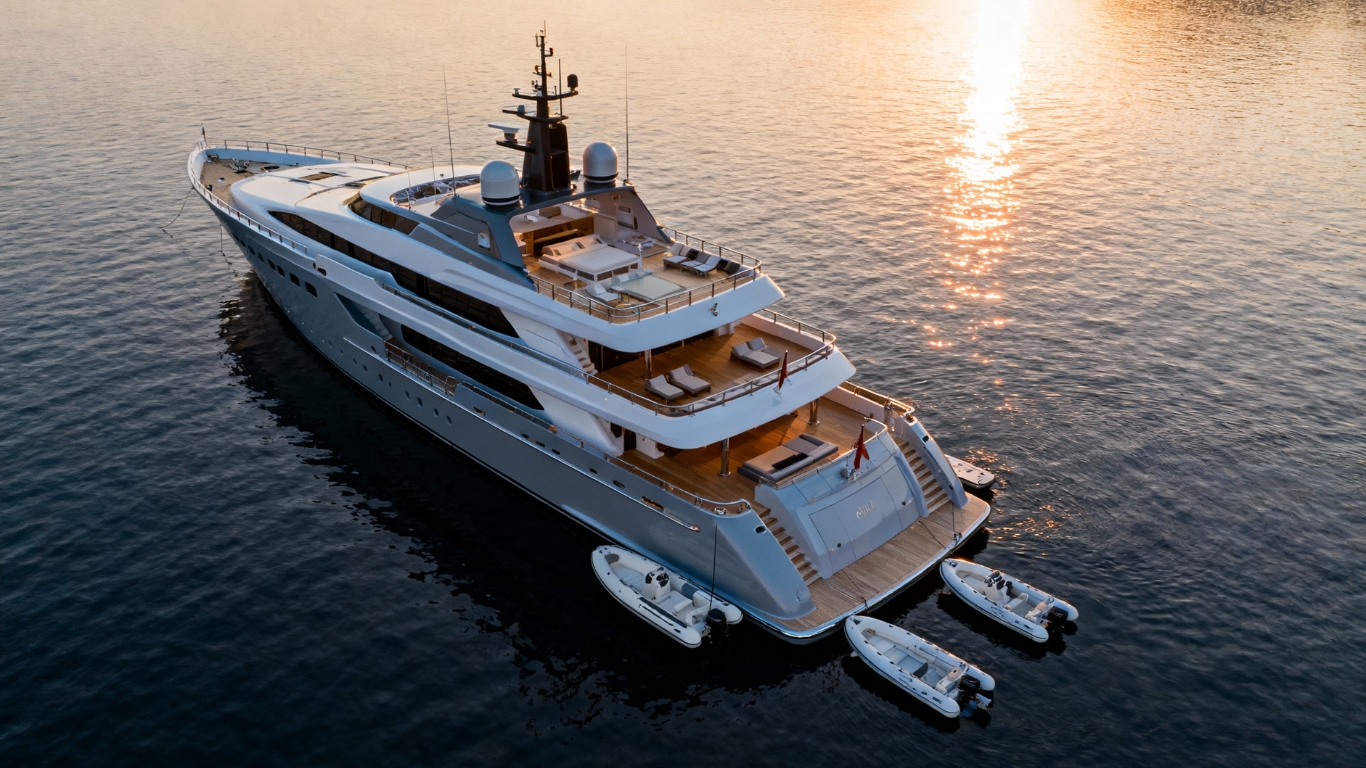

Yacht insurance policies are built to cover several critical areas. You get hull insurance for physical damage, plus protection and indemnity coverage for liability. You can also add extras like fuel supply coverage, towing, and emergency assistance if your yacht becomes immobilized. What you pay depends on the vessel’s age, size, value, and speed. Your homeport, ownership structure, and where you actually sail all factor into the final number too.
Table of contents
- Understanding the Basics of Yacht Insurance
- What Does Yacht Insurance Usually Cover?
- Factors Influencing Your Yacht Insurance Premiums
- What Is Usually Excluded from Yacht Insurance Policies?
- Why Yacht Insurance Is Essential Even If Not Mandatory
- Additional Considerations for Yacht Owners
- Difference Between Yacht Insurance and Boat Insurance
- How to Lower Your Yacht Insurance Costs
Yacht insurance casts a wide net. You get liability protection, hull and machinery coverage, and uninsured boater coverage all in one policy. Search and rescue expenses are included, along with protection against marine environmental damage. You can also choose between agreed value or actual cash value coverage, which determines whether your yacht’s full insured amount or its depreciated value gets paid out after a total loss.
As a yacht owner, knowing your responsibilities under maritime law is non-negotiable. A solid policy can extend to fuel supply, towing, and support from organizations like the USCG. You also get a shield against environmental penalties and fines, which can be eye-watering on their own. Whether you’re sailing local waters or crossing an ocean, comprehensive coverage for your maritime assets is what stands between a manageable incident and a financial disaster.
Key Takeaways
- Yacht insurance covers a wide range of aspects including damages, liability, and emergency assistance.
- Factors influencing costs include the yacht’s specifications and usage location.
- Coverage options vary from liability protection to environmental and pollution coverage.
- Understanding maritime laws and regulations is key to selecting the right policy.
- Yacht insurance is highly recommended even if not legally required.

Understanding the Basics of Yacht Insurance
Owning a yacht means getting serious about insurance from day one. Two areas form the backbone of any solid policy. The first is Hull Insurance, which protects the physical vessel. The second is Protection and Indemnity Insurance, known as P&I, which handles liability. Together, they cover very different but equally important risks.
Hull Insurance
Hull insurance works as an all-risk policy covering damage to your yacht. It guarantees full reimbursement for major damage up to the policy’s agreed amount, covering the entire vessel and some partial losses. That said, items prone to wear like sails and outboard motors are typically left out of the equation.
Hull insurance gives you a choice between market value and agreed value policies. For older vessels, a market value policy pays out based on what your boat is actually worth at the time of the loss. This approach keeps compensation aligned with real-world conditions, which matters a lot as your yacht ages.
Protection and Indemnity (P&I)
P&I insurance earns its place in any yacht owner’s portfolio because maritime law is genuinely complex. It covers legal defense in admiralty courts and extends marine liability protection directly to you as the owner. After an on-water incident, this coverage is what keeps you from navigating the legal fallout alone. It also shields you from a long list of navigational risks and surprise liabilities that a basic hull policy won’t touch.
P&I insurance also helps absorb the costs tied to owning a luxury vessel. Running a high-end yacht is expensive at every turn, and comprehensive liability coverage takes a meaningful bite out of those financial risks.
One of the smarter features of yacht insurance is its built-in flexibility. Coverage can pause when your yacht sits idle, unlike home or auto policies that run continuously whether you use them or not. Many insurers also offer discounts during layup periods, and the longer your yacht stays out of the water, the more you can save.
Underwriters look at a broad picture when setting your rate. Your yacht’s specs, your personal background, and your sailing history all shape the final premium. Installing safety features can actually work in your favor, nudging your rates down in a meaningful way.
What Does Yacht Insurance Usually Cover?
A standard yacht policy casts a surprisingly wide net. Here’s a clear look at what you can expect to be protected against when your coverage is properly structured.
Liability Protection
Liability protection is the foundation of any serious yacht policy. If your vessel causes damage to another boat, a dock, or someone’s property, this is what covers you. Think of it as your financial safety net for on-water accidents.
Hull and Machinery Coverage
Hull and machinery coverage looks after the physical structure of your yacht and its critical mechanical systems. As an all-risk policy, it’s what keeps your vessel operational and your investment protected when something goes wrong.
Uninsured Boater Coverage
Not every boat on the water carries insurance. If an uninsured vessel hits yours and injures you, this coverage steps in so you’re not left absorbing the full cost of medical bills or repairs on your own.
Search and Rescue
Most yacht insurance policies fold in search and rescue coverage as a standard feature. Emergency rescue operations at sea can run into tens of thousands of dollars, and this protection makes sure that bill doesn’t land entirely on you.
Marine Environmental Damage and Pollution Coverage
Environmental fines tied to maritime incidents can be severe. Marine damage and pollution coverage is what protects you from those regulatory penalties, keeping you on the right side of maritime environmental law without draining your accounts.
Agreed Value vs. Actual Cash Value Coverage
When selecting a yacht policy, you’ll face a choice between agreed value and actual cash value. Agreed value locks in a set payout amount from day one. Actual cash value factors in depreciation, which means a lower payout as your yacht ages.
Crew Medical and Personal Coverage
Your crew’s wellbeing matters too. This coverage handles medical costs for crew members following accidents or illness. It can also extend to personal watercraft kept onboard, adding another layer of protection to your overall policy.
Understanding what your yacht insurance actually covers puts you in the driver’s seat when it comes to making smart decisions. The right policy delivers broad security across every aspect of your time on the water.

Factors Influencing Your Yacht Insurance Premiums
Your yacht insurance premium doesn’t appear out of thin air. Several concrete factors shape what you pay each year, and knowing them gives you real leverage to manage costs.
Age and Value of the Vessel
The age and value of your yacht sit at the heart of your premium calculation. Expect to pay somewhere between 1% and 5% of the yacht’s insured value annually. On a $100,000 yacht, that’s roughly $2,500 per year. As your vessel ages and depreciates, that number shifts accordingly.
Speed and Power
High-performance yachts with powerful engines attract higher premiums. The faster your vessel can go, the greater the potential for serious accidents. Insurers price that risk in, and you’ll feel it in your annual bill.
Condition and Type of Vessel
Whether you own a sailing yacht or a motor yacht, the type and condition of your vessel directly affect your premium. Keeping your boat in excellent condition through regular maintenance isn’t just good practice. It can also earn you better rates.
Location of Use
Where you sail matters as much as what you sail. Coastal and offshore waters carry higher risk profiles and therefore higher premiums. Inland waters typically offer lower rates. Your insurer will assess your navigation limits and adjust pricing based on the specific maritime risks tied to your cruising grounds.
What Is Usually Excluded from Yacht Insurance Policies?
Knowing what your policy won’t cover is just as important as knowing what it will. Understanding these gaps lets you fill them before you’re caught off guard on the water.
War Coverage
Standard yacht policies won’t cover damage caused by acts of war. If your vessel ever sails through areas with active conflict or political instability, you’ll want to look into specialist war risk coverage as a separate add-on.
Hurricane Insurance
Hurricanes pose a serious threat to yachts moored in vulnerable coastal regions. But a standard policy often won’t cover hurricane damage. If your yacht spends time in hurricane-prone areas, dedicated hurricane coverage isn’t optional. It’s essential.
Marine Life Encounters
Damage from encounters with marine life is another area standard policies tend to skip. Collisions with large sea animals or damage caused by marine creatures often fall outside basic coverage. Being aware of this gap lets you plan accordingly.
Insects and Mold
Insect damage and mold are two of the most commonly excluded risks in yacht insurance. Both are difficult to prevent over time, and the frequency of these issues means many insurers won’t touch them under a standard policy. Additional coverage is worth considering if your vessel sits in humid or tropical environments.
| Exclusion | Reason for Exclusion | Possible Solutions |
|---|---|---|
| War Coverage | High-risk nature of conflict zones | Purchase special war coverage |
| Hurricane Insurance | Frequent and severe weather events | Get additional hurricane insurance |
| Marine Life Encounters | Unpredictable nature of marine life | Consider specific endorsements |
| Insects and Mold | High occurrence and prevention difficulty | Implement preventive measures |
Getting familiar with these excluded risks puts you in a far stronger position. You can take proactive steps, add the right riders, and face diverse navigational challenges with a genuinely complete insurance strategy.
Why Yacht Insurance Is Essential Even If Not Mandatory
No law forces you to insure your yacht. But the absence of a legal requirement doesn’t make it any less critical. A quality policy protects your vessel, covers marine liability across multiple scenarios, and delivers the kind of comprehensive financial security that self-insuring simply can’t replicate.
Protection Against Unforeseen Accidents
Yacht insurance acts as a financial buffer when the unexpected happens. Insuring a $100,000 vessel runs around $2,500 per year, a relatively modest cost against the potential of a total loss or major damage claim running into six figures. For any serious yacht owner, that tradeoff makes the decision straightforward.
A well-structured policy typically wraps in hull and machinery coverage, uninsured boater protection, and search and rescue expenses. Those aren’t nice-to-haves. They’re the building blocks of real peace of mind.
Compliance with Marina and Bank Requirements
Marinas and lenders frequently make insurance a condition of doing business with them. Without coverage in place, you risk being turned away from your preferred dock or denied financing altogether. Staying compliant protects your access to the facilities and funding your ownership depends on.
The legal requirement may not exist, but the practical case for yacht insurance is hard to argue with. The protection it delivers and the institutional requirements it satisfies make it a non-negotiable part of responsible yacht ownership.
Additional Considerations for Yacht Owners
Getting the right coverage takes more than picking a policy off a list. You need to match your coverage to your actual situation, weighing your vessel’s specific needs against the real risks you’re likely to encounter. Those decisions shape your yacht’s financial protection at every level.
Intended Cruising Area
Where you plan to sail shapes your insurance choices more than most owners realize. Different regions carry their own regulatory frameworks and risk profiles, which affect both coverage and cost. Sailing internationally means you’ll need a policy with clearly defined navigational limits that actually match where you’re going.
Deductibles and Premiums
Finding the right balance between your deductible and your premium takes honest self-assessment. Choosing a higher deductible brings your annual premium down, but it also means a bigger out-of-pocket hit if you file a claim. On a $100,000 yacht insured at roughly $2,500 per year, make sure any deductible you accept sits comfortably within your financial capacity to absorb.
Towing and Salvage Coverage
Towing costs can exceed $400 per hour at sea, and that’s before salvage fees enter the picture. Adequate towing and salvage coverage means those bills don’t land on you alone. Salvage coverage is especially valuable in serious accident or mechanical failure scenarios, giving you a financial lifeline exactly when you need it most.
| Consideration | Details |
|---|---|
| Intended Cruising Area | Influences policy restrictions and coverage limits based on regions’ regulations and risks. |
| Deductibles and Premiums | Higher deductibles lower premiums but increase out-of-pocket expenses during claims. Annual insurance might cost around 1%-5% of yacht value. |
| Towing and Salvage Coverage | Covers high costs of towing, which can be $400 per hour or more, ensuring financial protection in emergencies. |
Difference Between Yacht Insurance and Boat Insurance
Yacht insurance and boat insurance are not the same thing, even though the terms get used interchangeably. The size and value of your vessel drive the differences, and understanding those distinctions helps you choose coverage that actually fits what you own.
Coverage Specifics
Boat insurance typically comes in two forms. Agreed value policies lock in a set insured amount from the start, giving you predictable compensation after a loss. Market value policies pay out based on what your boat is worth at the time of the claim, which can mean less money as the vessel ages and its value falls.
Yacht insurance tends to be far more comprehensive. You’ll often find fuel spill coverage and extended towing services folded into a standard yacht policy as base features, whereas boat insurance usually treats those as expensive add-ons.
Cost Implications
Yacht insurance commands higher premiums than boat insurance, and the reasons are straightforward. Yachts carry greater value and wider coverage needs. Standard boat insurance generally restricts navigation to inland or coastal waters in the US and Canada for vessels up to 26 feet. Yacht policies routinely extend into international waters, and that broader reach comes with a broader price tag.
The vessel’s condition and how you actually use it also feed into the cost. Yacht policies frequently cover items like dinghies and hurricane damage, features that basic boat insurance often leaves out entirely.
Unique Risks and Exposure
Larger yachts face risks that smaller boats simply don’t encounter. International voyages, extended navigation zones, and elevated liability exposure all demand more robust coverage. A marine survey is typically required to identify hidden damage and confirm the vessel’s structural integrity before a policy gets written. Normal wear and tear won’t be covered, so that survey matters.
If you tow a small boat, your auto insurance might cover it. That flexibility doesn’t extend to large yachts. Understanding these nuances is what separates a yacht owner with proper protection from one who discovers their coverage gaps at the worst possible moment.
How to Lower Your Yacht Insurance Costs
Reducing your yacht insurance premium doesn’t mean cutting corners on protection. With the right approach, you can meaningfully lower your annual costs while keeping your coverage solid. Here’s where to start.
Safety Courses and Certifications
Completing certified safety courses sends a clear signal to insurers that you take seamanship seriously. That translates directly into lower premiums. The United States Coast Guard Auxiliary offers recognized certifications that many insurers reward with favorable rates.
Good Driving Records
A clean record both on the water and on the road carries real weight with insurers. Experienced, careful operators are seen as lower risks, and that perception works in your favor at renewal time. Make sure any other operators of your yacht maintain the same standard.
Bundled Policies
Bundling your yacht insurance with your home or auto coverage is one of the simplest ways to cut costs. Major insurers regularly offer multi-policy discounts that add up quickly. It’s worth asking your current provider what they can do when you bring your yacht into the mix. This is the same logic that applies when you’re structuring financial products around a major asset.
Seasonal Layup Discounts
If your yacht spends several months out of the water each year, a seasonal layup discount can make a real dent in your annual premium. The longer your vessel stays in storage, the lower the risk your insurer carries, and the more they’re typically willing to pass those savings on to you.
| Methods | Benefit |
|---|---|
| Safety Courses | Lower premiums due to improved safety records |
| Good Driving Records | Reduced risk viewed by insurers |
| Bundled Policies | Discounts for combining multiple insurance policies |
| Seasonal Layup Discounts | Lower costs when the vessel is not in use |
Putting these strategies to work doesn’t just reduce your insurance bill. It often leads to better sailing habits and a better-maintained vessel overall. Stay consistent with safety, keep up with maintenance, and make a habit of asking your insurer about every discount available to you.