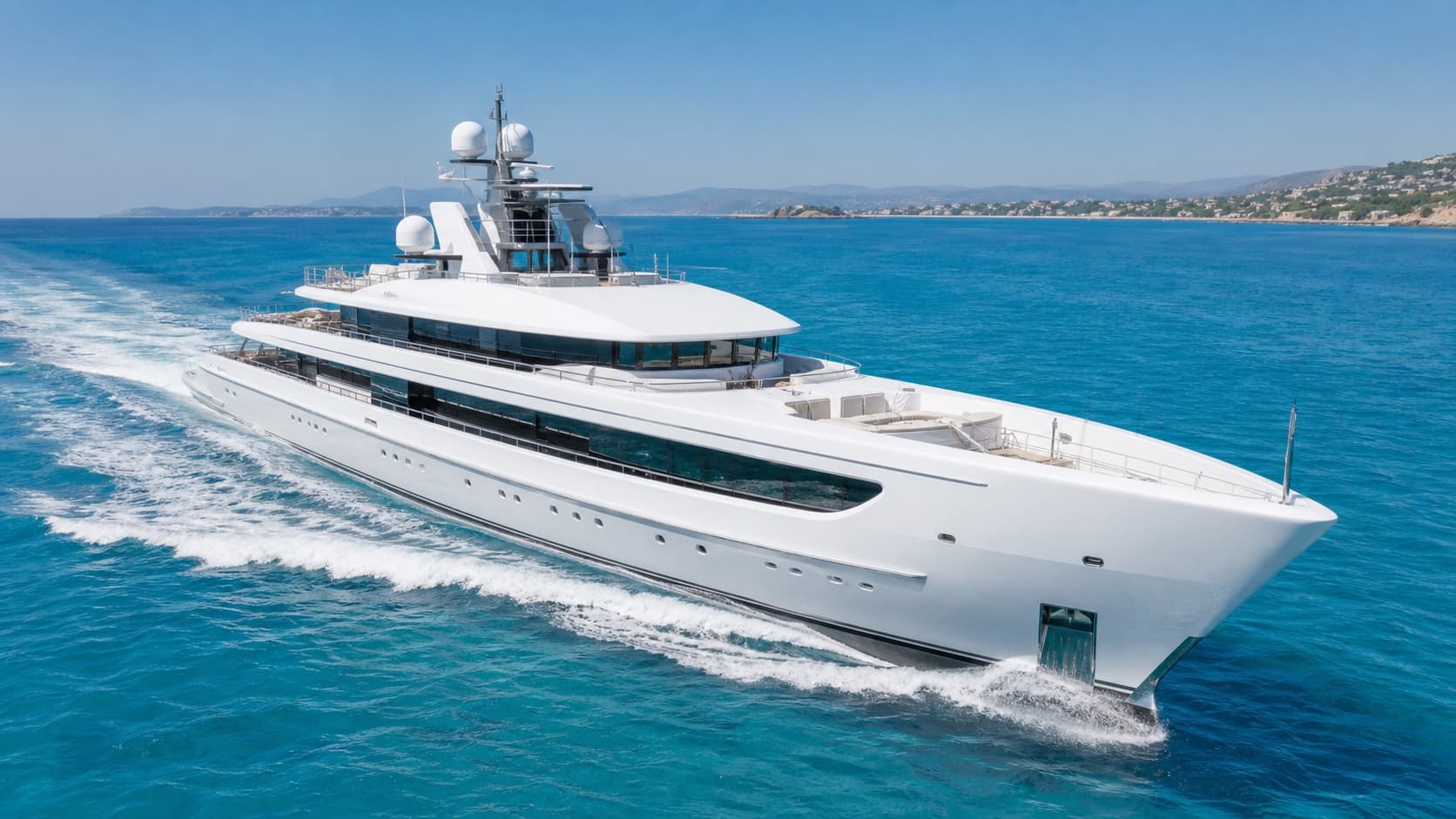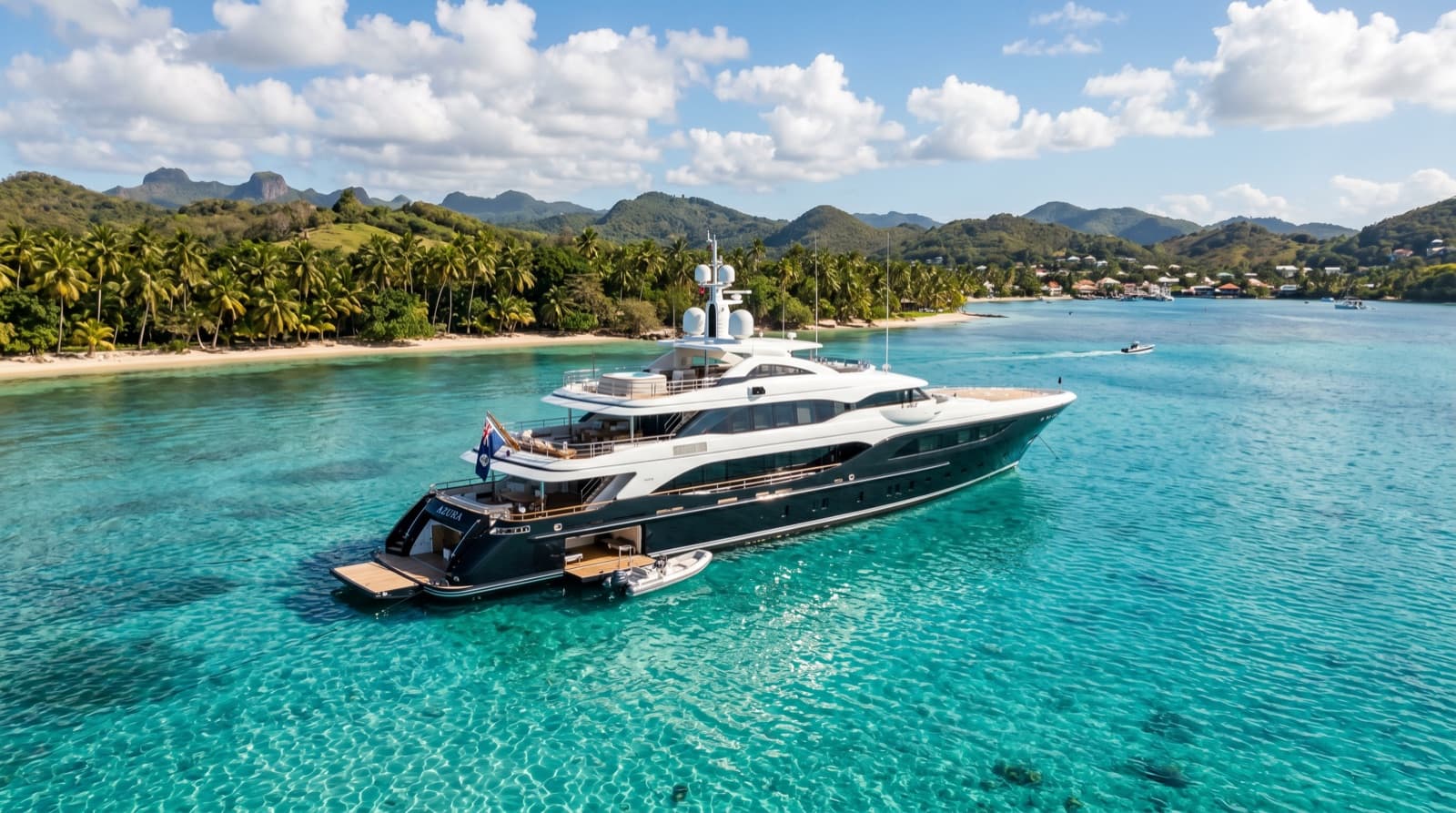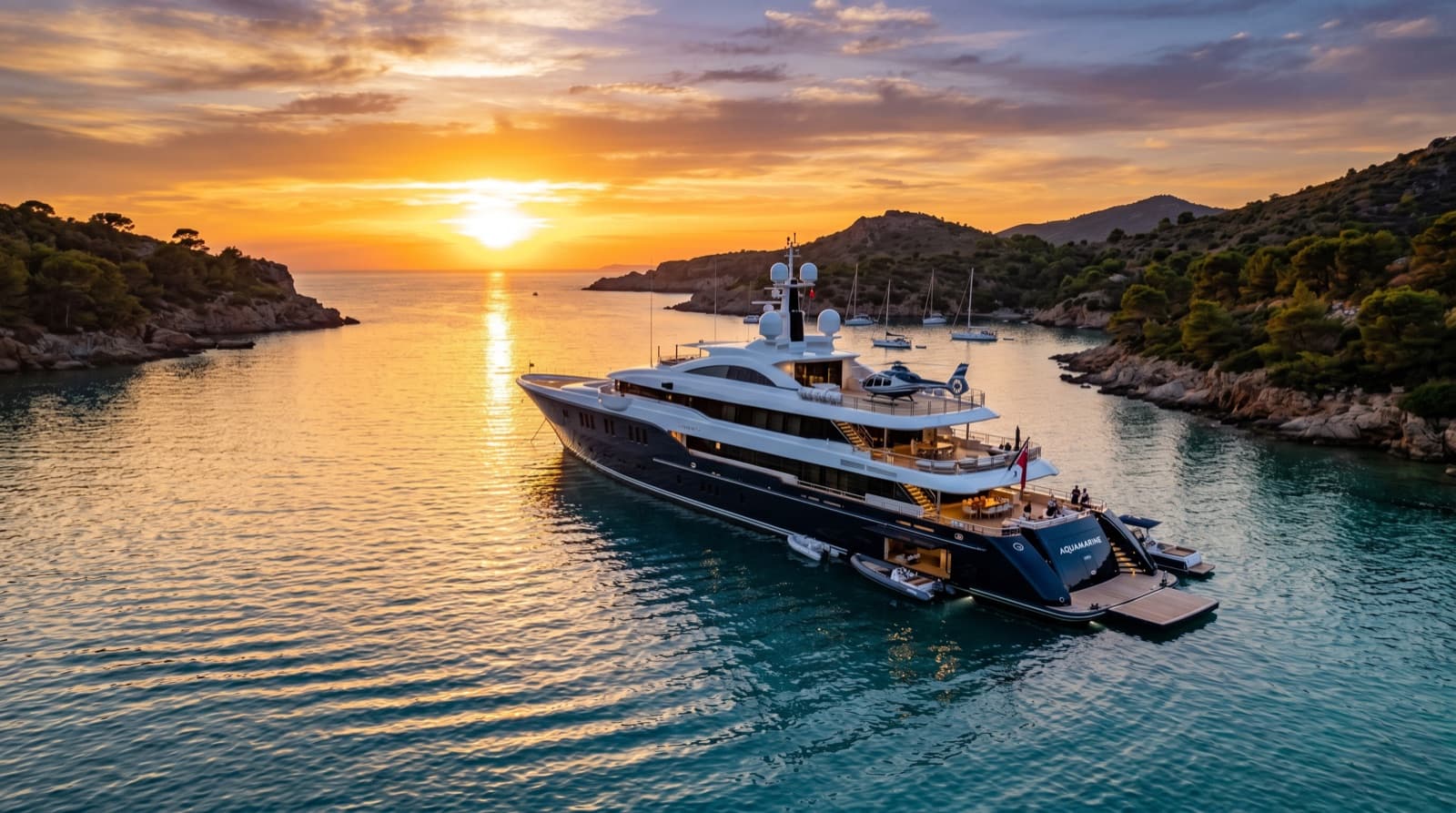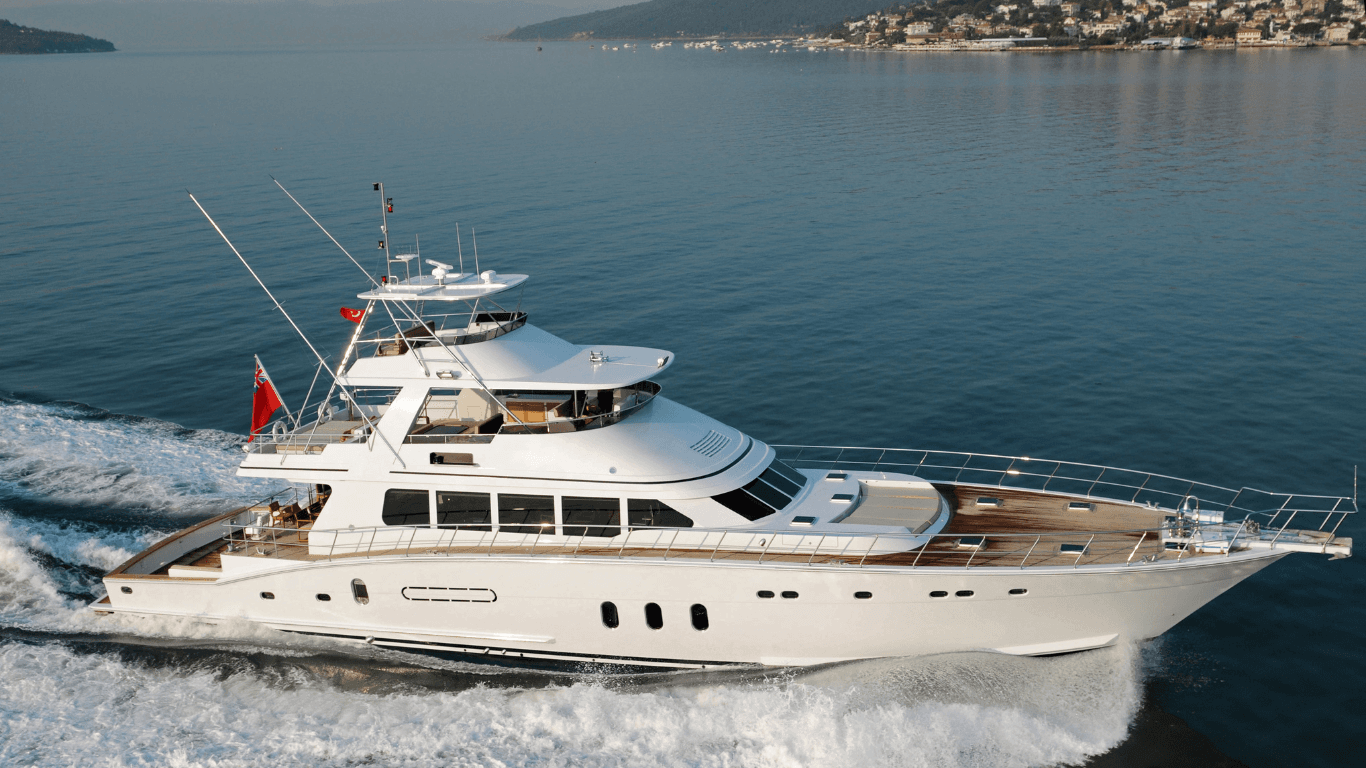
Yacht maintenance and operating costs typically run 10 to 25 percent of purchase price each year, and the variance is structural rather than incidental. The bigger the vessel and the older it gets, the higher the running line. Crew, berthing, insurance, fuel, refit and the recurring routine items all compound across the operating year.
BOAT International's working cost guides, the FT's coverage of luxury asset ownership and the major brokerage houses' annual reports all converge on the same picture: ownership economics are dominated by recurring costs, not by purchase price. What follows is our practical breakdown of where the money goes on a serious vessel, and how to plan for it.
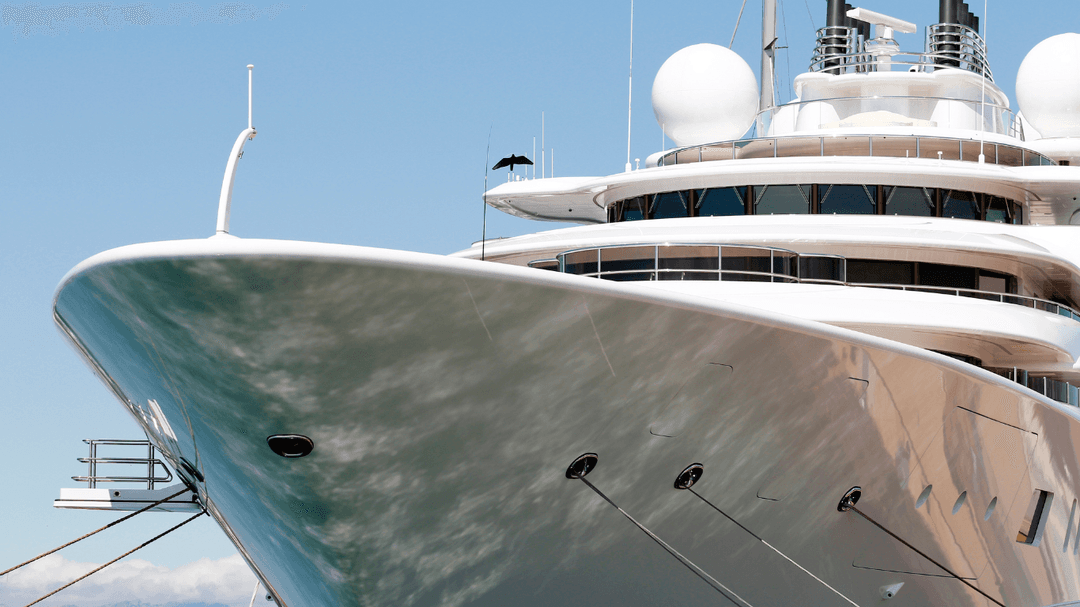
- Yacht maintenance and operation costs typically run at 10 percent of acquisition price annually for well-maintained vessels, with the figure rising for older or more specification-heavy units.
- We see crew salaries, dockage, insurance, fuel and routine maintenance as the foundational annual cost categories across the typical owner-operated vessel.
- Annual haul-out, antifouling renewal and engine maintenance form predictable cost lines, with major refit cycles every five to ten years driving larger lumpy expenditure.
- Marina dockage costs vary enormously by location, with Mediterranean prime marinas including Monaco, Port Hercules and Antibes commanding the highest seasonal rates.
- Insurance premiums reflect vessel value, cruising area, captain experience and the broader claims history, with carriers including Pantaenius, Sterling and Lloyds among the market leaders.
- For most considered yacht owners we view honest cost modelling as the most important foundation for sustainable long-term ownership across the typical fleet horizon.
- Who is this for?
- Yacht owners, captains and the yacht management firms, brokers and insurance specialists framing ownership cost decisions across the global fleet.
- What is happening?
- A read of the costs and expenses of yacht maintenance and operation, covering crew, dockage, insurance, fuel, routine maintenance and major refit cycles.
- When did this emerge?
- The article reflects current market conditions through 2025 and 2026, with reference to the typical multi-year cost arc across the average ownership horizon.
- Where is this happening?
- The piece covers the global yacht ownership cost complex, including Mediterranean, Caribbean and US Atlantic operating zones.
- Why does it matter?
- Cost discipline shapes the long-term viability of yacht ownership, which is why honest budgeting matters more than headline acquisition pricing for most prospective buyers.
Building a working maintenance budget
A serious maintenance budget is the operational foundation of yacht ownership. Owners who skip the planning end up paying twice: once for the deferred work, once for the consequences of deferring it.
Why the budget matters
Like other luxury assets that combine engineering and craftsmanship (much like classic cars in this regard), yachts demand sustained spending to hold their working condition. A vessel that runs into a refit period with documented service history sells at a different price point from one that hits the same period without.
Factors that drive the line
Vessel age, size, build pedigree, prior service history, current condition, location, intended usage pattern. All of these inputs shape the annual cost. Older vessels and larger vessels both drive the percentage upward.
| Yacht Size | Age (Years) | Estimated Annual Maintenance Cost (% of Yacht’s Value) |
|---|---|---|
| Small | 1–5 | 2%–3% |
| Medium | 5–10 | 3%–5% |
| Large | 10+ | 5%–7.5% |
In-house versus professional services
Some owners run as much as possible in-house with a dedicated captain and engineer; others contract to specialist yards for everything beyond routine routines. The economics depend on vessel size, owner preference, and the seriousness of the operational programme. The serious-build cohort almost always uses specialist yards for major work.
Operating costs across the year
Annual operating costs typically run 10-25 percent of vessel value depending on size, age and usage. The biggest lines are crew, berthing, insurance and fuel.
| Yacht Size | Price Range (€ / USD) | Estimated Annual Costs (% of Value) |
|---|---|---|
| Below 50ft (15m) | 500K – 2,500,000 | 10-15% |
| 50ft-70ft (15m-21m) | 2 million – 6 million | 15-20% |
| 70ft-100ft (20m-30m) | 6 million – 20 million | 18-25% |
| Superyachts over 100ft (30m) | Minimum 10 million | 20-25% |
Day-to-day operating
Fuel, water, provisioning, marina dues, communications and consumables on the routine cycle. The daily costs are predictable but the totals compound: a season's day-to-day running can easily land in the mid-six-figure range on a vessel above 30 metres.
Annual and seasonal lines
Haul-out, antifouling, polishing, deeper engine work, classification inspection, electronics calibration. The annual cycle is well-defined and predictable for owners running disciplined yards. Boat International has tracked the annual line at around 10 to 15 percent of purchase price for well-managed mid-tier vessels.
Hidden costs
The surprises tend to be unscheduled repair work, refit overruns, regulatory compliance costs at flag-state level, and the costs of crew turnover. Building a maintenance buffer of 1-2 percent of vessel value into the annual plan is what separates prepared owners from surprised ones. Our companion read on the rise conversation around luxury asset markets covers some of the wider context.
Marina fees and dockage
Berthing is one of the largest fixed costs on a serious vessel, and the variation across markets is meaningful.
French Riviera annual berthing for a 50-metre runs €100,000 to €300,000+ depending on marina. Italian and Spanish equivalents typically come in lower but still meaningful.
Greek marinas (Athens Marina, Mykonos Marina, Flisvos) run noticeably cheaper than the French equivalents. Caribbean marinas (Antigua, BVI, St Maarten) sit somewhere between the two.
Fuel
Fuel is the most volatile line on the operating budget. Consumption scales with vessel size and the type of work the vessel is doing.
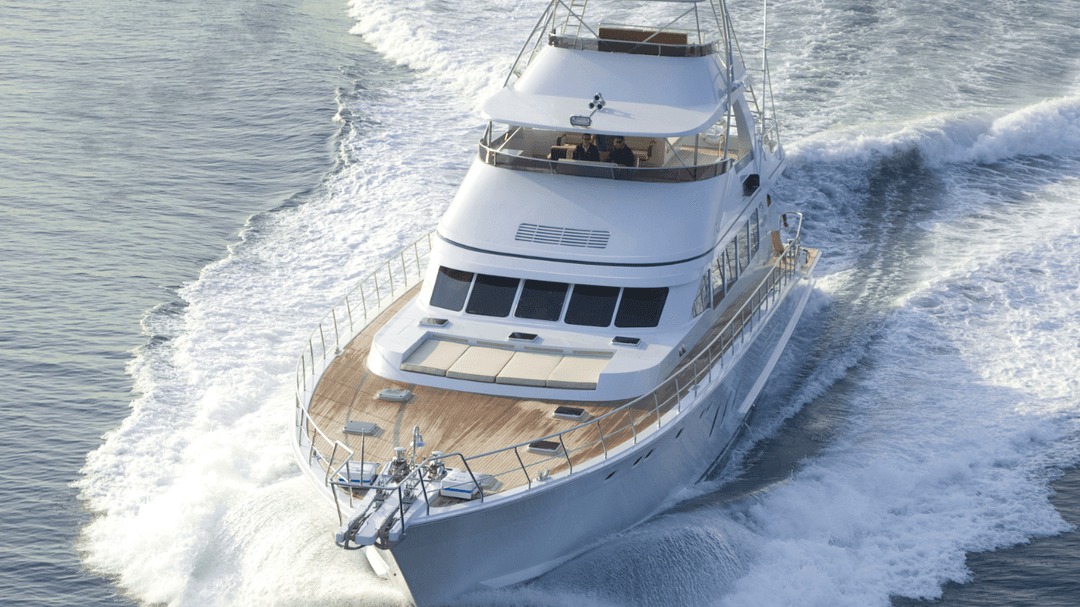
How consumption varies by size
The numbers below assume cruising at typical speeds; running flat-out doubles or triples the burn rate on most diesel installations.
| Yacht Size | Fuel Consumption |
|---|---|
| Below 50ft (15m) | 50-150 liters per hour |
| 50-70ft (15-21m) | 150-300 liters per hour |
| 70-100ft (20-30m) | 300-500 liters per hour |
| Over 100ft (30m) | 500+ liters per hour |
Regional differences
Mediterranean fuel pricing varies materially by jurisdiction and bunkering arrangement. Caribbean fuel is typically more expensive on a per-litre basis but tax structures can offset. The serious operators arrange bulk bunkering through specialist agents and price-fix where they can.
Crew
Crew is the largest single line on a fully-crewed vessel, frequently running ahead of berthing and fuel combined.
| Role | Annual Salary (USD) |
|---|---|
| Captain | $100,000 – $170,000 |
| Chief Engineer | $70,000 – $150,000 |
| Chef | $60,000 – $120,000 |
| Deckhand | $30,000 – $50,000 |
| Steward/ess | $40,000 – $65,000 |
Additional crew costs
Beyond salary, the line includes accommodation, insurance, training, uniforms, repatriation, agency fees and the MLC-compliance documentation. The all-in cost typically runs 1.5 to 2 times the salary line for the working programme.
Insurance
Insurance on a serious vessel is its own discipline, and the premiums can run anywhere from 0.75 to 2 percent of insured value annually depending on the underwriting picture.
Coverage types
Hull and machinery is the structural cover. Protection and indemnity covers third-party liability. Crew cover, war-risk endorsement, charter-use riders, named-storm cover, all sit on top depending on the vessel's working profile.
Premium drivers
Vessel age, cruising area, crew certification, owner profile, claims history and the flag state all shape the premium. Reuters and the trade press have flagged firming premiums across the past two cycles, with named-storm cover particularly hardening. Reuters coverage of the marine insurance market is worth tracking through the renewal cycle.
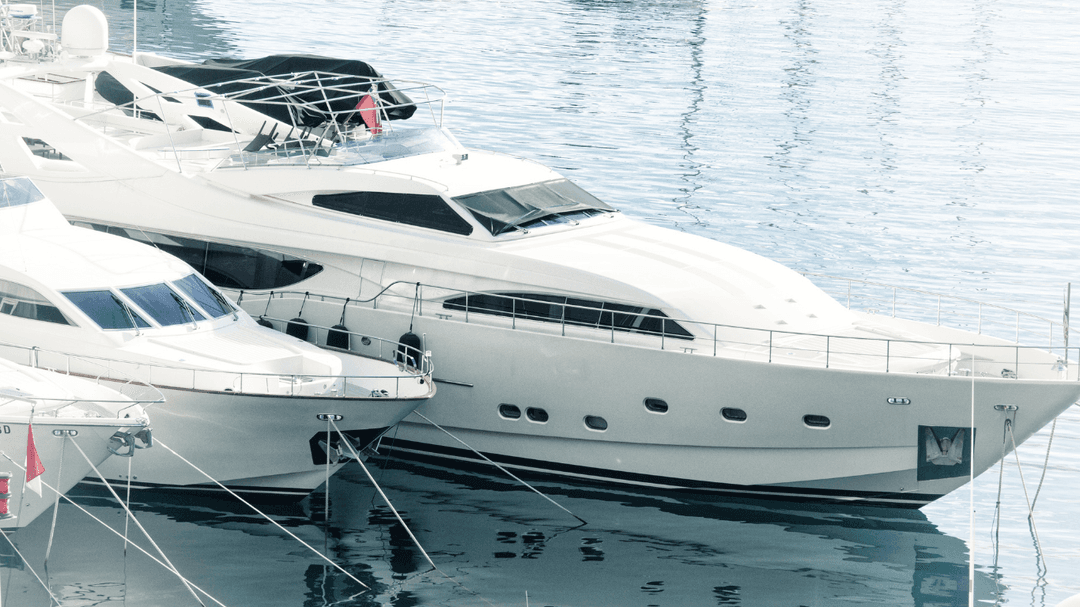
Repair and refit
Refit cycles dominate the long-run cost picture. Most serious vessels go through a major refit every 7-10 years, with smaller refit cycles between.
Routine versus major refit
Routine maintenance handles the recurring items. A major refit can run 15-30 percent of vessel value on a serious build, and on older or harder-used vessels can run higher.
The Italian, Dutch and Northern European refit specialists run the most credible programmes. Robb Report coverage of recent serious refits tracks the working pricing across the cohort.
Cost-saving without cutting corners
Owners who run disciplined yards, who plan refits in advance rather than reactively, and who treat documented service history as part of the working asset value, pay meaningfully less across a multi-year ownership than those who don't. The arithmetic is unambiguous. Our companion read on used yachts covers some of the same trade-offs from the buyer side.
Annual dockage and mooring
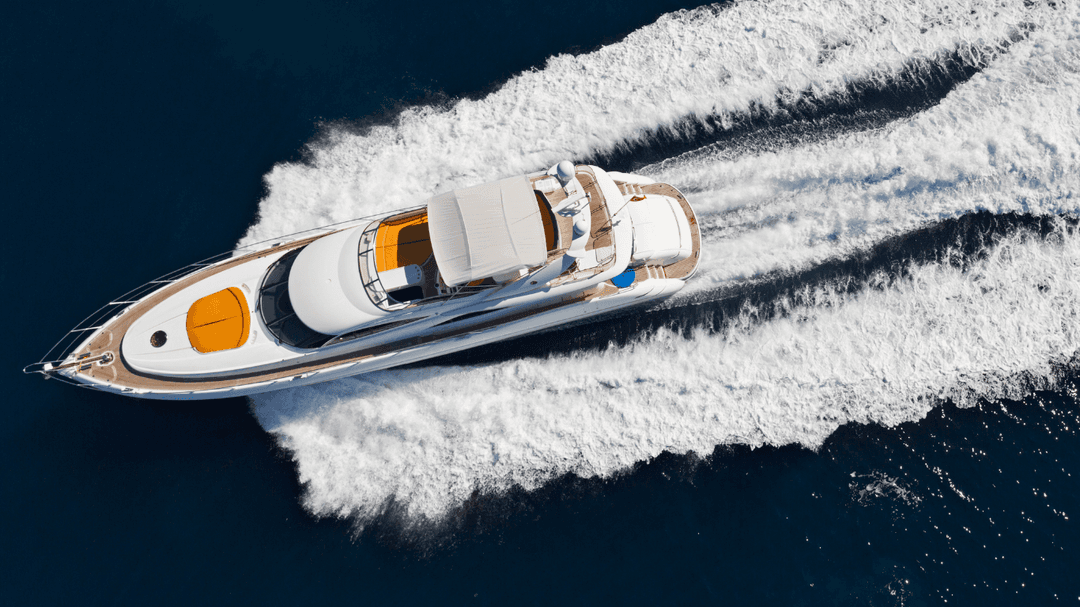
For owners running a smaller vessel or those who base in a less-prominent marina, the line below is the typical working picture.
| Cost Type | Annual Expense Range |
|---|---|
| Marina Dockage Fees | $2,000 – $6,000 |
| Private Dock Storage | $3,000 – $10,000 |
| Dry Rack Storage | $50 – $200/month |
| Trailer Storage | $75 – $400/month |
Outfitting, supplies and equipment
The recurring consumable line is smaller than crew, berthing or fuel, but it runs continuously across the operating year.
Essentials
Safety gear, navigation electronics, communications equipment, basic provisioning, marine cleaning products, lubricants, filters and consumables. The serious operators run inventory management on this line because it adds up.
Equipment upgrades
Tender, jet skis, dive gear, fishing equipment, electronics refresh on a 5-7 year cycle. The water-toy cohort can run six figures on the upper end across the lifecycle of a serious vessel. The wider conversation about luxury asset ownership costs covers parallel categories.
What this means for owners
The total cost of yacht ownership is dominated by recurring lines, not by purchase price. Owners who plan for the recurring lines, who build the maintenance buffer into the annual budget, and who treat the operating year as a structured programme rather than an ad-hoc one, are the ones who finish ten-year ownership periods with vessels still in working condition.
The arithmetic is straightforward. The discipline is not.
For owners approaching this question seriously, the right captain, engineer and yard relationships are worth their cost many times over. Sustained coverage by the Financial Times on luxury asset markets tracks the broader picture. We last reviewed this analysis in May 2026.


Stefanos Moschopoulos
Stefanos Moschopoulos founded The Luxury Playbook in Athens and has spent the better part of a decade following the auction calendar, the en primeur releases, and the watchmakers, gallerists, and shipyards the magazine covers. He writes the field guides and listicles that anchor the Connoisseur section — pieces built on Phillips and Christie's results, Liv-ex movements, and conversations with collectors he has met across Geneva, Bordeaux, Basel, and Monaco. His own collecting habits sit closer to watches and wine than art, and it shows in the level of detail in the magazine's coverage of those categories. Under his direction, The Luxury Playbook now publishes long-form field guides, market-defining year-end listicles, and the Voices interview series with the founders behind the houses and the brands.