
The fine wine investment market is experiencing a remarkable turnaround in 2026, driven by falling interest rates and renewed investor confidence after a prolonged correction. Liv-ex reported a fifth consecutive monthly rise for its key Liv-ex 100 benchmark at the end of January 2026, signaling the emergence of a sustainable recovery that could reshape portfolio allocation strategies for years to come.
This resurgence comes after the fine wine market turned to positive in September 2025 after a near three-year correction following the bull-run that peaked in October 2022. With interest rates beginning to fall and wealth managers reporting unprecedented confidence levels, the conditions are aligning for what many experts believe could be one of the most compelling fine wine investment cycles in recent history.
Table of Contents
Key Takeaways & The 5Ws
- You can benefit from the fine wine market’s strongest recovery signals since 2022, with six consecutive months of index gains
- You should consider the correlation between falling interest rates and fine wine performance, as central banks continue easing policies
- You need to understand that wealth managers are allocating 21-30% of client portfolios to fine wine, up from just 2% in 2025
- You can capitalize on historically attractive valuations, with prices still 25-30% below previous peaks despite recent gains
- You should diversify across Bordeaux, Burgundy, and Champagne, which are leading the current recovery cycle
- Who is this for?
- High net worth investors seeking alternative assets, wealth managers diversifying client portfolios, and collectors looking to capitalize on market cycles. Learn more about high net worth investment strategies.
- What is it?
- A comprehensive analysis of the fine wine investment market’s 2026 rebound, driven by falling interest rates and institutional adoption. Explore our complete fine wine investment market guide.
- When does it matter most?
- During periods of falling interest rates and market uncertainty, when fine wine’s low correlation to traditional assets provides portfolio protection and growth potential.
- Where does it apply?
- Global fine wine markets, particularly Bordeaux, Burgundy, Champagne, and emerging regions like Tuscany and Napa Valley showing strong institutional interest.
- Why consider it?
- Fine wine offers tangible asset protection, inflation hedging, and historically strong returns of 7-10% annually, with current valuations providing attractive entry points.

Interest Rates Drive Fine Wine Investment Revival
The relationship between interest rates and fine wine investment performance has never been clearer than in 2026. In the US, the Fed recently cut the rate by a range of 3.5-3.75%, the lowest level in three years. With the US Federal Reserve and the Bank of England now beginning to cut interest rates, the backdrop for fine wine is becoming more supportive.
Periods of low or falling interest rates have consistently supported strong price growth in fine wine, as investors look for real assets that preserve value when cash returns are weak. This fundamental dynamic is playing out precisely as expected, with the Liv-ex Fine Wine 100 Index has now risen for six consecutive months, signalling stabilisation across the fine wine market after the 2022 to 2025 correction.
The Bank of England’s current policy stance further supports this environment. At its meeting ending on 4 February 2026, the Monetary Policy Committee voted by a majority of 5–4 to maintain Bank Rate at 3.75%. Based on the 15-day average of forward interest rates to 26 January, the market curve implied that Bank Rate would fall to around 3.3% in 2026 H2. This anticipated easing cycle creates an ideal backdrop for alternative assets like fine wine.

Market Performance Shows Sustained Recovery Momentum
The fine wine market’s performance metrics tell a compelling story of sustained recovery. Over the last four months of 2025, the Liv-ex Fine Wine 50 and Fine Wine 100 rose around 2.5%, while the Liv-ex Fine Wine 1000 rose around 1%. While these gains may appear modest, they represent a significant shift in market dynamics.
The quality of this recovery is particularly noteworthy. The clearest behavioural evidence in late 2025 was the improvement in liquidity, particularly in the bid side of the market. One of the best indicators of market sentiment is Liv-ex’s bid:offer ratio, defined as the total value of bids for the total value of offers. This fundamental improvement in market structure suggests the recovery has solid foundations.
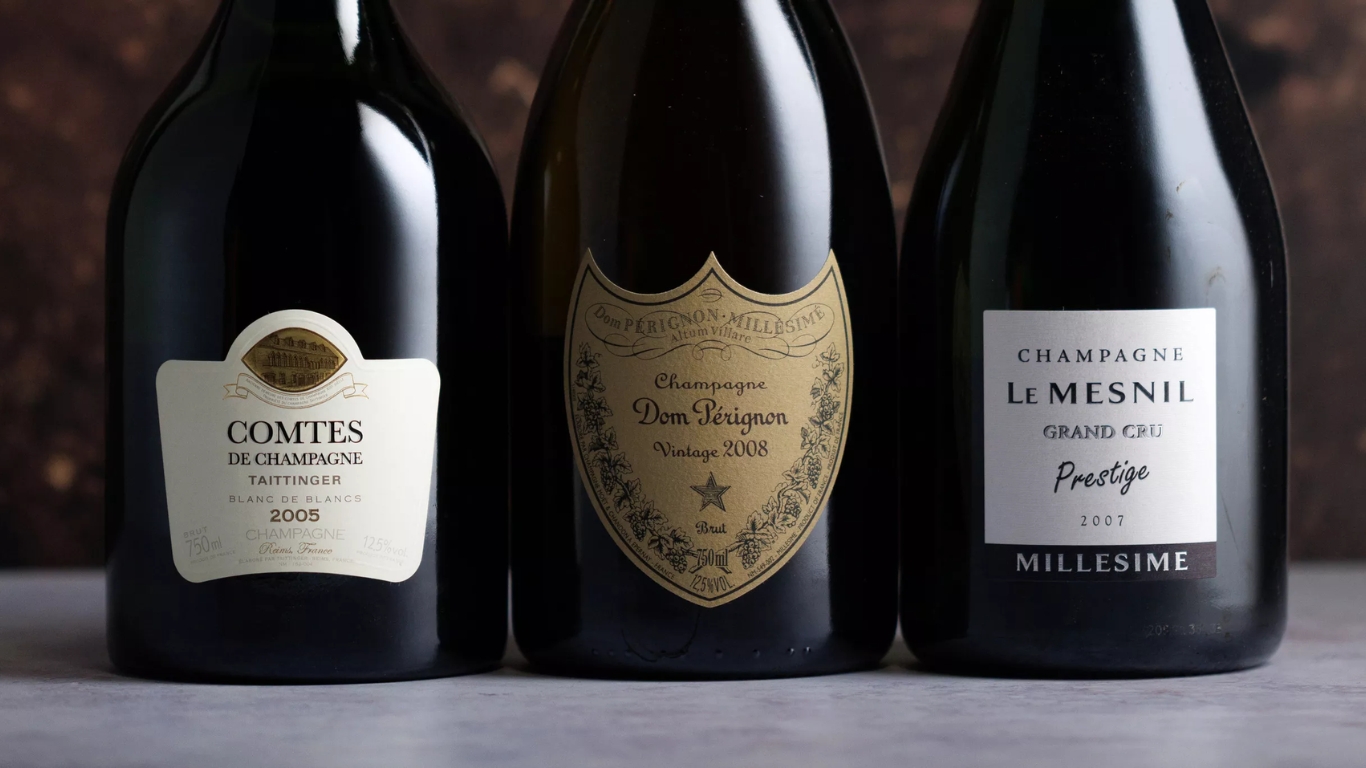
Regional performance has been encouraging across key segments. Current demand for top Champagne drove the Liv-ex Champagne 50 to be the top performing regional index in January, up 0.8%. The stronger price performance of older vintages of exceptional Bordeaux First Growths and key Right Bank wines pushed the Liv-ex Investables benchmark to rise 1.1% in the month.
For context on broader market trends, you can explore our analysis of luxury market trends and how they intersect with alternative investments. The data suggests that there is clear evidence now of a sustainable recovery in the fine wine market.
Wealth Managers Report Historic Portfolio Allocation Increases
Perhaps the most striking development in 2026 has been the dramatic shift in how wealth managers view fine wine allocation. The study – conducted among US-based wealth managers and financial advisors – revealed an unprecedented level of confidence in the sector, with 97% of respondents expecting demand for fine wine to rise over the coming year. This represents the highest figure recorded in the study’s four-year history.
The allocation numbers are particularly striking. The WineCap Wealth Report 2026 found that fine wine is now featuring more prominently and more aggressively in client portfolios. A third of US advisors reported that their clients now dedicate between 21-30% of their total wealth to fine wine, a significant increase from 2025 levels.
This represents a fundamental shift in how fine wine is perceived within institutional portfolios. “This recent jump suggests that fine wine has moved from the periphery of the balance sheet to a core defensive pillar,” the report said. The transformation from niche collectible to mainstream asset class is now undeniably complete.
The drivers behind this allocation increase are multifaceted. Stability and strong returns were seen to be the primary drivers among recipients (71% and 57% respectively) along with sustainability (44%) and liquidity (39%), suggesting that “the historical concern regarding ‘exiting’ wine allocations is rapidly fading”.
To understand how fine wine fits into broader alternative investment strategies, it’s worth noting that this asset class now competes directly with traditional alternatives like hedge funds and private equity for portfolio allocation.
Regional Performance and Investment Opportunities
The 2026 recovery is showing distinct regional patterns that smart investors are capitalizing on. According to Cellar Advisor (2026), fine wine investment is set for a strong year in 2026, with market conditions aligning in favour of long-term investors. Following recent price corrections and renewed confidence across luxury asset markets, investment-grade wines are once again attracting attention for their stability, scarcity, and global demand.
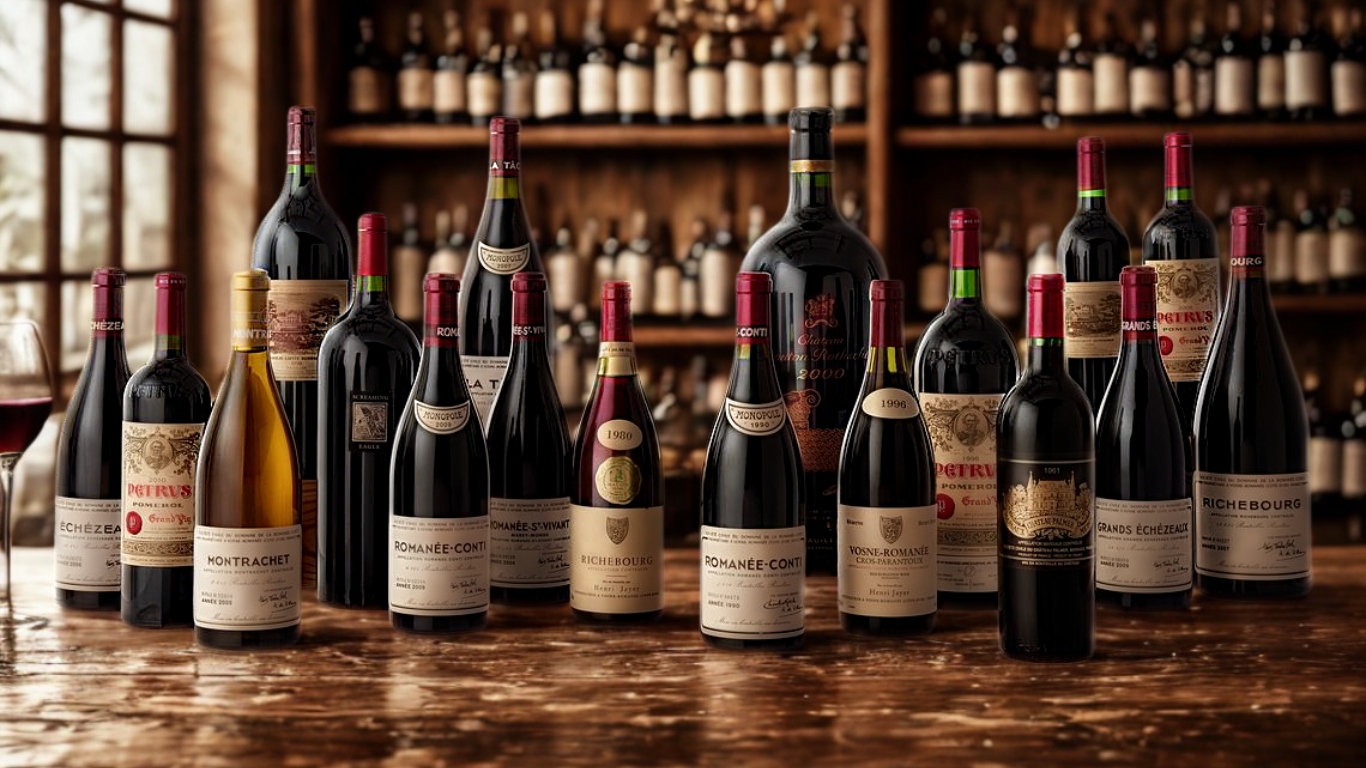
Bordeaux continues to anchor the market with its established liquidity and global recognition. Château Lafite Rothschild is a cornerstone of First Growth Bordeaux investment, known for its prestige, stability, and global recognition. Following recent price adjustments, Lafite presents a strategic buying opportunity as demand is expected to recover in 2026.
Champagne has emerged as a standout performer, benefiting from both celebration demand and investment appeal. Champagne continues to attract investors seeking diversification, with Dom Pérignon offering an accessible yet prestigious entry point. As market confidence improves, Champagne is expected to benefit from increased trading volumes and renewed collector interest.
| Region | 2026 Growth Projection | Key Drivers | Liquidity Rating |
|---|---|---|---|
| Burgundy | 8-12% | Limited availability, collector demand | High |
| Champagne | 8-12% | Global recognition, celebration demand | Very High |
| Bordeaux | 4-6% | Capital preservation, market stability | Excellent |
| Tuscany | 7-10% | Super Tuscan performance | Moderate |
| Napa Valley | 7-10% | US market liquidity | Good |
For those interested in exploring Bordeaux wine investment specifically, the current environment offers compelling opportunities at historically attractive valuations.
Valuation Opportunities and Market Timing
Despite the recent recovery, fine wine valuations remain at historically attractive levels. The market remained roughly 25% to 30% below its previous peak. This valuation gap represents a significant opportunity for investors entering the market.
Despite improving momentum, fine wine prices remain close to five-year lows across many regions and vintages. Historically, this late-stage downturn phase – when prices stabilise before rising meaningfully – has offered some of the most attractive entry points for long-term investors.
The timing considerations are particularly important for strategic allocation. According to Sovereign Resources (2026), looking ahead to 2026, several macro-level trends suggest fine wine could be poised for a rewarding run even after a recent period of consolidation. Macroeconomic conditions are increasingly favourable for alternative assets like wine.
Historical performance data supports the current opportunity. Investment grade wine generally enjoys low-risk, stable growth, and has historically delivered an average Compound Annual Growth Rate of over 10% in the long term. For investors considering wine investment returns, the current cycle presents compelling risk-adjusted opportunities.
The recovery pattern is following historical precedents. Growth periods are typically followed by consolidation phases, during which the market digests gains and builds stability. If the pattern continues, we could now be on the verge of the next growth cycle.
Technology and Market Infrastructure Improvements
The fine wine investment landscape is being transformed by technological advances that are improving transparency and accessibility. Two-thirds (67%) of wealth managers believe AI will be the primary catalyst for market transparency, while 55% of investors now cite ESG credentials as a decisive factor for entering the market.
These infrastructure improvements are addressing historical concerns about market liquidity and price discovery. This shift is supported by the industry’s accelerated modernisation. Expanded global distribution networks, higher transparency, sustainability initiatives, and improved data access are making fine wine more accessible.
The impact of these technological advances extends beyond simple market access. Another interesting takeaway from the report is the emergence of Artificial Intelligence (AI) as a “primary technological accelerant”, capable of building trust, security and confidence, with just under three quarters (74%) of wealth managers expecting AI to do this through enhanced provenance verification and price transparency.
For those exploring the intersection of technology and luxury investments, our guide to luxury asset management provides additional insights into how digital innovations are reshaping traditional markets.
Market participants are also benefiting from improved data analytics and real-time pricing information. This enhanced transparency is reducing information asymmetries that have historically challenged individual investors in the fine wine market.
Long Term Investment Outlook and Strategy Considerations
The long-term outlook for fine wine investment remains compelling, particularly given current market conditions and macroeconomic trends. Looking ahead to 2026, the fine wine investment market is positioned for continued growth and institutional expansion, with analysts projecting a 7–10% return range for diversified portfolios.
The strategic case for fine wine allocation has strengthened considerably. Fine wine fits the bill as a “safe haven” asset: it’s not tied to corporate earnings, and it has historically remained stable (or even gained) in periods of economic stress. If market volatility returns or if interest rates decline going into 2026, capital may rotate into tangible assets like wine that offer both stability and a hedge against currency debasement.
Portfolio diversification benefits remain a key attraction. As inflation pressures persist and public markets remain volatile, wine investors benefit from the asset’s low correlation to traditional equities and its resilience across market cycles. This uncorrelated performance characteristic becomes particularly valuable during periods of market stress.
Regional diversification strategies are becoming increasingly sophisticated. According to Cooler Somm (2026), wine investing in 2026 stands at the intersection of tradition and evolution. Today, investing in fine wine is not about catching speculative surges; it is about disciplined selection, global demand awareness, climatic context, and long-term holding.
For investors considering broader luxury portfolio strategies, our comprehensive analysis of collectible investments provides valuable context for positioning fine wine within a diversified alternative asset allocation.
The institutional adoption trend is expected to continue accelerating. Fine wine’s evolution from passion asset to mainstream alternative investment has been gradual, but it is now firmly established. As the market enters this next phase, attention will increasingly turn to how wealth managers and financial advisers are adapting their allocation strategies.
Frequently Asked Questions
How do falling interest rates specifically benefit fine wine investments?
When interest rates fall, the returns on cash and traditional savings accounts decrease, prompting investors to seek alternative assets that can preserve and grow wealth. Fine wine historically performs well during low interest rate environments because it offers tangible value and has shown consistent appreciation over time. As central banks like the Federal Reserve and Bank of England cut rates, fine wine becomes more attractive as an asset class that can deliver real returns above inflation while providing portfolio diversification.
What percentage of a portfolio should be allocated to fine wine investment?
According to the 2026 WineCap Wealth Report, a third of US advisors now recommend that their high net worth clients allocate between 21-30% of their total wealth to fine wine, representing a massive increase from previous years. However, allocation should depend on individual risk tolerance, investment timeline, and overall portfolio strategy. Most experts suggest starting with 5-15% allocation and potentially increasing based on performance and market conditions. Fine wine works best as part of a diversified alternative asset strategy alongside traditional investments.
Which wine regions are showing the strongest investment performance in 2026?
Champagne has emerged as the top performing regional index in early 2026, with the Liv-ex Champagne 50 rising 0.8% in January alone. Burgundy and top Bordeaux vintages are also showing strong momentum, with older vintages of exceptional First Growths driving significant price appreciation. Tuscany and Napa Valley are projected to deliver 7-10% growth, while Bordeaux maintains its role as a stable, capital-preserving anchor with expected 4-6% returns. The key is diversifying across these regions rather than concentrating in a single area.