Bordeaux has had a structurally quiet decade by its own standards. Serious wine secondary markets rarely experience the kind of correction the Liv-ex Bordeaux 500 has just delivered, and the category implications for serious cellar building through the rest of the decade are meaningful.
- Bordeaux has had a structurally quiet decade by its own standards, with the Liv-ex Bordeaux 500 delivering one of the sharpest corrections in modern secondary-market history.
- The Liv-ex Bordeaux 500 finished 2025 at its lowest annual close in seven years, with the category implications for serious cellar building through the rest of the decade meaningful.
- The named-producer top tier, Bordeaux First Growths and Pomerol apex, has held its structural floor better than the broader Bordeaux 500.
- The en primeur cycle has weakened structurally, with the 2024 campaign drawing the weakest international merchant engagement on record.
- Quietly outperforming producers include selected Right Bank chateaux and a small handful of Super-Seconds delivering apex-tier work at structurally favourable pricing.
- For serious cellars the 2026 Bordeaux market rewards selective buying into the apex and the quietly outperforming tier, not broad index exposure.
- Who is this for?
- Active Bordeaux collectors reading the contemporary market, and cellar builders evaluating where the structural opportunities sit at the apex and the quietly outperforming tier.
- What is happening?
- We give our editor's read on Bordeaux in 2026, with the named-producer apex, en primeur dynamics, and quietly outperforming producers as live structural context.
- When did this emerge?
- The piece reads the late 2025 Bordeaux 500 close through the contemporary 2026 market, with the post-2018 Bordeaux trajectory as live reference.
- Where is this happening?
- Bordeaux broadly, with the Left Bank First Growths, Pomerol apex, and selected Right Bank and Super-Second producers as the structural reference points.
- Why does it matter?
- Bordeaux in 2026 rewards selective buying into the apex and the quietly outperforming tier, and reading the contemporary market correctly matters for serious-cellar strategy.
This is our editorial read on Bordeaux in 2026: where the named-producer top tier sits, what the en primeur cycle is signalling, and which structural shifts serious collectors should be tracking through the rest of the decade.
According to Liv-ex Bordeaux 500 data, the index ended 2025 at its lowest annual close in seven years, against a backdrop of structural buyer-base reshape and the broader fine-wine category recovery sitting unevenly distributed.
Where Bordeaux sits at the start of 2026
The Liv-ex Bordeaux 500 finished 2025 at its lowest annual close in seven years. The named-producer top tier (Bordeaux First Growth) has reset roughly 25% to 35% below the 2017 cycle peak across multiple named producers. The broader Pauillac, Saint-Julien, Saint-Estèphe, and Margaux Second-and-Third Growth tier has compressed even further, with some named châteaux trading at multi-year low entry pricing.
The structural drivers across the past decade have compounded. The 2017 to 2022 cycle saw aggressive en primeur release pricing that the secondary market did not validate. The 2022 to 2025 cycle saw the structural Chinese demand compression that hit Bordeaux First Growth particularly hard.
The 2024 to 2025 US tariff structure compressed importer cash flow at exactly the moment the broader fine-wine recovery would have helped.
The compound effect is sharp. Bordeaux remains the largest individual fine-wine category by Liv-ex secondary-market trade volume, but its structural share has ceded ground to Burgundy across the past decade meaningfully.
The named First Growth tier in 2026
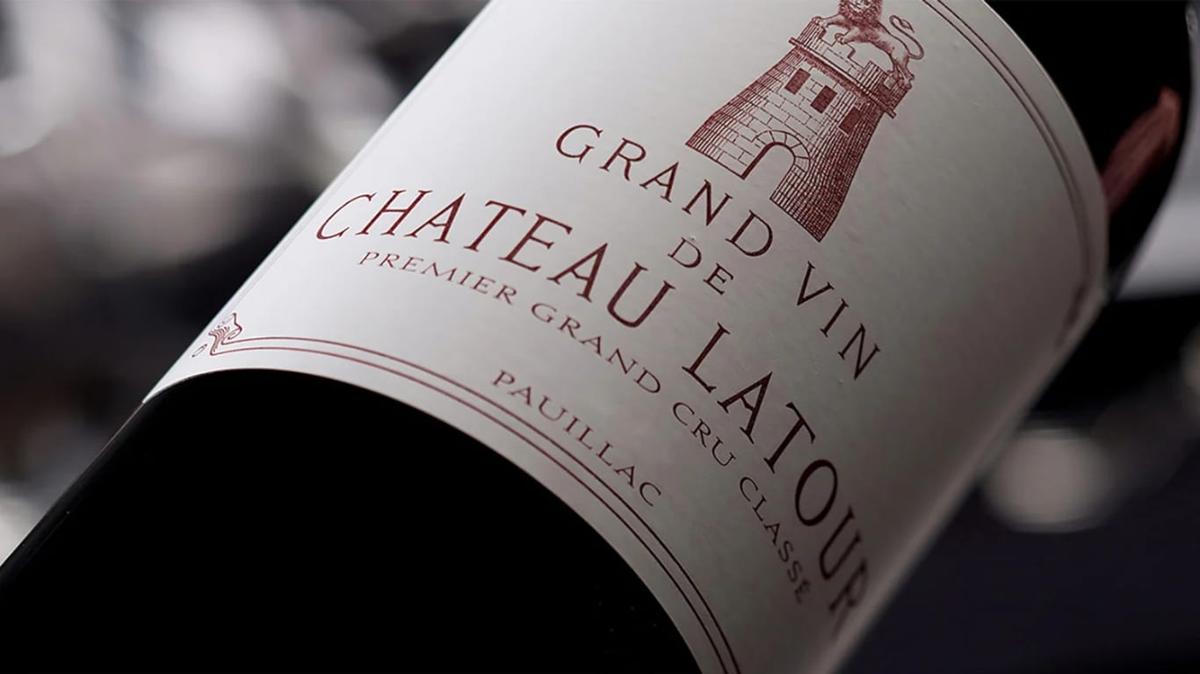
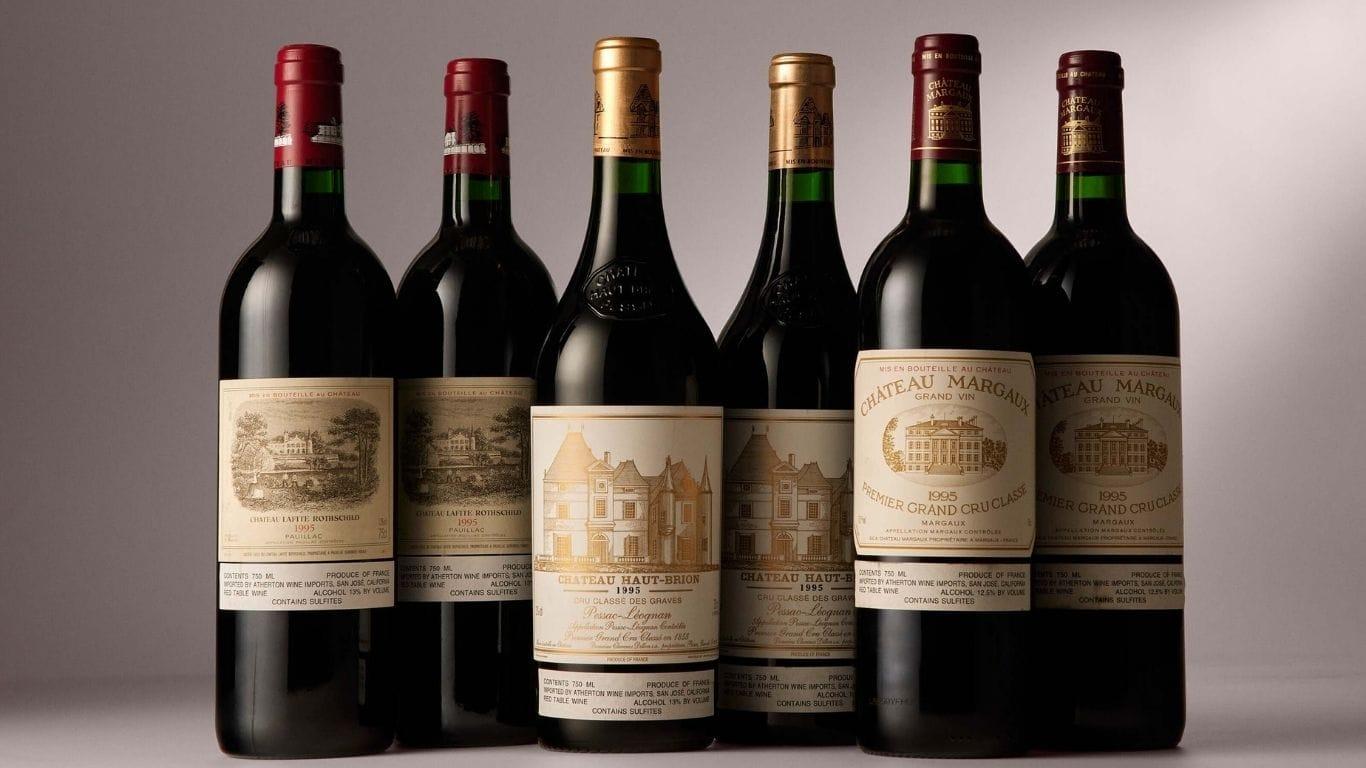
The named First Growth tier continues to anchor serious Bordeaux cellar building. Lafite Rothschild, Mouton Rothschild, Latour, Margaux, and Haut-Brion all continue to release vintage wines at quality levels that anchor multi-decade cellar architecture. The structural compression has created accessible entry pricing across multiple named First Growth vintages that the 2017 to 2022 cycle did not allow.
The 2019 vintage continues to look structurally well-positioned. Bordeaux 2019 was widely regarded as one of the strongest vintages in the past 15 years, with Wine Spectator, Robert Parker (The Wine Advocate), Vinous (Antonio Galloni), and Decanter all rating the named First Growth tier at the structural top of the past-decade vintage range. Lafite Rothschild 2019, in particular, continues to draw serious collector attention through 2026.
The 2020, 2021, and 2022 vintages sit structurally lower in the rating arc. The 2023 and 2024 vintages remain en primeur releases through 2026, with the structural cycle still working through the secondary-market validation. The 2025 en primeur campaign through April-May 2026 will be the structurally most-watched signal across the broader category.
The named Second-and-Third Growth tier
The named Pauillac Second Growth tier (Pichon Comtesse de Lalande, Pichon Baron, Lynch-Bages, Pontet-Canet) sits at structurally favourable entry pricing through 2026. The named Saint-Julien tier (Léoville Las Cases, Léoville Barton, Léoville Poyferré, Ducru-Beaucaillou) sits similarly accessible. The named Saint-Estèphe tier (Cos d'Estournel, Montrose, Calon-Ségur) and the named Margaux tier (Palmer, Rauzan-Ségla) also sit at structurally favourable entry pricing.
The compound effect for serious cellar building is meaningful. The named Second-and-Third Growth tier is one of the structurally most undervalued segments of the named European fine-wine landscape through 2026. The value-to-quality ratio across multiple named producers at the named-tier level is favourable.
The Right Bank picture
The Bordeaux Right Bank continues to function alongside the Left Bank at the named-producer top tier. Pomerol's named producers (Pétrus, Le Pin, Vieux Château Certan, La Conseillante, L'Évangile) continue to anchor structural Right Bank cellar building. Pétrus in particular continues to clear at meaningful collector prices, with named older vintages (1947, 1961, 1989, 1990) continuing to set auction benchmarks at Sotheby's Wine, Christie's Wine, and Hart Davis Hart.
Saint-Émilion's named Premier Grand Cru Classé tier (Château Cheval Blanc, Château Ausone, Château Pavie, Château Angélus, Château Figeac) continues to function across the broader category compression with structural resilience. The structural Right Bank pricing has compressed alongside the broader Bordeaux category through the cycle, but the named Right Bank top tier has held value better than the named Left Bank Second-and-Third Growth tier.
The En Primeur: A Collector's Field Guide question
The en primeur cycle continues to be the structural pricing anchor for the broader Bordeaux category through 2026. The 2024 vintage en primeur campaign through May 2025 saw releases at structurally lower pricing than the 2022 cycle, with multiple named châteaux pricing at 15% to 25% below the prior vintage. The 2025 vintage en primeur campaign through April-May 2026 will be the structurally most-watched signal across the broader Bordeaux category.
The structural collector calculus around en primeur participation has shifted meaningfully. The 2017 to 2022 cycle saw en primeur pricing that the secondary market did not consistently validate, eroding the structural advantage of the channel. The 2024 to 2025 cycle has begun to reset that calculus, with named châteaux pricing at structurally more accessible entry levels.
For broader context on how en primeur fits into serious cellar building, see also Left Bank vs Right Bank Bordeaux: A Cellar Comparison.
The Liv-ex 1000 context
The structural Bordeaux compression sits inside the broader fine-wine recovery picture. Burgundy at the named-domaine tier continues to outperform Bordeaux meaningfully on a multi-year basis. The named Champagne prestige cuvée tier continues to function across the broader cycle with structural resilience.
The named Italian Super Tuscan and Piedmont tier continues to grow share at the named-producer top tier.
The category implications for serious cellar building are clear. The named Bordeaux top tier continues to anchor serious cellar architecture, but the broader weighting across multiple named-producer regions has shifted structurally. Serious cellar building benefits from named-producer top-tier allocation across multiple regions rather than over-concentrated Bordeaux weighting through the rest of the decade.
What this means for serious collectors building Bordeaux positions
The named Bordeaux top tier deserves continued structural cellar allocation. The named First Growth, named Second-and-Third Growth, named Right Bank top tier, and named Pomerol all continue to produce wines at quality levels that anchor multi-decade cellar architecture. The structural compression has created accessible entry pricing across multiple named tiers that the 2017 to 2022 cycle did not allow.
The structural opportunity for serious cellar building sits in the named Second-and-Third Growth tier. The value-to-quality ratio is meaningfully favourable, the named producers continue to release wines at quality levels that anchor serious cellar positioning, and the entry pricing is structurally accessible relative to the cycle peak.
The named First Growth tier deserves disciplined allocation across the cycle. The 2019 vintage continues to look structurally well-positioned, the 2025 vintage en primeur campaign will be the structurally most-watched signal, and the named First Growth top tier continues to anchor serious Bordeaux cellar architecture.
What we watch next
Three signals will tell us whether Bordeaux's structural compression stabilises or continues through 2027. First, the 2025 vintage en primeur campaign through April-May 2026, particularly the named First Growth release pricing. Second, the Liv-ex Bordeaux 500 monthly trade-volume data.
Third, the structural buyer-base composition at the December 2026 Sotheby's Wine, Christie's Wine, and Hart Davis Hart sale calendars.
Bordeaux remains one of the structural anchors of serious cellar building. The current cycle is reshaping the buyer-base composition and the structural pricing rather than the underlying quality of the named producer tier. Patient cellar building remains the play across the rest of the decade.
We last reviewed this analysis in May 2026.