A bottle of 2016 Barolo from a top producer can cost you £80 at retail. A Burgundy of comparable critical score and ageing potential will set you back three to five times that figure. The gap has nothing to do with quality.
Italian fine wine has been systematically overlooked by the global collector market for decades, creating a pricing anomaly that serious buyers are only now beginning to recognise and exploit. The structural undervaluation sits at the centre of how serious cellars are thinking about Italian allocation through the rest of the decade.
This piece examines why that gap exists, which regions and producers offer the strongest opportunities, and how the data stacks up when you compare Italian fine wine prices directly against France, Spain, and Portugal. Whether you buy wine to drink, to cellar, or to collect, the case for looking south of the Alps has rarely been stronger. Fine wine's €30 billion market rewards those who look beyond the obvious names, and Italy is where that opportunity is most concentrated right now.
Key Takeaways & The 5Ws
- You can buy top single vineyard Barolo from benchmark producers at a fraction of the price you would pay for a comparably scored Burgundy.
- You should consider regions beyond Piedmont such as Brunello di Montalcino and Taurasi where critically acclaimed wines still trade well below their quality level.
- You have a narrowing window to buy Etna Rosso from respected producers before international recognition drives prices significantly higher.
- You can track Italian fine wine value objectively by monitoring the Liv-ex Italy 100 index which has outperformed the Bordeaux 500 over five years.
- You should prioritise producers like Giuseppe Quintarelli, Elena Fucci, and Cornelissen whose wines combine genuine scarcity with critical scores above 93 points.
- Who is this for?
- This topic is most relevant for wine collectors, investors, and enthusiastic buyers who want exceptional quality bottles without paying the premiums attached to Burgundy or Bordeaux.
- What is it?
- The main subject is the persistent pricing gap between Italian fine wine and comparable European categories, and how buyers can identify and act on that undervaluation.
- When does it matter most?
- This matters right now because price growth in regions like Etna is accelerating and the opportunity to buy ahead of broader collector recognition is actively closing.
- Where does it apply?
- This applies most directly to the Italian wine regions of Piedmont, Tuscany, Campania, and Sicily where quality routinely exceeds what current market prices would suggest.
- Why consider it?
- This matters because understanding Italian fine wine value allows you to build a cellar of age worthy, critically acclaimed bottles at a meaningful cost advantage over equivalent French alternatives.
Why Italian Fine Wine Value Defies Logic
The numbers are stark. Liv-ex data from 2026 shows that the Italy 100 index, which tracks the 100 most traded Italian fine wines, has delivered stronger five-year price growth than the Bordeaux 500 index, yet absolute price levels sit dramatically lower.
Growth without recognition is exactly the kind of setup patient buyers look for.
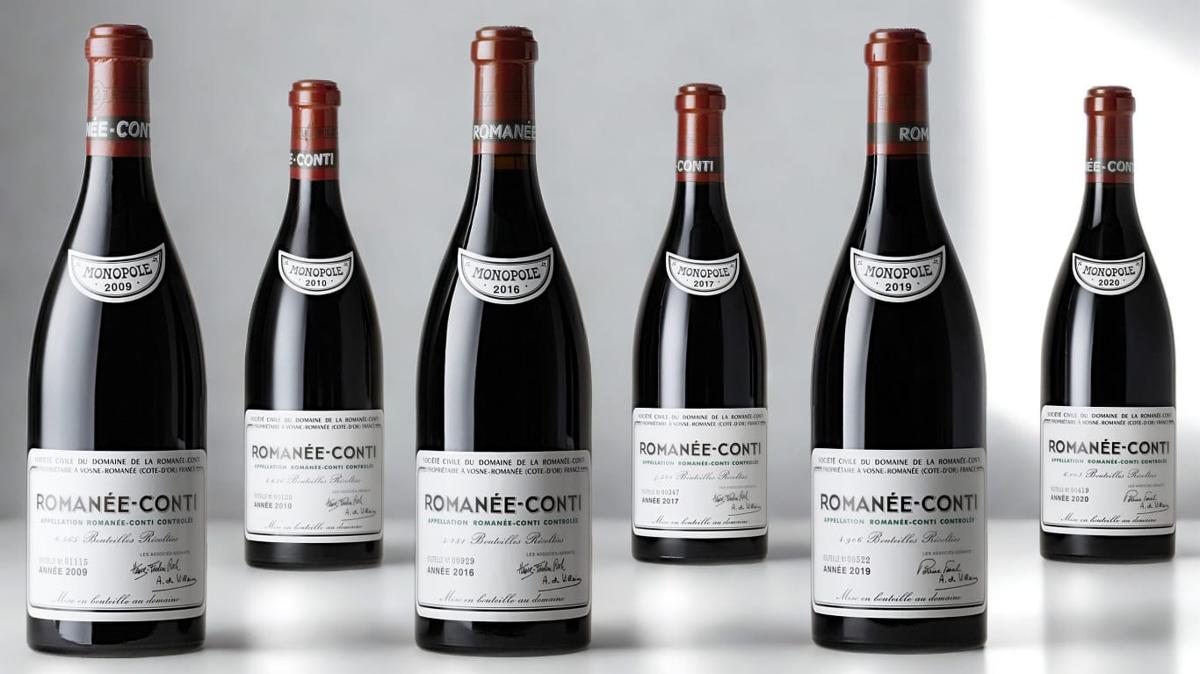
A producer like Giuseppe Quintarelli commands genuine scarcity and critical scores in the high 90s, yet his Amarone trades at a fraction of what a comparably scored Domaine de la Romanée-Conti bottling fetches at auction. Once you examine the numbers directly, the logic simply collapses.
Italy holds more recognised wine appellations than any other country in the world, with 77 DOCGs and 341 DOCs as of 2023, a breadth of terroir and tradition that France cannot match in volume. Yet collector demand has never fully caught up to that reality. The result is a persistent and arguably irrational underpricing of some of Europe's finest bottles.
Take the 2016 vintage, widely regarded as exceptional in both Piedmont and Burgundy. A premier cru Gevrey-Chambertin from a respected negociant trades between £200 and £350 per bottle on the secondary market. A single-vineyard Barolo from a producer like Giacomo Conterno or Bruno Giacosa from the same year sits between £90 and £160.
The critical scores are virtually identical across major publications. The quality differential, by any objective measure, is negligible.

Regions Delivering Consistently Underpriced Italian Wine
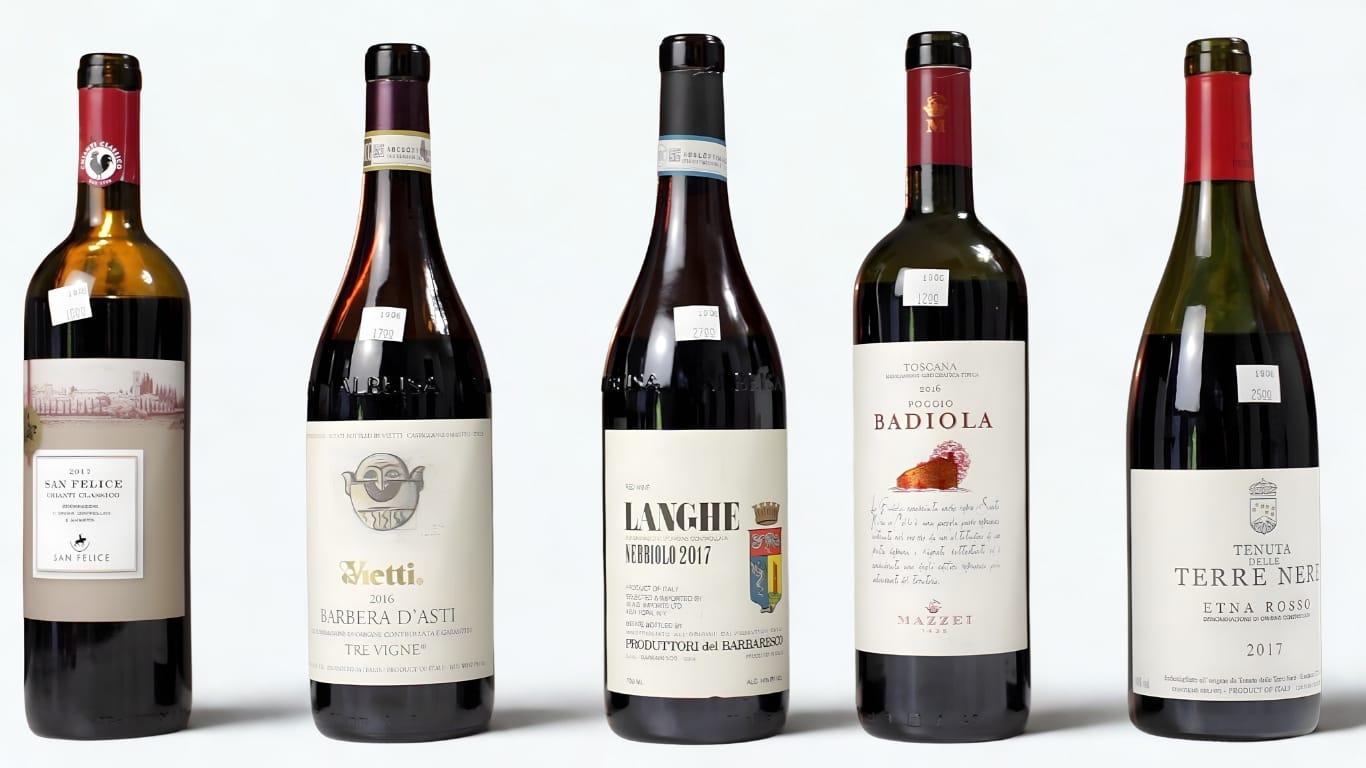
Piedmont dominates the conversation, and for good reason. Barolo and Barbaresco are the highest-profile cases of underpriced Italian wine, but the opportunity extends well beyond the Langhe hills. Brunello di Montalcino from producers like Biondi-Santi, Poggio di Sotto, and Cerbaiona sits in a similar position, age-worthy, critically acclaimed, and priced below what equivalent-quality Bordeaux or Burgundy commands.
Amarone della Valpolicella is another category where quality routinely outpaces price. If you want to understand how Burgundy and Champagne have pulled collector attention away from Bordeaux, that same dynamic explains why Italy has stayed under the radar for so long.
Southern Italy and the islands are where the most dramatic undervaluation now lives. Taurasi, sometimes called the Barolo of the South, offers wines from Mastroberardino and Feudi di San Gregorio that age for 20 years and retail under £40. Aglianico del Vulture from producers like Elena Fucci is even less known, despite producing wines of genuine complexity and impressive cellaring potential.
Mount Etna has captured international attention faster than almost any other emerging region in Europe. Producers like Cornelissen, Passopisciaro, and Benanti are making wines on ancient volcanic soils that offer genuine terroir-driven complexity. Decanter has repeatedly flagged Etna as one of the most exciting fine wine regions on the planet, and the secondary market is beginning to reflect that view.
Entry-level Etna Rosso from respected producers still trades under £30, while top single-contrada bottlings from Cornelissen stay below £80 despite scores regularly exceeding 93 points from Decanter and Wine Spectator. The window for buying ahead of wider recognition is narrowing, but it has not closed.
How Italian Prices Compare Across Europe
Placing Italian fine wine prices in a direct European context makes the undervaluation impossible to ignore. The table below benchmarks approximate secondary market prices for wines scoring 93 to 96 points from major European fine wine regions.
| Region | Country | Score Range | Approx. Price Per Bottle (2024) |
|---|---|---|---|
| Barolo DOCG (top producers) | Italy | 93 to 96 | £80 to £160 |
| Brunello di Montalcino | Italy | 93 to 96 | £70 to £140 |
| Gevrey-Chambertin Premier Cru | France | 93 to 96 | £200 to £400 |
| Pauillac Second Growth | France | 93 to 96 | £180 to £350 |
| Ribera del Duero (Vega Sicilia) | Spain | 93 to 96 | £150 to £300 |
| Douro Superior (Barca Velha) | Portugal | 93 to 96 | £120 to £220 |
The data reveals that even Spain and Portugal, themselves considered value alternatives to France, price their flagship wines above comparable Italian bottles. Italy sits at the value end of the spectrum, not by a small margin but by a factor of two or more across nearly every quality tier.
That is not a niche anomaly. That is a structural mispricing worth paying attention to.
Collector Bias Is Driving This Pricing Gap
The pricing gap is not accidental. It reflects deep-seated collector psychology rooted in decades of Anglo-American market dominance. British and American buyers, who collectively drive the global fine wine secondary market, were educated on Bordeaux and Burgundy first.
Those categories built brand recognition, auction presence, and collector infrastructure long before Italian wines found serious international champions. The structural reputation lag has cost Italian named producers global shelf access at exactly the moment they need it most.
Wine-Searcher's 2023 market analysis noted that Italian wines account for roughly 6 percent of global fine wine auction volume, compared to over 50 percent for French categories combined. That skewed auction presence suppresses price discovery. When fewer bottles trade on the secondary market, price signals are weaker and collector confidence follows suit.
Italy's classification system is genuinely complex. You face 77 DOCGs with overlapping subzones, producer-specific crus, and a tradition of naming wines after obscure vineyard sites that carry no immediate meaning to an international buyer. A Gevrey-Chambertin premier cru communicates quality and geography instantly.
A Barolo Bricco Boschis from Cavallotto communicates nothing to the uninitiated, despite being one of Piedmont's finest single-vineyard bottlings. This cognitive friction suppresses demand, and suppressed demand suppresses prices.
For buyers willing to invest modest time in understanding the classifications, the reward is access to world-class wine at a fraction of what buyers pay who never look beyond France. The knowledge gap is your edge, and right now that edge is wide open. Italian fine wine sits structurally alongside the broader category dynamics covered in wine regions reviews of climate-stress impact.
Best Value Italian Wine Picks for Smart Buyers
Translating the analysis into buying decisions means thinking across both drinking and cellaring timelines. For wines to open within five years, Barbaresco from producers like Produttori del Barbaresco offers exceptional value at £35 to £55 per bottle, with the cooperative's single-vineyard Riserva bottlings delivering perhaps the best quality-to-price ratio in European fine wine.
If you want to go deeper on the mechanics of buying before release, the en primeur guide walks you through exactly how that process works. The structural advantage of named-producer en primeur Italian releases sits in early-access pricing that the secondary-market clearance typically does not match.
For cellaring over ten or more years, Brunello di Montalcino from Poggio di Sotto or Cerbaiona in strong vintages such as 2015, 2016, and 2019 offers strong upside. These are wines that reward patience, and at current prices, the value-to-quality ratio is as compelling as anything else in the European fine wine market.
Top Producers Worth Buying Before Prices Correct
- Giacomo Conterno (Barolo): the Monfortino Riserva remains underpriced against its Burgundy equivalents
- Biondi-Santi (Brunello): the benchmark producer for age-worthy Tuscan wine
- Cornelissen (Etna Rosso): natural wine pioneer with growing international demand
- Elena Fucci (Aglianico del Vulture): tiny production, consistent 93-plus scores, under £40
- Mastroberardino (Taurasi): the historic reference point for southern Italian fine wine
- Produttori del Barbaresco: the most reliable entry point into Piedmontese fine wine
For sourcing, Berry Bros and Rudd and Justerini and Brooks carry strong Italian allocations. For auction access, Sotheby's Wine and Acker Merrall run dedicated Italian sales where pricing frequently sits below retail. En primeur purchasing directly from Piedmontese negociants is also gaining traction, particularly for top Barolo releases.
The window for buying Italian fine wine at these prices will not stay open indefinitely. Decanter's 2024 fine wine investment report flagged Italian bottles as among the highest-conviction value categories in the European market, a signal that institutional and high-net-worth buyers are beginning to move.
If you want to understand how billionaires are quietly positioning in rare wine categories, Italy keeps coming up in those conversations. The time to act is before that movement becomes a trend.
Why is Italian fine wine cheaper than French wine of the same quality?
Italian fine wine value is suppressed primarily by collector bias and market infrastructure, not quality. Anglo-American buyers who dominate auction markets were educated on Bordeaux and Burgundy first, meaning Italian bottles see lower secondary market trading volumes, weaker price discovery, and less institutional investment interest despite comparable critical scores and ageing potential.
We last reviewed this analysis in May 2026.