The fine wine market in 2026 is a €30 billion global business, structured very differently from how it looked at the 2018-2021 peak. The market is more European-weighted, more Burgundy-led, more Italian-inflected, and operates on tighter merchant discipline than at any point in the modern era. The structural picture is one of selective gains alongside meaningful regional compression.
- The fine wine market in 2026 is a 30 billion euro global business, structured very differently from how it looked at the 2018 to 2021 peak.
- The market is more European-weighted, more Burgundy-led, more Italian-inflected, and operates on tighter merchant discipline than at any point in the modern era.
- The structural picture combines selective gains alongside meaningful regional compression, with apex Burgundy and Italian fine wine absorbing the rotation.
- Bordeaux has ceded structural share, with the Liv-ex Bordeaux 500 ending 2025 at its lowest annual close in seven years.
- Champagne has built structural pricing momentum, with the Liv-ex Champagne 50 absorbing collector attention through the broader market correction.
- For serious cellars the 30 billion euro market reads very differently from three years ago, and understanding the contemporary structural shape matters for strategy.
- Who is this for?
- Active collectors reading the contemporary fine-wine market shape, and cellar builders evaluating the structural implications for allocation strategy.
- What is happening?
- We read what the 30 billion euro fine wine market looks like in 2026, with the regional weights, secondary-market depth, and structural risks as live context.
- When did this emerge?
- The piece reads the contemporary 2026 market, with the post-2021 peak correction and the structural rebalancing through 2024 and 2025 as live reference.
- Where is this happening?
- The international fine-wine market, with Burgundy, Champagne, Italian fine wine, and Bordeaux as the structural regional reference points.
- Why does it matter?
- The contemporary 30 billion euro fine-wine market is structurally different from the 2018 to 2021 cycle, and reading it correctly matters for serious-cellar strategy through 2030.
What that €30 billion looks like in practice (which regions carry the volume, where the secondary-market depth sits, what categories drive growth, and where the structural risks live) is the question that defines how serious cellars should be reading the 2026 market.
This is our editorial read on the modern fine wine market and where it stands.
The headline numbers
The combined global fine wine market (including secondary-market trading, en primeur, direct-to-collector allocation, and the wider serious-tier merchant business) is currently sized by Liv-ex, Wine-Searcher, and the broader industry data at approximately €30 billion in annual transaction value across 2024-2025.
The major auction houses (Sotheby's, Christie's, Acker, Zachys, Hart Davis Hart) combined to clear north of $500 million in fine-wine sales across 2024 alone, with the 2025 totals tracking similar or higher. The broader merchant secondary market (Bordeaux Index, Berry Bros & Rudd, Farr Vintners, Justerini & Brooks, and the equivalent European, Asian, and US merchant network) carries multiples of the auction-house volume.
The Liv-ex Fine Wine 1000 index, the broadest single index covering the secondary market, has carried structural gains across the post-2020 cycle, even with the late-2022 correction that compressed parts of the wider market. The Burgundy 150 and Champagne 50 have been the dominant index gains. Bordeaux 500 and Italy 100 have carried more selective activity.
Regional composition
The regional composition of the modern fine wine market reflects the structural rotation that has defined the post-2020 era. Burgundy now carries the largest share of secondary-market trading volume on Liv-ex, with the Grand Cru and Premier Cru tier driving consistent gains across the past five years.
Bordeaux remains the structurally deepest single category by total active production and merchant book, but has ceded share to Burgundy across the rotation. The Liv-ex Bordeaux 500 has been the most consistently challenged regional index across the post-2020 cycle. The wider Bordeaux picture is something we have covered in detail.
Italian fine wine has been the largest category gainer in absolute trading-volume terms. Sassicaia, Masseto, Solaia, the Bruno Giacosa Barolo tier, Giacomo Conterno's Monfortino, and the wider apex Brunello, Chianti Classico Riserva, and Barbaresco tier have all built meaningful international collector recognition across the past five years.
Champagne has built its own parallel category gain. The vintage Krug, Dom Pérignon, Salon, Bollinger Grande Année, and the wider grower-Champagne single-vintage tier from Selosse, Egly-Ouriet, Pierre Péters, Cédric Bouchard, Agrapart, Vouette et Sorbée, and Ulysse Collin have all carried sustained secondary-market gains. The wider serious Champagne picture is layered, with the apex tier carrying structural gains alongside more nuanced volume-tier challenges.
Geographic demand
The geographic demand picture has rebalanced meaningfully from the 2018-2021 pattern. The United States is once again the largest single national buyer base, accounting for roughly 50-55% of total fine-wine auction clearing volume across 2024 and the first three quarters of 2025.
The European demand picture has structurally strengthened across the same period. The London-based fine wine merchant network (Berry Bros & Rudd, Justerini & Brooks, Farr Vintners, Corney & Barrow, Bordeaux Index) has reported meaningfully expanded continental European and UK collector participation across the post-2020 cycle. The Bordeaux Index annual report notes that European share of total secondary-market clearing has structurally returned to its mid-2010s position.
The Asian demand picture is more bifurcated. Mainland China demand has compressed meaningfully since 2022, with the structural pull-back affecting both volume-tier and premium-tier categories. Tokyo, Singapore, Seoul, and Taipei have each built meaningful serious-collector depth across the same period, with the Northeast Asian markets carrying the supportive demand that has partially offset the China compression.
The wider context of how the regional demand has rebalanced is set out in our The Fine Wine Market in 2026: A Collector's Read, which covers the full demographic and geographic picture.
Producer-side structural shifts
The producer side of the €30 billion fine wine market has rotated alongside the demand side. The apex producers across each major regional category have built structural discipline (allocation lists, en primeur pricing, merchant relationships) that supports the broader market.
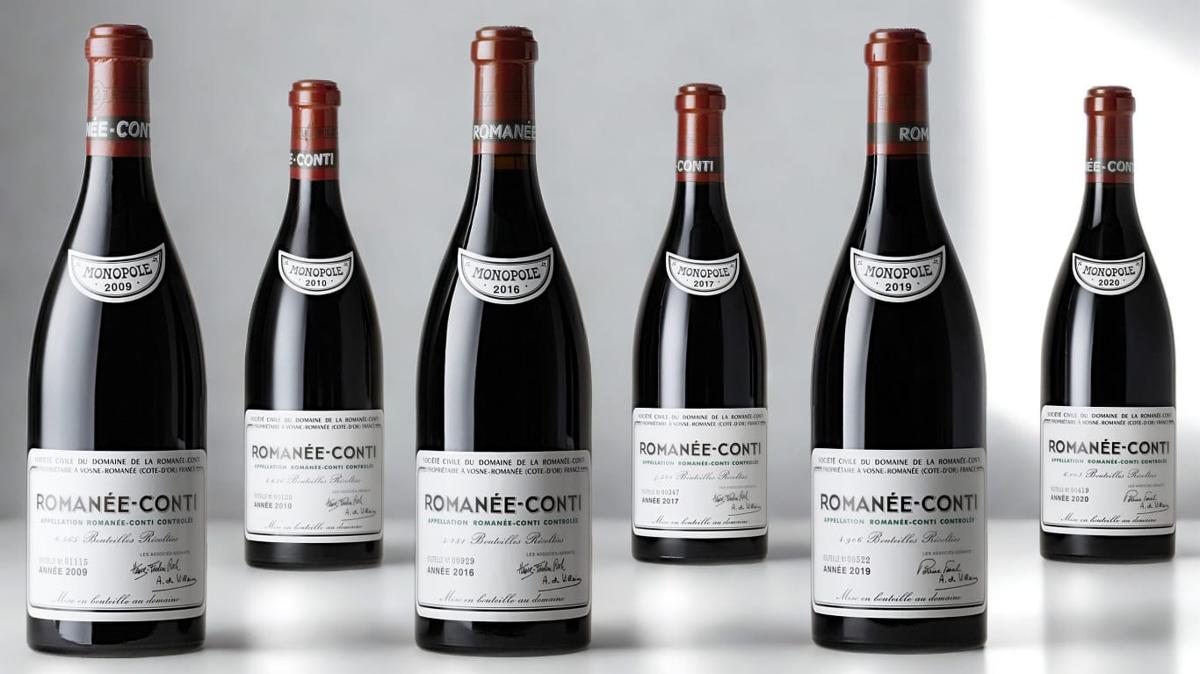
The Burgundy apex (DRC, Leroy, Roumier, Rousseau, Coche-Dury, Comte de Vogüé) has maintained allocation discipline that meaningfully exceeds the equivalent Bordeaux pattern. The Place de Beaune merchant network operates on tighter collector-history discipline than the Place de Bordeaux negociant network does, which is part of why Burgundy has built structural pricing advantage across the rotation.
The Bordeaux apex (First Growths, Pétrus, Lafleur, Le Pin, Cheval Blanc, Ausone) has begun, across the 2024 en primeur campaign, to restore some of the release-pricing discipline that had eroded across the prior decade. The 2024 release campaign saw meaningful discounts to the prior vintage. Whether the 2025 en primeur campaign launching in spring 2026 carries the same discipline is the structural question for the wider Bordeaux category recovery.
The Italian fine-wine apex (Sassicaia, Masseto, Solaia, Tignanello, Monfortino, the Brunello tier) has built genuinely tight allocation discipline across the past five years. Producers in this tier hold strong international merchant relationships and are not heavily exposed to the structural en primeur pressures that have challenged Bordeaux.
The wider category framework
The €30 billion fine wine market is, in our editorial read, structurally healthier than it was at the 2018-2021 peak. The market is broader, more European-weighted, less concentrated in any single national demand base, more diversified across producer regions, and operates on tighter merchant discipline.
What is also true is that the market is structurally more bifurcated. The apex categories (Burgundy Grand Cru and Premier Cru, vintage Champagne, Italian fine wine apex, Bordeaux apex) are carrying meaningful structural gains.
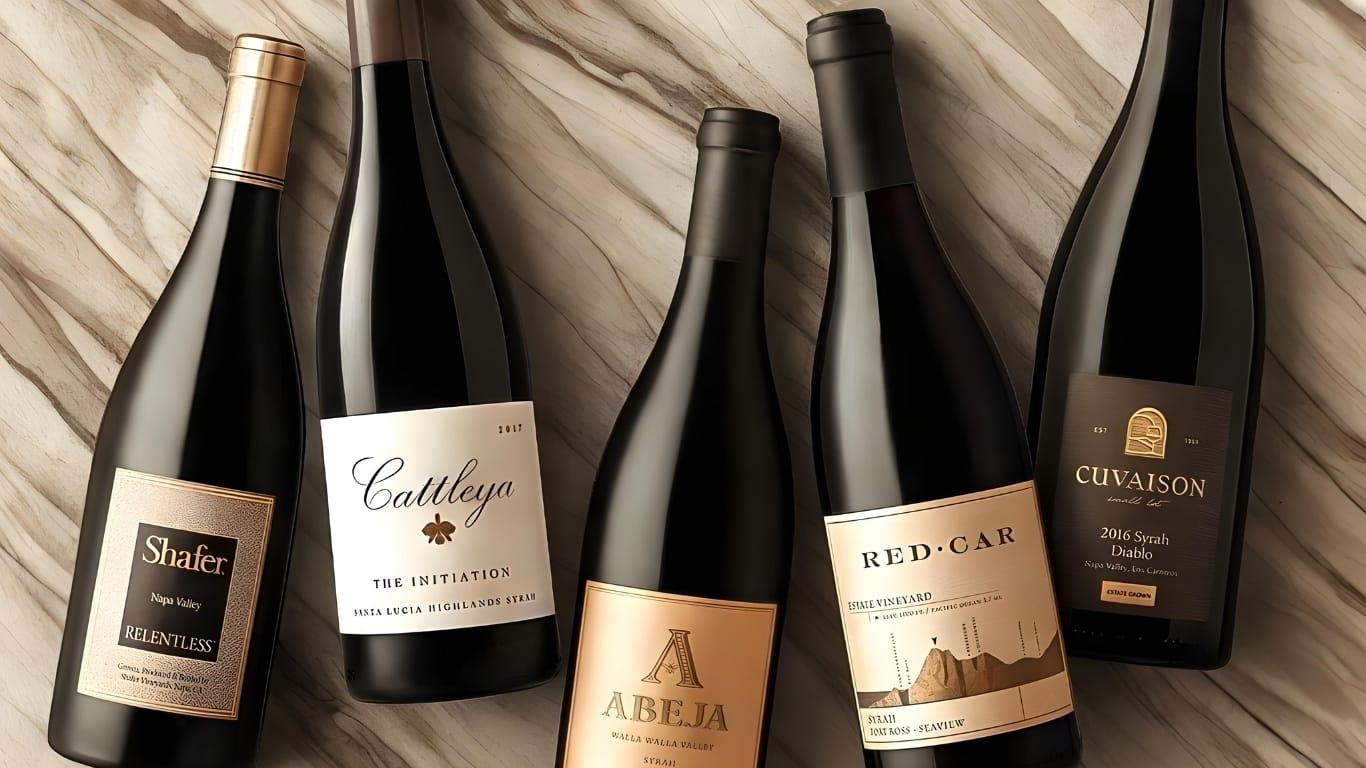
The categories below the apex (Bordeaux Cru Bourgeois and second-tier Cru Classé, Australian premium Shiraz outside Grange and Hill of Grace, parts of the Cult California tier outside Screaming Eagle and Harlan, the South American serious tier) are carrying more measured activity.
The category-level reading matters most for collectors building positions. Where the apex tier benefits from durable demand, the second tier requires more selective attention. The structural rotation has not lifted all categories equally.
For collectors thinking about the broader investment context, our work on Wine Investment Funds – Definition & How To Invest In Them sets out the wider framework for how serious collectors can access the category at scale beyond direct cellar building.
What this means for collectors
The straightforward read for serious cellars in 2026 is that the fine wine market is structurally healthier than at any point in the modern era, but the gains are concentrated. The apex categories carry the dominant share of the structural recovery. The wider second-tier categories have not benefited equally.
The strategic framework for serious cellars is to weight new positions toward the apex producers in each major regional category, retain selectively across the second tier where pricing has decompressed enough to make the position attractive, and approach the broader volume-tier producer landscape with disciplined attention to allocation discipline and merchant participation.
What collectors should expect across the next 18 to 24 months is structural continuity of the post-2020 rotation, with selective gains at the apex and more nuanced activity below. The 2026 market is not the 2018-2021 peak. It is a different and, in our editorial read, structurally more sustainable shape for the wider category.
What we will watch next
Three structural signals. First, whether the 2025 Bordeaux en primeur campaign launching in spring 2026 delivers release pricing that restores the structural discount and rebuilds merchant trust. Second, whether the Burgundy apex categories continue to carry secondary-market gains across the 2026 release cycle or whether the structural rotation begins to stabilize.
Third, whether the mainland Chinese collector participation returns to pre-2022 patterns, which would meaningfully reshape the regional demand picture across all major categories. Each signal will shape what the €30 billion picture looks like in 2028 and 2030.
We last reviewed this analysis in May 2026.