The fine wine market is rebuilding from one of its sharpest corrections in two decades. The Liv-ex Fine Wine 100 finished its longest drawdown in modern record in late 2025, and the early 2026 readings show the first sustained positive month-over-month moves since the cycle peaked in 2022.
- The fine wine market is rebuilding from one of its sharpest corrections in two decades, with the Liv-ex Fine Wine 100 finishing its longest drawdown in modern record in late 2025.
- The early 2026 readings show the first sustained positive month-over-month moves since the cycle peaked in 2022.
- Monthly trading volumes on Liv-ex have recovered to roughly 70 percent of the 2022 peak, while average price levels across the Liv-ex 1000 sit 14 percent below the same peak.
- The recovery is concentrated in three segments, Burgundy at the named-domaine top tier, Champagne in vintage bottlings, and Italian fine wine.
- Bordeaux has not led the rebound, with the Liv-ex Bordeaux 500 lagging the broader market across the early 2026 cycle.
- For serious cellars the recovery is real but uneven and fragile, with the structural picture rewarding selective buying into the leading segments.
- Who is this for?
- Active collectors reading the contemporary fine-wine recovery picture, and cellar builders evaluating where the rebound is structurally concentrated.
- What is happening?
- We read what the fine wine market recovery looks like under the bonnet, with the segment leadership, structural fragility, and Liv-ex data as live context.
- When did this emerge?
- The piece reads the late 2025 drawdown end and the early 2026 recovery cycle, with the post-2022 peak correction as live structural reference.
- Where is this happening?
- The Liv-ex global market, with Burgundy, Champagne, Italian fine wine, and Bordeaux as the structural regional reference points.
- Why does it matter?
- The fine wine market recovery is structurally uneven, and reading where it is actually showing up matters for serious-cellar timing and allocation strategy.
The recovery is real, but it is uneven, and it is fragile in ways that matter for how collectors build positions. This is our editorial read on what the rebound looks like under the bonnet, and which segments are leading.
According to Liv-ex, monthly trading volumes on the platform have recovered to roughly 70% of the 2022 peak, while average price levels across the Liv-ex 1000 sit 14% below the same peak.
Where the recovery is showing up first
The recovery is not broad-based. It is concentrated in three segments: Burgundy at the named-domaine top tier, Champagne in vintage bottlings, and Italian fine wine across Piedmont and Tuscany. Each tells a different story.
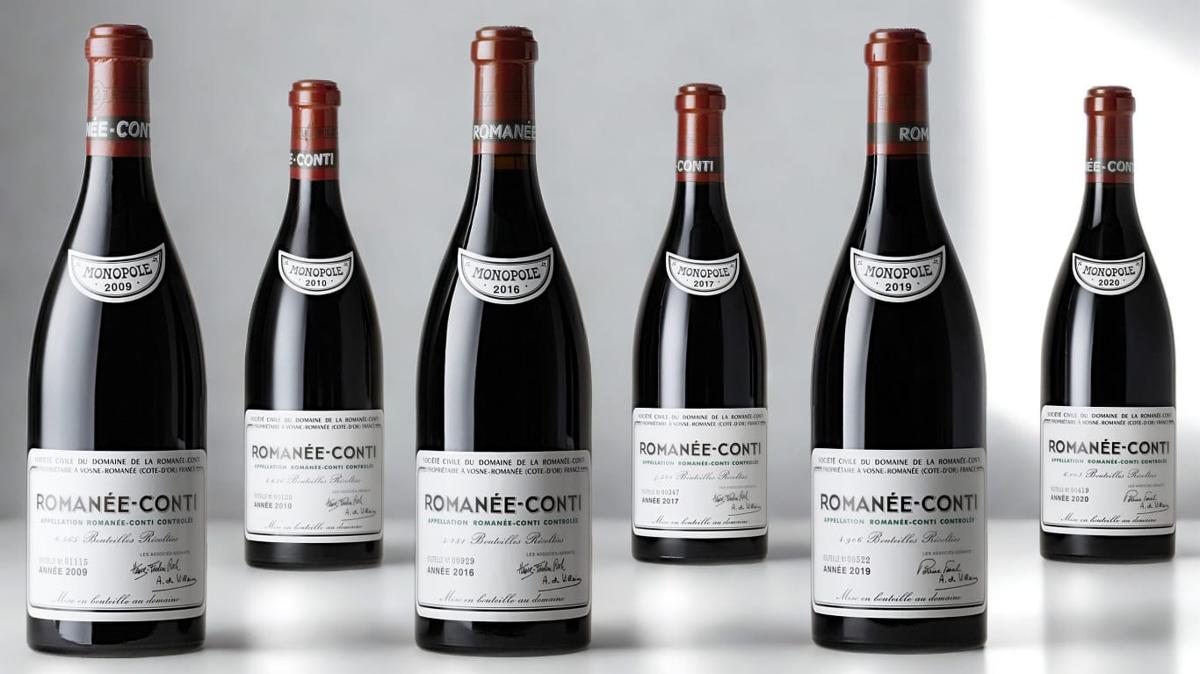
Burgundy's top tier has held value better than any other category through the correction. Liv-ex Burgundy 150 finished 2025 down roughly 8% from peak, against the Bordeaux 500 down closer to 18%. The named domaines (Domaine de la Romanée-Conti, Domaine Leflaive, Domaine Leroy) have effectively decoupled from the broader index, with secondary-market trades for top vintages clearing close to 2022 levels.
Champagne's recovery is concentrated in vintage cuvées rather than non-vintage tier. Krug 2008, Salon 2008, and Dom Pérignon P2 have led the trade-volume rebound. Houses like Pol Roger Sir Winston Churchill have also seen renewed bid interest at auction.
Where the recovery has not yet arrived
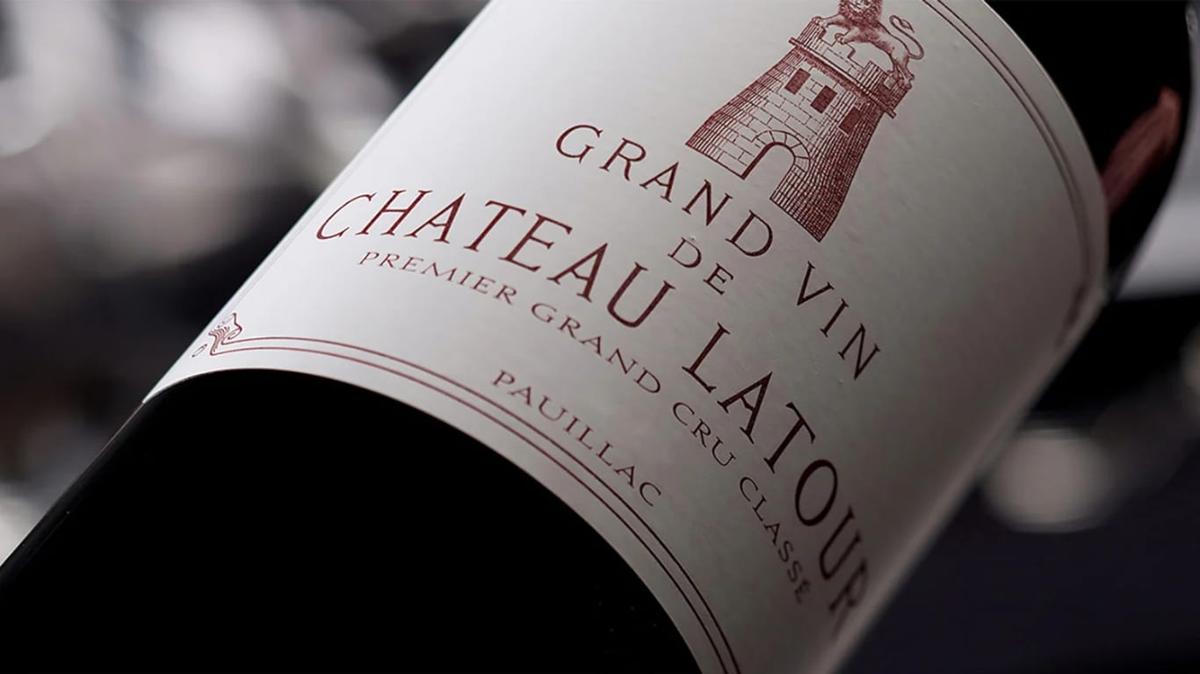
Bordeaux remains the laggard. Liv-ex Bordeaux 500 ended 2025 at its lowest annual close in seven years. First Growth pricing is well off peak, and the broader Pauillac and Saint-Julien middle tier has compressed further.
The structural problem for Bordeaux is en primeur volume. Châteaux released 2023 and 2024 vintages at prices the secondary market did not validate, leaving merchants holding inventory at higher acquisition cost than current trade levels. That overhang is unwinding slowly through 2026.
California and Napa Valley have shown some recovery in the named producers (Screaming Eagle, Harlan, Bond) but the broader Napa middle tier remains soft. The Rhône, Spain, and Australia have shown only patchy improvement.
The buyer base has shifted
The composition of the buyer base looks different from the 2022 peak. US buyers remain the dominant cohort by trade volume on Liv-ex and at the major auction houses (Sotheby's Wine, Christie's Wine, Acker), but the share of activity from US buyers has compressed relative to peak.
Asian buying has rebuilt unevenly. Hong Kong-based buying recovered first, followed by Singapore. Mainland Chinese demand remains structurally weak, with the broader category implications of China's reduced fine wine appetite continuing to shape the market through 2026.
European buying has held remarkably steady through the correction. The UK trade has continued to function across cycles. The Italian and Spanish private buyer bases have grown share modestly through the period.
What this means for collectors building positions
The recovery is real but it does not return the market to 2022 conditions. Two structural changes are sticking.
First, the entry tier of the fine wine market (sub-£500-per-bottle releases from named producers) has repriced lower and is staying there. That benefits collectors building positions across multiple vintages at scale. Second, the top tier (named Burgundy domaines, named Champagne tête de cuvée bottlings, the very top of Bordeaux) has held value far better than the middle tier through the correction.
The middle tier remains the structurally awkward space. Pauillac second growths, Saint-Julien château bottlings, the middle of Tuscany, the broader Napa second tier: this is where the recovery has yet to arrive, and where patient collectors can build positions at multi-year low entry prices.
The fragility is the point
The recovery is fragile because the macro context that drove the original correction has not fully resolved. US-EU tariff structures remain in place. Chinese demand has not rebuilt.
Younger consumer cohorts continue to drink less, but better, with the broader category implications still working through the secondary market.
For broader context on how the recovery sits relative to other category dynamics, we have written on Burgundy's rising structural share, Bordeaux's current market read, and on the pressure that Major Champagne Houses Are Losing Consumer Confidence creates across the sparkling category.
What we watch next
Three signals will tell us whether the 2026 recovery sticks: en primeur 2025 release pricing from Bordeaux, monthly Liv-ex trade volume relative to 2022 peak, and Asian buyer participation at the December 2026 Sotheby's and Christie's auction calendars.
The fine wine market remains an asset class where named producers continue to anchor serious cellar building across decades. The current cycle is a reminder that secondary-market dynamics move on a different clock from quality. Patient collectors are accumulating; impatient ones are exiting at levels that look generous to whoever is buying.
We last reviewed this analysis in May 2026.