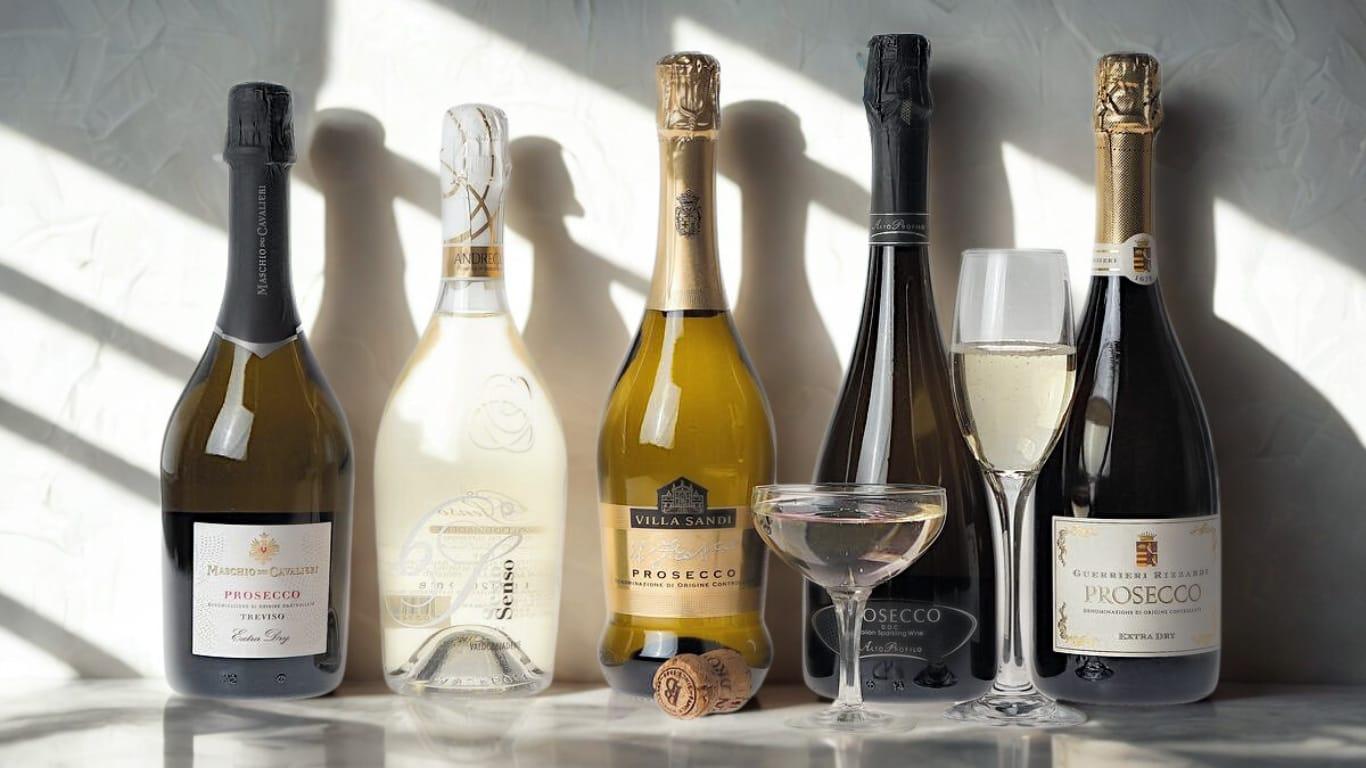
Prosecco rarely shows up in serious cellar conversations, and that is the point of this piece. The named producers at the top of the Prosecco DOCG hierarchy are doing genuinely cellar-worthy work, and the secondary-market story is starting to catch up.
- Prosecco rarely shows up in serious cellar conversations, and the named producers at the top of the Prosecco DOCG hierarchy are doing genuinely cellar-worthy work.
- The best Prosecco brands cluster around the Conegliano Valdobbiadene Prosecco Superiore DOCG and the Cartizze cru.
- Vintage Prosecco DOCG from named producers has shown sustained volume growth at auction since 2022 according to Liv-ex and the major Italian distributors.
- Bisol, Nino Franco, and Adami anchor the structural DOCG apex tier, with named single-vineyard work earning genuine collector attention.
- Cartizze single-vineyard releases sit at the structural top, with limited production and meaningful pricing premiums over standard Prosecco DOCG.
- For serious cellars Prosecco is not a structural anchor, but selective positions at the DOCG and Cartizze tier deserve consideration alongside the broader Italian sparkling category.
- Who is this for?
- Cellar builders evaluating selective Italian sparkling wine positions, and serious collectors curious about where Prosecco earns cellar consideration.
- What is happening?
- We work through the best Prosecco brands worth a collector's attention, with the Conegliano Valdobbiadene DOCG, Cartizze cru, and named-producer tier as live context.
- When did this emerge?
- The piece reads the contemporary 2026 market, with the post-2022 vintage Prosecco DOCG auction volume growth as live structural reference.
- Where is this happening?
- The Conegliano Valdobbiadene Prosecco Superiore DOCG and the Cartizze cru in the Veneto region as the structural quality reference.
- Why does it matter?
- Prosecco at the DOCG tier is materially better than its broader category perception suggests, and understanding which named producers actually justify cellar space matters for breadth.
We have spent the past year looking at the named houses, the vineyard-designate cuvées, and the small-volume sites that draw real collector attention. The picture is more interesting than the broader Prosecco shelf suggests.
The best Prosecco brands cluster around the Conegliano Valdobbiadene Prosecco Superiore DOCG and the Cartizze cru. According to sparkling wine demand trends tracked by Liv-ex and the major Italian distributors, vintage Prosecco DOCG from named producers has shown sustained volume growth at auction since 2022.
What separates collectible Prosecco from the rest
Most Prosecco is built for early drinking. It is fresh, fruit-forward, and never spends meaningful time on lees. That is the broader category, and it is fine for what it is.
The collectible tier is different. It comes from Conegliano Valdobbiadene DOCG sites, often from named single vineyards (rive), and frequently sees extended lees ageing. The sub-zone of Cartizze, often called the grand cru of Prosecco, produces wines with structural depth that the broader DOC does not match.
The named producers also tend to use traditional pole-tied vine training, hand-harvesting (mandatory in some rive), and significantly lower yields than the DOC standard. The wines reflect that work in glass.
The named producers serious collectors track
Bisol stands at the centre of the named-producer conversation. The family has farmed Cartizze for generations, and Bisol's Cartizze DOCG bottling is the structural reference point for the top of the category. Adami sits alongside Bisol in the small group of producers with multi-decade reputations at the named-cru level.
Nino Franco's Vigneto della Riva di San Floriano is another named single-vineyard cuvée that draws serious attention. Sorelle Bronca, Andreola, and Le Colture all sit at the upper tier of named-producer Prosecco. Ruggeri's Vecchie Viti, from old-vine plantings, is another collectible reference.
Among the larger houses, Mionetto's MO and Carpenè Malvolti's vintage bottlings show the structural ambition of the broader category, even if they do not occupy the small-producer cult tier.
How the named producers compare to Champagne
The structural comparison with Champagne is unavoidable for collectors. Prosecco DOCG is produced by the tank (Charmat) method rather than traditional bottle fermentation, and the lees contact and structural development are categorically different.
That said, the named Cartizze and rive cuvées develop in bottle in ways that broader Prosecco does not. Three-to-five year cellaring on top Bisol or Adami releases shows discernible structural development. The wines do not behave like vintage Champagne, but they reward thoughtful cellaring in ways the broader category does not.
The price point matters here too. Top Cartizze cuvées sit in the £40 to £80 retail range, against Champagne's named tête de cuvée tier starting at £180 and reaching £700-plus. For collectors building Italian sparkling positions, the value-to-quality ratio is structurally favourable.
The broader Italian sparkling category context
Franciacorta sits structurally above Prosecco in the Italian sparkling hierarchy. The Lombardy region's DOCG produces traditional-method wines with extended lees ageing, and producers like Ca' del Bosco and Bellavista compete more directly with named-grower Champagne than with Prosecco.
For Italian sparkling-wine collectors, the structural play is a multi-producer position across Franciacorta DOCG and named-producer Prosecco DOCG, with cellar allocation weighted toward Franciacorta for ageing and Prosecco for drinking-window wines. For broader Italian-wine cellar context, we have written separately on Is Italian Fine Wine The Most Underpriced Category In Europe? and on Super Tuscan: A Collector's Field Guide.
What this means for cellar building
The named Prosecco DOCG producers are doing legitimately collectible work, but the category will never be a cellar's anchor. It rewards a small allocation: half a case to a case of Bisol Cartizze, Adami's Vigneto Giardino, or Nino Franco's rive cuvée gives a serious cellar a representative Italian sparkling position at a fraction of the cost of equivalent Champagne.
The shift in Asian and US sparkling-wine demand is also reshaping the Prosecco market. The category implications of broader sparkling growth trends, including Is China The Future Of Sparkling Wine?, sit at the centre of how named producers think about export allocation through 2027.
The bottom line
Most Prosecco does not attract serious collector attention because most Prosecco is not built to. The named DOCG producers, particularly those working from Cartizze and the named rive, are an exception worth knowing about.
The category is unlikely to replace Champagne in serious cellar architecture, and it is not trying to. But the named Prosecco DOCG cuvées deserve a small, considered allocation, particularly at current price levels, where the value-to-quality ratio is structurally favourable.
We last reviewed this analysis in May 2026.