Wine futures (en primeur) give you a rare chance to buy fine wines while they’re still aging in barrels, months before they ever reach a shelf. This early-access system, born in Bordeaux, lets you lock in prestigious bottles at competitive prices with real upside as values climb. Buy in early and you get first access to limited-production vintages, better pricing than the open market, and provenance that’s impossible to replicate later. But before you commit capital, you need to understand exactly how this works, what can go wrong, and where the real opportunities lie in the fine wine investment market.
Table of Contents
What Is The “Primeurs” System?
The “Primeurs” system, also called en primeur, lets you buy wines while they’re still sitting in the barrel, long before they’re bottled and shipped. The system was born in Bordeaux and has grown into the backbone of the fine wine investment world. The wines on offer are almost always from prestigious estates and high-anticipation vintages, which is precisely what makes them so attractive to serious collectors and investors.
For producers, the system solves a cash flow problem. Wines hit the market right after harvest, often priced below what they’ll eventually fetch on release. Your purchase is essentially an advance order, a bet on quality potential. You pay now, and the wine arrives at your door roughly 18 to 24 months later once bottling wraps up.
The concept has spread well beyond Bordeaux into Burgundy, the Rhône, and even newer wine-producing markets. That said, Bordeaux still owns this space. Its historical legacy, exceptional vintages, and global prestige make it the undisputed center of the en primeur world.
Think of this early-release window as an exclusive entry point before the open market ever gets involved. It becomes especially powerful during outstanding vintages, when demand is almost certain to outrun supply.

What Are The Advantages of This System?
Buying wine futures through en primeur gives you a set of advantages you simply can’t access once a wine hits the open market. Whether you’re a seasoned collector or stepping into fine wine investing for the first time, the system is built to reward those who move early.
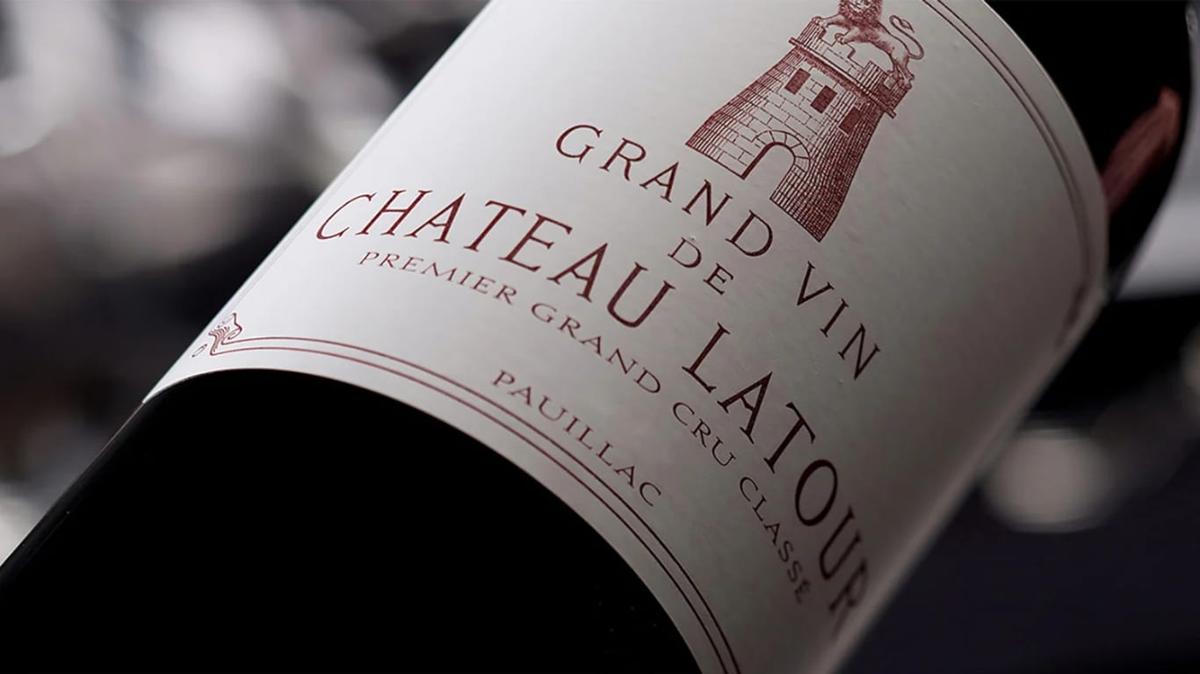
- Early Access to Prestigious Wines: En primeur gives investors first access to some of the world’s most prestigious and limited-production wines. Purchasing wine at this early stage ensures that investors can secure allocations of highly sought-after bottles, particularly those from Château Margaux, Château Latour, or top Burgundy producers.
- Discounted Pricing: Wines purchased en primeur are usually offered at a price lower than what they will command after release. As the wine matures and becomes available on the open market, its value often appreciates significantly, offering substantial returns for early investors.
- Rising Market Value: Fine wine prices are influenced by factors such as critical scores, rarity, and demand. Wines with exceptional critic ratings during en primeur tastings often see price increases before bottling. For example, Bordeaux wines from a celebrated vintage can experience double-digit growth within months of their en primeur offering.
- Guaranteed Provenance: When purchasing en primeur, wines come directly from the estate, ensuring impeccable provenance. This adds to the wine’s authenticity and future value, as collectors and investors place a premium on wines with verified origins and proper handling.
- Portfolio Diversification: Investing in wine futures allows for diversification within a fine wine portfolio. By securing allocations across multiple regions, vintages, and estates, investors can balance short-term and long-term holdings to mitigate risks.
- Potential for Exceptional Vintages: During outstanding vintage years, en primeur provides a unique opportunity to invest in wines with strong aging potential and significant appreciation prospects. These vintages tend to perform exceptionally well in both primary and secondary markets.
By using the en primeur system to your advantage, you can get into high-demand wines before the crowd, lock in pricing that the secondary market will rarely beat, and let value build as the wines reach full maturity.
What Are Wine Futures?
Wine futures, or en primeur, are exactly what they sound like. You buy wine while it’s still aging in barrels, sometimes months, sometimes over a year before it’s officially released. The purchase is based on projections of quality, aging potential, and where the market is likely to go.
The core idea is simple: buy now, drink or sell later. You secure top-quality wines at prices that won’t exist once they hit the market. You pay upfront, and once the wine finishes aging and gets bottled, typically 18 to 24 months down the line, it ships to you or goes into a bonded warehouse.
The practice started in Bordeaux but now covers Burgundy, the Rhône, and select producers in Italy and California. Wine futures are especially compelling for iconic labels where demand for a given vintage runs far ahead of available supply. If you want to understand where Cabernet-driven wines fit into your portfolio, the best Cabernet Sauvignon wines for investment are worth studying alongside your Bordeaux research.
Key Characteristics of Wine Futures
- The purchase is based on pre-release tasting scores, often provided by renowned wine critics like Robert Parker or publications such as Wine Spectator.
- The wine is typically allocated in limited quantities, making early purchasing essential for securing specific bottles.
- Investors often rely on historical performance, vintage reports, and critical acclaim to gauge a wine’s future value.
Wine futures work as a strategic play because they stack three advantages at once: early access to wines that are genuinely hard to find, pricing that reflects pre-market rates, and the potential for meaningful appreciation as bottles reach peak drinkability and collector demand.
Bordeaux Futures
Bordeaux Futures, the en primeur system at its most refined, stand as the most established wine futures market anywhere in the world. The Bordeaux region built this system from the ground up, giving investors a direct line to legendary châteaux while their wines are still in barrel. Bordeaux’s track record as a premier fine wine region, combined with its structured release process, makes it the benchmark for anyone serious about wine investment.
Why Bordeaux Dominates Wine Futures
Bordeaux is home to some of the most coveted wine estates on the planet. Names like Château Lafite Rothschild, Château Margaux, and Château Haut-Brion consistently produce wines at the top of the quality spectrum, which keeps collector and investor demand running hot. The en primeur system gives you access to limited-production bottles from each vintage, often at prices well below where they’ll trade once they reach the open market.
Bordeaux’s grip on the wine futures world comes down to several forces working together.
- Historic Reputation: Bordeaux’s wine-producing history dates back centuries, cementing its status as a leader in the fine wine market.
- Classification System: The 1855 Bordeaux Classification ranked châteaux based on their quality and reputation, creating enduring demand for wines from the top estates.
- Market Stability: Bordeaux wines offer consistent long-term returns, driven by their strong global demand, aging potential, and the region’s ability to produce exceptional vintages.
How Bordeaux En Primeur Works
Each year after the harvest, the top Bordeaux châteaux release their wines during the en primeur campaign, usually in April or May. Wine merchants, critics, and investors head to barrel tastings to assess the vintage. Scores from names like Robert Parker or James Suckling carry enormous weight and move both demand and pricing. Once those scores land, châteaux set their en primeur prices and make wines available through négociants, Bordeaux’s established merchant network.
The wines stay in barrel for another 18 to 24 months before bottling, then get delivered to buyers. If you got in early at the right price, that gap between purchase and delivery is where a lot of the value gets built. Decanter’s en primeur coverage tracks these campaigns in detail and is worth bookmarking if you’re following the Bordeaux market closely.
Bordeaux futures have delivered strong returns in the right conditions, and standout vintage years are where the real numbers appear.
- The 2009 and 2010 Bordeaux vintages were hailed as some of the finest in decades. Wines like Château Lafite Rothschild 2010 experienced price increases of up to 200% within five years of release.
- The 2016 Bordeaux vintage was another exceptional year, with high critic scores driving significant demand. Investors who purchased early benefited from double-digit growth in wine value.
The performance of Bordeaux futures shifts depending on vintage quality and where the market is at a given moment. But the historical pattern is clear: exceptional vintages generate the most compelling returns for investors who got in early.

Burgundy Futures
Bordeaux gets most of the headlines, but Burgundy Futures have earned serious attention of their own. The region’s Pinot Noir and Chardonnay carry a reputation for elegance, complexity, and aging potential that few places in the world can match.
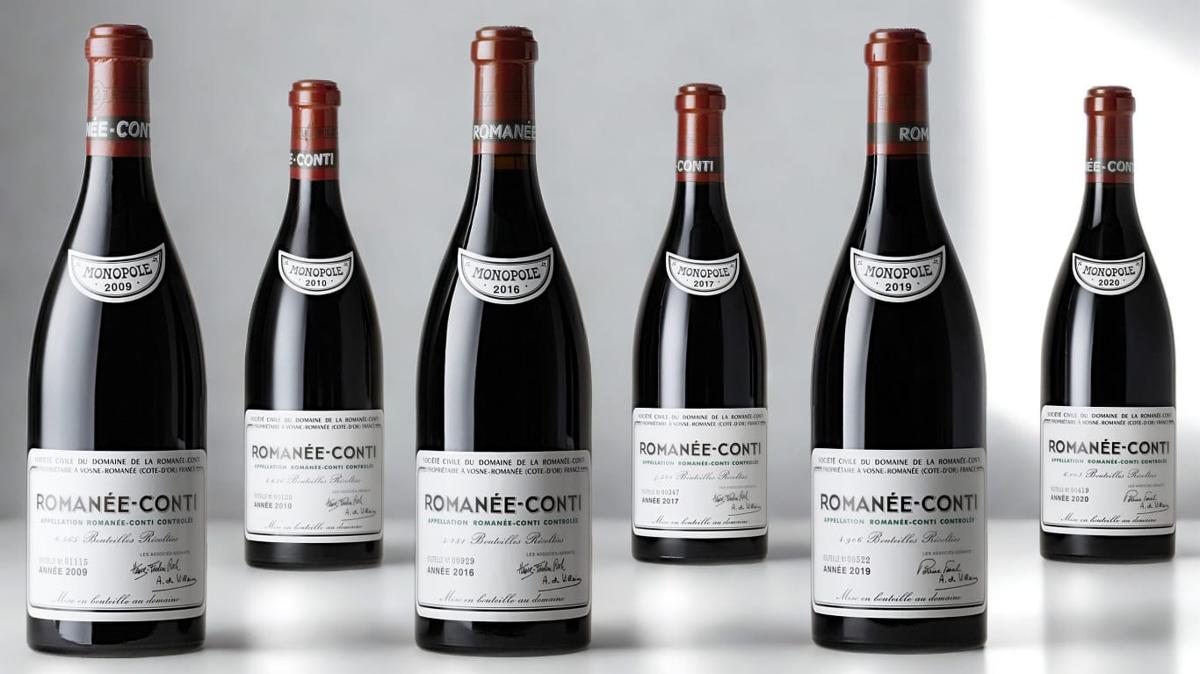
The key difference from Bordeaux is scale. Burgundy runs on small vineyard plots and tiny production volumes. That scarcity is what drives prices for producers like Domaine de la Romanée-Conti and Domaine Armand Rousseau into territory that makes even seasoned collectors take a breath.
When top-tier Burgundy wines go on offer during en primeur campaigns, competition among collectors and investors gets intense fast. Allocations are hard to come by. But for those who secure them, the long-term appreciation potential is real and well-documented.
Burgundy’s en primeur process mirrors Bordeaux in structure but operates at a fraction of the scale, which only adds to the pressure on buyers.
- Wines are tasted and scored while still in the barrel, typically a year after harvest.
- The wines are sold through allocations to merchants and collectors, with demand far outstripping supply for top producers.
- Burgundy’s en primeur prices tend to be higher than Bordeaux’s due to the region’s limited production capacity and global demand.
To put the numbers in perspective, a single bottle of Domaine de la Romanée-Conti La Tâche en primeur can command prices above $5,000. The entry cost is high, but scarcity and aging potential consistently push values higher over time for buyers with the patience to hold.
Why Buy Wine Futures
Wine futures give you something most investment categories can’t: the chance to get into a high-demand asset before the broader market ever sees it. Whether you’re building a collection or a portfolio, the en primeur system rewards early movers.
- Early Access to Iconic Wines: Wine futures provide access to prestigious wines that may become unavailable once released. By purchasing en primeur, investors secure allocations of highly sought-after bottles before demand drives prices upward.
- Favorable Pricing: Wines purchased en primeur are often priced lower than their eventual market value. Early buyers benefit from the initial discounted pricing and the potential for price appreciation as the wine matures.
- Portfolio Diversification: Investing in wine futures allows investors to diversify their portfolios by acquiring wines from multiple regions, producers, and vintages. This strategy reduces risk and enhances long-term growth potential.
- Provenance Assurance: En primeur wines come directly from the estate, ensuring pristine provenance and storage conditions. This factor is particularly important for wines intended for long-term aging or resale.
- Strong Appreciation Potential: Wines from exceptional vintages and top producers have historically delivered impressive returns. For example, the 2010 Bordeaux vintage saw price increases of over 100% in the years following its release.
- Collecting for Consumption: Beyond investment, en primeur allows enthusiasts to purchase wines they can enjoy once bottled. For collectors, securing early allocations ensures access to wines that align with their personal tastes.
By understanding the mechanics of wine futures and using the en primeur system well, you can position yourself to catch opportunities early and build returns as fine wines mature and demand deepens. If you’re thinking about how alternative assets like this compare across your broader portfolio, it’s worth exploring the best types of art to invest in as a parallel strategy for diversification.
How To Buy Wine En Primeur
Getting into wine futures through en primeur isn’t complicated, but it does require a structured approach. From doing your research to choosing the right wines and merchants, here’s the roadmap you need to buy en primeur with confidence.
1. Do Your Research
Research comes first, every time. Before you put any money into the en primeur market, study the vintage reports coming from respected critics, merchants, and wine journalists. Names like Robert Parker through the Wine Advocate, James Suckling, and Decanter all release scores and tasting notes during en primeur season. High scores from trusted voices signal wines with strong investment potential.
The key factors worth digging into include vintage quality, production volumes, the producer’s track record, and where early market sentiment is pointing.
- Vintage quality: Exceptional vintage years, often influenced by favorable weather conditions, tend to produce wines with higher aging potential and market demand.
- Reputation of the producer: Top châteaux like Château Margaux or Domaine de la Romanée-Conti are highly sought after, but emerging producers with promising vintages may also present valuable opportunities.
- Market trends: Study current trends in wine demand across regions such as Bordeaux, Burgundy, and emerging markets.
2. Identify Trusted Merchants
You can’t buy en primeur alone. You need to work through reputable wine merchants or négociants who have direct relationships with producers. The right merchant gives you transparency, verified provenance, and confidence that your purchase is handled correctly from barrel to delivery.
- Berry Bros. & Rudd
- Sotheby’s Wine
- Christie’s
- Millesima
When you’re evaluating a merchant, look hard at their reputation in the market, how they handle storage documentation, and what their delivery processes actually look like. A good merchant protects your investment from day one.
3. Evaluate Your Budget and Portfolio Strategy
Know your numbers before you commit. Define your budget clearly and build a strategy that spreads your capital across multiple wines, producers, and vintages. Concentration risk in wine futures is real. Diversification across quality tiers and regions gives your portfolio more stability.
- Short-term vs. long-term holdings: Some wines appreciate quickly due to critical scores or immediate demand, while others may require years of aging to reach their peak.
- Price tiers: Balance high-value wines (e.g., Bordeaux First Growths) with mid-range and emerging producers to diversify your investment.
4. Monitor Pricing and Release Windows
The en primeur campaign runs in spring after the harvest. Wines drop in stages, and pricing shifts quickly as early critical reviews start circulating and buyer demand builds. You need to track release windows for the specific wines you’re targeting and be ready to move when allocations open. Hesitation here costs you.
The Bordeaux 2024 en primeur campaign, for example, drew strong interest heading into 2026, with pricing reflecting early reports of a promising vintage. Staying current with Jancis Robinson’s vintage assessments gives you an edge when release windows open.
5. Secure Your Purchase
Once you’ve picked your wines, place the order with your merchant. Payment is typically due upfront for the wine itself. Taxes, shipping costs, and storage fees come later, once the wine is bottled and ready to move. Make sure you understand the full cost picture before you sign anything.
6. Arrange Storage
After buying en primeur, you need a clear storage plan in place. Your main options include bonded warehouse storage through your merchant, a specialist fine wine storage facility, or your own temperature-controlled cellar if you have one that meets the standards required to preserve investment-grade wine.
- Bonded warehouses: Wines stored in bonded warehouses are kept under optimal conditions, preserving their quality and provenance. They also offer tax benefits, as wines stored in bond are exempt from VAT and excise duties until removed.
- Home cellaring: If you plan to store wines at home, ensure you maintain precise conditions for temperature, humidity, and light.
7. Track Performance and Future Value
Once you’re in, stay engaged. Watch how your wines perform as critic scores are published and as the market shifts around them. High-scoring wines often appreciate before they’re even bottled, which can open windows for resale or give you conviction to hold for the long term.

How To Sell Wine En Primeur
Selling en primeur wine is where the strategy pays off. If you’ve done the work upfront, the resale process can be very profitable. Here’s how to approach it the right way.
1. Timing is Critical
The value of en primeur wines tends to build between purchase and official release. Selling at the right moment, often when critical scores land or market demand peaks, is where you capture the most return. Get the timing wrong and you leave money on the table.
2. Choose the Right Platform
Go through reputable auction houses, trusted merchants, or specialist fine wine platforms. Liv-ex is the most established marketplace for trading fine wines globally, with transparent pricing and efficient transaction processes that serious investors rely on.
3. Verify Provenance and Storage
Provenance and a clean storage history are what separate a wine worth a premium from one buyers will discount. Make sure your wines have been kept under optimal conditions in a bonded warehouse or professional facility. Buyers with serious money to spend are meticulous about this, and rightfully so.
4. Monitor Market Trends
Keep tracking demand and the broader forces moving fine wine prices. Wines from exceptional vintages or marquee producers can see sharp spikes in buyer interest, and those spikes are your selling opportunities. Missing them means waiting for the next wave.
5. Plan Your Exit Strategy
Go in with an exit plan already in place. Whether you’re selling at peak pre-release demand, waiting for post-bottling appreciation, or holding for a decade-long return, knowing your timeline and target prices keeps your decisions clear and disciplined.
- Short-term resale: Sell wines shortly after purchase to take advantage of critical scores and early market demand.
- Long-term holding: Allow wines to mature and appreciate further before selling them at a later stage.
When Can You Purchase Wine En Primeur
The en primeur campaign runs annually, with the main action kicking off in April and May following harvest. During this window, châteaux put their wines out for tasting and purchase while aging is still underway in barrel.
The campaign moves through distinct phases, from initial barrel tastings and critic reviews through to the staged release of wines by different châteaux, each setting their own pricing windows as the season progresses.
- Barrel Tastings: Wines are tasted and evaluated by critics, merchants, and investors. Initial reviews and scores heavily influence demand and pricing.
- Pricing Announcements: Châteaux release their wines in tranches, with pricing reflecting vintage quality, demand, and early critical scores.
- Purchase Period: Investors place their orders with merchants or négociants during the campaign window, securing their allocations.
How Is The Price of En Primeur Set?
En primeur pricing isn’t set by a single formula. Châteaux weigh vintage quality, critic ratings, and global demand before they ever announce a number. Understanding how that pricing mechanism works gives you a real edge when deciding which wines to buy and at what stage to get in.
Key Factors Influencing En Primeur Prices
- Vintage Quality: The quality of a vintage is one of the primary factors determining en primeur pricing. A vintage year marked by ideal weather conditions and exceptional grape yields will produce wines of higher quality.
For example, Bordeaux’s 2009 and 2010 vintages were both deemed extraordinary, leading to significant demand and premium pricing during their en primeur campaigns.
Conversely, vintages impacted by adverse weather or poor yields may see lower prices due to reduced investor confidence and overall market perception. - Critic Ratings and Reviews: Professional wine critics play a significant role in setting en primeur prices. Influential critics such as Robert Parker, James Suckling, and critics like Wine Advocate and Wine Spectator release preliminary scores based on barrel tastings. High critic scores often result in immediate demand and upward pressure on prices.
For example, a wine receiving a 100-point score from Robert Parker can see its en primeur price surge by up to 30%, reflecting its investment potential. - Producer Reputation and Brand Prestige: Wines from iconic estates or renowned producers command higher prices due to their prestige, history, and market recognition. Châteaux like Château Latour, Château Margaux, and Domaine de la Romanée-Conti can release wines at a premium because their brand carries strong global appeal. The consistent quality and limited production of these wines further justify their higher en primeur pricing.
- Global Market Conditions: The broader economic environment and demand trends heavily impact en primeur pricing. Favorable currency exchange rates, especially for international buyers, can make wines more affordable, driving increased purchases. On the other hand, economic uncertainty may temper demand, leading to more conservative pricing strategies.
- Supply and Scarcity: Limited production volumes and scarcity of certain wines can drive en primeur prices higher. For example, Burgundy wines are produced in far smaller quantities than Bordeaux wines, making them exceptionally rare and highly sought after during the futures campaign. Investors often compete fiercely to secure allocations of limited-production wines, further pushing up prices.
- Tranche System: Châteaux in Bordeaux often release their wines in tranches (batches) during the en primeur campaign. The first tranche is typically priced lower to generate initial interest and sales. Subsequent tranches are released at higher prices, reflecting increasing demand and market momentum.
For example, a château may release its wine at €100 per bottle during the first tranche, only to increase the price to €120 or €130 in later tranches as demand solidifies.
When you understand how en primeur prices get set, you can read opportunities and risks far more clearly. Early buyers who get into the first tranches benefit from the lowest pricing, but timing still matters. Wines with strong scores from respected critics and tight allocations tend to move fast on the secondary market, often trading well above their en primeur price by the time bottles are in hand.
What Happens During The Vintage Year of Wine Futures and Onwards?
After you buy en primeur, the wine goes through a series of critical steps during the vintage year before it ever gets bottled and shipped. This period shapes the wine’s character, quality, and ultimately its value on the market.
The Vintage Year Process
- Aging in Barrels: Once the grapes are harvested and vinified, the wine is aged in oak barrels for 12–24 months, depending on the producer and region. This aging process enhances the wine’s complexity, balance, and structure. Many Bordeaux wines are aged in French oak barrels, which impart subtle flavors such as vanilla, spice, and toast.
- Quality Monitoring: During the vintage year, winemakers closely monitor the wines, assessing their development and ensuring optimal conditions for maturation. Minor adjustments may be made to refine the wine’s character, such as blending different grape varieties or adjusting barrel aging periods.
- Critical Reviews and Updates: Throughout the aging process, wine critics and journalists may revisit the wines to provide updated tasting notes and scores. These reviews can influence investor sentiment and market value before the wine is officially released.
- Bottling and Labeling: At the end of the aging process, the wine is bottled and labeled, ready for distribution. Bottling marks a critical milestone, as it signifies the completion of the en primeur cycle and the transition of the wine into the secondary market.
- Delivery to Buyers; Buyers who purchased wine en primeur receive their allocations once the wine is bottled. Delivery usually occurs 18–24 months after the initial purchase. Many investors choose to store their wines in bonded warehouses to maintain pristine conditions and avoid immediate tax implications.
The value of en primeur wines often builds as they move toward release, pushed by critical scores, growing scarcity, and deepening collector demand. The pattern plays out across vintages for the estates with the strongest track records.
- Wines from Bordeaux’s 2015 vintage saw price increases of 20–30% within a year of bottling, particularly those with high critic ratings.
- Similarly, Burgundy wines from top producers such as Domaine Armand Rousseau experienced rapid appreciation due to limited supply and strong demand among collectors.
By tracking the full lifecycle of an en primeur wine from barrel to secondary market, you can anticipate where value peaks and plan your exit accordingly.

Risks of Purchasing En Primeur Wine
Wine futures carry real opportunity, but they also carry real risk. Before you commit capital, you need to understand what can go wrong and how to protect yourself when it does.
1. Market Fluctuations
The fine wine market moves with economic conditions, critic scores, and shifts in global demand. A wine you bought en primeur might not appreciate the way you expected if the market softens or if critical reviews come in below the buzz. A vintage from a prestigious estate that gets mixed reviews can stall out even when broader conditions are healthy.
To keep this risk manageable, spread your capital across multiple wines and vintages rather than concentrating in a single bet. Stay close to market data and be willing to reassess your positions when conditions shift.
- Focus on wines with consistent historical performance from trusted producers.
- Diversify purchases across different regions, vintages, and producers.
2. Delayed Delivery
You’ll be waiting 18 to 24 months from purchase to delivery. During that window, production issues, shipping disruptions, or regulatory changes can push timelines further out. That waiting period also ties up capital that could be working elsewhere.
The best way to manage this is to work with merchants who are transparent about timelines and who have a track record of delivering on their commitments.
3. Producer or Merchant Risk
You pay upfront, which means you’re trusting the system to deliver. If a producer fails to ship or a merchant goes under, your wines and your money are at risk. Fraud and insolvency are rare in this market, but they have happened, and buyers have been left empty-handed.
Mitigating this means doing serious due diligence on every merchant you work with, checking their financial standing, and understanding what protections exist if something goes wrong.
- Purchasing only from well-established, trusted merchants or négociants.
- Confirming that merchants are bonded and insured.
4. Quality Risk
You’re buying a promise. The wine you purchase en primeur is evaluated in barrel, and there’s always a chance the final bottled product doesn’t match early expectations. Blending decisions, production variables, or storage conditions during the vintage year can shift the outcome in ways no one predicted.
Reducing this risk means sticking to producers with long, consistent track records, leaning on critics who have called vintages accurately over many years, and not over-concentrating in unproven estates.
- Prioritize wines with strong critical reviews and consistent producer performance.
- Focus on exceptional vintage years where quality is more predictable.
5. Storage and Provenance Concerns
Once your wines are delivered, how you store them directly affects their value. Poor storage conditions damage the wine itself and make it far harder to sell at a premium. Buyers at the top end of the market scrutinize provenance carefully, and any gaps in storage history can knock real money off your price.
Use bonded warehouses or specialist fine wine storage facilities. Keep documentation clean and complete from day one. Your provenance record is as valuable as the wine inside the bottle.
- Use bonded warehouses or professional wine storage facilities with controlled environments.
- Keep detailed documentation of storage conditions and provenance to protect the wine’s value.
6. Liquidity Challenges
Fine wine is not a liquid asset. You can’t exit a position the way you can with stocks or bonds. Finding the right buyer at the right price takes time, and for wines from lesser-known producers or vintages that haven’t captured collector attention, that process can take a very long time indeed.
To work around liquidity constraints, focus your portfolio on wines with established secondary market demand, use platforms like Liv-ex to monitor trading activity, and build in enough runway so you’re never forced to sell at the wrong moment. If you’re thinking about how illiquid alternative assets like wine fit into a broader wealth strategy, the investment case for Rioja wine is another angle worth exploring as you build your fine wine portfolio.
- Invest in wines from highly reputable producers and regions with strong demand.
- Work with platforms like Liv-ex or auction houses to facilitate sales.
FAQ
Is en primeur investing only for Bordeaux wines?
While Bordeaux pioneered the en primeur system, it is also used in regions like Burgundy, Rhône, and select producers in California and Italy. However, Bordeaux remains the most prominent en primeur market due to its long-established tradition and scale.
How much do wine futures cost?
The cost of wine futures depends on factors such as the producer, vintage quality, and critical ratings. Wines from prestigious estates like Château Margaux or Domaine de la Romanée-Conti may start at a few hundred dollars per bottle and can exceed thousands depending on demand and scarcity.
When are wine futures released for purchase?
En primeur campaigns typically occur in the spring following the harvest, usually between April and June. Wines are sold in stages, with prices and allocations often reflecting critic reviews and early demand.