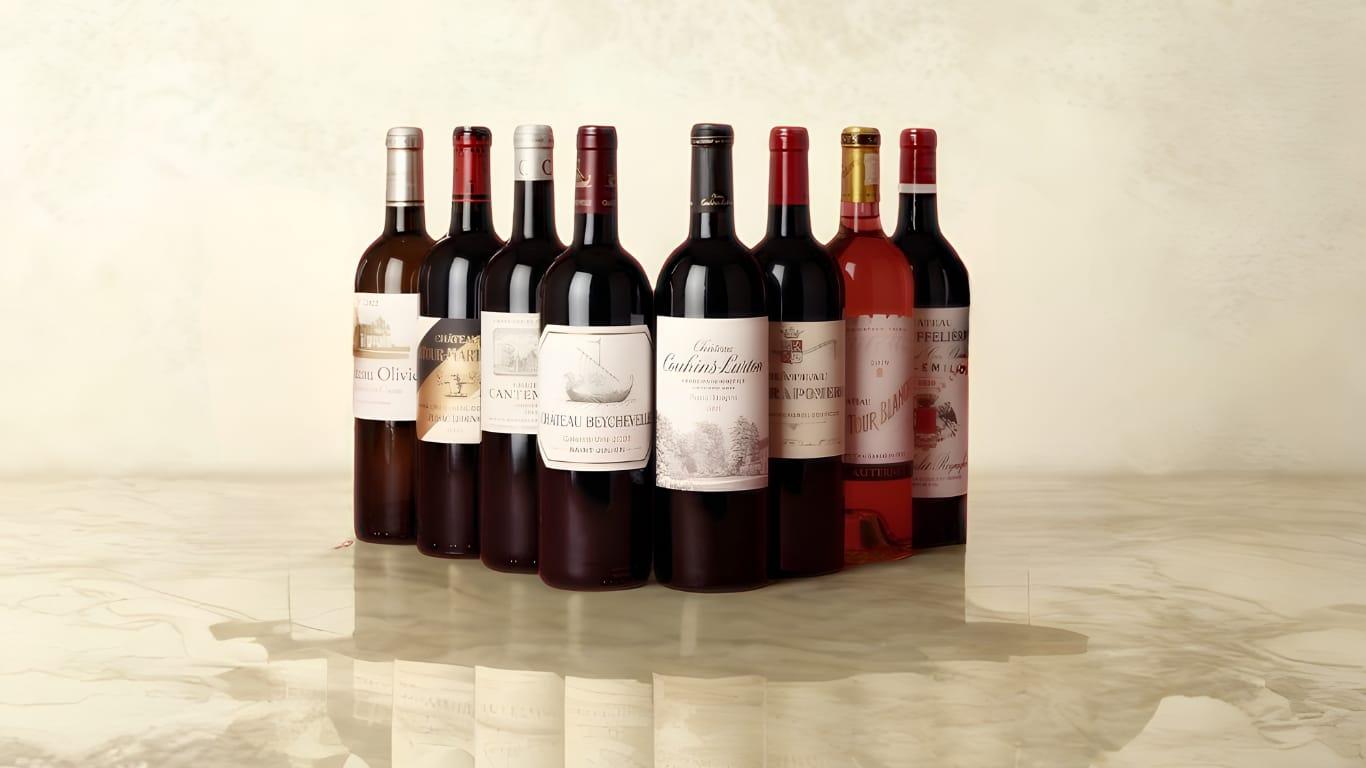
Collectors are losing faith in Bordeaux's en primeur system, and the secondary-market data backs the shift. The 2024 en primeur campaign, released through the Place de Bordeaux in spring 2025, drew the weakest engagement on record from international merchants, with Bordeaux Index, Berry Bros & Rudd, and Liv-ex all reporting that physical demand had fallen well below the modern post-2010 average.
- Collectors are losing faith in Bordeaux's en primeur system, and the secondary-market data backs the shift across multiple measurement lines.
- The 2024 en primeur campaign drew the weakest engagement on record from international merchants, with Bordeaux Index, Berry Bros and Rudd, and Liv-ex reporting demand well below the modern post-2010 average.
- Release pricing has consistently failed to clear at meaningful discount to subsequent secondary-market trading across the past decade.
- The Bordeaux quality story has been narrowed by climate and stylistic shifts, with the apex tier increasingly distinguished from the second-tier releases.
- The most ambitious collectors are deploying their attention elsewhere, with Burgundy and apex Champagne absorbing the structural rotation.
- For serious cellars the en primeur case now rests almost entirely on apex allocations and the structural pricing differential against future library releases.
- Who is this for?
- Active Bordeaux collectors evaluating their en primeur strategy, and cellar builders reading the contemporary primary-market dynamics in Bordeaux.
- What is happening?
- We read why collectors are losing faith in Bordeaux's en primeur system, with the structural pricing, demand, and quality variables that define the shift.
- When did this emerge?
- The piece reads the post-2024 en primeur campaign through the contemporary 2026 market, with the broader post-2018 Bordeaux trajectory as live context.
- Where is this happening?
- Bordeaux, the Place de Bordeaux negociant trade, and the international merchant network that distributes en primeur allocations.
- Why does it matter?
- The en primeur confidence crisis represents a structural shift in how the Bordeaux primary market functions, and understanding the rotation matters for serious-cellar strategy.
The structural argument behind en primeur has weakened steadily across the past decade. Release pricing has consistently failed to clear at meaningful discount to subsequent secondary-market trading, the Bordeaux quality story has been narrowed by climate and stylistic shifts, and the most ambitious collectors are deploying their attention elsewhere. The wider context is captured in our note on how En Primeur works as a category and what it once promised.
This is our editorial read on why the en primeur frame is breaking.
How en primeur was supposed to work
The en primeur system was designed in the late nineteenth century and refined into its modern form through the 1980s and 1990s. The structural promise: collectors buy futures on Bordeaux wine while it is still in barrel (typically released the spring after the harvest), at a release price set by the châteaux through the Place de Bordeaux negociant network, at a meaningful discount to the eventual bottle price.
The trade-off was a structural one. Collectors carried cellar risk (notably the chance that the eventual bottling would underdeliver against the barrel sample) and capital-deployment risk (their money sat with the négociant for around 18 months before delivery), in return for first-mover access at the lowest release price.
That arrangement worked when three conditions held. Release pricing genuinely was at meaningful discount to eventual secondary-market trading. The Place de Bordeaux's allocation discipline gave merchants and serious collectors first call.
And the canonical Bordeaux quality story was the strongest in international fine wine.
What broke the structural promise
None of those three conditions reliably holds in 2026. Release pricing on the 2022 and 2023 vintages was, in numerous cases, above the subsequent secondary-market clearing price. The 2024 campaign saw the leading châteaux acknowledge the issue indirectly by releasing at deep discounts to the prior year, but the cumulative damage to merchant trust was already done.
The Liv-ex Bordeaux 500 index has spent the better part of a decade in slow structural decline relative to other Liv-ex regional benchmarks. Burgundy, Champagne, Italy (Super Tuscan and Piedmont), and the New World cult tier have all outperformed Bordeaux across that window. The category that once anchored every serious cellar has become one category among several.
The wider category-rotation story is one we have written about: Luxury assets are increasingly replacing traditional investment vehicles in the diversification conversations serious collectors hold, but Bordeaux itself has not benefited from that rotation in the way that Burgundy and Champagne have. Our comparative read on Bordeaux vs Burgundy sets out the asymmetry in detail.
What the leading merchants are saying
The honest signal comes from the merchants who actually run the en primeur trade. Bordeaux Index, Berry Bros & Rudd, Farr Vintners, Justerini & Brooks, and Corney & Barrow have all publicly stated, across statements and trade press interviews in 2024 and 2025, that the en primeur model needs reform.
Bordeaux Index's annual reports across 2023 and 2024 noted that physical en primeur demand had fallen below pre-2010 baselines. Berry Bros & Rudd's commentary in autumn 2024 was unusually direct: the system, in its current form, "no longer delivers consistent value to merchants or end clients." That language, from a 300-year-old merchant whose reputation is built on Bordeaux, is meaningful.
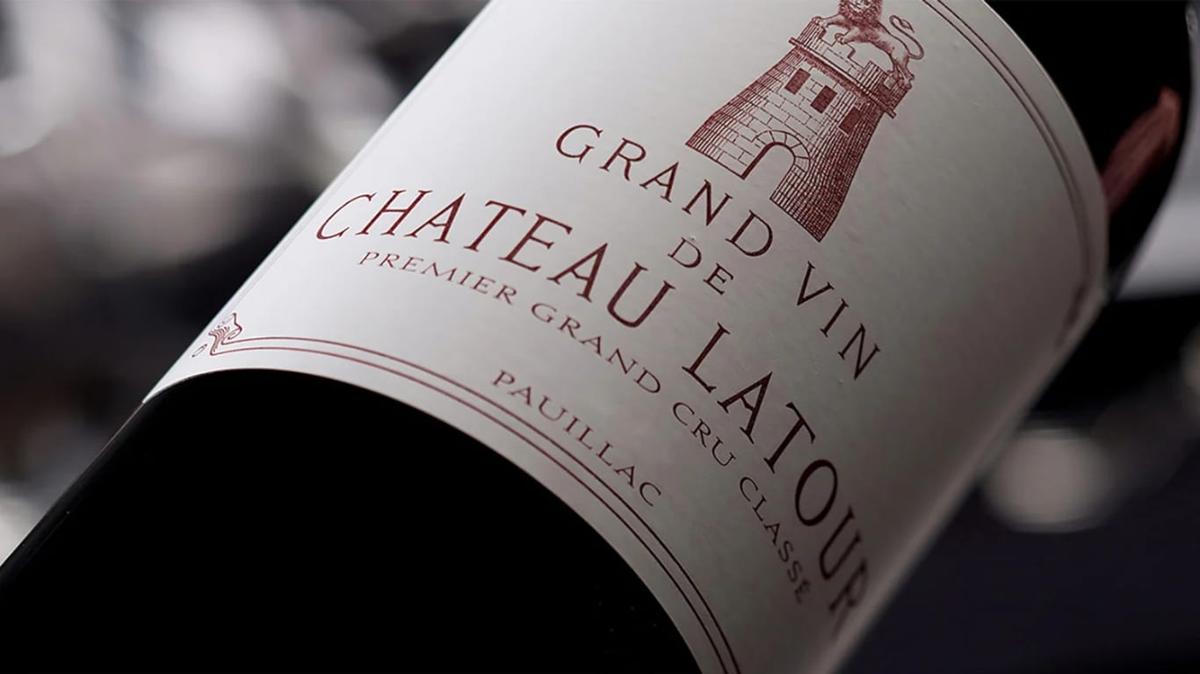
The châteaux themselves have signaled the strain through release-pricing concessions. The 2024 release campaign saw the canonical First Growths and Right Bank apex names (Lafite, Latour, Margaux, Haut-Brion, Mouton, Pétrus, Cheval Blanc, Ausone) all release at meaningful discounts to the prior vintage, which is structurally what merchants have been asking for, but a decade later than the trade press had been calling for.
Where collector attention has rotated
The straightforward question is where the en primeur money has gone. The honest answer is: Burgundy, Champagne, top-tier Italian fine wine, and the New World cult tier.
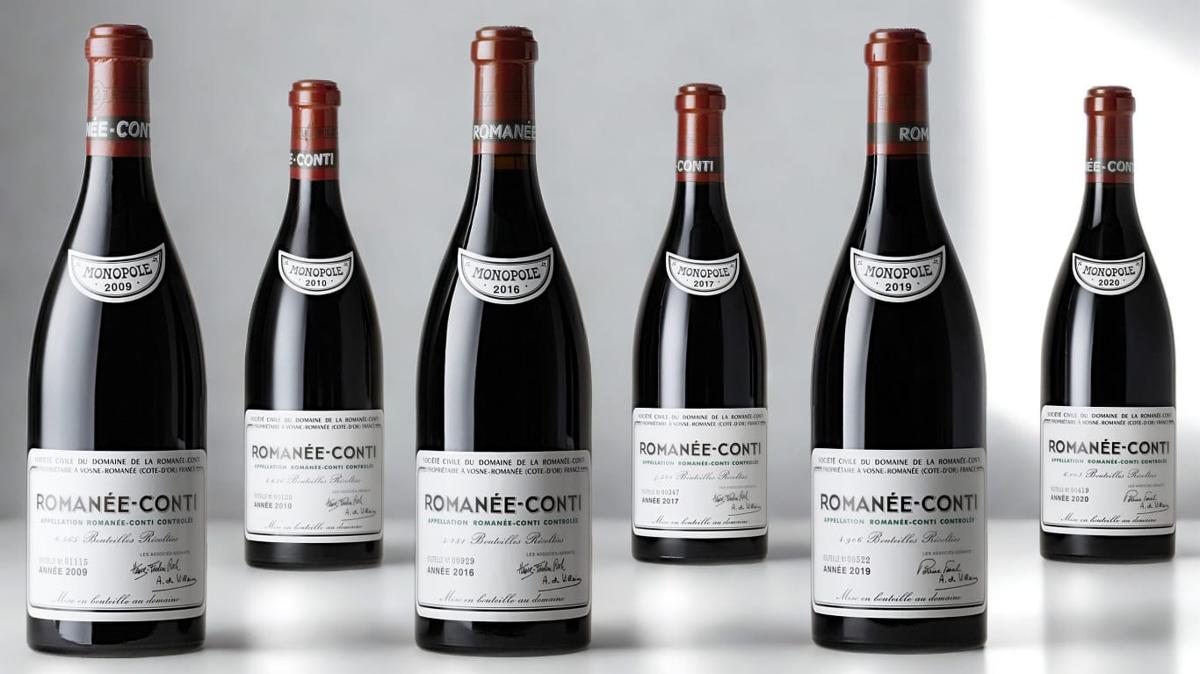
Burgundy has, across the past decade, taken structural share from Bordeaux in the secondary-market reading. The Liv-ex Burgundy 150 has consistently outperformed the Bordeaux 500 since 2017, with Domaine de la Romanée-Conti, Domaine Leflaive, Domaine Roumier, Domaine Leroy, and the wider Grand Cru and Premier Cru tier driving the gains. Regions like Burgundy are drawing serious attention from collectors who would, fifteen years ago, have been deploying their cellar budget into First Growth en primeur.
Champagne, particularly the named single-vintage tier (vintage Krug, vintage Dom Pérignon, vintage Bollinger, vintage Pol Roger Sir Winston Churchill, and the better grower-Champagne single-vintage releases), has built a parallel secondary-market category. Italian fine wine, anchored by Sassicaia, Masseto, Solaia, Tignanello, Bruno Giacosa, Gaja, and Giacomo Conterno, has done the same. Understanding the broader investment dynamics across top wine regions is the framework that explains the rotation.
The cult-tier New World names (Screaming Eagle, Harlan, Bond, Sine Qua Non) have also drawn share at the margins. The wider fine wine investment market picture is more bifurcated than it has been in two decades.
What an honest en primeur reset would look like
Numerous voices in the trade have argued, plausibly in our view, that the structural reset needs three elements. First, release pricing has to consistently land at meaningful discount to expected secondary-market clearing. Bordeaux Index's running analysis suggests a discount of 25-35% on release relative to the projected 24-month-out market clearing would restore the structural promise.
Second, the Place de Bordeaux's allocation discipline needs to favor merchants and collectors with genuine cellar demand rather than rotating négociants chasing margin on speculative resale. The 2024 campaign saw some of the canonical châteaux begin to do this, but the move came late.
Third, the critical infrastructure (Robert Parker's Wine Advocate, Decanter, Jancis Robinson, Vinous through Neal Martin and Antonio Galloni's reports) needs to settle into a stable consensus rather than the divergent scoring that has complicated the past three campaigns. The Wine Advocate's 2024 scoring on key Right Bank wines was meaningfully different from Vinous and Jancis Robinson on the same wines.
None of those three is impossible. None looks likely within the next two vintages either.
What this means for collectors
Bordeaux is not finished. The bottles age, the quality at the apex is real, and collectors who already hold deep Bordeaux positions are not selling out. What has shifted is the marginal allocation decision.
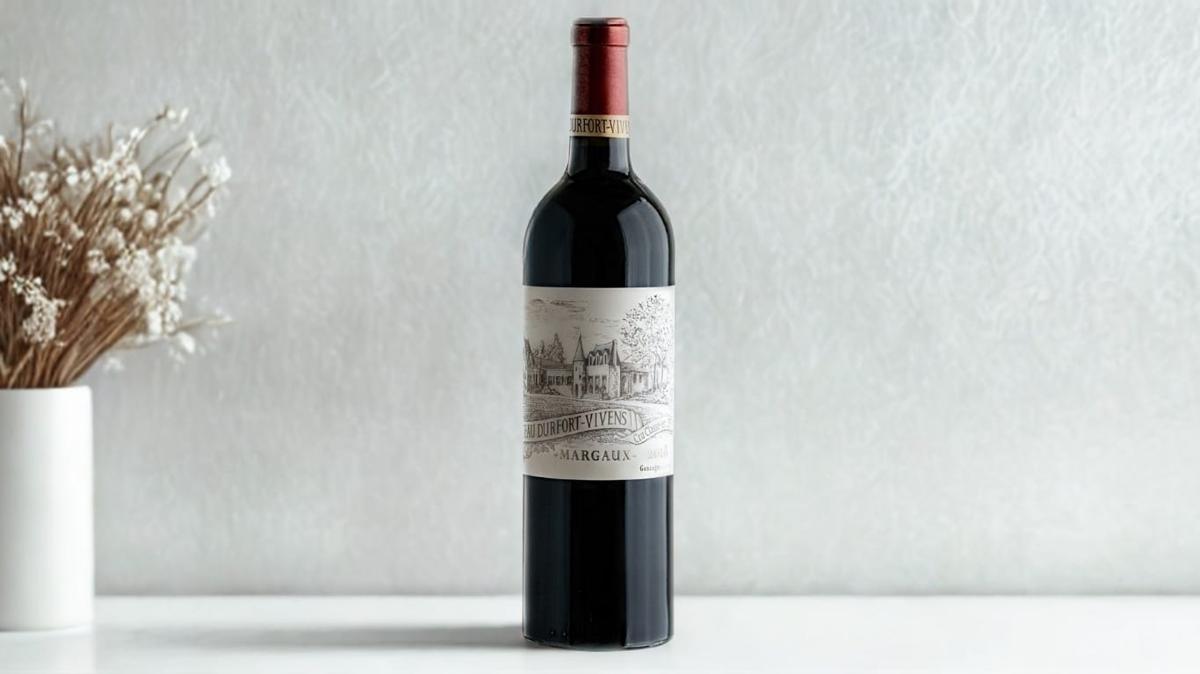
For collectors making en primeur decisions today, the discipline is selectivity. The 2024 campaign offered some structurally fair release pricing on the second-tier Pomerol and Saint-Émilion names (Vieux Château Certan, La Conseillante, Trotanoy, Pavie, Angélus). The First Growth releases were less compelling on price-to-quality.
The honest read is that you take en primeur where the structural discount is real and you let the merchants buy the rest later in the secondary market.
Beyond Bordeaux, the broader cellar-construction conversation is wider than it once was. We have written about fine wine as an asset class elsewhere, and about the extraordinary collector demand building around wines like Monfortino 2019, both of which sit at the centre of the rotation conversation.
What we will watch next
Two structural signals. First, the 2025 en primeur campaign launching in spring 2026: whether the leading châteaux release at the kind of structural discount Bordeaux Index and the wider merchant network have been calling for, or whether the 2024 concessions prove a one-off. Second, whether the Liv-ex Bordeaux 500 stabilizes against the Burgundy 150 in the second half of 2026.
Either signal would tell us whether the en primeur reset is real or whether the structural decline continues to compound.
We last reviewed this analysis in May 2026.