Fine wine investment is inseparable from the land it comes from. Each region brings something distinct to the table, shaped by centuries of history, a specific climate, and winemaking traditions passed down through generations. When you understand where a wine comes from and why that place matters, you make smarter decisions, balance risk more confidently, and build a portfolio that actually holds up over time.

This guide walks you through the top wine-producing regions worth your attention as an investor, what makes each one special, and why they’ve earned their place in the global wine market.

Bordeaux (France)

Bordeaux sits at the very heart of fine wine production and investment. Tucked into southwestern France, the region turns out some of the most prestigious wines on the planet, spread across more than 60 appellations and thousands of châteaux. If you’re serious about wine as an asset class, Bordeaux is where most conversations begin.

Unique Characteristics of Bordeaux Wines

  1. Blends: Bordeaux is renowned for its blends, primarily based on Cabernet Sauvignon, Merlot, and Cabernet Franc. The balance of these varietals creates wines with complexity, structure, and aging potential.

  2. Terroir Diversity: The region’s terroir varies widely, from gravelly soils in the Médoc to clay and limestone in Saint-Émilion, allowing for a range of wine styles.

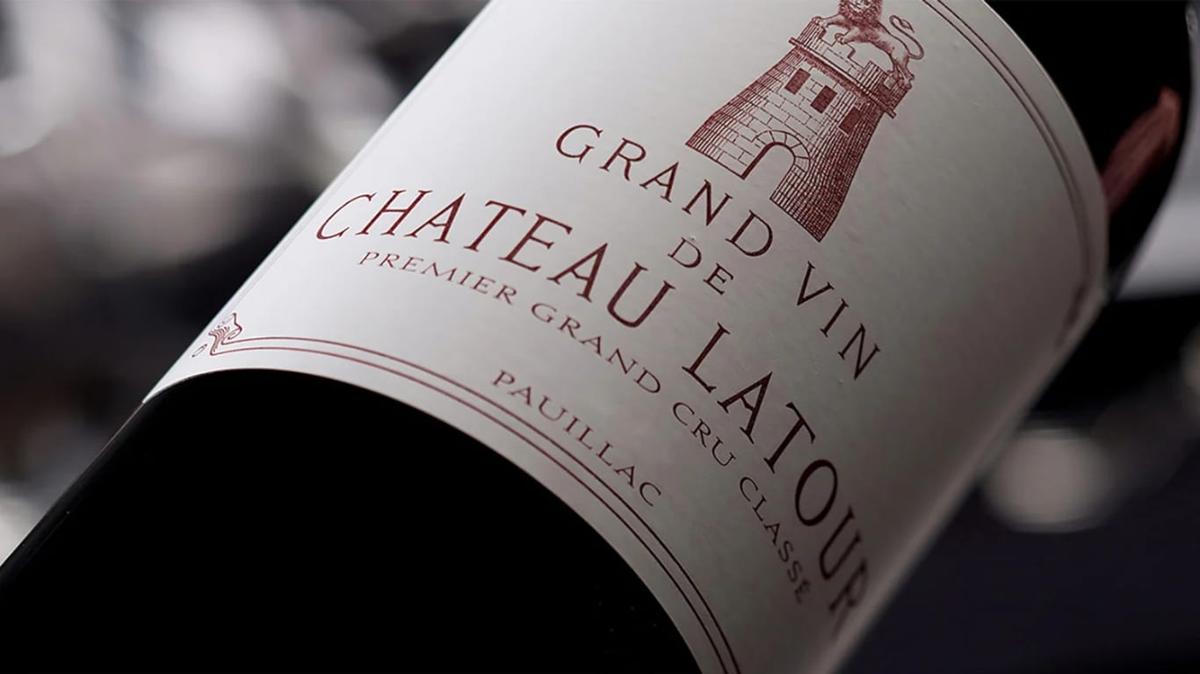
  3. Classification System: The 1855 Classification of Bordeaux ranks the top wines, such as Château Lafite Rothschild and Château Margaux, boosting their global appeal and investment potential.

Historical Significance

Bordeaux’s story stretches back to Roman times, but its real power in the wine trade took hold in the 12th century when the region became England’s go-to supplier. By the 17th century, Bordeaux wines were circling the globe and building a reputation that only grew stronger. Today, Bordeaux accounts for roughly 40% of the global fine wine trade by value, making it the single most important cornerstone of any serious wine investment strategy. You can explore some of the best Merlot wines to invest in, many of which come straight from this iconic region.

Bordeaux Fine Wine

Burgundy (France)

Burgundy sits in eastern France and carries a reputation that even Bordeaux enthusiasts quietly respect. What sets it apart is the meticulous, almost obsessive approach to winemaking. Forget large-scale châteaux. Here, you’re dealing with small, family-owned vineyards where every bottle tells a hyper-specific story about a single plot of land. That exclusivity is exactly what drives serious investor demand.

Unique Characteristics of Burgundy Wines

  1. Focus on Single Varietals: Burgundy specializes in Pinot Noir for reds and Chardonnay for whites, offering purity and an unparalleled expression of terroir.

  2. Terroir-Driven Wines: The concept of terroir is deeply rooted in Burgundy’s winemaking philosophy. Each vineyard plot (known as a “climat”) imparts unique characteristics to the wine.

  3. Small Production: Limited yields and meticulous craftsmanship result in scarcity, driving high demand and significant price appreciation.

Historical Significance

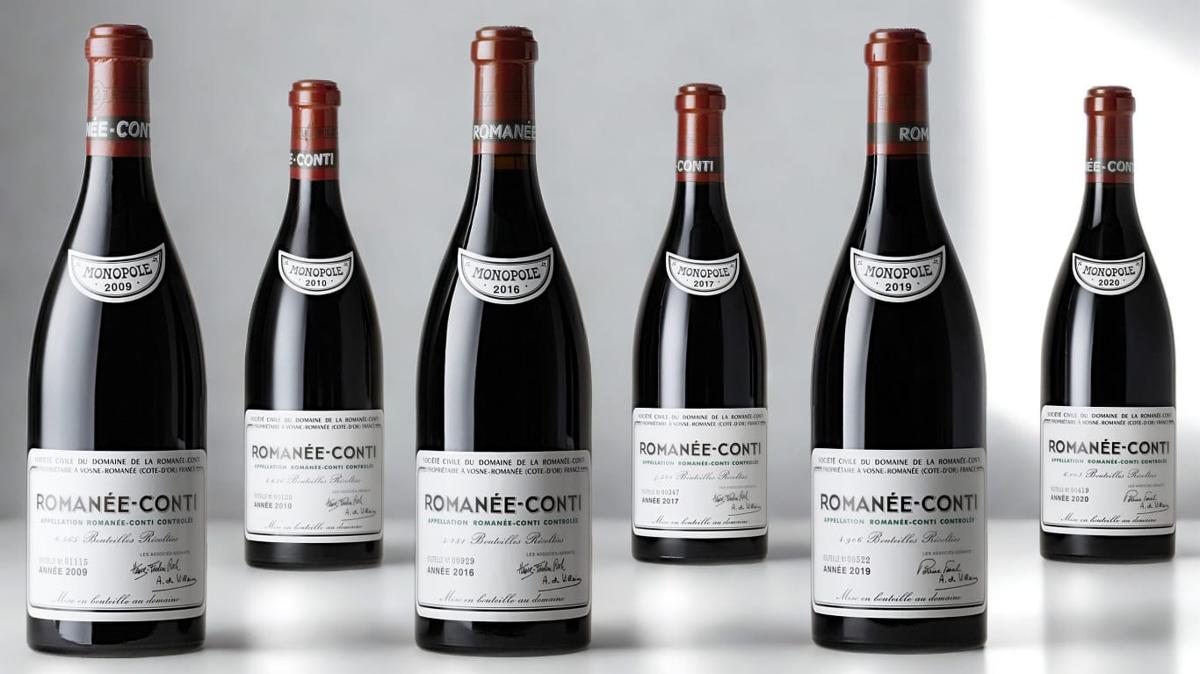
The region’s winemaking roots go back to the Roman era, but it was the Benedictine and Cistercian monks of the Middle Ages who truly refined what Burgundy could produce. The classification system, established in 1936, locked in a quality hierarchy that still drives the market today, with Grand Cru and Premier Cru vineyards at the top. Producers like Domaine de la Romanée-Conti have turned Burgundy into something close to a religion among collectors, and the numbers back it up. Top wines from this region have appreciated at annual rates exceeding 15%. If you want to go deeper on how the hierarchy actually works, the complete guide to the Burgundy classification system is worth your time.

Champagne (France)

Champagne is about more than bubbles. Located in northeastern France, it’s the birthplace of sparkling wine and the only region in the world legally permitted to label its wines as “Champagne.” That protection isn’t just a technicality. It’s a built-in moat that keeps the region’s investment appeal firmly intact.

Unique Characteristics of Champagne Wines

  1. Traditional Method (Méthode Champenoise): Champagne is produced using a secondary fermentation process in the bottle, which creates its signature bubbles and complex flavors.

  2. Blend of Grapes: The primary grapes used are Chardonnay, Pinot Noir, and Pinot Meunier. The blend varies by producer and style, offering diversity in taste and investment opportunities.

  3. Aging Potential: Prestige cuvées from houses like Dom Pérignon and Krug have exceptional aging potential, increasing their value over time.

Historical Significance

The Champagne region has been producing sparkling wine since the 17th century, but its global stature was cemented a century later by pioneering houses like Moët and Chandon and Veuve Clicquot. The connection to royalty, luxury events, and milestone celebrations has never really faded. And the numbers reflect that staying power. Prestige cuvées have posted double-digit annual growth rates in recent years, fueled by surging demand from emerging markets across Asia and the Middle East.

Rhône (France)

The Rhône Valley, cutting through southeastern France, ranks among the oldest wine-producing regions anywhere in the world. Split between the Northern Rhône and Southern Rhône, the region covers a genuinely diverse range of styles that pull in both serious collectors and savvy investors looking for value alongside prestige.

Unique Characteristics of Rhône Wines

  1. Northern Rhône: The Northern Rhône is renowned for its Syrah-based wines, known for their intensity, structure, and aging potential. Iconic appellations include Hermitage and Côte-Rôtie. Viognier, a white varietal, is also prominent in this area, producing aromatic and complex wines.

  2. Southern Rhône: The Southern Rhône is best known for blends, particularly Grenache, Syrah, and Mourvèdre, with Châteauneuf-du-Pape being the flagship appellation. Wines from this area are typically fuller-bodied and fruit-forward, appealing to a wide audience.

  3. Affordability and Accessibility: Compared to Bordeaux and Burgundy, Rhône wines are often more affordable, offering strong growth potential for emerging investors.

Historical Significance

Winemaking here goes back to 600 BC, first introduced by the Greeks and later shaped by the Romans. The region’s global profile rose sharply during the Middle Ages when wines from Châteauneuf-du-Pape became favourites of papal courts. Today, Rhône wines punch above their weight on quality while still offering relative value. Top vintages have shown steady appreciation of around 8 to 10% annually, making the region a smart addition if you’re building a diversified fine wine portfolio.

Rhône fine wine

Tuscany (Italy)

Tuscany is the face of Italian fine wine. Rolling hills, centuries-old vineyards, and a winemaking craft that runs deep through the culture. Home to Chianti Classico, Brunello di Montalcino, and the legendary Super Tuscans, the region has locked in a place at the top of every serious wine investor’s wish list.

Unique Characteristics of Tuscany Wines

  1. Sangiovese Dominance: Tuscany’s wines are predominantly made from Sangiovese, a varietal celebrated for its vibrant acidity, cherry flavors, and excellent aging potential. Brunello di Montalcino and Vino Nobile di Montepulciano are premier examples of Sangiovese-based wines.

  2. Super Tuscans: These wines, such as Sassicaia and Tignanello, broke traditional Italian wine classifications by blending Sangiovese with international varietals like Cabernet Sauvignon and Merlot. They have gained global acclaim, offering investors high returns and strong market demand.

  3. Diverse Terroir: Tuscany’s varied terroir, from coastal areas like Bolgheri to inland hills around Siena, contributes to a wide range of wine styles and investment opportunities.

Historical Significance

Tuscan winemaking traces back to the Etruscans around 800 BC, but the region’s golden era really took shape during the Renaissance when noble families like the Antinori and Frescobaldi began setting new quality benchmarks. Then came the 1970s and the emergence of the Super Tuscans, which fundamentally changed how the world viewed Italian wine. Wines like Sassicaia didn’t just win awards; they built a whole new investment category. Annual appreciation rates of 10 to 12% on top Sassicaia vintages speak for themselves, and that track record has made Tuscany a staple in well-built alternative investment portfolios.

Yunnan (China)

Yunnan, a mountainous province tucked into southwestern China, is the kind of story every early-stage investor hopes to find. The region has moved fast, earning genuine recognition for its unique terroir and a quality level that’s catching the attention of collectors who thought they’d seen it all.

Unique Characteristics of Yunnan Wines

  1. High-Altitude Vineyards: Yunnan’s vineyards are situated at altitudes ranging from 2,000 to 2,600 meters, providing a cool climate that supports slow ripening and complex flavor development. The region’s clean air and abundant sunlight contribute to the production of healthy, high-quality grapes.

  2. French Influence: International collaborations, such as Moët Hennessy’s Ao Yun project, have introduced Bordeaux-style winemaking to the region. These wines often combine Cabernet Sauvignon and Cabernet Franc, mirroring the structure and elegance of top Bordeaux wines.

  3. Unique Terroir: Yunnan’s soil composition, coupled with its high-altitude climate, produces wines with distinctive minerality and freshness, appealing to collectors seeking something new and exclusive.

Historical Significance

Winemaking in Yunnan is relatively new by global standards, but the region’s potential was spotted early in the 2000s. The launch of the Ao Yun project in 2013 was the turning point. It proved that Yunnan could produce wines with real ambition and world-class results.

Since that debut, Ao Yun has reached price points that sit comfortably alongside Bordeaux’s second-growth wines. That kind of rapid ascent doesn’t happen by accident. For adventurous investors willing to look beyond the traditional European pillars, Yunnan offers a compelling early-mover opportunity.

Piedmont (Italy)

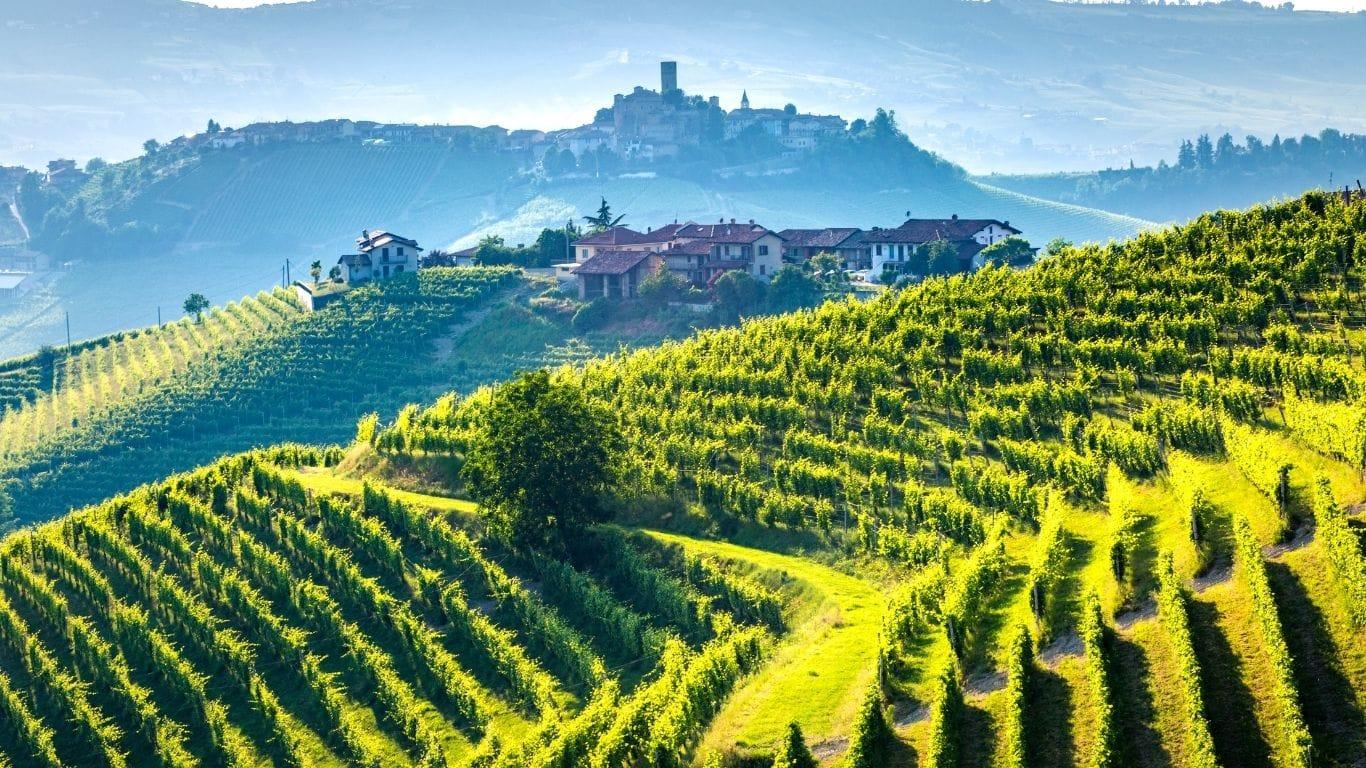
Piedmont sits at the foot of the Alps in northwestern Italy and carries a quiet authority that wine lovers deeply respect. Built on Nebbiolo, the grape behind Barolo and Barbaresco, Piedmont produces wines with structure, complexity, and aging potential that can rival anything France has to offer. For investors, that translates to consistent long-term value.

Unique Characteristics of Piedmont Wines

  1. Nebbiolo Dominance: Nebbiolo, the region’s signature grape, produces highly aromatic wines with robust tannins, vibrant acidity, and exceptional aging potential. Barolo, often called the “King of Wines,” and Barbaresco, its elegant counterpart, are the most famous expressions of Nebbiolo.

  2. Diverse Offerings: In addition to Nebbiolo, Piedmont is celebrated for Barbera and Dolcetto, which offer more approachable and affordable options for both consumers and investors. The region also produces sparkling wines like Asti Spumante and sweet wines like Moscato d’Asti, catering to diverse markets.

  3. Terroir and Microclimates: Piedmont’s rolling hills and varied microclimates allow for precise viticulture, resulting in wines with distinct characteristics from each vineyard or sub-region.

Historical Significance

Piedmont’s winemaking roots go back to Roman times, but the region found its modern footing in the 19th century when producers borrowed thinking from Burgundy’s classification model and committed hard to quality over volume. That discipline paid off. Top Barolo and Barbaresco vintages now command serious prices, with annual appreciation rates exceeding 10%. Producers like Gaja and Giacomo Conterno have become benchmarks not just for Italy, but for the fine wine world at large.

Napa Valley (USA)

Napa Valley is California’s crown jewel and one of the most recognised wine regions on the planet. Known above all for its Cabernet Sauvignon, Napa has built a global reputation that genuinely competes with Bordeaux and Burgundy. If you’re constructing a wine portfolio that reaches beyond Europe, Napa is the obvious starting point. You can dig deeper into what the best Cabernet Sauvignon wines for investment actually look like across different price points.

Unique Characteristics of Napa Valley Wines

  1. Cabernet Sauvignon Focus: Napa Valley is celebrated for its Cabernet Sauvignon, which features bold flavors, firm tannins, and exceptional aging potential. Iconic producers like Screaming Eagle and Harlan Estate have become synonymous with premium Napa wines.

  2. Diverse Microclimates: The valley’s microclimates range from cooler regions like Carneros to warmer areas like Rutherford and Oakville, allowing for the production of a variety of wine styles.

  3. Cutting-Edge Winemaking: Napa Valley wineries are known for their innovation, blending traditional techniques with advanced technology to produce consistently high-quality wines.

Historical Significance

Napa’s rise to international fame has a very specific origin story. The 1976 Judgment of Paris changed everything. California wines went head-to-head with the best of France in a blind tasting and came out on top. That single event shifted the global narrative and gave Napa the credibility it needed to compete at the highest level. Bloomberg’s coverage of the fine wine market has tracked how that credibility has only grown in the decades since.

Since then, Napa Valley has become a leader in sustainable viticulture, pairing its pursuit of quality with a genuine commitment to environmental stewardship. That combination of prestige and purpose resonates strongly with the next generation of collectors.

The market performance speaks clearly. Certain Napa vintages have appreciated at annual rates of 10 to 15%, and the combination of limited production, consistent quality, and worldwide name recognition makes them a natural anchor in any fine wine portfolio.

Napa Valley wine regions


Veneto (Italy)

Veneto, in northeastern Italy, offers something you don’t always find in fine wine investment: genuine range. From the festive accessibility of Prosecco to the brooding depth of Amarone, the region covers serious ground. And that versatility creates entry points at multiple price levels, which is exactly what a smart investor looks for.

Unique Characteristics of Veneto Wines

  1. Prosecco Excellence: Prosecco, made from the Glera grape, is Veneto’s most famous export. Its light, sparkling profile and affordability have made it a global favorite, accounting for a significant share of sparkling wine sales worldwide.

  2. Amarone della Valpolicella: Amarone, crafted using the appassimento method (drying grapes before fermentation), produces concentrated, full-bodied wines with high aging potential, making it a favorite among collectors.

  3. Diverse Offerings: Veneto also produces elegant white wines like Soave and red blends from Bardolino, appealing to a wide range of tastes and investment strategies.

Historical Significance

Winemaking in Veneto stretches back to Roman times. Prosecco built its international following through the 20th century, becoming one of the world’s most recognised sparkling wines. The arrival of Amarone mid-century added a completely different dimension, giving the region a wine capable of long-term cellaring and serious appreciation.

Today, Veneto holds the title of Italy’s largest wine-producing region by volume, and it plays a major role in the country’s fine wine export story.

Prosecco gives you strong liquidity because demand never really dips. But Amarone is where the long-term investment thesis gets interesting. Top Amarone vintages have delivered consistent annual growth of 8 to 10%, making Veneto a region worth including if you’re building a portfolio that blends accessibility with premium upside.

Rioja (Spain)

Rioja, in northern Spain, sits at the top of Spain’s fine wine hierarchy. Built around Tempranillo and shaped by a history of aging that few regions can match, Rioja wines offer a rare combination of quality, track record, and value that makes them genuinely attractive for investors who’ve priced themselves out of Bordeaux and Burgundy.

Unique Characteristics of Rioja Wines

  1. Tempranillo Dominance: Tempranillo is the star grape in Rioja, producing wines with vibrant fruit flavors, balanced acidity, and excellent aging potential. These wines often display notes of red berries, leather, and spice as they mature.

  2. Aging Classification System: Rioja wines are classified based on their aging process, with Crianza, Reserva, and Gran Reserva designations indicating increasing levels of quality and maturation. Gran Reserva wines, aged for at least five years, are particularly prized by collectors.

  3. Blends with Garnacha: Tempranillo is often blended with Garnacha (Grenache), adding complexity and softness to the wines, making them appealing to a wide audience.

Historical Significance

Winemaking in Rioja goes back to Roman times, but the region’s modern chapter opened in the 19th century when Bordeaux winemakers, forced out of France by the phylloxera crisis, brought their techniques and expertise across the Pyrenees.

That cross-pollination of ideas, layered onto Rioja’s own distinctive terroir, created something new. The granting of Denominación de Origen Calificada status in 1991 was the formal recognition of what the region had become: a producer of wines that compete at the highest level.

Iconic producers like López de Heredia and La Rioja Alta have built a consistent track record, with annual appreciation rates of 8 to 12% on top vintages. Rioja gives you Bordeaux-level aging potential at a fraction of the entry cost. That’s a gap worth paying attention to.

Douro (Portugal)

The Douro Valley in northern Portugal is one of the oldest demarcated wine regions on earth, carved into steep terraced hillsides above the river that gives it its name. Long celebrated for its fortified Port wines, the region is now earning equal recognition for its table wines. For investors looking for depth, history, and growing global demand, Douro is a genuine standout.

Unique Characteristics of Douro Wines

  1. Port Wines: Douro is synonymous with Port, a fortified wine known for its richness, complexity, and exceptional aging potential. Tawny and Vintage Ports are especially sought after by collectors.

  2. Table Wines: In recent decades, the region has gained recognition for its red and white table wines made from indigenous grape varieties like Touriga Nacional and Tinta Roriz. These wines are characterized by bold flavors, structure, and elegance.

  3. Steep Terraces and Old Vines: The region’s terraced vineyards along the Douro River create a unique microclimate, while many vines are over 100 years old, contributing to the wines’ depth and complexity.

Historical Significance

Winemaking in the Douro goes back to the Romans, but the region’s fame took off in the 17th century when Port wine exports to England turned the valley into a powerhouse. In 1756, the Douro became the world’s first officially demarcated wine region, a move that set a global standard for quality and authenticity. Today, storied Port houses like Taylor’s and Graham’s uphold that legacy, while a new generation of producers is elevating the region’s table wines to serious collector status.

Vintage Port, in particular, has a strong long-term appreciation story, with top vintages showing annual growth of 10 to 15%. And Douro’s table wines offer a more accessible entry point with real upside as the region’s global profile keeps expanding. That combination of established prestige and emerging opportunity is rare. It’s what makes Douro worth a closer look for anyone building a diversified wine portfolio. Pair that with a solid understanding of fine wine storage to protect your investment over the long term.

Douro fine wine

Best Countries to Invest in Their Wine

Wine investment isn’t just about individual bottles or single appellations. Where a wine comes from, at a country level, shapes its liquidity, its global demand, and its long-term appreciation story. Here’s a closer look at the countries that deserve your attention.

Spain

Spain punches well above its weight. Regions like Rioja, Priorat, and Ribera del Duero are producing wines of genuine international standing, and the price points are still comparatively accessible. If you’re looking for quality-to-value ratio, Spain is one of the most compelling options available right now.

  • Key Regions: Rioja (Tempranillo-based wines), Priorat (bold Garnacha and Cariñena blends), and Ribera del Duero (structured and powerful Tempranillo wines).

  • Investment Potential: Wines from iconic producers like Vega Sicilia (Ribera del Duero) and López de Heredia (Rioja) have demonstrated consistent appreciation rates of 8–12% annually.

Italy

Italy’s wine investment story is built on diversity. Tuscany and Piedmont lead the charge, but don’t overlook Veneto, Sicily, and Campania. These regions are drawing serious collector interest, and the gap between their quality and their current market prices won’t stay wide forever.

  • Key Regions: Tuscany (Super Tuscans and Brunello di Montalcino), Piedmont (Barolo and Barbaresco), and Veneto (Amarone and Prosecco).

  • Investment Potential: Super Tuscans like Sassicaia and Tignanello, along with Barolo from producers like Gaja, regularly appreciate at rates of 10–15%.

Greece

Greece is one of those markets that rewards early movers. Ancient winemaking traditions, indigenous grape varieties that grow nowhere else on earth, and regions like Santorini and Naoussa producing wines that are quietly turning heads on the international stage. The recognition is building.

  • Key Regions: Santorini (Assyrtiko-based whites) and Naoussa (Xinomavro-based reds).

  • Investment Potential: Greek wines are relatively undervalued but are gaining traction, with top producers seeing increased demand in global markets.

California

California, with Napa Valley at the front, is the undisputed leader in American fine wine investment. Napa’s Cabernet Sauvignon is in a category of its own, but keep an eye on Sonoma and the Central Coast. Both regions are producing wines that are starting to attract serious collector attention.

  • Key Regions: Napa Valley (Cabernet Sauvignon), Sonoma (Pinot Noir and Chardonnay), and Central Coast (diverse varietals).

  • Investment Potential: Napa’s iconic wines, such as Screaming Eagle, often see annual appreciation rates of 10–15%, making them highly sought after by collectors.

Australia

Australia offers a layered opportunity. Barossa Valley has a globally recognised track record, particularly for Shiraz, while newer regions are drawing attention for their innovation and the freshness of their approach. The country gives you both stability and emerging upside within one market.

  • Key Regions: Barossa Valley (Shiraz), Margaret River (Cabernet Sauvignon and Chardonnay), and Hunter Valley (Semillon).

  • Investment Potential: Penfolds Grange, Australia’s flagship wine, has demonstrated consistent price growth, with annual appreciation rates of 8–10%.

Benefits of Country Diversification

Spreading your investments across multiple countries is one of the smartest moves you can make in fine wine. You reduce your exposure to any single region’s market cycles, open up a broader range of growth opportunities, and build genuine resilience into the portfolio. Combining proven markets like France and Italy with rising stars like Greece and Australia gives you a collection that can weather almost anything. The Financial Times has noted that geographic diversification is increasingly becoming the strategy of choice among sophisticated wine investors.

Emerging Wine Regions

The wine world isn’t standing still. Emerging regions are producing bottles that are challenging the old guard in quality and, increasingly, in price. Lower entry costs, growing global demand, and the potential for sharp appreciation as reputations build, these are exactly the conditions that create strong investment returns if you get in early.

South Africa

South Africa’s wine industry is going through a genuine transformation. The Cape Winelands, and Stellenbosch in particular, are home to producers who’ve stopped chasing volume and started obsessing over quality. The results are wines that blend Old World elegance with a New World energy that collectors are responding to.

  • Key Varietals: Chenin Blanc, Pinotage, and Cabernet Sauvignon.

  • Investment Appeal: Wines from premium producers like Kanonkop and Klein Constantia are increasingly sought after, with annual appreciation rates of 8–10%.

Argentina

Argentina built its international identity on Malbec, and Mendoza’s high-altitude vineyards have delivered bold, structured wines that are earning serious global respect. The category has moved well beyond entry-level, and top producers are now commanding prices that reflect that shift.

  • Key Varietals: Malbec, Cabernet Sauvignon, and Torrontés.

  • Investment Appeal: Mendoza’s Malbecs, particularly from producers like Catena Zapata, offer strong growth potential and relatively low entry costs.

New Zealand

New Zealand made its name on Sauvignon Blanc, but Pinot Noir is quickly becoming the region’s second calling card. Marlborough and Central Otago are producing wines with vibrant acidity, real aging potential, and a growing international following that’s pushing prices steadily upward.

  • Key Varietals: Sauvignon Blanc and Pinot Noir.

  • Investment Appeal: Boutique producers in New Zealand offer a mix of accessibility and growth potential, with increasing demand in Asia and Europe.

Eastern Europe

Eastern Europe is a story most investors haven’t read yet. Countries like Hungary, Georgia, and Bulgaria are combining winemaking traditions that go back thousands of years with modern techniques that are producing genuinely exciting results. The prices are still low relative to quality, which means the window for getting in early is open right now.

  • Key Varietals: Furmint (Hungary), Saperavi (Georgia), and Mavrud (Bulgaria).

  • Investment Appeal: Wines from Eastern Europe are gaining traction in international markets, with low production costs creating significant upside for investors.

Oregon (USA)

Oregon’s Willamette Valley has built a reputation for Pinot Noir that invites direct comparison with Burgundy, and increasingly those comparisons hold up. Small-scale production, a deep commitment to sustainable farming, and a collector community that’s growing year on year make Willamette Valley wines some of the most compelling collectibles coming out of North America.

  • Key Varietals: Pinot Noir and Chardonnay.

  • Investment Appeal: Wines from producers like Domaine Serene have shown strong appreciation, with growing global demand for Oregon wines.

Benefits of Investing in Emerging Regions

  1. Lower Entry Costs: Emerging regions typically offer more affordable options compared to established markets like Bordeaux or Burgundy.

  2. High Growth Potential: As these regions gain international recognition, their wines often see rapid appreciation.

  3. Diversification: Adding wines from emerging regions reduces reliance on traditional markets and provides exposure to new consumer trends.

Emerging wine regions are where the next chapter of fine wine investment is being written. If you’re already well-positioned in Bordeaux and Burgundy and looking for your next move, these are the markets worth watching closely. Think of it the same way you’d think about building an art investment portfolio, early positioning in overlooked categories is often where the most meaningful returns are found.

FAQ

Why should I invest in wine from different regions?

Investing in wines from multiple regions reduces risk by diversifying your portfolio. If one region experiences market fluctuations or environmental challenges, others may perform well, balancing your overall returns.


Which regions are considered the safest for wine investment?

Traditional regions like Bordeaux, Burgundy, and Napa Valley are considered the safest due to their established markets, global demand, and consistent historical performance.


What makes Bordeaux and Burgundy the most popular regions for investment?

Both regions are known for their prestigious wines, long-standing reputations, and strong secondary markets. Bordeaux’s classification system and Burgundy’s focus on terroir ensure consistent quality, driving demand and price appreciation.


How do I balance traditional and emerging wine regions in my portfolio?

A balanced portfolio typically includes 70–80% from traditional regions for stability and 20–30% from emerging regions for growth potential. Adjust this ratio based on your risk tolerance and investment goals.

Is Now The Right Moment To Reinvest In Bordeaux Wine?

Is Now The Right Moment To Reinvest In Bordeaux Wine?

Fine wine markets rarely correct as sharply as Bordeaux did between 2022 and 2024, when…
Is China The Future Of Italian Sparkling Wine?
Is China The Future Of Sparkling Wine?

Is China The Future Of Sparkling Wine?

China imported over 500 million litres of wine in 2026, yet sparkling wine accounted for…
Is Italian Fine Wine The Most Underpriced Category In Europe?

Is Italian Fine Wine The Most Underpriced Category In Europe?

A bottle of 2016 Barolo from a top producer can cost you £80 at retail.…