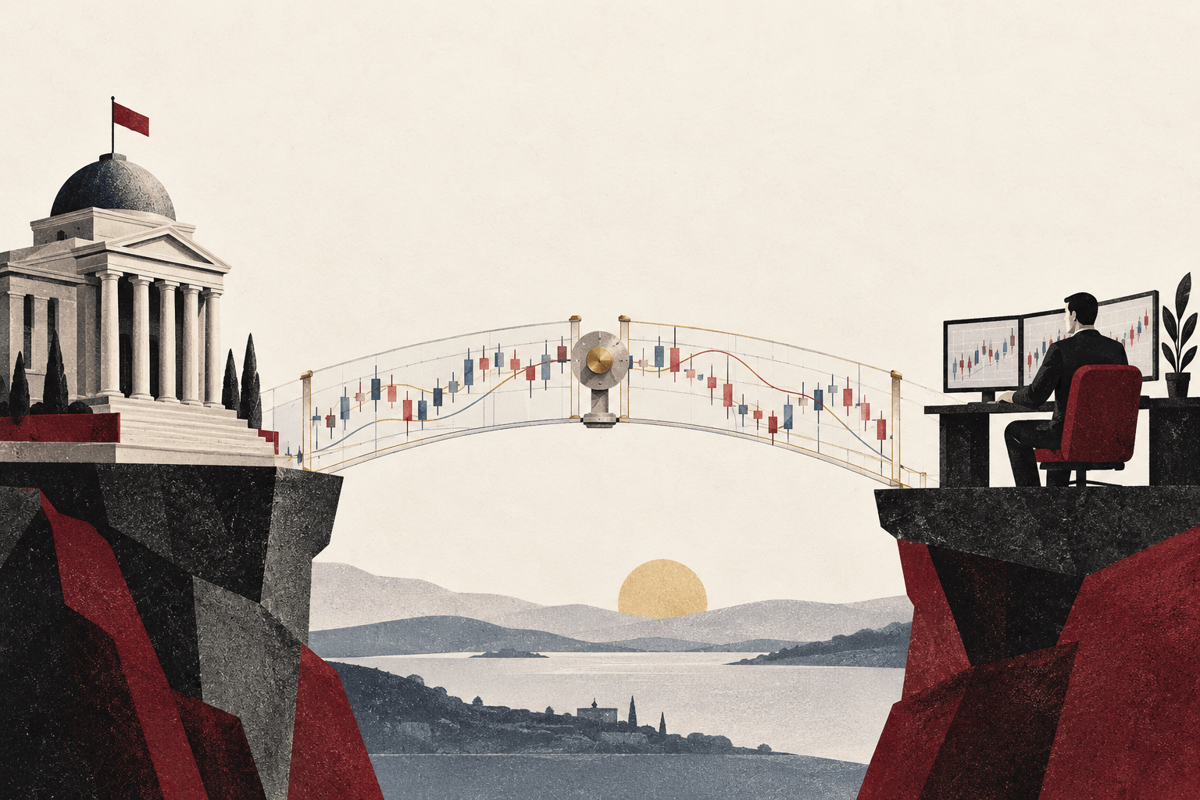

The world’s wealthiest people are quietly moving billions out of traditional securities and into tangible luxury assets that offer something no stock ever could: exclusivity, legacy, and genuine psychological satisfaction.
According to Knight Frank’s 2025 Wealth Report, 73% of ultra-high-net-worth individuals now allocate more than 20% of their portfolios to tangible luxury assets, up from just 34% a decade ago.
This migration from Wall Street to wine cellars, art galleries, and private collections is about far more than portfolio diversification. It signals a deep shift in how the elite define wealth at a time when traditional financial instruments feel increasingly disconnected from real value and personal identity.
Key Takeaways
Navigate between overview and detailed analysisKey Takeaways
- UHNWIs are shifting billions from stocks and bonds into luxury assets like art, wine, yachts, and watches.
- 73% now allocate 20%+ of portfolios to tangibles (up from 34% a decade ago), with projections of 30, 40% by 2030.
- Volatility in equities (VIX averaging 28.4) drives demand for assets with both emotional and financial returns.
- Luxury assets perform strongly: watches (13.7% annual returns), wine (11.2%), and classic cars (9.8%) rival or beat equities.
- Scarcity and exclusivity fuel prestige, with assets like Basquiat art, Romanée-Conti wine, and Hermès Birkin bags commanding record values.
- Risks remain, illiquidity, provenance scandals, and forced liquidations, though innovations like fractional ownership and tokenization are easing access and liquidity.
The Five Ws Analysis
- Who:
- Ultra-high-net-worth individuals, collectors, and investors seeking both prestige and financial diversification.
- What:
- A major portfolio shift from stocks and bonds to luxury assets such as fine art, wine, classic cars, watches, yachts, and rare collectibles.
- When:
- Accelerating through 2025, with projections showing even greater allocations by 2030.
- Where:
- Global luxury markets, auction houses in New York, London, Hong Kong, vineyards in Burgundy, yacht shipyards in Europe, and private collections worldwide.
- Why:
- Driven by stock market volatility, psychological satisfaction, exclusivity, and diversification benefits, UHNWIs are reshaping wealth strategies with tangible assets that provide both legacy and potential returns.
When Stocks Stop Feeling Like Wealth
Market volatility has reached levels that even the most investors find exhausting. Preserving wealth now demands constant attention, and for many at the top, that pressure has become genuinely unsustainable.
According to CBOE’s VIX data from late 2026, market volatility has averaged 28.4 over the past three years, nearly double the historical average of 15.2. Even billionaires are watching their net worth swing wildly based on forces entirely outside their control.
The psychological disconnect between paper wealth and real assets has grown sharper as digital trading dominates the markets. Owning a number on a screen feels less and less like owning something real.
UBS’s 2025 Global Wealth Management survey reveals that 67% of ultra-wealthy individuals describe their stock portfolios as “numbers on screens” rather than meaningful wealth, while 89% report greater emotional satisfaction from physical assets they can see, touch, and experience.
Federal Reserve data from 2026 shows the top 1% of Americans now control roughly 50% of all stock market wealth. That concentration creates a dangerous situation where the ultra-wealthy find their fortunes increasingly tied to each other and to macroeconomic forces they simply cannot move.
That overexposure has pushed many toward assets that operate well outside public market dynamics and offer genuine diversification benefits.

The New Playground of the Elite
Competition among the ultra-wealthy has shifted. Stock market returns matter far less than who acquires the world’s rarest objects. These are the new arenas where financial success translates into cultural dominance.
At a recent Contemporary Art Evening Sale at Christie’s New York, bidding wars erupted over museum-quality pieces. A Basquiat ‘Baby Boom’ sold for $23.4 million, not because any investment advisor recommended it, but because owning it grants membership to a group of fewer than 50 people worldwide who hold comparable works. If you want to understand which artists are delivering the strongest returns, that context matters enormously.
Wine has become another battlefield of elite competition. Cult Wine Investment’s 2026 analysis shows rare Burgundy wines appreciating 23.7% annually over the past five years. When a single bottle of 1945 Romanée-Conti sold for $558,000 at Sotheby’s back in 2018, the buyer wasn’t purchasing wine.
They were buying membership in an extraordinarily exclusive club of people who have tasted liquid history.
The superyacht market tells the same story of competitive luxury consumption. Boat International’s 2026 Global Order Book shows vessels over 100 meters commanding average prices of $275 million, with delivery times stretching to 2029 and beyond.
Owning What You Can Touch and Show
The psychology driving luxury asset accumulation speaks to fundamental human needs that financial securities simply cannot satisfy. Stanford research from 2026 shows that ultra-wealthy individuals derive far more satisfaction from physical assets they can experience, display, and pass down through generations than from abstract financial instruments that exist only in digital form.
Tangible luxury assets provide powerful social signaling that stocks cannot match.
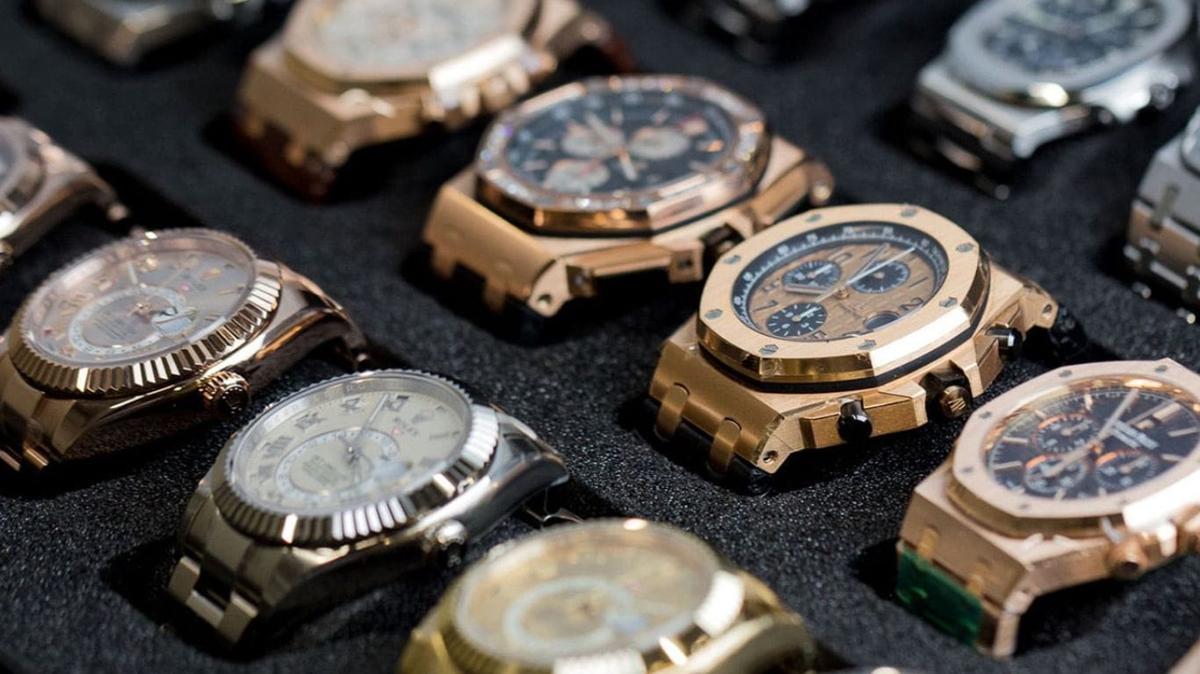
When collectors display vintage Patek Philippe watches valued at over $15 million, they communicate wealth, expertise, and membership in exclusive communities that transcend mere financial success. Each piece carries a story, historical weight, and a demonstration of knowledge in fields where expertise alone commands respect. If you’re thinking about investing in Patek Philippe, that social dimension is as important as the financial one.
The exclusivity factor creates psychological incentives that public securities simply cannot replicate. Acquiring a Hermès Himalaya Birkin for $432,000 places you among fewer than 100 people worldwide who own that specific piece.
No stock purchase, regardless of size, can give you that kind of exclusivity or social positioning within elite circles.
Do Luxury Assets Actually Outperform Stocks?
The financial performance data for luxury assets is more nuanced than the headlines suggest, and it challenges some core investment assumptions. Knight Frank’s Luxury Investment Index for 2026 shows watches delivering 13.7% annual returns over the decade ending in late 2026, while rare wine achieved 11.2% and classic cars returned 9.8%.
Those figures compare favorably to the S&P 500’s 10.4% average annual return over the same period, according to Morningstar data.
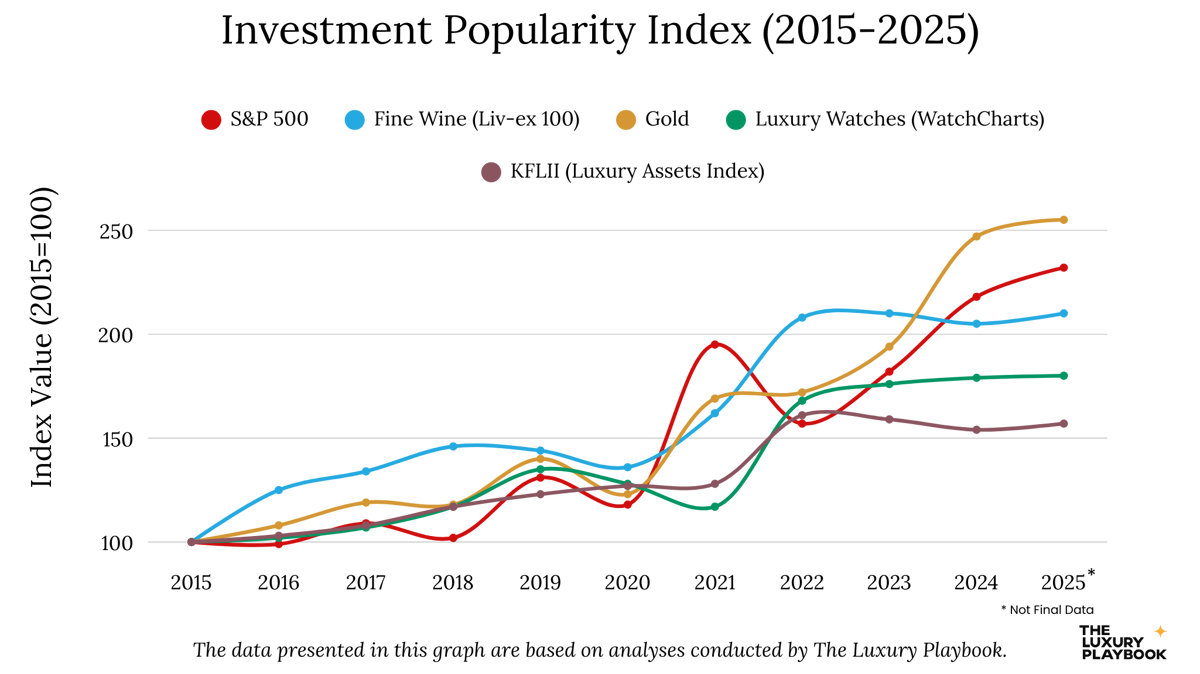
But as the previous chart shows, performance varies dramatically within asset categories. Artprice analysis shows that while works by established masters have delivered exceptional returns, with Basquiat pieces appreciating 387% since 2015, the broader art market has significantly underperformed. To get a fuller picture of which alternative assets have delivered the best returns, the spread within categories is just as important as the headline numbers.
Only the top 5% of artworks generate the headline returns that attract wealthy investors.
Wine investment data from Liv-ex tells a similar story. Their Fine Wine 1000 Index shows 8.1% annual appreciation through 2026, but with enormous variation across regions and producers. Burgundy’s first growths have appreciated 19.3% annually, while lesser regions have struggled to match even bond returns.
Success in luxury assets demands exceptional expertise and access to the finest examples. Those are advantages the ultra-wealthy often possess, but they also limit how broadly applicable these strategies really are.
Risks Behind the Glamour
Luxury asset investments carry real risks that can devastate portfolios despite their obvious appeal. Illiquidity is the most immediate challenge, with many assets requiring months or even years to sell under even favorable conditions.
Delaware Chancery Court documents from 2024 reveal cases where collectors forced to liquidate quickly received only 60% to 70% of recent appraisal values. That gap illustrates exactly how illiquidity can destroy wealth during moments of financial stress.
Authentication and provenance issues create ongoing vulnerabilities that regulated securities markets simply don’t present. A 2026 revelation that a $15 million Monet sold through a prestigious gallery was actually a sophisticated forgery sent shockwaves through the art world and wiped out value for collectors who had borrowed against their holdings.
Similarly, investigations revealed numerous so-called rare Rolex Daytonas selling for over $500,000 that contained non-original components, instantly eliminating their collector value.
Market manipulation poses a genuine threat in luxury markets with limited oversight and transparency. A Financial Times investigation in 2026 revealed coordinated buying schemes designed to artificially inflate prices in specific art categories before sellers offloaded their holdings to unsuspecting buyers.
Unlike regulated securities markets, luxury asset transactions often leave participants with minimal protection or transparency.
The Future of Elite Wealth Strategies
The migration toward luxury assets looks set to accelerate, driven by technological innovations that are tackling traditional barriers and opening up new opportunities. Fractional ownership platforms have attracted over $2.8 billion in investments through 2026, according to PitchBook data, allowing broader participation while offering liquidity options that simply didn’t exist before.
Tokenization is an emerging frontier that could genuinely transform luxury asset markets. Sotheby’s successful sale of fractional ownership tokens tied to a $12.9 million Banksy painting showed how blockchain technology could turn illiquid assets into tradeable securities while preserving the psychological ownership benefits that drive demand in the first place.
Wealth management experts predict ultra-high-net-worth individuals will allocate 30-40% of portfolios to tangible luxury assets by 2030, up from today’s 20-25%.
This shift points to a fundamental redefinition of wealth itself, moving away from abstract financial concepts toward concrete objects that provide lasting satisfaction, social status, and a generational legacy worth passing on.
The broader implications raise real questions about cultural access, as private collectors pull masterpieces from public view and secure rare assets in private hands. That trend may well accelerate calls for wealth taxation targeting luxury assets rather than financial securities, potentially reshaping how governments approach the question of wealth inequality.
The ultimate paradox here is a rich one. In their search for escape from financial market volatility, the ultra-wealthy have created new markets that are often more volatile and unpredictable than traditional securities. But the crucial difference is this: these investments offer a tangible, emotional connection that a stock certificate never could.
We last reviewed this analysis in May 2026.