Pinot Noir is one of the most sophisticated and expressive grape varieties you can put in your cellar. Originating from Burgundy, France, this grape thrives in cool climates and produces wines with delicate aromas, silky textures, and a rare ability to age gracefully over decades. Unlike bolder varietals, Pinot Noir is prized for its elegance, complexity, and its uncanny ability to mirror the nuances of its terroir, which is exactly why collectors and investors keep coming back to it.

The market for the best Pinot Noir wines has seen a remarkable surge in value over recent years, driven by rising global demand, tight production limits, and the enduring prestige of historic vineyards. Certain Grand Cru and Premier Cru bottles have consistently outpaced traditional investment assets, delivering impressive returns at auctions and private sales. Burgundy’s growing dominance on Liv-ex tells you everything you need to know about where serious wine money is flowing right now.

If you’re looking to diversify your portfolio with fine wines, Pinot Noir puts a compelling opportunity on the table. But not all Pinot Noir wines carry the same potential for appreciation. The most lucrative investments come from producers with a proven track record of excellence, deliberately limited output, and the kind of critical acclaim that doesn’t fade with fashion. You also want to understand how climate change is reshaping fine wine investments, since it directly affects the vineyards producing these bottles.

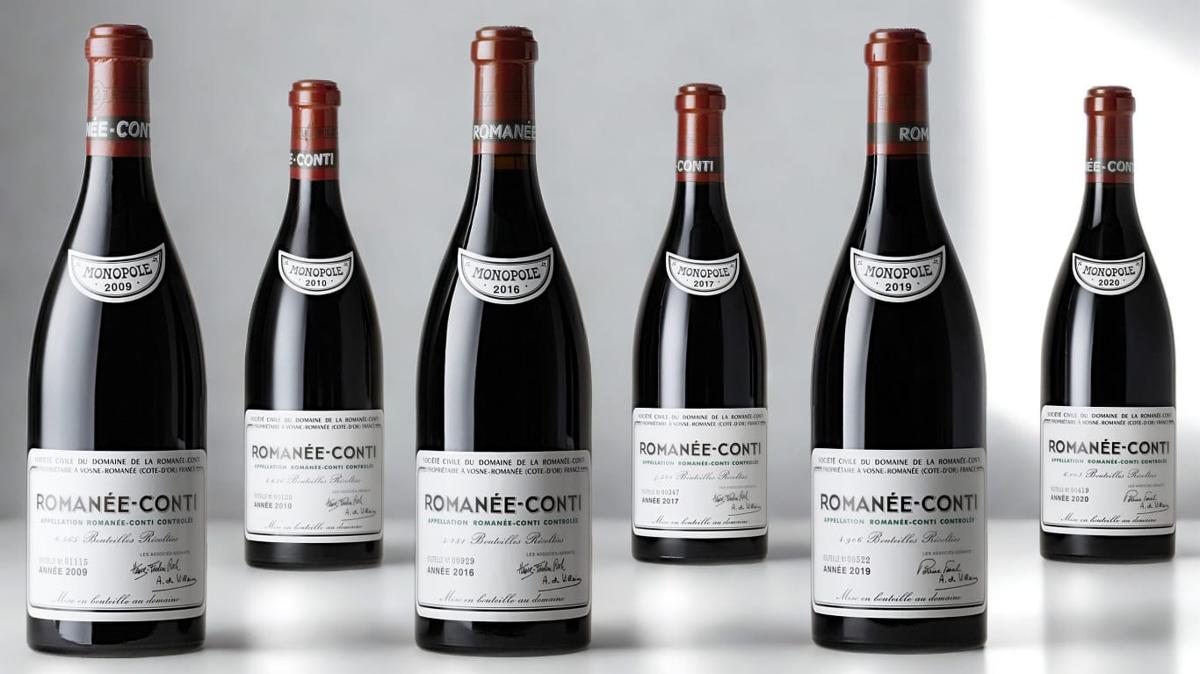
Domaine de la Romanée-Conti Romanée-Conti Grand Cru – Côte de Nuits, France

When it comes to Pinot Noir investment, Domaine de la Romanée-Conti Romanée-Conti Grand Cru sits at the very top. Often called the crown jewel of Burgundy, this wine is produced in exceptionally limited quantities, making it one of the most sought-after bottles on the planet. Collectors compete fiercely for allocations, and the secondary market reflects that intensity.

The Romanée-Conti vineyard traces its history back to the 13th century. Over the centuries, it has been meticulously cultivated to produce some of the most elegant and complex expressions of Pinot Noir you will ever encounter. Located in the heart of the Côte de Nuits, the vineyard spans just 1.8 hectares and yields fewer than 6,000 bottles per vintage. That scarcity is not a marketing story. It is structural.

What truly sets Romanée-Conti apart is its legendary finesse and aging potential. The wine unfolds in layers of red berries, violets, exotic spices, and earthy minerality. With age, it develops a silky texture, profound complexity, and a finish that seems to linger for an eternity. Few wines in the world come close to what this vineyard produces.

Romanée-Conti has consistently ranked among the best-performing investment wines, with auction records frequently surpassing expectations. Its unparalleled reputation, extreme rarity, and unwavering demand have pushed its price trajectory to extraordinary heights over the long term.

Price Evolution

  • In 2018, a single bottle of the 1945 vintage set a world record at auction, selling for $558,000.

  • Recent vintages typically trade at $20,000 to $40,000 per bottle, with some reaching over $100,000 in premium auctions.

  • Historically, prices have increased by an average of 12-15% annually, making it a highly lucrative long-term investment.

The long-term value of Romanée-Conti is anchored in three things you cannot manufacture: severe scarcity, unmatched prestige, and exceptional aging potential. With production capped at a few thousand bottles per year, availability stays tightly restricted and demand never lets up. Its status as the benchmark Pinot Noir wine cements its desirability, with high-profile collectors and institutions regularly competing for whatever comes to market.

The aging potential of Romanée-Conti also works in your favor as an investor. With a lifespan exceeding 50 years, well-preserved bottles do not just hold their value, they tend to become more desirable over time. Fine wine has also matured as an alternative investment asset class, pulling in institutional buyers alongside private collectors. As demand grows, particularly from expanding markets in Asia and the Middle East, the long-term financial outlook for Romanée-Conti stays exceptionally strong.

Domaine de la Romanée-Conti Romanée-Conti Grand Cru – Côte de Nuits,

Domaine Georges & Christophe Roumier Musigny Grand Cru – Côte de Nuits, France

The Domaine Georges & Christophe Roumier Musigny Grand Cru is one of the finest expressions of Pinot Noir that Burgundy produces. Highly regarded for its refined power and exceptional balance, this wine has earned a firm place among collectors and investors as a must-have Grand Cru with serious long-term appreciation potential.

Domaine Georges Roumier was founded in 1924 and has maintained a meticulous approach to viticulture ever since. Today, Christophe Roumier, the third-generation winemaker, upholds the family’s commitment to precision and tradition, ensuring the highest standards carry forward with each vintage.

Musigny Grand Cru is one of the most revered vineyards in Burgundy, covering just 10 hectares of prized limestone-rich soil. Roumier’s parcel within it is exceptionally small, which contributes directly to the wine’s rarity and exclusivity. The wine itself draws you in with layers of dark cherry, rose petal, violets, and subtle spice, all underpinned by silky tannins and remarkable depth. Unlike more robust Grand Crus, Roumier’s Musigny achieves a delicate finesse that makes it one of the most elegant and collectible Pinot Noirs in the world.

Roumier’s Musigny Grand Cru has long been a high-performing investment wine, with historical auction records reflecting consistent appreciation. Its limited availability, exceptional craftsmanship, and strong critical acclaim make it a prime candidate for long-term value retention in your cellar.

Price Evolution

  • Vintage prices range from $20,000 to $50,000 per bottle, depending on the year and provenance.

  • Certain older vintages have achieved auction results exceeding $100,000, particularly for bottles in pristine condition.

  • Annual appreciation rates for Roumier’s Musigny have averaged 10-15%, with stronger returns in sought-after vintages.

The investment potential here is driven by three factors that reinforce each other. Production is extremely limited, with only a few hundred bottles produced per vintage, ensuring high exclusivity. The wine’s legendary status among Burgundy collectors supports price stability. And the critical acclaim, vintage after vintage, keeps new buyers entering the market.

Global demand for Roumier wines has surged, especially across Asia and Europe, where collectors actively seek highly allocated Burgundies with strong aging potential. As Roumier upholds strict production standards and biodynamic practices, the prestige of this wine will likely keep building. That makes it a valuable addition to any fine wine investment strategy, whether you are buying independently or through a collective.

Domaine Georges & Christophe Roumier Musigny Grand Cru – Côte de Nuits,

DRC Les Petits Monts Vosne-Romanée Premier Cru – Côte de Nuits, France

The DRC Les Petits Monts Vosne-Romanée Premier Cru is one of the most coveted wines from the esteemed Domaine de la Romanée-Conti. It does not carry the same astronomical price tag as Romanée-Conti Grand Cru, but that is part of what makes it interesting. For investors, this Premier Cru bottling offers a prestigious entry point into the DRC portfolio, with limited availability and genuine aging potential working in your favor.

Les Petits Monts is a small yet compelling vineyard within Vosne-Romanée, producing wines that rival some of the region’s top Grand Crus in complexity and longevity. The terroir, defined by limestone-rich soils and an elevated position on the slope, contributes a refined minerality and beautifully balanced acidity that collectors recognize immediately.

DRC’s interpretation of Les Petits Monts is highly expressive, with an aromatic profile of red berries, rose petals, exotic spices, and earthy undertones. Unlike some of the more opulent Grand Crus in the portfolio, this wine leans toward grace and subtlety. It is structured yet delicate, and it develops beautifully over decades in the bottle.

Les Petits Monts has shown consistent price appreciation over the years, driven by its association with Domaine de la Romanée-Conti and its deliberately limited production volume. Many collectors treat it as a more accessible gateway into the DRC universe, but make no mistake, it holds elite status in its own right. If you want to understand how Burgundy compares to other fine wine regions as an investment, it is worth exploring whether Bordeaux still makes sense for your portfolio.

Price Evolution

  • Current prices range from $8,000 to $15,000 per bottle, depending on vintage and provenance.

  • Auction results indicate that well-aged vintages have surpassed $25,000, particularly in strong Burgundy years.

  • The average appreciation rate has been 8-12% annually, making it a stable, long-term investment wine.

The investment appeal of Les Petits Monts lies in its rarity, growing global demand, and the prestige that comes with the DRC name. With fewer bottles produced than most Grand Cru bottlings, securing this wine is a strategic move for investors looking to diversify their Burgundy holdings without paying the very top of the market.

Rising interest in high-end Premier Crus has strengthened this wine’s market position, as investors seek alternatives to Grand Crus that still offer strong aging potential and real growth in value. As demand for DRC wines keeps climbing, Les Petits Monts is well positioned to stay a desirable option in the fine wine market for years ahead.

DRC Les Petits Monts Vosne-Romanée Premier Cru

Leroy Richebourg Grand Cru – Côte de Nuits, France

The Leroy Richebourg Grand Cru is one of the most exquisite and highly sought-after Pinot Noir wines you can own. Produced by Maison Leroy under the visionary leadership of Lalou Bize-Leroy, this wine embodies power, depth, and longevity in a way that makes it a prime asset for serious collectors and investors.

The Richebourg vineyard is among Burgundy’s most prestigious Grand Cru sites, consistently producing full-bodied and profoundly structured Pinot Noir. Spanning just 8 hectares, the vineyard yields tiny quantities of highly concentrated grapes, ensuring that every bottle carries the full weight of its exceptional terroir.

Maison Leroy, founded in 1868, has built an unrivaled reputation through biodynamic viticulture and meticulous winemaking. The Richebourg Grand Cru announces itself with intense aromas of dark cherry, plum, truffle, and forest floor, all combined with a velvety yet powerful tannic structure. Over time, it evolves into a complex, multi-layered masterpiece capable of aging for 50 years or more. According to Decanter’s Pinot Noir coverage, wines of this caliber represent the absolute ceiling of what the grape can achieve.

Leroy wines, particularly Grand Cru bottlings, have demonstrated exceptional price appreciation, often surpassing many traditional investment-grade wines at auction. The Richebourg Grand Cru sits consistently among the top-performing fine wines wherever serious bottles are bought and sold.

Price Evolution

  • Current market prices range from $15,000 to $40,000 per bottle, depending on vintage and provenance.

  • Older, well-cellared vintages have been known to sell for over $100,000, especially at top-tier auctions.

  • The wine has experienced an average annual appreciation of 12-18%, placing it among the highest-yielding Burgundies for investment.

The investment appeal of Leroy Richebourg Grand Cru is driven by extreme scarcity, strong critical acclaim, and rising demand. Unlike mass-produced luxury wines, Maison Leroy keeps production fiercely limited, ensuring that each bottle stays highly exclusive. You simply cannot manufacture this kind of rarity after the fact.

With fine wine investment funds and elite collectors increasingly active in this space, Grand Cru Burgundies from Leroy are becoming harder to acquire with every passing year, which only fuels price growth. Given its unparalleled quality, aging potential, and market desirability, the Richebourg Grand Cru is a cornerstone investment for any serious collector looking to build a truly exceptional cellar.

Leroy Richebourg Grand Cru

Leroy Chambertin Grand Cru – Côte de Nuits, France

The Leroy Chambertin Grand Cru stands as one of the most powerful and distinguished expressions of Pinot Noir that Burgundy produces. With an extraordinary ability to age and a production philosophy built around purity and precision, this wine is a coveted asset among elite collectors and fine wine investors who know exactly what they are looking for.

The Chambertin vineyard has long been recognized as one of Burgundy’s most celebrated Grand Crus, historically associated with French royalty and often described as the wine of kings. Spanning just 13 hectares, this vineyard produces wine of exceptional structure and longevity, and very little of it at that.

Under Lalou Bize-Leroy’s guidance, Maison Leroy has taken Chambertin Grand Cru to new heights through biodynamic farming and non-interventionist winemaking that lets the terroir speak for itself. You get a wine of immense depth, concentration, and complexity, characterized by aromas of black cherry, licorice, truffle, and earthy minerality, with fine-grained tannins that promise decades of development ahead.

Leroy’s Chambertin Grand Cru has shown strong price appreciation and consistently ranks among the most valuable and rare Pinot Noirs anywhere in the world. Its extremely limited production and rising global demand have made it one of the most sought-after investment wines on the secondary market. Liv-ex fine wine data regularly confirms its position among the highest-performing Burgundy labels.

Price Evolution

  • Recent vintages are currently valued between $20,000 and $50,000 per bottle, with select older vintages exceeding $120,000 at auctions.

  • Over the past decade, prices have increased by 15-20% annually, positioning it as one of the best-performing Grand Cru wines for investment.

  • Market trends indicate continued price appreciation, particularly as global interest in top-tier Burgundy wines continues to grow.

Scarcity is the key driver here. Production is extremely limited, meaning only a select group of collectors ever gets access to this wine. And with an aging potential of 50 years or more, prices tend to surge as bottles become rarer in the open market. Buying early and holding is exactly the kind of strategy this wine rewards.

As fine wine investment funds and high-net-worth collectors continue acquiring and holding top-tier Burgundy vintages, Leroy Chambertin Grand Cru is set for sustained growth. If you are building a cellar with long-term financial returns in mind, this is one of the most stable and lucrative assets you can add to it.

Leroy Chambertin Grand Cru best pinot noir wines

Leroy Clos de Vougeot Grand Cru – Côte de Nuits, France

The Leroy Clos de Vougeot Grand Cru is a highly distinguished Burgundy Pinot Noir, revered for its rich history, complex structure, and remarkable aging potential. As one of the most sought-after wines in the Maison Leroy portfolio, it commands strong demand from collectors and investors who understand the long game.

The Clos de Vougeot vineyard is one of the most historic and prestigious Grand Crus in Burgundy, dating back to the 12th century when Cistercian monks first established it. Covering 50 hectares, it is the largest Grand Cru vineyard in the Côte de Nuits, yet only a handful of producers craft wines of truly exceptional quality from it. Maison Leroy is among the finest.

Under Lalou Bize-Leroy’s direction, this wine is crafted using biodynamic farming principles that prioritize purity of expression and deep concentration. You will find intense notes of dark cherries, blackcurrant, truffle, and crushed violets in the glass, complemented by silky tannins and powerful minerality. With time in the bottle, it evolves into a beautifully layered wine with immense depth and real longevity.

Clos de Vougeot wines have historically sat among the most stable investment-grade Burgundies, and Leroy’s bottlings consistently command premium prices. Limited production, critical acclaim, and strong global demand all contribute to price appreciation that tends to compound meaningfully over time. If you want a broader view of how alternative assets like fine wine compare to other collectible investments, take a look at what the best types of art can deliver for investors as a point of comparison.

Price Evolution

  • Recent vintages trade between $12,000 and $30,000 per bottle, with select older vintages reaching $60,000 or more at auctions.

  • The average annual appreciation rate is 10-15%, making it a stable and lucrative long-term investment.

  • Auction demand for Leroy Grand Cru wines continues to rise, particularly in Asia and the U.S., where collectors seek rare Burgundy vintages with long-term potential.

Historical prestige, extreme scarcity, and elite craftsmanship combine to make the Leroy Clos de Vougeot Grand Cru a compelling investment choice. As global interest in fine Burgundy wines keeps growing, this wine is expected to maintain strong market performance well into the coming decade. The Financial Times wine coverage has consistently highlighted top-tier Burgundy as one of the most resilient categories in the broader collectibles market.

Leroy Clos de Vougeot Grand Cru

What Makes a Pinot Noir Wine Good for Investment

Investing in fine Pinot Noir wines requires a strategic approach, because not all bottles appreciate at the same rate or for the same reasons. The most lucrative investment wines share a set of key characteristics that drive long-term desirability, price appreciation, and genuine liquidity when you want to sell. Understanding those characteristics is what separates a smart buyer from someone simply spending a lot of money on wine. Bloomberg’s guide to fine wine investing outlines how institutional buyers evaluate these exact qualities when building a position in the market.

  • Scarcity and Limited Production: The most valuable Pinot Noir wines are produced in extremely small quantities, often from historic Grand Cru vineyards with limited acreage. Domaine de la Romanée-Conti, Leroy, and Roumier wines are highly sought after precisely because only a few thousand bottles are released each year. The lower the production, the greater the potential for price appreciation due to increased competition among collectors.

  • Prestigious Producers with Proven Market Performance: Investors should focus on established producers with a track record of producing highly rated, investment-worthy wines. Domains such as DRC, Leroy, and Roumier have demonstrated consistent value appreciation, making them safer long-term assets. Their reputation ensures sustained demand, even during market downturns.

  • Aging Potential and Cellaring Ability: A key factor influencing investment returns is a wine’s ability to mature gracefully over decades. The finest Pinot Noir wines, particularly Grand Cru bottlings from Burgundy, can evolve for 30-50+ years, enhancing their complexity and desirability. Well-aged wines from top producers command significant premiums at auction compared to younger vintages.

  • Market Demand and Global Collectibility: Fine Burgundy Pinot Noirs have witnessed surging global demand, especially in Asia, Europe, and North America. As more high-net-worth individuals enter the fine wine market, competition for highly allocated Burgundies intensifies. This rising demand ensures price stability and long-term appreciation for top-tier investment wines.

  • Auction Performance and Historical Appreciation: Investment-grade Pinot Noir wines have shown exceptional price growth in secondary markets. Wines such as Romanée-Conti and Roumier Musigny Grand Cru have experienced annual appreciation rates between 10-20%, often outperforming traditional financial assets. Reviewing past auction results helps identify wines with proven long-term investment potential.

  • Proper Storage and Provenance: For a Pinot Noir wine to retain its investment value, proper storage conditions are essential. Investors should ensure wines are stored in professional temperature-controlled facilities to preserve their quality. Additionally, bottles with documented provenance (original purchase records, professional grading, and proper cellaring history) command higher resale values in the market.

  • Strong Vintage Years: Certain vintages are considered superior due to optimal growing conditions, leading to exceptional wine quality. Investors should seek out bottles from highly rated years, as these are more likely to appreciate in value. In Burgundy, legendary vintages such as 2005, 2010, and 2015 have shown significant market growth, with top wines from these years achieving record-breaking prices.

FAQ

Are Pinot Noir wines a good investment?

Yes, Pinot Noir wines from top Burgundy producers are among the most lucrative investment-grade wines. Due to limited production, strong global demand, and exceptional aging potential, fine Pinot Noir bottles from Domaine de la Romanée-Conti, Leroy, and Roumier consistently appreciate in value, making them a reliable long-term investment.


Which Pinot Noir wines have the highest ROI?

Grand Cru Pinot Noirs from Domaine de la Romanée-Conti (Romanée-Conti, Richebourg), Domaine Leroy (Richebourg, Chambertin), and Domaine Roumier (Musigny Grand Cru) have historically achieved double-digit annual appreciation rates, often exceeding 15% per year.


How long should I hold an investment-grade Pinot Noir?

Fine Pinot Noir wines benefit from long-term aging, with peak investment returns typically occurring after 20 to 40 years. However, market conditions, demand trends, and auction performance may allow significant appreciation within 5 to 10 years, particularly for rare or exceptional vintages.


What are the best vintage years for investing in Pinot Noir?

Certain exceptional vintage years have historically performed best in the secondary market. For Burgundy Pinot Noir, top investment years include 1990, 1999, 2005, 2010, 2015, and 2019. Wines from these vintages often command premium prices due to superior growing conditions and critical acclaim.


What is the minimum investment needed to start collecting fine Pinot Noir wines?

Entry-level investment in high-quality Premier Cru Pinot Noir starts at around $5,000 per case, while Grand Cru Burgundy investments typically require $15,000 to $50,000 per case. For ultra-rare Domaine de la Romanée-Conti and Leroy wines, initial investments can exceed $100,000 per case, making them suitable for high-net-worth collectors.

Is Now The Right Moment To Reinvest In Bordeaux Wine?
Is Now The Right Moment To Reinvest In Bordeaux Wine?Focus of the Week

Is Now The Right Moment To Reinvest In Bordeaux Wine?

Fine wine markets rarely correct as sharply as Bordeaux did between 2022 and 2024, when…
Is China The Future Of Italian Sparkling Wine?
Is China The Future Of Sparkling Wine?

Is China The Future Of Sparkling Wine?

China imported over 500 million litres of wine in 2026, yet sparkling wine accounted for…
Is Italian Fine Wine The Most Underpriced Category In Europe?

Is Italian Fine Wine The Most Underpriced Category In Europe?

A bottle of 2016 Barolo from a top producer can cost you £80 at retail.…