Pinot Noir is sometimes called the heartbreaker of fine wine, and the description sticks. The grape is genuinely temperamental in the vineyard, structurally difficult to vinify, and rewards only producers who understand its quirks better than producers who try to push it into a more conventional shape. When everything aligns, terroir, vintage, producer hand, few wines on earth match the elegance, complexity, and ageing capacity of a great Pinot Noir from a named producer in a strong vintage.
- Pinot Noir is the heartbreaker grape that rewards only the producers who have learned to read its quirks rather than push it into a conventional shape.
- Burgundy's Cote de Nuits anchors the international apex, with DRC, Leroy, Roumier, and Rousseau driving the steepest per-bottle clearing prices in red wine.
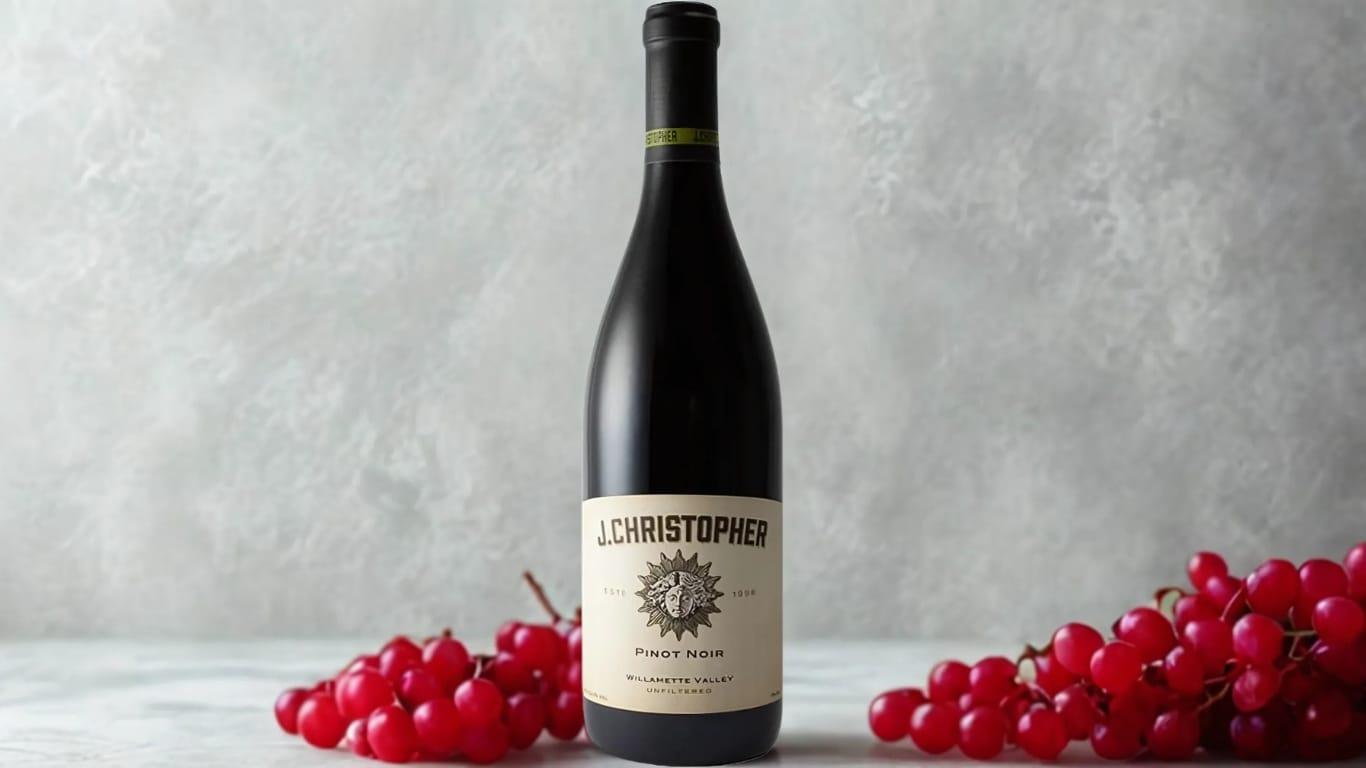
- Oregon's Willamette Valley has built credible long-haul cellar positions, with Domaine Serene, Beaux Freres, and Cristom anchoring the structural US tier.
- Sonoma Coast, Central Otago in New Zealand, and Tasmania round out the international apex, with named single-vineyard cuvees driving collector attention.
- Champagne's blanc de noirs tradition is increasingly part of the Pinot Noir conversation, with Krug, Bollinger, and apex single-village houses leading.
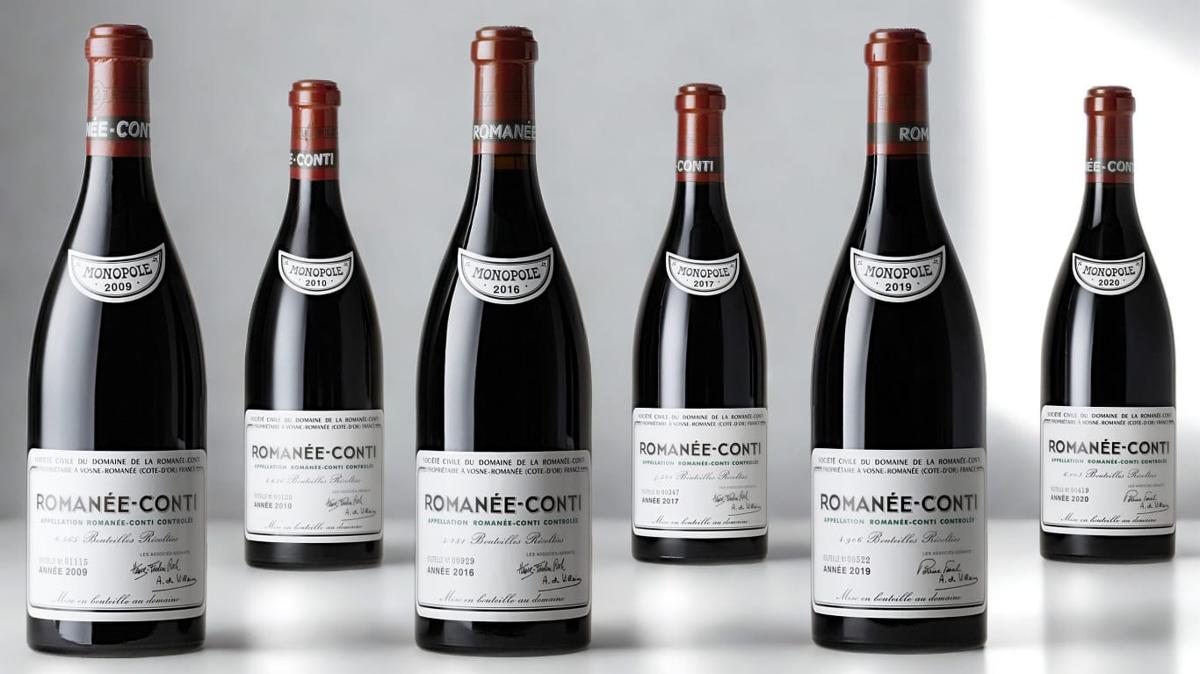
- The 1945 Romanee-Conti at 558,000 dollars at Sotheby's New York in 2018 remains the canonical Pinot Noir auction reference for serious cellars.
- Who is this for?
- Cellar builders approaching Burgundy and the wider Pinot Noir category, and serious collectors weighing Old World versus New World apex producers.
- What is happening?
- We map Pinot Noir as a structural cellar position, with the Burgundy spine, international apex producers, and vintage variables that serious collectors track.
- When did this emerge?
- The piece reads the contemporary post-2020 market, with the post-2022 Burgundy correction and the modern Liv-ex Burgundy 150 trajectory as live context.
- Where is this happening?
- Burgundy's Cote de Nuits, Oregon's Willamette Valley, the Sonoma Coast, Central Otago, Tasmania, and the wider Champagne blanc de noirs apex.
- Why does it matter?
- Pinot Noir defines the structural apex of red wine collecting alongside Cabernet Sauvignon, and missing the producer-led depth that the grape demands is the costliest mistake new Burgundy collectors make.
The grape anchors Burgundy's Côte de Nuits, drives serious cellar positions in Oregon's Willamette Valley, Sonoma Coast, Central Otago in New Zealand, and Tasmania, and increasingly anchors the Champagne blanc de noirs conversation as well. The 1945 Romanée-Conti cleared $558,000 at Sotheby's New York in 2018, one of the most-cited Pinot Noir auction lots in modern fine wine.
This is our editorial field guide to Pinot Noir for collectors building or expanding red Burgundy and broader Pinot positions.
The grape itself
Pinot Noir is a thin-skinned, early-ripening, structurally delicate red grape with a long history in Burgundy. The grape is one of the oldest in cultivation, with DNA analysis tracing it back at least two thousand years in central France. The genetic instability that produced varietal mutations across centuries (Pinot Gris, Pinot Blanc, Pinot Meunier are all clonal mutations of Pinot Noir) speaks to how distinctive the grape's profile is.
The character profile is unmistakable. Red fruit (cherry, raspberry, cranberry), earth and forest floor, mushroom and truffle in maturity, floral notes (rose, violet), and the aromatic delicacy that makes great Pinot Noir more about lift and complexity than weight or structure. The pale-to-medium ruby colour, soft tannins, and structural acidity give the wines their distinctive identity.
Pinot Noir is rarely confused with any other red varietal in a glass.
Burgundy: the structural reference
Burgundy is where the serious Pinot Noir conversation starts and (for most cellars) anchors. The Côte de Nuits, the strip running south from Dijon through Gevrey-Chambertin, Morey-Saint-Denis, Chambolle-Musigny, Vougeot, Vosne-Romanée, and Nuits-Saint-Georges, produces the world's most-coveted Pinot Noir from named domaines.
The grand crus that anchor serious cellars include Romanée-Conti, La Tâche, Richebourg, Romanée-Saint-Vivant (Vosne-Romanée), Chambertin, Chambertin-Clos de Bèze, Charmes-Chambertin (Gevrey), Musigny, Bonnes-Mares (Chambolle), Clos de Tart, and Clos de la Roche (Morey-Saint-Denis). The named producers that anchor the top tier: Domaine de la Romanée-Conti (DRC), Domaine Leroy, Domaine Dujac, Comte Georges de Vogüé, Mugnier, Roumier, Rousseau, Dugat-Py, Ponsot, and Méo-Camuzet.
Current-vintage pricing for the DRC grand crus runs $5,000 to $30,000+ per bottle for new releases. Library releases trade meaningfully higher. The other named domaines run $500 to $3,000 for grand cru bottlings in current vintages, with mature library releases clearing $2,000 to $10,000+ for the strongest names.
Premier crus from these producers run $200 to $800 for current vintages, the most accessible serious-Burgundy entry tier.
Outside Burgundy: the serious New World tier
The serious New World Pinot Noir tier has matured substantially over the past two decades. Oregon's Willamette Valley, particularly the Dundee Hills, Eola-Amity Hills, and Yamhill-Carlton AVAs, produces Pinot Noir from named producers at the level of strong premier cru Burgundy. The producers serious cellars track include Domaine Drouhin Oregon, Eyrie Vineyards, Beaux Frères, Domaine Serene, Bergström, Cristom, Soter Vineyards, Bethel Heights, and Antica Terra.
Current-vintage pricing for the named Oregon producers runs $50 to $200 for the standard bottlings, with single-vineyard wines clearing $80 to $400. The Sonoma Coast tier in California (Hirsch Vineyards, Williams Selyem, Marcassin, Aubert, Kistler's Pinot bottlings, Peter Michael) produces Pinot Noir at similar quality levels.
The Central Otago tier in New Zealand (Felton Road, Burn Cottage, Mount Edward, Two Paddocks) produces some of the most distinctive Southern Hemisphere Pinot Noir. Tasmania's cool-climate Pinot Noir from Domaine A, Tolpuddle, Stefano Lubiana, and others has been the most-watched recent New World tier.
Drink windows and ageing
Pinot Noir's ageing structure differs meaningfully from heavier reds. The thin-skinned, structurally delicate profile means the wines reach their drink windows earlier than Bordeaux Cabernet, and ageing peaks earlier. DRC grand crus from a strong vintage reach their peak window at 15 to 25 years.
The broader named Burgundy grand crus reach their peak at 12 to 20 years. Premier crus from named producers reach their peak at 8 to 15 years.
The strong recent Burgundy vintages worth holding: 2009, 2010, 2015, 2016, 2017, 2018, 2019, and 2020. The 2014 was strong for the structurally lifted Côte de Beaune whites but more variable for the Côte de Nuits reds. The 2021 was a difficult, frost-affected vintage with very small volumes.
The 2022 generated strong early reviews from critics including Allen Meadows of Burghound and William Kelley of Wine Advocate.
Secondary market
The Burgundy secondary market has been the standout fine-wine story of the past decade. The Liv-ex Burgundy 150 has tracked the broad trajectory, and the named DRC, Leroy, Coche-Dury, and Dugat-Py bottlings have produced some of the most dramatic price moves in modern fine wine.
Mature DRC Romanée-Conti from the great vintages clears $30,000 to $100,000+ per bottle at major auctions. Mature Leroy grand crus clear similar prices. The broader named-domaine grand crus run $2,000 to $10,000 at auction for mature library releases.
The 2018 to 2022 Burgundy boom saw the category outpace Bordeaux for the first time in living memory at the very top of the market before correcting roughly 20% across 2023 and 2024. The category remains the most-watched conversation in serious wine collecting.
Where to start
For collectors building first serious depth in Pinot Noir, the entry points worth tracking are village-level Burgundy from named producers (Faiveley, Bouchard Père et Fils, Joseph Drouhin) at $40 to $120. Premier crus from second-tier-but-serious producers (Vincent Girardin, Bruno Clair, Henri Boillot) run $80 to $250. The named Oregon and Sonoma Coast producers provide accessible serious-quality New World Pinot Noir at $50 to $200.
For collectors deepening existing positions, the targets include premier crus from the named Côte de Nuits producers (Mugnier, Roumier, Dujac, Méo-Camuzet), grand crus from the second-tier named producers (Dugat-Py, Bruno Clair grand crus, Drouhin's Beaune Clos des Mouches in strong vintages), and mature library releases from DRC, Leroy, and Comte Georges de Vogüé when they appear at major auction houses.
What this means for collectors
Pinot Noir rewards collectors who treat it as the long, patient, terroir-driven category it actually is. The grape's quirks, the temperamental vineyard behaviour, the small production volumes from named producers, the allocation games that shape merchant access, mean serious Pinot Noir cellars are built across years of relationships rather than one-off acquisitions.
The cellars that compound best back two or three named producers in Burgundy, hold multiple vintages, and drink the wines as they enter their drink windows rather than holding indefinitely. The category sits where it sits because the grape genuinely produces some of the most-coveted wines in fine wine. The cellars built around serious Pinot Noir at this moment are typically the cellars that benefit most over the coming decade, regardless of where the broader market trajectory moves.
Further reading
We last reviewed this analysis in May 2026.