The most coveted Pinot Noirs of 2026 are a tightly defined list of Burgundian Grand Cru and Premier Cru bottles, a handful of single-vineyard Oregon and Sonoma Coast cuvées, and the established names from Central Otago and Patagonia that have built genuine international standing. The serious tier is narrow, and the secondary-market data tells the story.
- The most coveted Pinot Noirs of 2026 are a tightly defined list of Burgundian Grand Cru and Premier Cru bottles, plus a handful of single-vineyard Oregon and Sonoma cuvees.
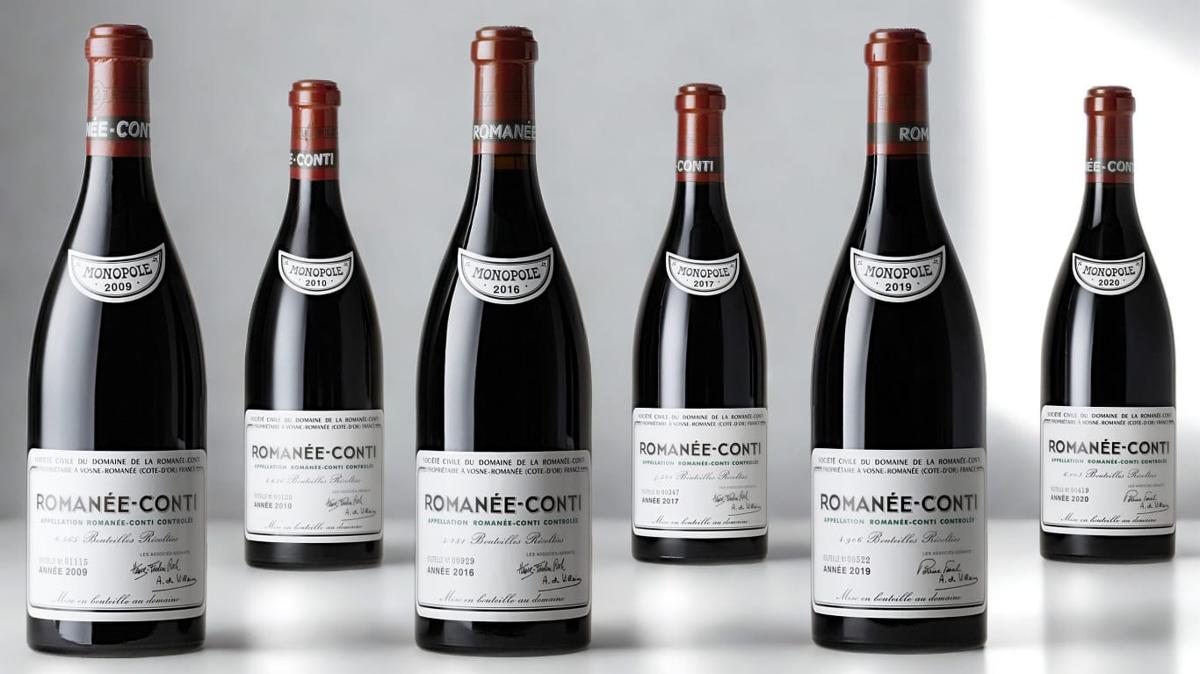
- Domaine de la Romanee-Conti remains the structural anchor, with the Romanee-Conti monopole producing around 5,000 to 6,000 bottles per vintage from 1.81 hectares.
- The 1945 Romanee-Conti at Sotheby's New York in 2018 cleared 558,000 dollars per bottle, the highest per-bottle clearing price in modern auction history.
- Roumier, Leroy, Liger-Belair, and Rousseau round out the structural Burgundy grand cru apex tier alongside DRC.
- Oregon's serious tier, including Domaine Serene and Beaux Freres, and Sonoma single-vineyard work anchor the structural New World apex.
- Central Otago in New Zealand and the established Patagonia producers round out the international tier worth structural-collector attention.
- Who is this for?
- Cellar builders working through Pinot Noir positions, and serious collectors evaluating where the most-coveted producers actually clear at apex.
- What is happening?
- We list the most coveted Pinot Noirs of 2026, with the Burgundy grand cru spine and the international apex tier that anchors serious-collector cellars.
- When did this emerge?
- The piece reads the contemporary 2026 market, with the post-2022 Burgundy correction and the apex Pinot Noir secondary-market data as live context.
- Where is this happening?
- Burgundy's Cote de Nuits primarily, with Oregon's Willamette Valley, Sonoma, Central Otago, and Patagonia as the structural international apex regions.
- Why does it matter?
- The most-coveted Pinot Noirs define the structural top of the category, and understanding which names actually clear at apex matters for cellar architecture.
This is our editorial read of where Pinot Noir's most-coveted bottles sit right now. The wider varietal frame is covered in our Pinot Noir Collector's Field Guide.
Below is the list defining the category in 2026.
The Burgundy benchmark: Domaine de la Romanée-Conti and beyond
Domaine de la Romanée-Conti is the structural anchor. The Romanée-Conti monopole produces around 5,000-6,000 bottles per vintage from 1. 81 hectares of Vosne-Romanée Grand Cru.
The 1945 Romanée-Conti at Sotheby's New York in 2018 cleared $558,000 per bottle, the highest single-bottle auction price ever recorded for a wine.
The contemporary DRC releases (the 2009, 2010, 2015, 2016, 2018, 2019, and 2020 vintages) earn 99 and 100-point scores from Vinous, Wine Advocate, and Decanter with regularity. Allocation through the Burgundy négociant network requires multi-year buying history and clears in narrow lots, which is why the secondary-market trading data on DRC remains the most concentrated in serious wine.
Behind DRC, the Burgundy Pinot Noir most-coveted tier extends to Domaine Leroy (Anne-Claude Leroy's Vosne-Romanée and Gevrey-Chambertin work, particularly the Musigny and Chambertin bottlings), Domaine Roumier (G. Roumier Bonnes-Mares and Musigny), Henri Jayer's remaining back-vintage stock circulating through the auction houses, Domaine Dujac, Domaine Armand Rousseau (Chambertin and Clos de Bèze), Domaine Comte de Vogüé (Musigny), and Domaine Méo-Camuzet.
The whole tier is built on what the Burgundy classification system calls the Grand Cru and the best Premier Cru sites. Our note on Grand Cru and how the wider classification frames quality is the reference point for understanding the structural hierarchy.
The Oregon and Sonoma Coast tier
Oregon and Sonoma Coast Pinot Noir have built a credible second tier of most-coveted bottles outside the Burgundy spine. The structural argument is that the cool-climate Pacific coastal sites in those two regions produce Pinot Noir that legitimately competes against Premier Cru Burgundy in blind tastings, at meaningful pricing discount to the canonical names.
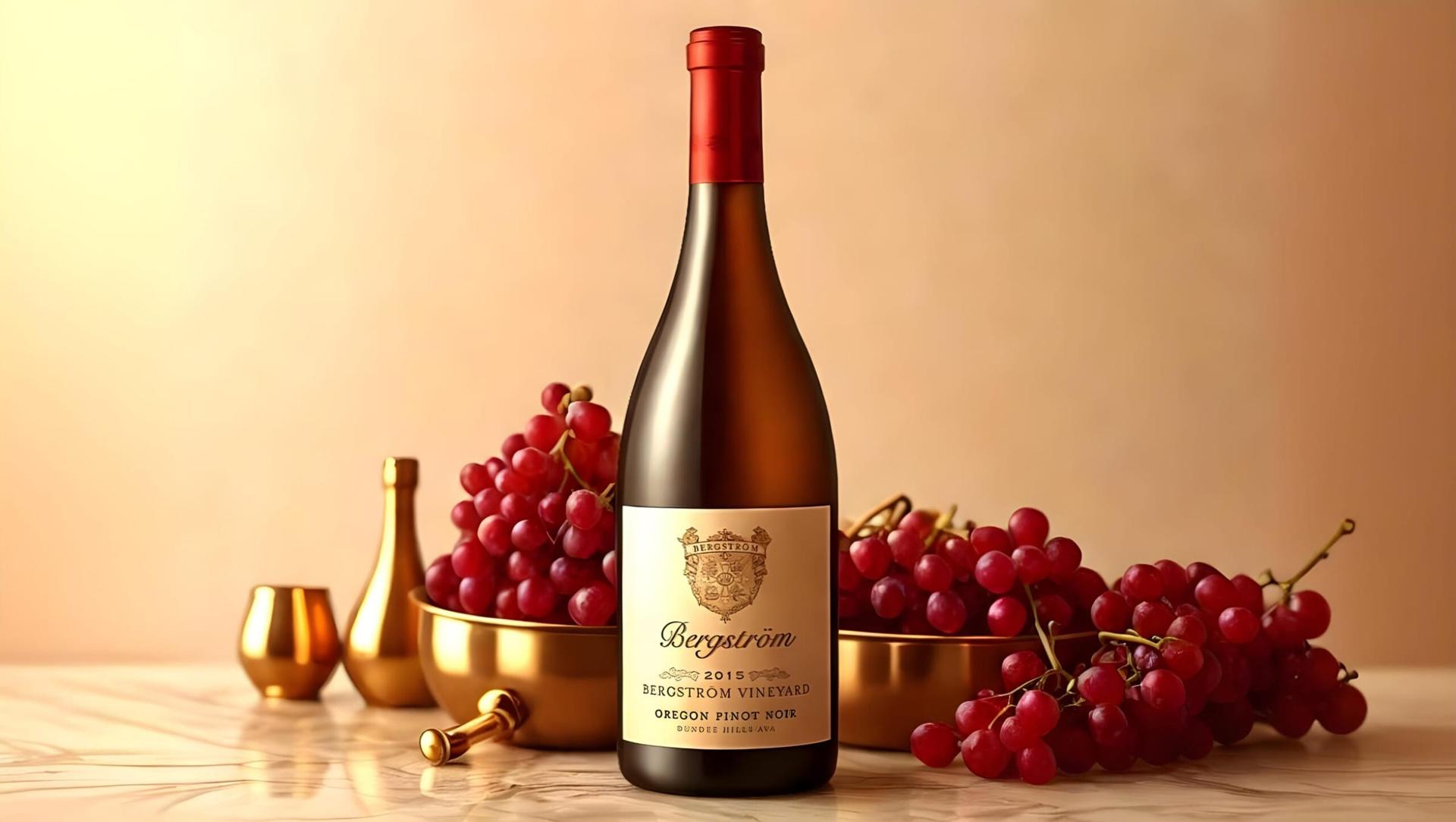
Domaine Drouhin Oregon Laurène and the Eyrie Vineyards South Block (the latter from David Lett's original 1965 plantings) are the structural anchors of Oregon serious Pinot Noir. Beaux Frères, Cristom Vineyards Eola-Amity Hills, Bergström Wines, and Antica Terra each operate at the same serious-quality level.
The Sonoma Coast list runs through Littorai (Ted Lemon's Hirsch Vineyards and Heintz Vineyard bottlings), Hirsch Vineyards itself, Marcassin (Helen Turley's vineyard, with releases that operate in their own auction category), Aubert Vineyards, Williams Selyem (named single-vineyard work), and Failla Wines.
The pricing discipline on the Oregon and Sonoma Coast tier remains structurally below Burgundy at comparable quality. That is what makes the category genuinely interesting for serious cellars in 2026.
Central Otago and Patagonia: the southern tier
Central Otago in New Zealand and the Río Negro Pinot Noir tier in Patagonia have both built credible most-coveted positions across the past fifteen years.
Felton Road's Block 3 and Block 5 bottlings from Bannockburn are the canonical Central Otago serious Pinot Noir. Burn Cottage Vineyard, Mt. Difficulty Wines, and Quartz Reef Methode Traditionelle have each earned consistent 94-96 Wine Advocate and Decanter scores. The wider Central Otago category sits, in our view, in roughly the same critical recognition position as serious Oregon Pinot Noir, with a structural pricing discount to the Burgundy benchmark.
The Patagonian Pinot Noir tier is narrower. Bodega Chacra (Piero Incisa della Rocchetta's Río Negro project, with bottlings on biodynamic farming including the Treinta y Dos cuvée from 1932 plantings) is the standout name and earns 95-plus critical scores with regularity. The category as a whole has fewer producers operating at that level than Central Otago, but the named bottles are credible.
How the tiers compare
The most-coveted Pinot Noir map breaks into four distinct tiers that collectors should understand before building positions.
| Tier | Producer benchmark | Style anchor |
|---|---|---|
| Burgundy Grand Cru apex | DRC, Leroy, Roumier, Rousseau | Multi-decade aging, deep terroir signature |
| Burgundy Premier Cru spine | Dujac, Méo-Camuzet, Mugneret-Gibourg | Refined, slightly more accessible release pricing |
| Oregon/Sonoma Coast serious | Eyrie South Block, Littorai, Marcassin | Cool-climate New World, 15-25 year aging |
| Southern tier | Felton Road, Chacra Treinta y Dos | Restrained, single-vineyard New World |
The aging window matters most. The Burgundy Grand Cru apex develops across thirty to fifty years. The Premier Cru spine across twenty to forty.
Oregon and Sonoma Coast serious Pinot Noir typically peaks across fifteen to twenty-five. The southern tier across twelve to twenty.
For the wider structural comparison with Cabernet Sauvignon, our Pinot Noir vs Cabernet Sauvignon: A Cellar Comparison covers the stylistic distinction in detail. The broader Burgundy frame is set out in our Burgundy versus Bordeaux comparison.
What this means for collectors
A serious Pinot Noir position in 2026 anchors around the Burgundy Grand Cru tier (one or two named bottles from DRC, Leroy, Roumier, or Rousseau), supplemented by Premier Cru spine work and a credible New World single-vineyard tier.
For collectors without DRC allocation access (most collectors, structurally), the alternative anchor is single-vineyard Premier Cru work from Dujac, Mugneret-Gibourg, Sylvain Cathiard, Vougeraie, and the Hudelot-Noëllat domaine. Each of those operates at structural quality that competes against the Grand Cru tier at meaningfully lower release pricing.
The Oregon and Sonoma Coast serious tier is the optional third position. The southern tier (Central Otago, Patagonia) is for collectors who want geographic breadth.
What we will watch next
Three signals. First, whether the 2022 and 2023 Burgundy en primeur campaigns through the Place de Beaune deliver release pricing that holds against the Liv-ex Burgundy 150 secondary trading record. Second, whether any Oregon producer earns a 99-plus Wine Advocate score on a current vintage, which would meaningfully reset the international view of US Pinot Noir.
Third, whether Bodega Chacra Treinta y Dos and Felton Road Block 5 trade consistently above the $300 per bottle secondary-market threshold across the next 18 months. Each signal would shape the most-coveted list in 2028 and 2030.
We last reviewed this analysis in May 2026.