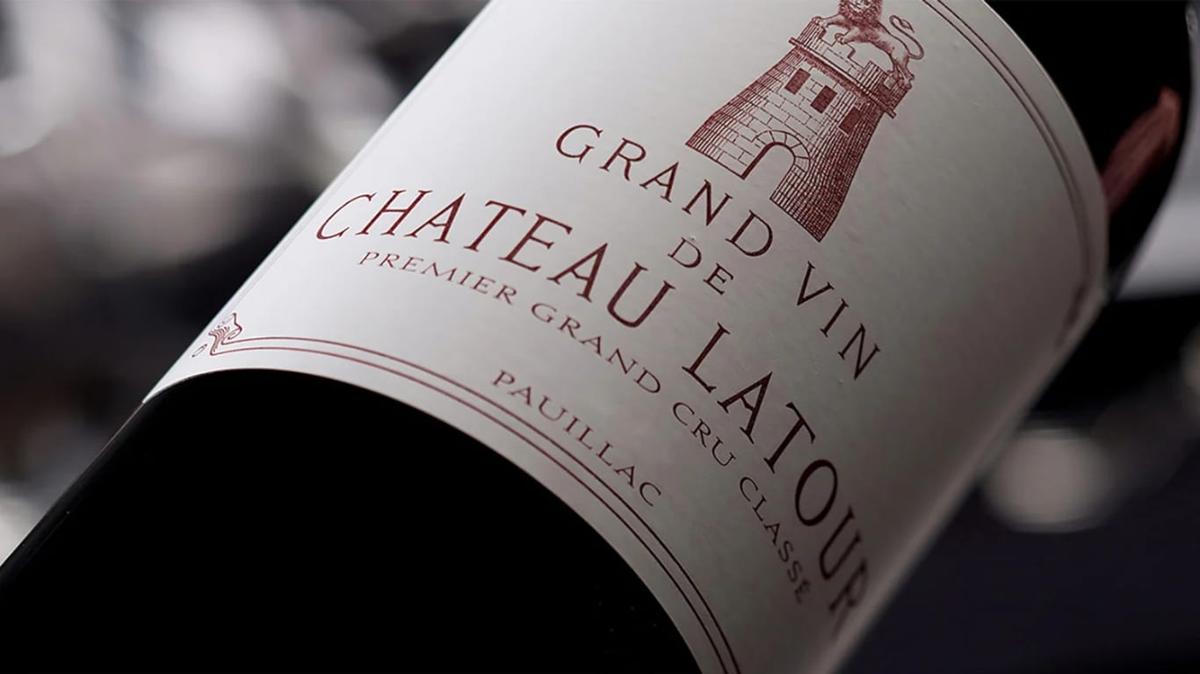
Reading a Burgundy label is the foundational skill for any serious collector engaging with the region. The Burgundy classification system breaks the entire region into four hierarchical tiers (Regional, Village, Premier Cru, Grand Cru) layered on top of producer names, vineyard names, and the specific commune designations. Once the structure is clear, the label tells a precise story about the wine in the bottle.
- Reading a Burgundy label is the foundational skill for any serious collector engaging with the region, and the classification system is more readable than its reputation suggests.
- The Burgundy classification breaks the entire region into four hierarchical tiers, Regional, Village, Premier Cru, Grand Cru, layered on producer names and specific commune designations.
- The 1936 AOC framework codified the four-tier hierarchy, and the system has been refined steadily since but retains the same structural shape.
- Grand Cru sits at the apex with 33 named vineyards across the Cote d'Or, with bottlings labelled by the vineyard name alone rather than by commune.
- Premier Cru sits below Grand Cru with 635 named vineyards, labelled by commune plus vineyard name and commanding meaningful price premiums over Village.
- For serious collectors the structural reading skill matters more than almost any other in Burgundy, and getting the label right is foundational for cellar-building.
- Who is this for?
- Cellar builders approaching Burgundy for the first time, and serious collectors looking to sharpen their structural reading of the classification system.
- What is happening?
- We work through how the Burgundy classification system actually works, with the four-tier hierarchy, producer logic, and label reading skills that anchor serious collecting.
- When did this emerge?
- The piece reads the contemporary 2026 market, with the modern Liv-ex Burgundy 150 trajectory and the broader Burgundy collector landscape as live context.
- Where is this happening?
- Burgundy broadly, with the Cote d'Or, Cote de Nuits, Cote de Beaune, Chablis, and Maconnais as the structural sub-regional context.
- Why does it matter?
- Reading a Burgundy label correctly is the structural foundation for serious cellar work in the region, and shortcuts on the skill compound as mistakes across decades.
This is our editorial read on how the Burgundy classification system actually works and what each label element reveals. The framework matters because it is the single most important reading skill for collectors building serious Burgundy positions.
Get the label reading right and the rest of the cellar conversation follows.
The four-tier hierarchy
The Burgundy classification system is built around four tiers of vineyard quality, codified by the 1936 AOC framework and refined into its modern form across the post-war decades. The tiers, from base to apex, are Regional, Village, Premier Cru, and Grand Cru.
Regional appellations cover the broadest production, with wines labeled "Bourgogne", "Bourgogne Aligoté", "Bourgogne Pinot Noir", or "Mâcon-Villages" coming from across the wider region. The wine can come from any qualifying vineyard within the regional appellation boundary. Production volumes are large and pricing is structurally at the entry tier.
Village appellations narrow the source to a single commune. Wines labeled "Pommard", "Vosne-Romanée", "Gevrey-Chambertin", "Chassagne-Montrachet", or "Meursault" come from any qualifying vineyard within the named commune's boundary. The Village tier is where serious Burgundy starts and where the producer-led quality story begins to matter meaningfully.
Premier Cru sites are named single vineyards within a commune that have been classified as premier-tier quality. The label reads "Vosne-Romanée 1er Cru Les Suchots" or "Gevrey-Chambertin 1er Cru Clos Saint-Jacques", with the vineyard name appearing alongside the commune. Premier Cru sites are where the serious Burgundy collecting conversation lives.
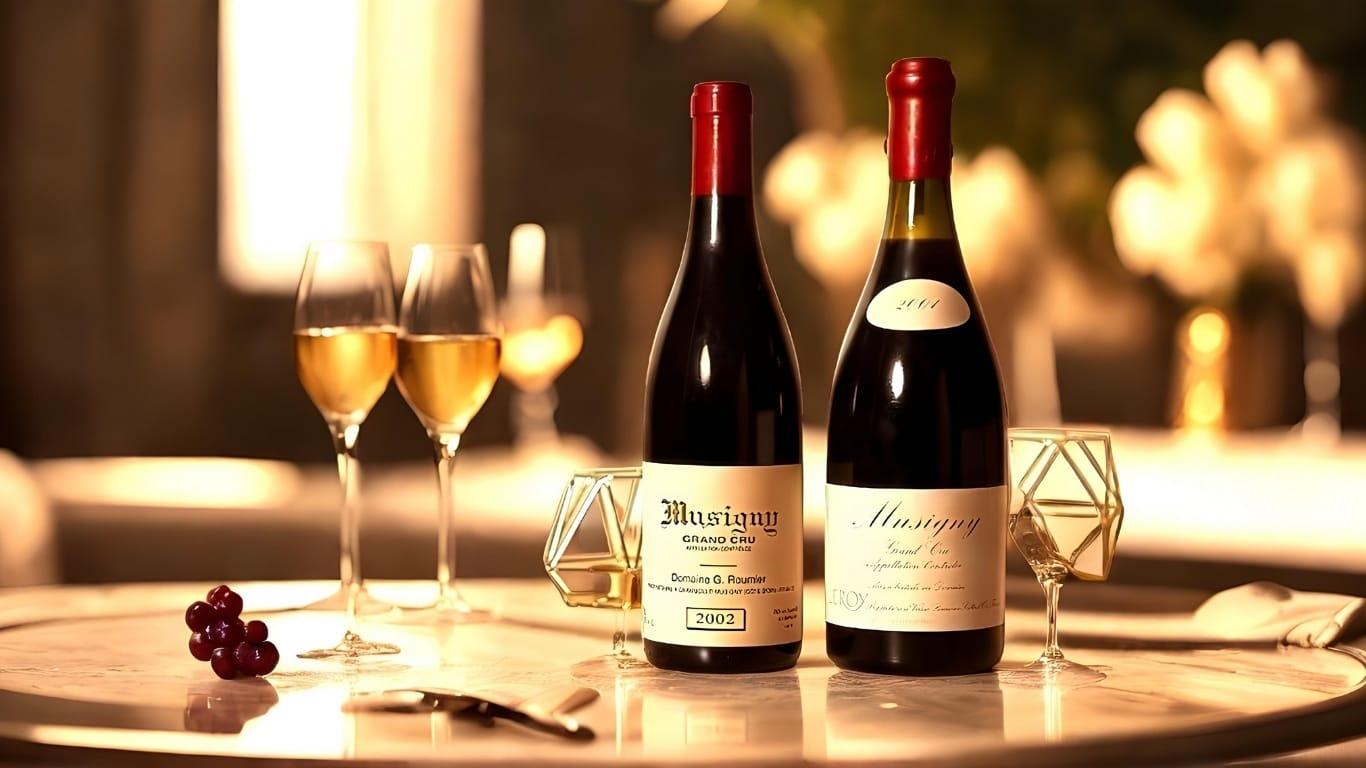
Grand Cru sites are the apex of the classification, and the label structurally drops the commune name. A Grand Cru reads "Chambertin", "Musigny", "Romanée-Conti", "Le Montrachet", "Corton-Charlemagne", or "Clos de Vougeot" without the commune prefix. The 33 named Grand Cru sites in the Côte d'Or are the structural anchor of every serious Burgundy cellar.
What the producer name tells you
The producer name on a Burgundy label is, in many cases, more important than the vineyard. Burgundy is a region of fragmented vineyard ownership, with most named sites split across multiple producers. A Grand Cru like Clos de Vougeot is divided among more than 80 separate owners.
Two bottles of Clos de Vougeot from the same vintage but different producers can be structurally different wines.
The serious producer tier includes the canonical names that anchor every serious cellar.
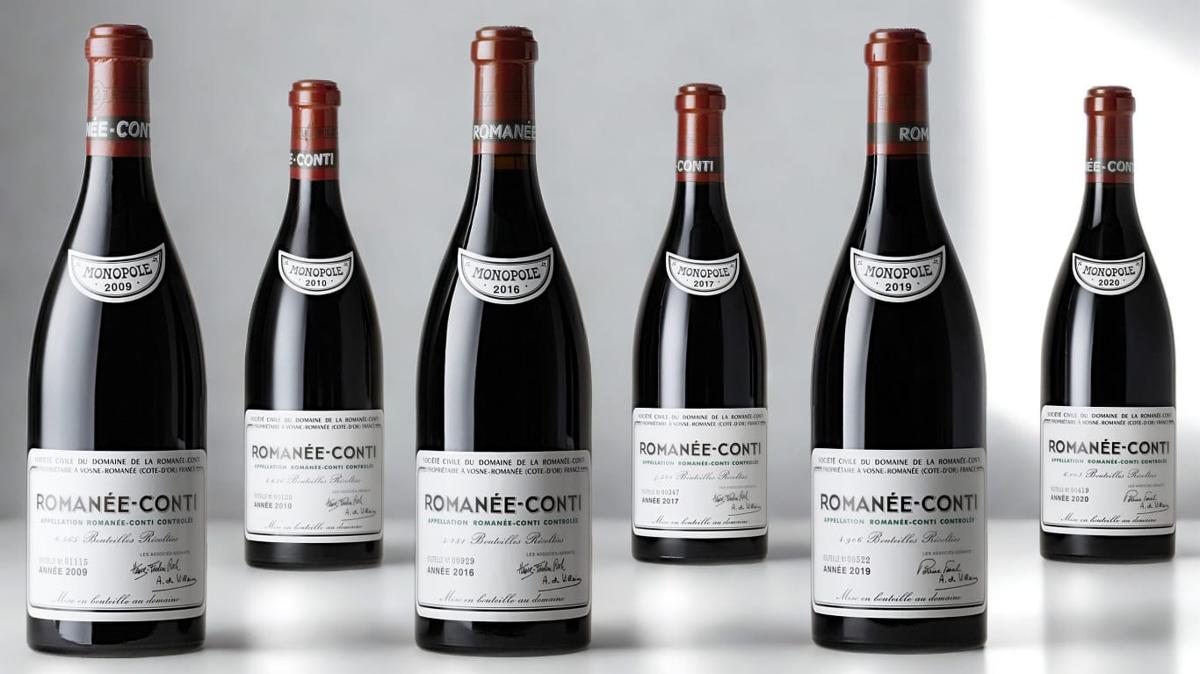
Domaine de la Romanée-Conti (the monopole owner of Romanée-Conti and a major holder across Vosne-Romanée), Domaine Leroy (Anne-Claude Leroy's biodynamic estate across the Côte de Nuits), Domaine Armand Rousseau (Chambertin, Clos de Bèze, Mazis-Chambertin), Domaine Comte Georges de Vogüé (Musigny), Domaine Georges Roumier (Bonnes-Mares, Musigny, Ruchottes-Chambertin), Domaine Dujac (Clos Saint-Denis, Clos de la Roche), Henri Jayer (back-vintage stock), Domaine Méo-Camuzet, and Domaine Coche-Dury (Meursault).
Behind the canonical apex sits a tier of serious producers whose work is critically respected but trades at more accessible pricing. Domaine Mugneret-Gibourg, Domaine Hudelot-Noëllat, Domaine Sylvain Cathiard, Domaine Vougeraie, Domaine Robert Groffier, Domaine Henri Boillot, and Domaine Marquis d'Angerville each operate at structurally comparable quality.
Reading the producer name is the single most important label-reading skill for serious Burgundy collectors. Our wider Burgundy framing is set out in our Bordeaux versus Burgundy comparison.
The commune structure
The Burgundy region is structurally divided into five sub-regions, each with its own communes and Grand Cru sites. Understanding the sub-region geography is the second key reading skill.
Chablis sits at the northern edge of Burgundy and produces unblended Chardonnay across four classification tiers (Petit Chablis, Chablis, Chablis Premier Cru, Chablis Grand Cru). The Chablis Grand Cru tier covers seven named sites: Bougros, Les Preuses, Vaudésir, Grenouilles, Valmur, Les Clos, and Blanchot.
The Côte de Nuits is the northern half of the Côte d'Or and the structural anchor of serious red Burgundy. The canonical communes are Gevrey-Chambertin, Morey-Saint-Denis, Chambolle-Musigny, Vougeot, Vosne-Romanée, and Nuits-Saint-Georges. The Côte de Nuits holds the highest concentration of red-wine Grand Cru sites in the entire region.
The Côte de Beaune is the southern half of the Côte d'Or and the structural anchor of serious white Burgundy, though several major red Grand Cru sites also sit here. The canonical white communes are Aloxe-Corton (for Corton-Charlemagne), Meursault, Puligny-Montrachet, and Chassagne-Montrachet. The red anchors include Pommard, Volnay, and the Corton hill.
The Côte Chalonnaise (Mercurey, Givry, Rully, Montagny) and the Mâconnais (Pouilly-Fuissé, Saint-Véran, Mâcon-Villages) sit further south. Both produce serious wine at structurally lower pricing than the Côte d'Or, with Côte Chalonnaise notably producing several genuinely undervalued serious-quality bottlings from named producers.
The Pinot Noir question
The red Burgundy label is structurally Pinot Noir on the Côte d'Or, with Gamay used only in the Beaujolais sub-region and Aligoté and Bourgogne Aligoté covering specific entry-tier categories. The varietal identity is implicit in the label rather than spelled out, because Burgundy law restricts most appellations to Pinot Noir for reds and Chardonnay for whites.
The structural Pinot Noir question for serious collectors is set out in our Pinot Noir Collector's Field Guide, which covers the varietal across both Burgundy and the wider New World expressions.
Burgundy's Pinot Noir at the apex (DRC, Leroy, Rousseau, Roumier, Domaine Comte Georges de Vogüé's Musigny) is the structural reference point for the varietal globally. Our Romanée-Conti-led most-coveted wine producers picture sets out the broader collector context.
The Chardonnay question
White Burgundy is structurally Chardonnay, with the apex sitting at the Grand Cru Montrachet sites (Le Montrachet, Chevalier-Montrachet, Bâtard-Montrachet, Bienvenues-Bâtard-Montrachet, Criots-Bâtard-Montrachet) and at Corton-Charlemagne. The varietal expression in Burgundy is the structural reference point for serious global Chardonnay.
The wider Chardonnay framing is something we have covered in our Chardonnay Collector's Field Guide. The Burgundy apex producers on the white side (Domaine Coche-Dury, Domaine Leflaive, Domaine Bonneau du Martray for Corton-Charlemagne, Domaine Comte Lafon, Domaine Jean-François Coche, Domaine Pierre Morey) define the category.
How to read the label in practice
The practical label-reading sequence is straightforward. Start with the producer name: that is the single most important variable. Then read the appellation tier (Grand Cru, Premier Cru, Village, Regional).
Then check the vineyard name (essential for Premier Cru and Grand Cru, irrelevant at the Village and Regional tiers).
The vintage matters next. Burgundy has historically produced credible wine in difficult vintages and exceptional wine in great ones. The strong recent Côte d'Or vintages for red wine are 2005, 2009, 2010, 2015, 2017, 2019, and 2020.
The strong recent vintages for white wine are 2010, 2014, 2017, 2019, and 2020. Vintage variation is structurally larger in Burgundy than in most other serious wine regions, and the label reading must account for it.
The bottle format matters last. Standard 750ml is the canonical format. Magnums (1.
5 litres) age more slowly and develop more complex tertiary profiles across 25-40 years. Half-bottles age more quickly and peak earlier.
What this means for collectors
Reading a Burgundy label is the entry skill for engaging seriously with the region. Get the four-tier hierarchy clear, learn the producer-led quality story, understand the commune structure, and the rest of the Burgundy cellar conversation follows.
For collectors building serious positions in 2026, the structural advice is to anchor around named Grand Cru and Premier Cru work from the canonical producer tier, supplement with serious Village-level work from the same producers, and use the Regional appellation tier as the entry to producers whose Village-and-above work is structurally tight on allocation.
The label-reading discipline is the foundation, and the discipline rewards collectors who put in the work.
What we will watch next
Two signals. First, whether the 2024 Burgundy vintage (likely released in 2026 and 2027) carries the kind of structural release-pricing discipline that has defined the past five years. Second, whether the wider critical infrastructure (Decanter, Wine Advocate through Neal Martin, Vinous through Antonio Galloni, Jancis Robinson) maintains its convergent consensus on the apex producers or whether scoring divergence appears in the next two release cycles.
Either signal would shape the Burgundy label-reading conversation in 2028 and 2030.
We last reviewed this analysis in May 2026.