Contemporary art is the most fluid and the most demanding category in serious collecting. The structural definitions vary by curator, gallery, and auction house, but the working framework treats contemporary as the post-1980 generation of artists and the work they have produced.
The category is larger than any other tier in current market activity, more institutionally engaged than at any point in its history, and more demanding of serious collector discipline than the historical categories that came before it.
What follows is the magazine's editorial field guide to contemporary art for collectors building serious depth in the category in 2026. The structural shape, the key generations, the institutional ecosystem, and the disciplines required to navigate it have evolved meaningfully over the past decade, and the framework for thinking about the category needs to reflect that evolution.
- Contemporary art covers practice from roughly 1970 onward and now defines the deepest active segment of the global secondary market.
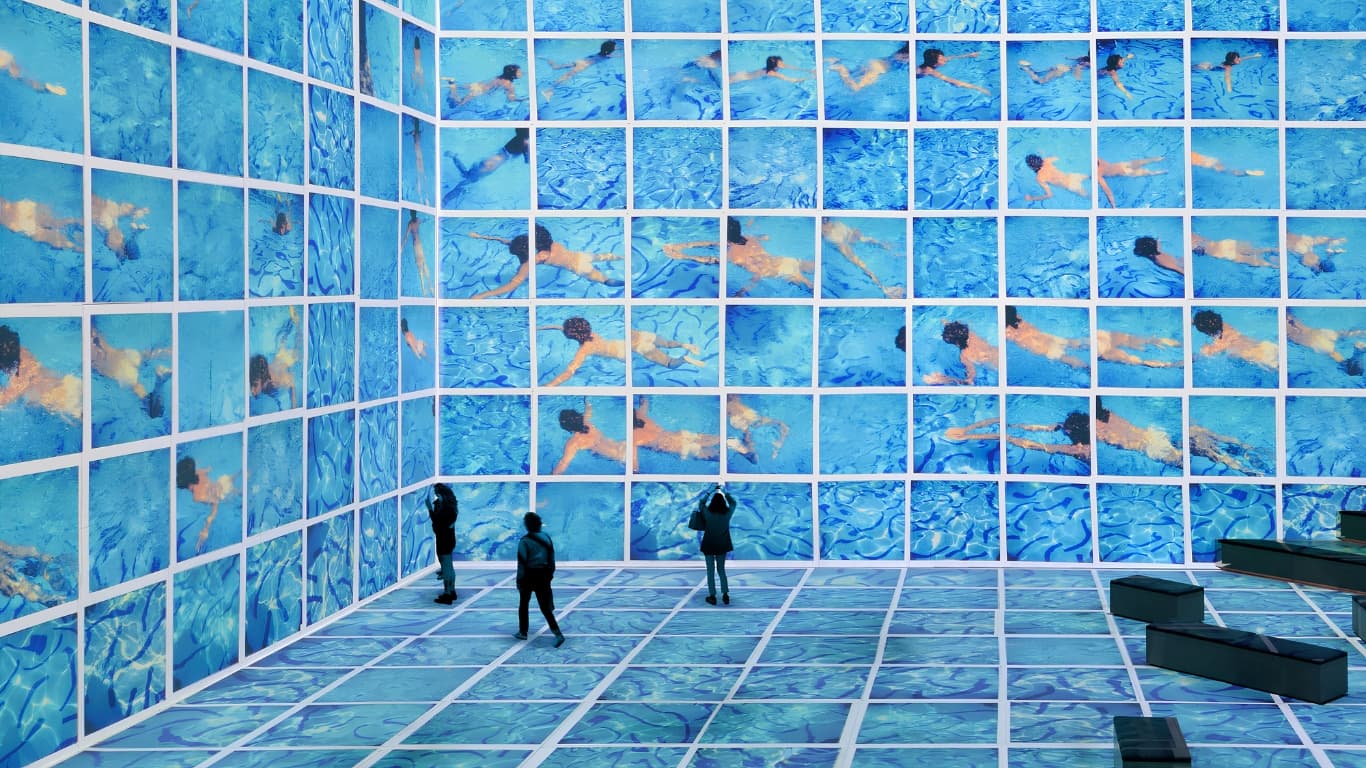
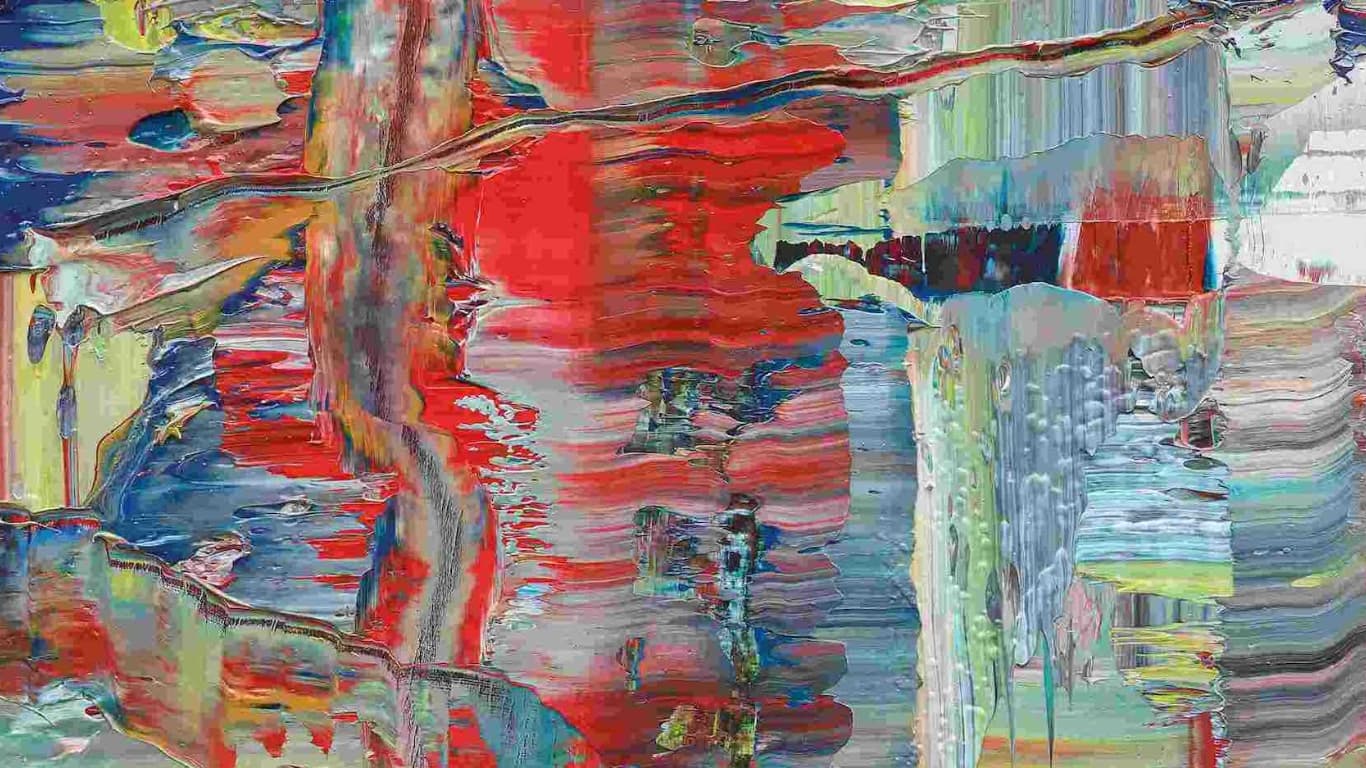
- The canonical names include Basquiat, Richter, Kiefer, Twombly, Doig, Hockney and a generation of senior post-war painters who anchor evening sales.
- A second tier of established mid-career artists including Marlene Dumas and Kerry James Marshall has moved decisively into institutional collecting in the past decade.
- Ultra-contemporary speculation around very young painters cooled materially through 2024 and 2025, and senior collectors now favour artists with deep gallery support.
- Provenance, exhibition history and gallery relationships matter as much as the work itself, since they determine which artists hold value across cycles.
- For collectors, contemporary art rewards patience, discipline and a clear thesis far more than chasing whichever names are loudest in any given season.
- Who is this for?
- Contemporary collectors, advisors and family offices building positions in post-war and contemporary painting, alongside readers who want a structural read on the current canon.
- What is happening?
- A collector field guide to contemporary art, covering canonical names, mid-career artists, the cooling of ultra-contemporary speculation and the role of galleries and exhibition history.
- When did this emerge?
- Most active around the May and November evening sales at Christie’s, Sotheby’s and Phillips in New York and London, and during the Art Basel and Frieze fairs across the year.
- Where is this happening?
- Centred on the New York, London, Hong Kong and Paris salesrooms, with growing institutional weight from collectors and museums across Asia and the Middle East.
- Why does it matter?
- A clear field guide protects contemporary collectors from short-cycle fashion and supports the kind of disciplined buying that builds collections capable of holding value across decades.
How we define contemporary
The contemporary period is typically dated from roughly 1980 to the present, with the boundary moving forward as time passes. The structural distinction from modern art (the 1900 to roughly 1970 generation) and from late-modern or post-war (roughly 1945 to 1980) is partly chronological and partly art-historical.
The contemporary generation works after the major structural breaks of postmodernism (Sherman, Prince, the Pictures Generation), after the New York School and its immediate post-war successors (Pollock, Rothko, Newman; then Stella, Judd, Andre), and after the conceptual and process-based work of the 1960s and 1970s (Lewitt, Weiner, Smithson).
The boundary between late-modern and contemporary is genuinely contested, with figures like Cy Twombly, Robert Rauschenberg, and Jasper Johns sitting on both sides depending on how the conversation is framed.
The auction-house categorisation typically treats post-war and contemporary together (Christie's, Sotheby's, and Phillips all run combined sale formats), which gives a working sense of how the market actually organises the material.
The structural generations within contemporary
The contemporary period contains several distinct generations, each with its own structural shape. The 1980s generation includes the post-graffiti and Neo-Expressionist artists (Basquiat, Haring, Schnabel, Salle, Clemente), the appropriationists (Sherman, Prince, Kruger, Levine, Koons), and the British figurative painters of the period (Lucian Freud's late work, Frank Auerbach, Howard Hodgkin).
The 1990s generation includes the Young British Artists (Hirst, Emin, Sarah Lucas, Whiteread, Ofili, Chris Ofili), the Leipzig School (Neo Rauch and the painters in his orbit), and the broader Pictures and post-Pictures generation as they matured. The 2000s generation saw the rise of post-internet and figurative work that anchors the early-21st-century conversation.
The 2010s and 2020s generations sit at the intersection of the post-2010 figurative revival, the post-internet aesthetic that emerged from earlier-2010s conceptual practice, and the museum-engaged practices of artists who have built their careers in dialogue with the institutional ecosystem rather than against it.
The institutional ecosystem
The contemporary art ecosystem rests on a tight set of institutional anchors. The major museums of contemporary art (MoMA, the Tate Modern, the Pompidou, the Whitney, the Stedelijk, the Kunstmuseum Basel, the Reina Sofía, the Centre Pompidou-Metz) define the museum-side curatorial conversation. The biennials (Venice, Documenta in Kassel, the Whitney Biennial, the São Paulo Biennale, Manifesta) define the international critical conversation.
The major galleries (Pace, David Zwirner, Hauser & Wirth, Gagosian, Lisson, White Cube, Marian Goodman, Sprüth Magers, Thaddaeus Ropac) define the primary market for serious work. The major auction houses (Christie's, Sotheby's, Phillips) define the secondary market. The major art fairs (Art Basel and its sister fairs, Frieze London and New York, FIAC and Art Basel Paris, TEFAF) define the international transactional infrastructure.
Each anchor has its own role, and serious collectors engage with all of them over time.
The contemporary auction market in 2025 and 2026
The contemporary tier remains the largest and most active in current auction activity. Christie's, Sotheby's, and Phillips evening sales in the post-war and contemporary categories continue to anchor the year, with November and May in New York and June and October in London setting the structural reference points. The Hong Kong sales in March and October anchor the Asian collector conversation.
The market correction that ran through 2023 to 2024 affected the contemporary tier more than the historical tiers, but the structural recovery through 2025 was visible in the middle of the market while the trophy tier remained softer. The contemporary movements that defined 2025 (figurative painting's continued ascent, the post-internet figurative wave, the post-graffiti tier's resilience, and the minimalist-conceptual revival) provide the structural map of where collector and curatorial attention concentrated.
The contemporary blue-chip canon
The contemporary blue-chip tier is well-defined in current market activity.
The post-graffiti generation (Basquiat above all, with secondary names following), the Neo-Expressionist tier (Kiefer, Polke at his late work), the YBA generation (Hirst at his serious work), the German figurative tradition (Richter, Doig, Marlene Dumas, Tuymans), the photographic blue-chip (Gursky, Sherman, Wall), and the major figurative painters of the past decade (Yiadom-Boakye, Marshall, Mehretu, Bradford) collectively anchor the contemporary canonical conversation.
The blue-chip artists defining 2026 are largely the names this canon identifies, though the tier continues to admit new entrants as artists' careers mature into the blue-chip range. The institutional anchoring (museum holdings, serious curatorial attention, monograph publications) provides the structural test for whether a contemporary artist has actually entered the blue-chip tier or whether the market activity reflects shorter-term enthusiasm.
The contemporary primary market
The contemporary primary market operates on relationship-based access. Serious contemporary work flows through the major galleries to collectors whose acquisitions support the artist's career, and the access for collectors at the early career stage of any sought-after artist is largely closed without established gallery relationships.
For collectors building toward serious contemporary depth, the structural priority is to develop relationships with the galleries representing the artists the collector wants to engage with. The relationships are built through sustained engagement over years, not through a single attempt to acquire a specific work, and the galleries reward the collectors who engage with the broader programme rather than just the most sought-after names.
The contemporary secondary market
The contemporary secondary market operates through auction and through the major galleries' private sales operations. Christie's, Sotheby's, and Phillips all maintain dedicated contemporary departments with private sales channels alongside the auction sales. The major galleries operate secondary-market desks that handle works coming back from collectors who acquired them on the primary market.
For collectors looking to acquire mature contemporary work by artists whose primary markets are structurally closed, the secondary market provides the route. The discipline required (condition, provenance, exhibition history, price discovery) is more demanding than primary-market work, and serious collectors engage with the secondary market through advisor relationships that bring the market intelligence required.
What this means for collectors
Contemporary art is the largest and most demanding category in current serious collecting. The structural disciplines (point of view, relationships, screening, infrastructure, secondary-market discipline) apply across all categories of art, but the contemporary tier rewards disciplined application of these principles more than any other category because the volume of material, the pace of price changes, and the institutional pressure on the conversation are all more intense.
For collectors thinking about how contemporary fits into a broader collection programme, the structural answer is clear. The contemporary tier produces the artists who will eventually be the canonical names of the historical record, and serious collectors who engage with the category disciplined are positioning themselves at the start of the conversation that will define the next several decades of art history. The artists defining the market in 2026 include the names that will read as canonical in 2046, and the work to identify them is the central craft of contemporary collecting.
We last reviewed this analysis in May 2026.

Frequently Asked Questions
- How does contemporary art differ from modern art?
- Modern art (circa 1860–1970) focused on breaking away from classical traditions, embracing abstraction, and experimenting with color, form, and technique. Contemporary art, emerging from the 1970s onward, builds upon these innovations but incorporates new media, digital technology, and global cultural influences, often tackling themes such as identity, globalization, and environmental concerns.<br><br>

Stefanos Moschopoulos
Stefanos Moschopoulos founded The Luxury Playbook in Athens and has spent the better part of a decade following the auction calendar, the en primeur releases, and the watchmakers, gallerists, and shipyards the magazine covers. He writes the field guides and listicles that anchor the Connoisseur section — pieces built on Phillips and Christie's results, Liv-ex movements, and conversations with collectors he has met across Geneva, Bordeaux, Basel, and Monaco. His own collecting habits sit closer to watches and wine than art, and it shows in the level of detail in the magazine's coverage of those categories. Under his direction, The Luxury Playbook now publishes long-form field guides, market-defining year-end listicles, and the Voices interview series with the founders behind the houses and the brands.