The years 2024 and 2025 reshaped how we think about contemporary art. The market correction that began in late 2023 forced a sharper question on collectors. What are we actually buying when we buy a contemporary work, and which of today's movements will still read as serious five or ten years from now?
In our coverage we returned to that question every season, and three answers kept surfacing.
What follows is the magazine's read on the contemporary movements that defined 2025: where the cultural energy sat, where the auction-house attention concentrated, and which artists pushed the conversations forward. The Art Basel and UBS Global Art Market Report 2025 placed total sales at roughly $57.5 billion, a softer year overall, but the redistribution within that figure tells the more interesting story.
- The contemporary movements that defined 2025 sit at the intersection of figurative painting, identity-driven practice and a quiet return to material craft.
- Black figurative painters working in the Kerry James Marshall tradition continued to anchor evening sales at Christie’s, Sotheby’s and Phillips throughout the year.
- Marlene Dumas and a wave of contemporary European painters drove sustained interest in psychologically charged figuration across both primary and secondary markets.
- A generation of African and diaspora artists moved from emerging fairs onto major museum walls, broadening the collector base for serious contemporary work.
- Digital-native practice matured beyond the early NFT cycle, with screen-based and AI-assisted work appearing alongside painting in the most credible programmes.
- The connecting thread is collector discipline returning to artists with deep gallery support, museum trajectories and exhibition histories that can sustain long-term valuations.
- Who is this for?
- Contemporary collectors, advisors and curators tracking the movements and artists that genuinely defined the 2025 market rather than the noise around it.
- What is happening?
- An editorial read on the contemporary movements that shaped 2025, from Black figurative painting and European psychological figuration to digital-native practice and diaspora programmes.
- When did this emerge?
- Most relevant during the autumn and spring auction seasons in New York and London and around the major fairs at Art Basel, Frieze and Armory throughout 2025.
- Where is this happening?
- Centred on the New York, London, Basel and Paris contemporary scenes, with growing weight in Lagos, Johannesburg, Mexico City and the Asian fair circuit.
- Why does it matter?
- Knowing which movements actually carried 2025 matters for collectors building positions that will hold both aesthetic and market value across the next institutional cycle.
Figurative painting returns to the centre
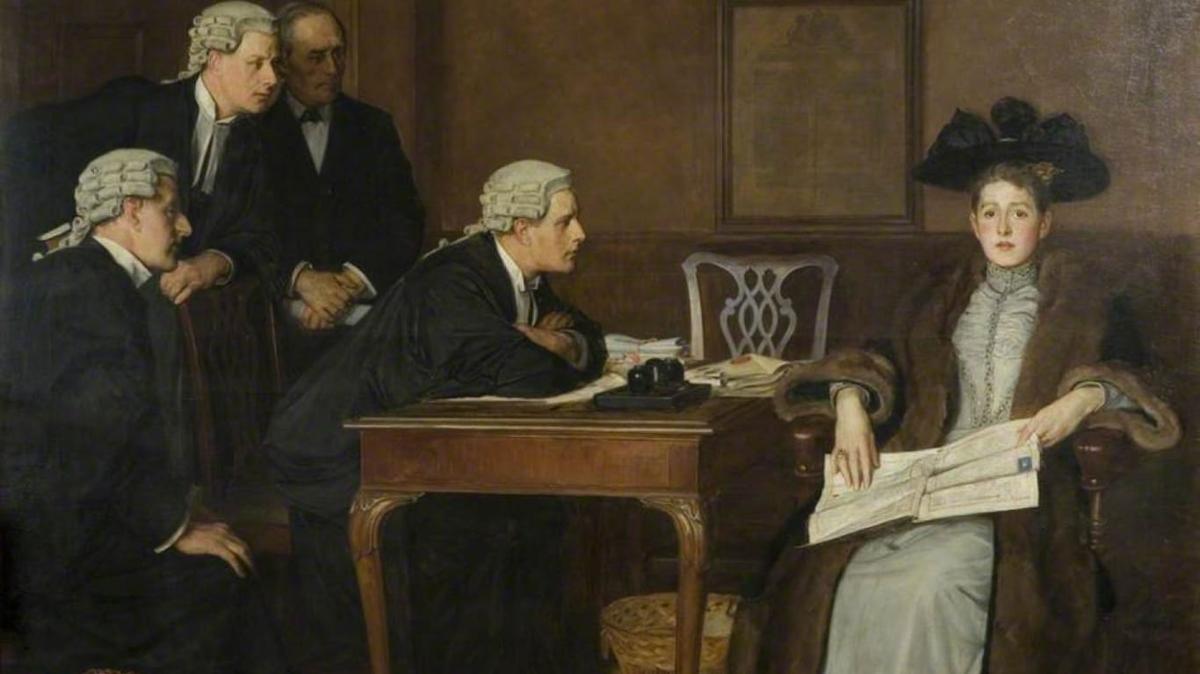
The most visible movement of 2025 was the continued ascent of figurative painting. After two decades in which abstraction and conceptual work dominated the contemporary conversation, the figure came back hard, and the auction record book made the point repeatedly.
Jadé Fadojutimi, Christina Quarles, Salman Toor, Lynette Yiadom-Boakye, Jenna Gribbon, and a tier of younger painters working with the figure each pushed multiple lots through Christie's, Sotheby's, and Phillips contemporary evening sales above $500,000. Gribbon, in particular, set a new auction high at Sotheby's London in March 2025 for a domestic interior with figure that cleared estimate by a multiple.
The galleries representing these artists, Pace, David Zwirner, Hauser & Wirth, Lisson, kept exhibition calendars consistently sold out before opening.
Behind the headline names sat a deeper structural movement. Painting departments at MoMA, Tate Modern, and the Centre Pompidou added figurative work at a rate the institutions had not matched since the 1990s, and the museum acquisitions create the durability that secondary buyers price into the work.
The new realism and post-internet figuration
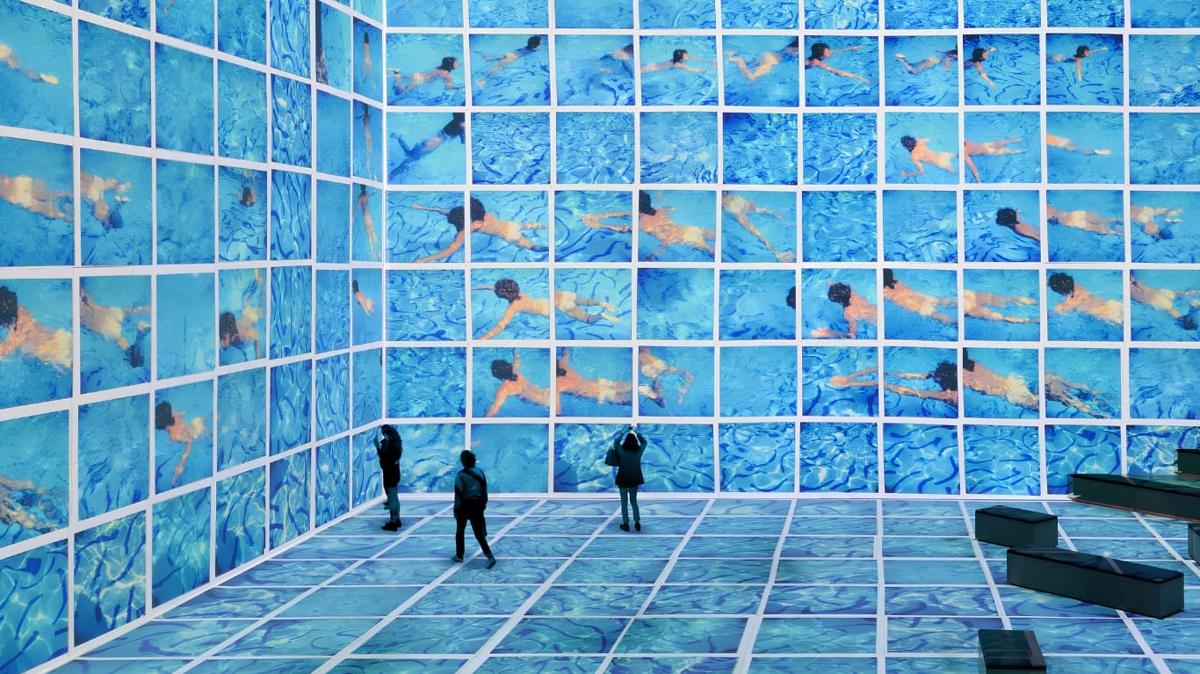
The second defining movement was harder to name cleanly, but it was unmistakable in the gallery shows. We have been calling it post-internet figuration. The work draws on photographic and digital source material, treats colour and light with the saturation of screens, and uses figuration to address identity, intimacy, and the texture of contemporary life rather than the heroic or historical subjects that earlier figurative waves preferred.
Salman Toor, Tschabalala Self, Ewa Juszkiewicz, and Issy Wood anchored the conversation. Wood's work in particular crossed from gallery success into serious museum interest through 2025, with acquisitions by the Whitney and the Hammer Museum, and her secondary-market pricing now sits squarely in blue-chip territory for her generation.
The galleries built the careers carefully. Limited primary supply, structured waitlists, museum placements before secondary releases, and a slow rather than fast secondary market. That discipline is now paying off in the durability of the prices.
The Basquiat reference point and post-graffiti
2025 also clarified how much the contemporary market still oriented itself around Jean-Michel Basquiat. The Basquiat works that defined the market through the decade continued setting the structural reference points for what late-1980s post-graffiti material could clear. The Untitled (1982) skull painting at Sotheby's New York in May 2017 cleared $110.5 million, and that result is still the anchor every cataloguer reaches for when pricing post-graffiti material.
Around Basquiat, a wider post-graffiti and street-influenced tier consolidated through 2025. KAWS, Banksy, Kenny Scharf, and a younger group working in graphic painting traditions all held primary and secondary markets that the wider correction barely touched. Phillips in particular leaned into the category, building dedicated New Now sales that surfaced fresh material at accessible price points and channelled buyers into the deeper artists.
The conceptual and minimalist revival
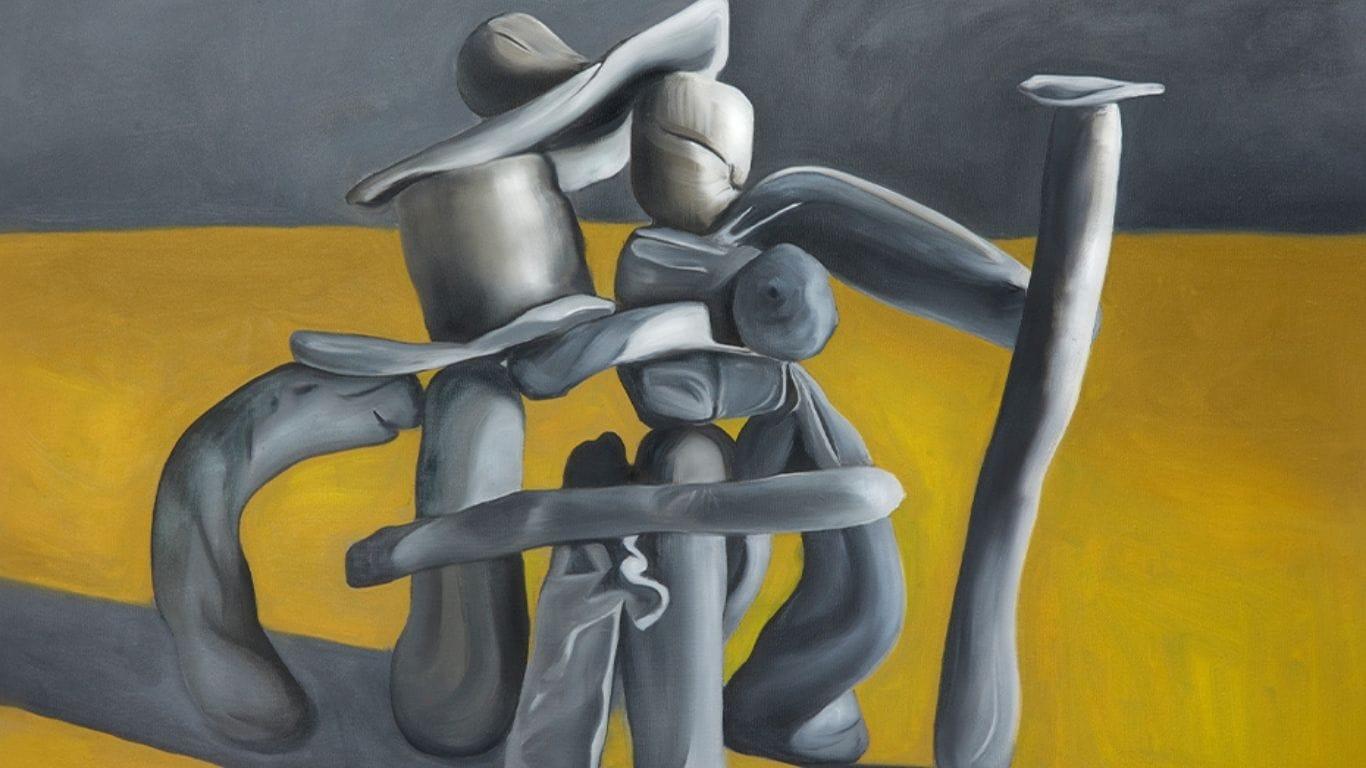
The fourth movement was the quiet return of conceptual and minimalist work to serious collector attention. After roughly fifteen years in which the figure dominated, 2025 saw a meaningful shift in how museums and serious collectors talked about post-war abstraction and conceptualism.
The blue-chip names anchored it: Agnes Martin retrospectives at MoMA and the Pompidou, Carmen Herrera's continued ascent through her 100s, the Hilma af Klint shows that drew the largest museum-modern audiences of the year. Auction results followed. Martin sold above $20 million at Christie's in November 2024, and Herrera and af Klint continued to push secondary records.
The pattern matters for collectors. The minimalist-conceptual revival is institutionally driven, museum-acquired, and curatorially serious. That is the pattern that produces the durable pricing.
Where the conversation actually lives
Across all four movements, the cultural conversation around contemporary art in 2025 lived in three places: Art Basel and its sister fairs (Miami Beach, Hong Kong, Paris), the September and November evening sales at Christie's and Sotheby's New York, and the gallery dinners that bracket them. Frieze London and Frieze New York continued to set the discovery tone for younger artists; Art Basel Paris in October crystallised the European institutional view.
The Hiscox Online Art Trade Report 2025 confirmed that online sales of contemporary work above $50,000 grew through the year, but the seven and eight-figure works still moved through the rooms.
What this means for collectors
The four movements that defined 2025, figurative painting, post-internet figuration, the post-graffiti tier, and the minimalist-conceptual revival, all share a structural feature. Each is institutionally engaged. Museum acquisitions, serious curatorial attention, and gallery careful primary-market discipline anchor the secondary pricing in each case.
For collectors building contemporary depth after the correction, that institutional alignment is the screen we apply first. The artists with serious museum attention in 2025 are the ones whose secondary markets will hold through the next cycle. The names without it are the ones to be cautious about.
We last reviewed this analysis in May 2026.