Pinot Noir versus Cabernet Sauvignon is the structural cellar comparison that defines serious red-wine collecting. The two grapes anchor different categories, different terroirs, different ageing curves, and different secondary-market behaviours. Understanding how they sit against each other is one of the most useful pieces of analytical work a collector can do.
- Pinot Noir versus Cabernet Sauvignon is the structural cellar comparison that defines serious red-wine collecting at the apex tier.
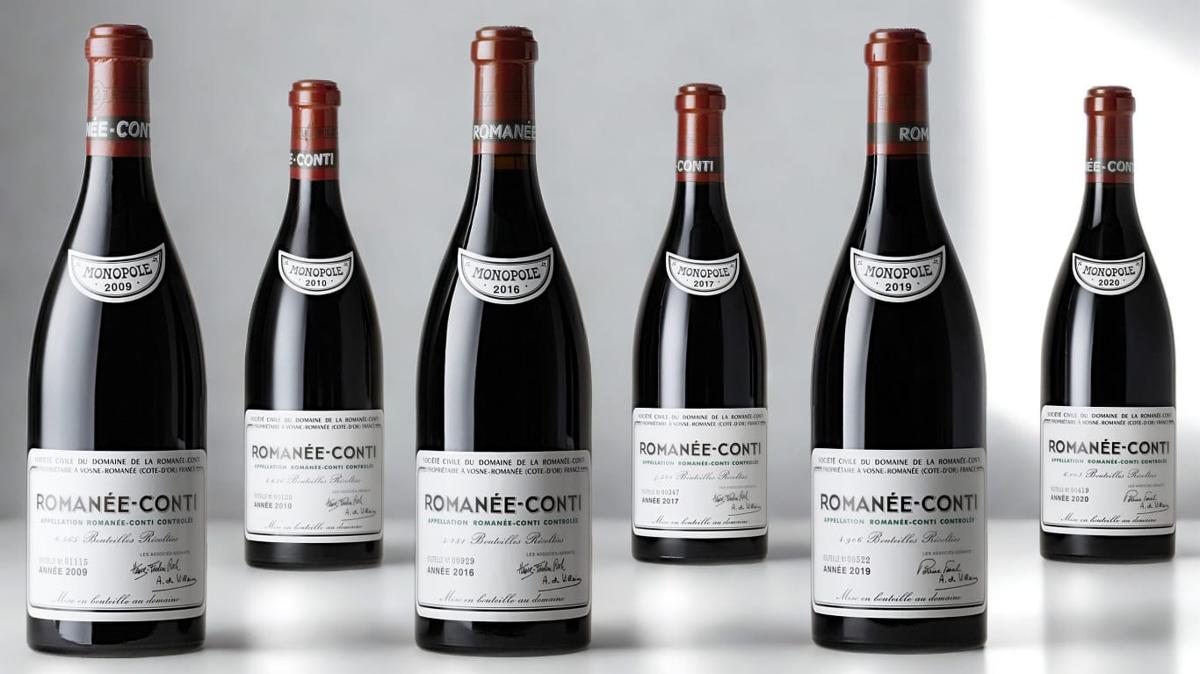
- Pinot Noir anchors Burgundy's grand cru tier, with Cote d'Or producers like DRC, Leroy, and Roumier driving the international apex.
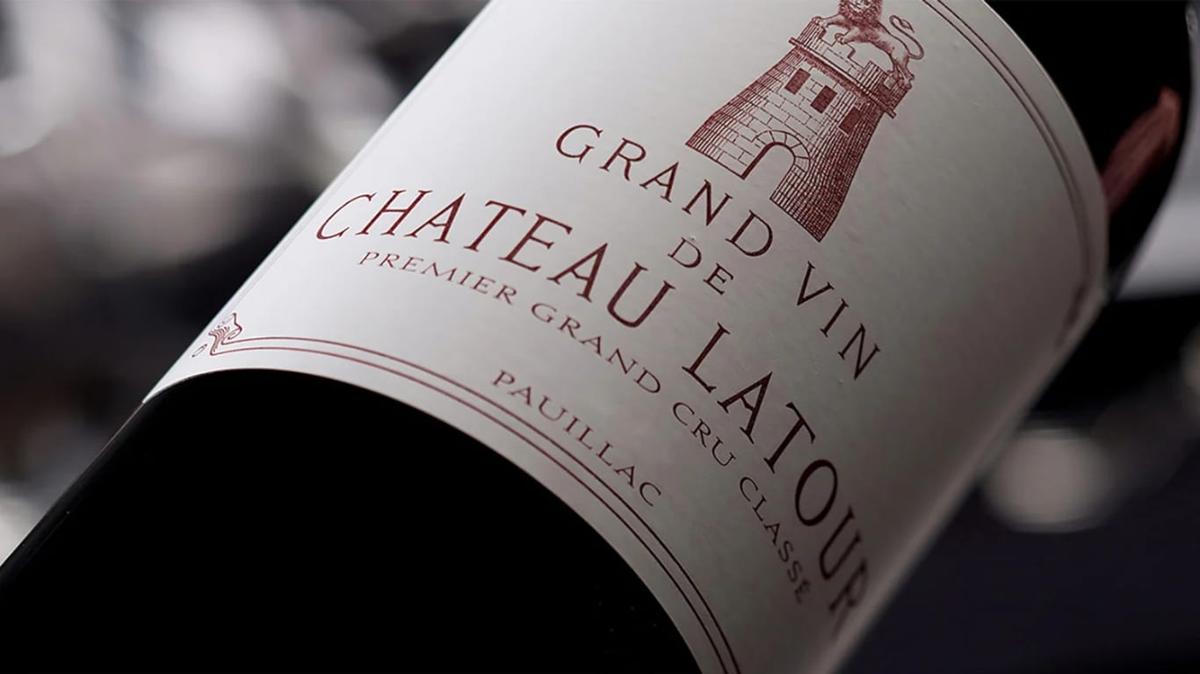
- Cabernet Sauvignon anchors Bordeaux's Left Bank First Growths and Napa's cult tier, with Lafite, Latour, and Screaming Eagle as structural references.
- The two grapes reward fundamentally different cellar strategies, with Pinot Noir demanding producer-led depth and Cabernet supporting broader regional allocations.
- Drinking windows diverge sharply, with Pinot Noir typically peaking earlier than apex Cabernet's multi-decade structural maturation curve.
- For collectors the structural question is rarely either-or but rather how to weight each grape within the broader red-wine architecture.
- Who is this for?
- Cellar builders structuring their red-wine architecture, particularly those weighing Burgundy grand cru positions against Bordeaux and Napa allocations.
- What is happening?
- We compare Pinot Noir and Cabernet Sauvignon as structural cellar positions, with the regional, producer, and drinking-window variables that distinguish each.
- When did this emerge?
- The piece reads the contemporary post-2020 market, with the post-2022 Burgundy correction and the resilient Bordeaux Left Bank apex tier as live context.
- Where is this happening?
- Burgundy's Cote d'Or for Pinot Noir, Bordeaux's Left Bank and Napa's apex cluster for Cabernet Sauvignon as the structural regions.
- Why does it matter?
- Sizing Pinot Noir and Cabernet Sauvignon correctly against one another is foundational for serious red-wine cellar architecture, and the structural decisions compound across decades.
The Liv-ex Burgundy 150 and the Liv-ex Bordeaux 500 give the public benchmarks for the two categories. The structural divergence between them across the past five years is the more interesting story than the headline numbers.
This is our editorial read on how Pinot Noir and Cabernet Sauvignon compare as cellar holdings, with the structural variables that matter.
The varietal character: what each grape actually does
Pinot Noir produces wines of relative delicacy, transparency to terroir, and aromatic complexity. The grape's thin skins, sensitivity to growing conditions, and natural acid retention give it the characteristic style. Burgundy's grand crus, Oregon's apex Willamette Valley sites, and the apex New Zealand Central Otago producers all express the grape's structural range.
Cabernet Sauvignon produces wines of greater structural weight, tannin density, and ageing capacity. The grape's thick skins, late ripening, and natural concentration give it the canonical style. Bordeaux's Médoc, Napa's cult tier, and Coonawarra in Australia all anchor the international Cabernet category.
The two grapes occupy structurally different positions in serious cellars, and the best collectors usually hold meaningful depth in both.
Ageing curves and drinking windows
Cabernet Sauvignon ages on longer arcs than Pinot Noir in most cases. Great Cabernet from the canonical regions routinely shows beautifully at 25 to 40 years, and the structural drinking window for a First Growth Bordeaux from a great vintage extends to 50 or 60 years in well-cellared bottles.
Pinot Noir ages on shorter arcs in general, though the apex Burgundy grand crus routinely show at 30 to 40 years. The wine's drinking-window structure tends to be more compressed, with the development curve moving faster from primary fruit to secondary character to tertiary complexity.
The 1945 Romanée-Conti (Pinot Noir) and the 1945 Mouton Rothschild (Cabernet-led) both anchor the canonical references for their grapes. The Pinot Noir has aged on a faster curve while remaining structurally compelling.
Production volumes and structural scarcity
Burgundy's grand cru Pinot Noir tier operates at tiny production volumes. Domaine de la Romanée-Conti's La Tâche runs to perhaps 1,800 cases globally per vintage. Coche-Dury, Leroy, Henri Jayer (library only), and the Vosne-Romanée named domaines all operate at similarly small volumes.
Bordeaux's First Growths operate at substantially larger volumes. Lafite Rothschild produces roughly 20,000 cases of its first wine per vintage. The Pomerol icons (Pétrus, Le Pin, Lafleur) operate at smaller volumes that approach the Burgundy scale, but the broader Cabernet-led category is structurally larger than the apex Burgundy tier.
The production-volume difference is the structural driver of the Burgundy outperformance against Bordeaux across the past five years, which our coverage of Bordeaux versus Burgundy tracks in detail.
Secondary-market performance: the post-2018 divergence
The Liv-ex Burgundy 150 has outperformed the Liv-ex Bordeaux 500 across most of the post-2018 window. The structural drivers (tiny Burgundy production, the Asia-led shift in collector demand toward Burgundy and Champagne, the relative correction in Bordeaux pricing) have all reinforced each other.
The post-2022 Liv-ex 100 correction has hit Bordeaux harder than Burgundy. The Bordeaux 500 has corrected meaningfully, the Burgundy 150 has been more resilient, and the gap between the two categories has continued to widen.
For collectors looking at the categories on a long-term basis, the structural divergence is the more important signal than the cyclical correction. The categories have always traded against each other in different ways.
Producer reputation and the named-domaine effect
Burgundy's structure concentrates reputation at the producer level. The named domaines (DRC, Leroy, Coche-Dury, Henri Jayer, Comte de Vogüé, Armand Rousseau, Dujac) each carry distinctive critical pedigree, and the wines clear at premiums determined as much by producer as by vintage.
Bordeaux's structure concentrates reputation at the château level, with the First Growths anchoring the international category. The 1855 classification continues to set the structural frame, and the wines clear at premiums tied to the classification, the vintage, and the producer's recent track record.
The two systems produce different collecting dynamics. Burgundy rewards deep producer knowledge, Bordeaux rewards vintage knowledge.
Terroir transparency and the regional question
Pinot Noir is the more terroir-transparent grape. The same producer making wine from neighbouring grand cru sites in Burgundy will produce structurally different wines from each, and the trade reads the differences as serious information about the underlying sites.
Cabernet Sauvignon expresses terroir, but the grape's structural weight tends to dominate the picture more than in Pinot Noir. A Médoc Cabernet and a Napa Cabernet are distinguishable to a trained palate, but the grape's character anchors both wines in a more legible way.
The implications for cellar construction are real. Collectors who concentrate on Pinot Noir tend to build by site and producer simultaneously. Collectors who concentrate on Cabernet Sauvignon tend to build by producer and vintage.
Authentication and provenance considerations
Both categories sit at the top of the fraud-risk map. The Kurniawan case in 2008 focused heavily on Burgundy counterfeits, particularly Henri Jayer and DRC. The 1945 Mouton Rothschild remains one of the most-faked wines in the world.
For collectors building serious depth in either category, provenance discipline is structural rather than optional. The major auction houses' authentication programmes provide the practical defence against the counterfeit risk concentrated at the top of both categories.
Direct-from-producer access (en primeur Bordeaux, allocated Burgundy through the négociant chain, direct DRC) carries the cleanest provenance any collector can secure.
Comparative cellar-construction framework
A serious red-wine cellar in 2026 typically allocates meaningfully to both categories. The relative weighting depends on the collector's preferences, the holding horizon, and the secondary-market preferences of the regions where the cellar will eventually be sold or shown.
For collectors with multi-decade holding horizons, the ageing curves favour Cabernet Sauvignon. For collectors with deeper interest in producer-driven complexity, Pinot Noir tends to be the structural anchor.
The Liv-ex Burgundy 150 versus Bordeaux 500 divergence over the past five years has tilted the relative weighting of new cellar construction toward Burgundy, though the recent Bordeaux correction has created a structural entry opportunity for collectors building from scratch.
What the field guides say
Our Pinot Noir collector's field guide walks the regional and producer-level questions for the grape in detail. Our Cabernet Sauvignon collector's field guide does the same for the other side of the comparison.
The two guides together set the structural literacy for collectors building cellars that include meaningful depth in both grapes.
What this means for collectors
Pinot Noir and Cabernet Sauvignon serve different roles in serious cellars. Cabernet Sauvignon anchors long-term ageability and bottle-resilient cellar holdings. Pinot Noir anchors producer-driven complexity and shorter-horizon drinking pleasure with structural collector appeal.
The collector who builds depth in both categories tends to have the most flexible cellar across drinking and collecting horizons. The collector who concentrates in one or the other tends to have the deeper expertise in their chosen category.
For collectors entering serious red-wine collecting in 2026, our coverage of the most coveted Pinot Noirs of 2026 sets useful context for the current entry points on the Pinot Noir side.
What we'll watch next
Three signals will tell us how the Pinot Noir versus Cabernet Sauvignon comparison evolves in 2026 and 2027. First, whether the Liv-ex Burgundy 150's outperformance against the Bordeaux 500 extends or normalizes. Second, whether the Bordeaux 2024 release in spring 2026 marks a recalibration of First Growth pricing.
Third, whether the Napa cult Cabernet tier absorbs its recent Liv-ex adjustment.
The structural variables we've described above will continue to shape the comparison across the next decade.
We last reviewed this analysis in May 2026.