When it comes to fine wine, two regions stand out as the ultimate benchmarks of prestige and investment potential: Bordeaux and Burgundy.

These French wine-producing powerhouses have been the gold standard for wine enthusiasts and investors for centuries, offering exceptional quality and a rich history that few asset classes can match.

Bordeaux and Burgundy both carry a reputation for excellence, but they differ sharply in production styles, grape varieties, flavor profiles, and market dynamics.

For you as an investor, understanding the key differences between these two regions is what separates a smart allocation from a costly mistake.

Bordeaux is celebrated for its blends, with wines that deliver robust, full-bodied character and remarkable consistency across vintages.

Burgundy, by contrast, is synonymous with varietal purity. Its focus on Pinot Noir and Chardonnay produces wines of rare elegance and finesse that collectors genuinely obsess over.

This guide covers every angle of the Bordeaux versus Burgundy debate, from regional origins and grape characteristics to pricing, ROI, and where the real investment opportunity sits heading into 2026. You can also explore the top wine regions worth investing in for a broader view of the fine wine market.

Whether you are a seasoned collector or just beginning to diversify your portfolio into tangible assets, what follows will give you the knowledge to move confidently in the fine wine market.

Bordeaux vs Burgundy: Regions & Origins

Bordeaux and Burgundy are two of France’s most iconic wine-producing areas, and the differences between them go far deeper than geography.

Their distinct terroirs and climates shape the style and quality of every bottle, which is exactly why collectors and investors around the world remain so focused on both.

Bordeaux

Bordeaux sits in southwestern France and benefits from a maritime climate, with the Atlantic Ocean keeping temperatures moderate and relatively stable.

That consistency fosters ideal growing conditions for Bordeaux’s famous blends, allowing for reliable quality and meaningful production volume year after year.

  • Sub-Regions: Bordeaux is divided into Left Bank (e.g., Médoc, Graves) and Right Bank (e.g., Saint-Émilion, Pomerol).

  • Vineyards: Bordeaux boasts over 120,000 hectares of vineyards, producing approximately 700 million bottles annually, making it one of the largest wine regions globally.

  • Grapes: The primary grapes include Cabernet Sauvignon, Merlot, Cabernet Franc, and Sauvignon Blanc, used in Bordeaux’s iconic red and white blends.

  • Classification System: Bordeaux introduced the 1855 Classification, highlighting premier estates such as Château Lafite Rothschild and Château Margaux, which remain benchmarks for quality and investment.

Burgundy

Burgundy, known locally as Bourgogne, is tucked into eastern France and covers a much smaller footprint. Every decision here is driven by a deeply held terroir philosophy.

Burgundy’s continental climate brings cold winters and warm summers, producing wines whose character shifts dramatically based on subtle differences in soil and microclimate from one plot to the next.

  • Sub-Regions: Burgundy is divided into five key areas: Chablis, Côte de Nuits, Côte de Beaune, Côte Chalonnaise, and Mâconnais.

  • Vineyards: Burgundy has just 29,500 hectares of vineyards, producing about 200 million bottles annually, making its wines rarer than Bordeaux.

  • Grapes: Burgundy specializes in Pinot Noir for reds and Chardonnay for whites, with a reputation for single-varietal purity.

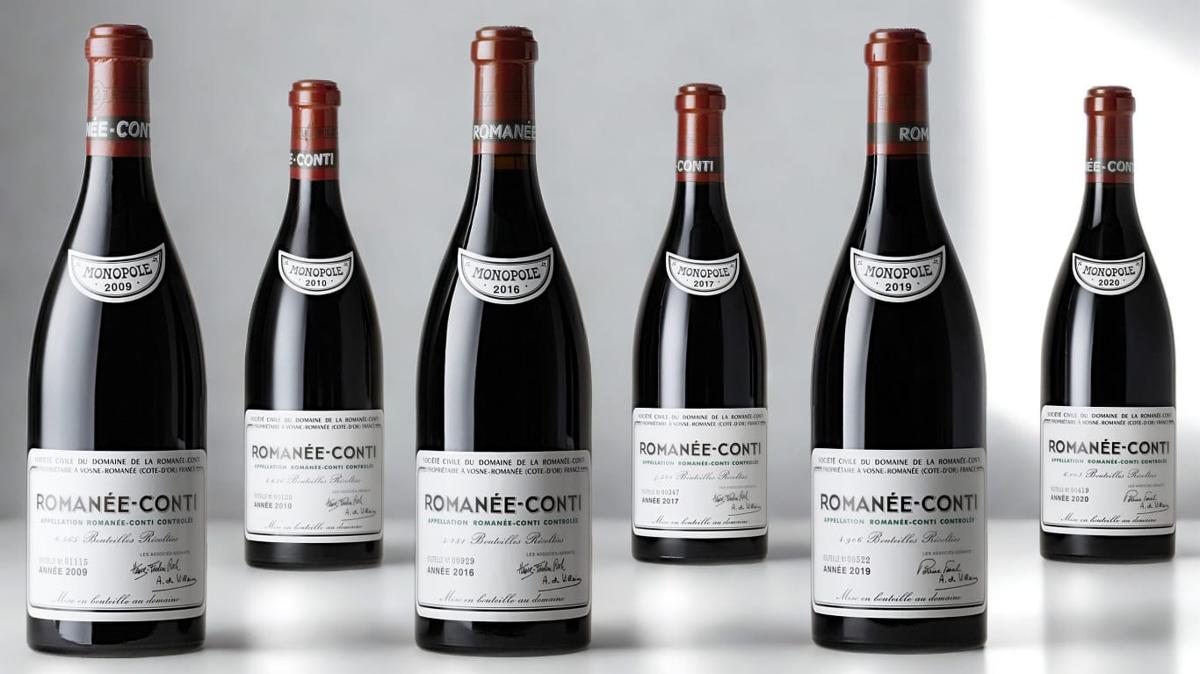
  • Classification System: Burgundy’s vineyards are classified into Grand Cru, Premier Cru, Village Wines, and Regional Wines, with Grand Cru wines like Romanée-Conti and Chambertin being among the most prestigious.

The philosophies of the two regions could not be more different. Bordeaux leans into blending to achieve complexity and balance. Burgundy bets everything on single-varietal wines to let individual vineyards speak for themselves.

Bordeaux’s larger production scale and more consistent vintages make it a steady entry point for investors, particularly through its classified growth wines.

Burgundy, on the other hand, runs entirely on scarcity and exclusivity. That supply-demand tension is what drives dramatic price appreciation, especially at the Grand Cru level.

Burgundy’s vintage variability adds real risk to the equation. But it also amplifies the appeal of exceptional years, which can become genuinely legendary among serious collectors.

For your portfolio, Bordeaux offers steady appreciation and broad market appeal, while Burgundy opens the door to higher returns driven by rarity and prestige. Both have a role to play.

Each region brings something distinct to a diversified wine portfolio, giving you avenues for both growth and stability depending on how you want to play it.

Bordeaux vs Burgundy 2025
Image Source: Christie’s

Bordeaux vs Burgundy: Grape Characteristics

One of the most telling differences between Bordeaux and Burgundy comes down to their grape varieties and the styles of wine those grapes produce.

These differences are rooted in the regions’ terroirs and winemaking philosophies, shaping everything from taste profiles to aging potential and, ultimately, long-term value.

For you as an investor, understanding these characteristics is essential when assessing market appeal and deciding where to allocate.

Bordeaux

Bordeaux is built on blended wines, where multiple grape varieties are carefully combined to create complexity, structure, and balance.

The primary red grapes are Cabernet Sauvignon, Merlot, and Cabernet Franc, with smaller contributions from Petit Verdot and Malbec rounding out the blend.

For white wines, Sauvignon Blanc, Sémillon, and Muscadelle take center stage.

  • Left Bank Reds: Cabernet Sauvignon is the star on the Left Bank, contributing bold tannins, dark fruit flavors, and excellent aging potential.

  • Right Bank Reds: Merlot takes center stage on the Right Bank, producing softer, more approachable wines with flavors of plum, cherry, and chocolate.

  • Whites: Bordeaux’s white wines, particularly those from Graves and Sauternes, range from crisp and citrus-driven to lusciously sweet dessert wines like Château d’Yquem.

That diversity lets Bordeaux speak to a wide range of palates, giving it reliable appeal across global markets.

The blend-driven approach also gives winemakers flexibility. When a vintage throws curveballs, they can adjust grape proportions to maintain consistent quality.

Burgundy

In Burgundy, the focus is singular. Pinot Noir for reds, Chardonnay for whites. That commitment to purity lets the terroir do the talking, with each vineyard imparting its own distinct fingerprint to the wine.

  • Pinot Noir: Burgundy’s red wines are known for their elegance, with delicate tannins, bright acidity, and complex flavors of red cherry, raspberry, earth, and subtle spice. The variety thrives in the cool climate and limestone-rich soils of Burgundy, creating wines with exceptional aging potential.

  • Chardonnay: Burgundy’s whites are revered for their richness and balance, ranging from the mineral-driven wines of Chablis to the opulent, buttery expressions of the Côte de Beaune.

Burgundy’s emphasis on terroir creates significant variation from one vineyard to the next, even within the same village. Two bottles from neighboring plots can taste worlds apart.

That micro-regional distinction is a big part of what drives the prestige and scarcity that make top-tier Burgundy so coveted.

Bordeaux and Burgundy stand as two of the most celebrated wine regions on earth, each offering a different kind of investment thesis.

Understanding their differences in grape composition, flavor profiles, and aging potential is essential whether you are buying to drink or buying to hold.

The most defining distinction is in how they approach the grape itself. Bordeaux embraces blends, combining multiple varieties to deliver consistency and complexity across varying conditions.

Burgundy takes the opposite view, focusing entirely on single-varietal wines. Pinot Noir and Chardonnay carry all the weight, which means the terroir and the vintage are always front and center.

Flavor profiles follow naturally from those choices. Bordeaux wines are known for their full-bodied structure and bold tannins, delivering a powerful and layered drinking experience.

Burgundy wines go lighter and more aromatic, with a refined texture that rewards patience and appeals deeply to those who value elegance over power.

Both regions age beautifully, though in different ways. Bordeaux blends, especially from classified growths, are built for the long haul, often coming into their best over several decades.

Burgundy’s single-varietal wines, particularly from Grand Cru vineyards, also age with remarkable grace, revealing intricate complexity as they mature. But they tend to be more delicate and far more sensitive to vintage conditions.

From a pure investment standpoint, Bordeaux offers reliability and broad market appeal. Its blend-driven wines from regions like Médoc and Saint-Émilion consistently attract attention globally, making it a lower-risk entry point for those prioritizing steady returns.

Burgundy delivers something different: exclusivity and higher potential upside, especially through Grand Cru and Premier Cru vineyards where production is genuinely tiny.

The catch with Burgundy is that limited production and heightened scarcity demand careful vintage and producer selection. The upside is real, but so is the risk.

Whether you are drawn to Bordeaux’s dependable blends or Burgundy’s nuanced single-varietal wines, both regions offer genuine opportunities for both enjoyment and financial growth.

By understanding what makes each region tick, you can make decisions that align with both your palate and your financial objectives.

Bordeaux vs Burgundy: Taste & Alcohol

The taste profiles and alcohol levels of Bordeaux and Burgundy wines are a direct reflection of their regional styles and grape compositions.

These differences shape their appeal to wine drinkers, but they also drive market value and investment potential in ways that matter to you as a buyer.

Taste Profiles

Bordeaux wines are known for their bold, robust flavors, a product of the region’s signature blending techniques and warm maritime climate.

Left Bank reds, led by Cabernet Sauvignon, offer powerful tannins, high acidity, and flavors of blackcurrant, cedar, tobacco, and dark chocolate. These are wines built to age.

Structured and complex from the start, they evolve over decades into smoother, more nuanced expressions that reward the patient investor.

Right Bank reds, where Merlot leads the way, are softer and more approachable. Think lush notes of plum, cherry, and cocoa, with a rounder mouthfeel and slightly earlier drinking windows.

Burgundy takes a different path entirely. Pinot Noir, the region’s signature red grape, delivers a lighter body with flavors of red cherry, raspberry, cranberry, and earthy undertones like truffle and forest floor.

These wines are prized for their subtlety and aromatic depth. Chardonnay, Burgundy’s white flagship, ranges from the crisp mineral-driven style of Chablis to the creamy, opulent expressions of the Côte de Beaune, with flavors of apple, pear, hazelnut, and buttery oak.

The contrast between the two regions extends to texture and finish as well.

Bordeaux wines feel dense and full-bodied, with a long, tannic finish that softens beautifully with time. Burgundy wines are lighter and more delicate, leaving a silky, lingering impression on the palate.

That stylistic contrast is exactly why both regions maintain dedicated global followings and why smart investors hold both.

Alcohol Levels

Alcohol content is another clear differentiator. Bordeaux wines generally land between 13.5% and 15% ABV, depending on the blend and vintage conditions.

Late-ripening grapes like Cabernet Sauvignon thrive in Bordeaux’s warm maritime climate, achieving full phenolic ripeness that pushes alcohol levels higher.

Burgundy wines typically run cooler, ranging from 12.5% to 14% ABV.

The region’s continental climate supports vibrant acidity and moderate alcohol levels, which align perfectly with the lighter body and elegant style Burgundy is known for.

Investment Insights

The distinct taste profiles and alcohol levels of each region feed directly into their market dynamics.

Bordeaux’s bold flavors and higher alcohol content play well with a broad audience, especially in markets like the United States and Asia where full-bodied wines dominate demand.

That broad appeal is a real asset for investors who want consistent global liquidity and predictable demand.

Burgundy’s lighter, more aromatic wines attract a niche market of collectors and connoisseurs who specifically seek out subtlety and terroir-driven character.

The scarcity of Grand Cru Burgundy, combined with those distinctive flavor profiles, regularly produces dramatic price appreciation for highly rated vintages. Much like art investment, the rarity factor is often what drives the most meaningful returns.

Both regions offer compelling cases for your portfolio: Bordeaux for accessibility and steady appreciation, Burgundy for exclusivity and higher potential returns.

Understanding these stylistic differences lets you make strategic decisions that match your financial goals and risk appetite.

Bordeaux vs Burgundy

Bordeaux vs Burgundy: Winemaking Methods

The winemaking approaches in Bordeaux and Burgundy are rooted in very different philosophies, and those philosophies directly shape the style, quality, and investment case for each region’s wines.

Bordeaux prioritizes blending for consistency and complexity. Burgundy puts terroir and varietal purity above everything else.

Bordeaux Winemaking Methods

In Bordeaux, winemakers use blending as their primary tool for achieving balance and depth. Each grape variety brings something different to the table, and the goal is always a wine that is greater than the sum of its parts.

Cabernet Sauvignon provides structure and tannins. Merlot adds softness and fruitiness. Cabernet Franc contributes aromatics and finesse.

Smaller additions of Petit Verdot and Malbec can enhance color and add an extra dimension of flavor when the vintage calls for it.

The winemaking process in Bordeaux draws on a set of well-established techniques refined over generations.

  • Fermentation in Stainless Steel or Concrete Tanks: This preserves freshness and purity in the fruit.

  • Aging in Oak Barrels: Most Bordeaux wines, especially classified growths, are aged in oak barrels for 12–24 months. Top estates often use new oak, which imparts flavors of vanilla, spice, and toast.

  • Blending Post-Fermentation: The blending process is meticulously overseen by winemakers, ensuring consistency and quality even in challenging vintages.

Blending not only adds complexity but also gives Bordeaux producers a powerful tool for managing vintage variability, which is a key reason why the region delivers such consistent quality year after year.

Burgundy Winemaking Methods

Burgundy winemaking is built around terroir, the interplay of soil, climate, and geography that makes each individual vineyard unique. Every decision in the cellar is designed to protect and express that identity.

Unlike Bordeaux, Burgundy wines are single-varietal by nature. Pinot Noir carries the reds, Chardonnay carries the whites, and neither grape is blended away.

The key elements of Burgundy winemaking are aimed at one thing above all else: letting the vineyard speak.

  • Minimal Intervention: Burgundy winemakers focus on expressing the natural characteristics of the grapes and the vineyard. Fermentation often occurs with wild yeasts, preserving the authenticity of the terroir.

  • Aging in Oak Barrels: While oak is also used in Burgundy, it is typically less dominant. The goal is to enhance the wine’s natural flavors rather than overshadow them. Aging lasts 12–18 months, depending on the vintage and style.

  • Single-Vineyard Wines: Burgundy’s classification system highlights individual plots, with Grand Cru and Premier Cru vineyards producing wines of exceptional quality.

Burgundy’s terroir-driven approach produces wines with distinctive character and real vintage variation. That variation is part of the story, and it is a big reason why exceptional years become so coveted among serious collectors.

The differences in winemaking philosophy translate directly into different investment propositions for you as a buyer.

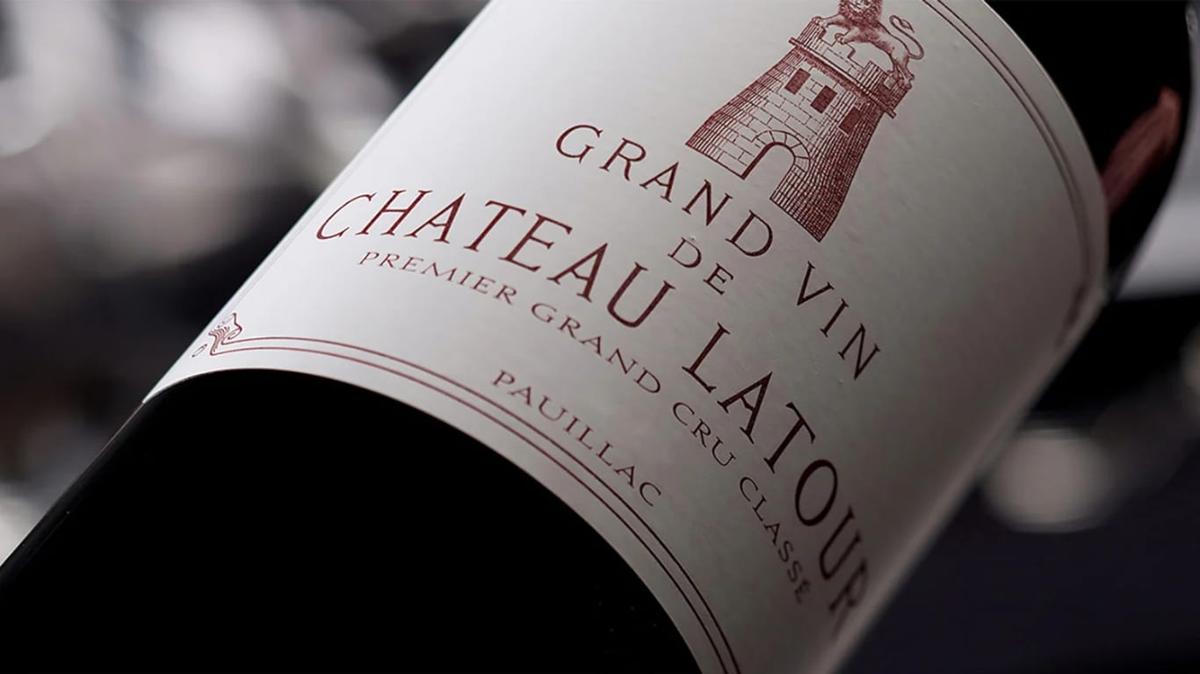
  • Bordeaux’s Consistency: The blending approach ensures quality even in off-years, making Bordeaux a safer and more predictable investment. Wines from top estates like Château Margaux and Château Latour consistently perform well in secondary markets.

  • Burgundy’s Scarcity: The single-vineyard focus and smaller production volumes make Burgundy wines rarer and more desirable. Grand Cru wines like Romanée-Conti are often seen as blue-chip investments, with prices that can skyrocket during strong vintages.

Bordeaux excels at producing high-quality wines at meaningful scale, which creates broad market appeal and reliable liquidity. Burgundy’s terroir-first approach produces wines of unmatched exclusivity and character, making it the natural target for investors willing to accept more risk in exchange for potentially outsized returns.

Bordeaux vs Burgundy: Appearance, Aromas, and Tasting Notes

Bordeaux and Burgundy wines are defined by entirely different sensory profiles, shaped by their regional characteristics, grape varieties, and winemaking traditions.

Understanding these differences is valuable for both enthusiasts and investors, because they reveal exactly what makes each region’s wines so desirable and why collectors keep coming back.

Appearance

Bordeaux reds tend to run deep in color. Left Bank wines dominated by Cabernet Sauvignon show intense shades of deep ruby or garnet, while Right Bank wines leaning on Merlot are slightly softer in hue but still rich and bold.

With age, Bordeaux reds develop brick-red tones that signal maturity and the slow evolution you are investing in when you cellar these bottles.

Burgundy reds made from Pinot Noir tell a different story visually. They are lighter, showing bright ruby or garnet shades that slowly shift toward brick hues as they age.

Burgundy whites, crafted from Chardonnay, appear in pale gold or straw tones, with richer golden notes developing in wines that have spent time in oak.

Aromas

The aromatic profiles of each region are just as distinct as their appearance, and they reflect everything happening at the vineyard and in the cellar.

  • Bordeaux Aromas: Bordeaux wines are known for their bold and complex aromatics. Left Bank reds often feature notes of blackcurrant, blackberry, cedar, leather, and graphite, while Right Bank wines lean toward softer fruit aromas like plum, cherry, and chocolate. Bordeaux whites, especially those from Sauternes, exude aromas of honey, apricot, and tropical fruits.

  • Burgundy Aromas: Burgundy’s Pinot Noir is more delicate, with aromas of red cherry, raspberry, cranberry, and earthy notes like forest floor and truffle. Chardonnay wines from Burgundy showcase a diverse aromatic range, from the mineral and citrus notes of Chablis to the buttery, nutty, and tropical fruit aromas of Côte de Beaune whites.

Tasting Notes

Bordeaux wines are full-bodied and structured. Left Bank wines deliver robust tannins, high acidity, and flavors of black fruit, tobacco, and dark chocolate. Right Bank wines soften things up, with rounder textures and flavors of ripe red fruits and subtle spice.

The best Bordeaux wines finish long and tannic, with that structure softening over years in the cellar to reveal a harmonious, deeply layered balance.

Burgundy wines prioritize elegance above all. Pinot Noir is medium-bodied with a silky texture, offering flavors of red berries, floral notes, and earthy undertones that make it lighter and more aromatic than any Bordeaux red.

Burgundy whites from Grand Cru vineyards are in a class of their own, combining rich texture, bright acidity, and layered flavors of apple, pear, hazelnut, and vanilla in a way that feels effortlessly balanced.

Investment Insights

The sensory characteristics of each region feed directly into their market positioning and investment dynamics.

  • Bordeaux’s Complexity: Bordeaux wines cater to collectors seeking bold, full-bodied wines with excellent aging potential. The consistent quality across Left and Right Bank wines ensures reliable demand.

  • Burgundy’s Refinement: Burgundy’s lighter, more nuanced wines appeal to a niche audience of connoisseurs. The scarcity of Grand Cru and Premier Cru wines amplifies their value, making them some of the most sought-after wines in the world.

Both regions deliver distinctive experiences that resonate with different segments of the collector market. Just as with art funds, understanding what drives demand at the top of the market is what separates informed investors from everyone else.

Each style reaches a different audience, which is exactly why both Bordeaux and Burgundy hold their places as foundational investment categories in fine wine.

Bordeaux vs Burgundy: Storage

Proper storage is not optional when you are treating wine as an investment. It is the difference between a bottle that appreciates beautifully and one that loses everything.

Both Bordeaux and Burgundy produce wines with serious aging potential, but their storage needs differ slightly based on composition and style.

Storage Conditions

Both Bordeaux and Burgundy wines need ideal storage conditions to age well and reach their full potential. Temperature stability, humidity control, darkness, and freedom from vibration are non-negotiable requirements for any serious cellar.

  • Temperature: The optimal storage temperature for both Bordeaux and Burgundy wines is 55°F (13°C), with minimal fluctuations. Sudden changes in temperature can cause the wine to expand or contract, potentially compromising the seal of the cork.

  • Humidity: A relative humidity level of 60–70% is necessary to keep corks moist and prevent oxidation. Low humidity can dry out the cork, while excessive humidity may damage labels, affecting resale value.

  • Light: Fine wines should be stored in a dark environment, as exposure to light can degrade their color, flavor, and aroma. UV rays are particularly harmful and can prematurely age the wine.

  • Vibration: Avoid storing wine in areas prone to vibration, as it can disturb sediment in the bottle and negatively impact the aging process.

Aging Potential

Bordeaux wines, particularly classified growth estates, are built for longevity. Thanks to higher tannin levels, robust structure, and blend-driven complexity, top Bordeaux can age beautifully for 15 to 50 years or more depending on the vintage and producer.

A First Growth like Château Latour, for example, can develop over several decades, often hitting its peak somewhere between the 30 and 40 year mark.

Burgundy wines are also age-worthy, though they tend to be more delicate given Pinot Noir’s lighter body and lower tannin levels.

The best Grand Cru Burgundy wines can develop over 20 to 30 years, revealing intricate layers of flavor along the way. Most Premier Cru and Village-level wines are best enjoyed within 5 to 15 years of the vintage.

Burgundy whites, especially from the Côte de Beaune, show impressive aging potential of their own, with some bottles gaining real richness and complexity over 10 to 20 years.

For investment-grade bottles, storage quality directly impacts resale value. A wine with documented provenance and verified storage conditions commands a premium on the secondary market.

  • Bordeaux: The longevity of Bordeaux wines makes them a cornerstone of wine portfolios. Their ability to age for decades ensures steady demand in secondary markets. However, long-term storage costs must be factored into the investment calculation.

  • Burgundy: Burgundy’s relative scarcity and terroir-driven uniqueness make it highly desirable, but improper storage can significantly diminish its value. Ensuring pristine conditions enhances the appeal of rare Grand Cru bottles, particularly at auctions.

For serious investors, professional wine storage facilities are the obvious solution. They offer temperature-controlled environments, advanced humidity management, and the kind of security your collection deserves.

Wines stored in professional facilities also tend to attract stronger bids from buyers, because they come with verifiable provenance and condition reports that remove doubt from the transaction.

bordeaux vs burgundy

Bordeaux vs Burgundy: Pricing

Pricing is one of the most important factors to understand when comparing Bordeaux and Burgundy as investments.

Both regions sit at the top of the fine wine market, but their price dynamics are driven by very different forces, including production volume, scarcity, and global demand patterns.

Getting your head around these differences is what lets you spot the real opportunities and avoid overpaying.

Bordeaux Pricing

Bordeaux’s pricing structure is one of the broadest in fine wine, offering entry points across a wide range of budgets.

The region produces around 700 million bottles annually, which keeps entry-level pricing accessible while preserving high-value tiers for classified growth wines that attract serious collector money.

  • Entry-Level Bordeaux: These wines, typically from larger, less prestigious producers, start at $20–$50 per bottle. They are great for casual consumption but have limited investment potential.

  • Mid-Tier Bordeaux: Wines from lesser-known châteaux in recognized appellations (e.g., Médoc or Saint-Émilion) range from $50–$200. These offer moderate investment potential, particularly in strong vintages.

  • Classified Growth Bordeaux: Premier wines from estates like Château Margaux and Château Haut-Brion command prices starting at $500 and can exceed $10,000 for sought-after vintages. For example, a bottle of Château Lafite Rothschild 2010 sells for approximately $1,200, with prices rising steadily in secondary markets.

Burgundy Pricing

Burgundy’s smaller production of roughly 200 million bottles annually pushes average pricing meaningfully higher than Bordeaux across comparable quality tiers.

The focus on terroir and single-vineyard wines makes Grand Cru and Premier Cru labels especially desirable, pushing some Burgundy bottles into the ranks of the most expensive wines on the planet. According to Decanter, top Burgundy Grand Cru prices have continued climbing even as broader fine wine markets have cooled.

  • Entry-Level Burgundy: Village-level wines start at $30–$60, offering approachable options for new enthusiasts but limited long-term value.

  • Premier Cru Burgundy: These wines, from vineyards of slightly lower prestige than Grand Cru, range from $100–$500 and show strong potential for appreciation in good vintages.

  • Grand Cru Burgundy: The rarest and most coveted Burgundy wines, such as those from Domaine de la Romanée-Conti (DRC), can cost upwards of $10,000 per bottle. For instance, a 2015 DRC Romanée-Conti has reached auction prices of $20,000–$25,000, driven by extreme scarcity and global demand.

Key Price Drivers

  1. Production Volume: Bordeaux’s large-scale production results in a more accessible price range, while Burgundy’s limited supply creates scarcity and exclusivity.

  2. Global Demand: Both regions enjoy strong international demand, but Burgundy’s niche appeal often drives sharper price increases for top-tier wines.

  3. Vintage Quality: Exceptional vintages (e.g., Bordeaux 2010 or Burgundy 2015) can significantly boost prices, especially for wines with proven aging potential.

  4. Prestige of Producers: Estates like Château Margaux and Domaine de la Romanée-Conti are synonymous with quality, commanding premium prices and maintaining strong resale value.

Bordeaux vs Burgundy: Historical ROI

The historical return on investment for both Bordeaux and Burgundy makes a compelling case for treating fine wine as a serious asset class, not just a lifestyle indulgence.

Both regions have a strong track record, but their ROI profiles are shaped by fundamentally different forces: production volume, scarcity, and the rhythm of global demand.

Bordeaux Historical ROI

Bordeaux has long been the benchmark for wine investment, built on large-scale production, an established global reputation, and reliable secondary market performance.

The 1855 Classification cemented the value of top estates like Château Lafite Rothschild and Château Margaux, and those names have delivered consistent returns for patient investors ever since. The Financial Times has noted that top Bordeaux estates continue to attract institutional-level interest from family offices and wealth managers seeking tangible asset diversification.

  • Top-Tier ROI: Premier wines from Bordeaux’s classified growths exhibit annual appreciation rates of 8–10% on average. For instance, a case of Château Lafite Rothschild 2010, originally priced at $8,000, now trades at approximately $14,000–$16,000.

  • Broader Market ROI: Mid-tier Bordeaux wines, including those from lesser-known appellations, offer more modest returns of 4–6% annually, but still provide a reliable investment option for entry-level investors.

  • Auction Performance: Bordeaux wines consistently dominate fine wine auctions, accounting for nearly 50% of global auction sales by volume in 2024.

Consistent quality and meaningful production volumes make Bordeaux a dependable choice for investors who want steady growth without taking on excessive risk.

Burgundy Historical ROI

Burgundy operates in a completely different investment universe. Smaller scale, terroir obsession, and a focus on Grand Cru and Premier Cru vineyards create a scarcity-driven dynamic that Bordeaux simply cannot replicate.

With genuinely limited production and some of the most coveted labels in the world, top Burgundy wines have achieved appreciation rates that make them a compelling alternative asset for high-conviction investors.

  • Grand Cru Burgundy: Top producers like Domaine de la Romanée-Conti (DRC) deliver unparalleled ROI. A bottle of Romanée-Conti 2005, initially priced at $5,000, has fetched upwards of $20,000 at auctions, representing an annualized growth rate exceeding 15%.

  • Premier Cru Burgundy: While slightly less prestigious, Premier Cru wines offer strong returns of 8–12% annually, particularly in good vintages. Producers like Domaine Leroy and Domaine Armand Rousseau consistently attract collector interest.

  • Market Share Growth: In 2024, Burgundy accounted for 35% of global fine wine auction sales by value, reflecting its rising prominence among high-net-worth investors.

Bordeaux Burgundy ROI

Investment Insights

  • Bordeaux’s Stability: Bordeaux offers a dependable investment opportunity, particularly for classified growth wines that consistently perform well in secondary markets. The region’s large production volume ensures availability, but top-tier wines still maintain exclusivity and value.

  • Burgundy’s High Returns: Burgundy’s exclusivity and scarcity make it a more volatile but potentially more rewarding investment. Grand Cru wines, especially from renowned producers, often see exponential price increases in strong vintages.

Both Bordeaux and Burgundy have proven their worth as investment vehicles, but they serve different investor profiles.

Bordeaux suits investors who want stability and consistent growth. Burgundy is for those willing to accept higher risk in pursuit of potentially exceptional returns.

A balanced portfolio that holds both gives you the best of both worlds: the steady floor of Bordeaux and the high-ceiling upside of Burgundy. You can also explore how regret theory shapes investor decision-making when allocating across asset classes like these.

Which Is Better For Investment: Bordeaux vs Burgundy?

Choosing between Bordeaux and Burgundy for investment comes down to your financial goals, your risk tolerance, and honestly, your personal taste.

Both regions offer exceptional opportunities, but their characteristics and market dynamics are built for different types of investors.

Bordeaux’s reputation as a dependable investment is rooted in its blend-driven wines, meaningful production scale, and consistent performance on the secondary market.

The classification system, especially the 1855 Classification, ensures that top-tier estates like Château Margaux, Château Lafite Rothschild, and Château Latour hold their prestige and their value through market cycles. Bloomberg has reported that Bordeaux First Growths have attracted renewed interest from wealth managers building inflation-resistant portfolios.

  • Strengths: Bordeaux offers broad global appeal, a steady appreciation rate of 8–10% annually, and accessibility for new investors with mid-tier options. Its larger production volume ensures availability, while its established market presence reduces risk.

  • Drawbacks: Bordeaux’s predictability can limit dramatic price increases, making it less attractive for investors seeking high-risk, high-reward opportunities. Additionally, entry-level Bordeaux wines offer minimal ROI potential.

If you want stability, consistent growth, and access to the world’s most liquid fine wine secondary market, Bordeaux is your natural starting point.

Burgundy’s terroir focus and deliberately limited production create a scarcity-driven market that regularly produces returns Bordeaux cannot match.

Wines from Grand Cru vineyards like Romanée-Conti, and top producers like Domaine Leroy, are among the most expensive and coveted bottles anywhere in the world. Demand consistently outstrips supply at this level.

  • Strengths: Burgundy’s exclusivity drives sharp price increases, with Grand Cru wines delivering ROI rates of 12–15% annually. The region’s small-scale production ensures long-term value appreciation, particularly in strong vintages.

  • Drawbacks: Burgundy’s reliance on vintage quality and its niche market appeal make it more volatile. Entry costs for top-tier wines are significantly higher, and the region’s smaller production scale limits accessibility.

Burgundy is the right play for seasoned investors and collectors who are seeking rare, high-value wines with serious upside potential and are prepared to be selective about vintages and producers.

  • For Beginners: Bordeaux provides a safer entry point with accessible pricing and reliable returns, making it ideal for those new to wine investment.

  • For High-Risk Investors: Burgundy’s scarcity and prestige offer exceptional opportunities for significant ROI, particularly for Grand Cru wines from renowned producers.

  • Balanced Portfolio: A mix of Bordeaux for stability and Burgundy for high-return potential can provide diversification and long-term growth.

So which region wins? There is no single right answer. It depends entirely on what you are trying to achieve. Bordeaux gives you stability. Burgundy gives you rarity and the potential for extraordinary returns.

Combining both in your portfolio lets you leverage the strengths of each region, building something balanced, profitable, and genuinely exciting to own. Robb Report consistently highlights fine wine as one of the most rewarding alternative investments available to high-net-worth collectors today.

Best Bordeaux Collections to Invest in 2026

Best Bordeaux Collections to Invest in 2025

Best Burgundy Collections to Invest in 2026

Best Burgundy Collections to Invest in 2025


FAQ

What is the main difference between Bordeaux and Burgundy wines?

The primary difference lies in their production styles and grape varieties. Bordeaux wines are often blends, using grapes like Cabernet Sauvignon, Merlot, and Cabernet Franc for reds and Sauvignon Blanc and Sémillon for whites.

Burgundy, on the other hand, focuses on single-varietal wines, primarily Pinot Noir for reds and Chardonnay for whites. Bordeaux wines are fuller-bodied and robust, while Burgundy wines are lighter, more delicate, and terroir-driven.


Which region is more expensive: Bordeaux or Burgundy?

Burgundy wines, particularly Grand Cru bottlings, tend to be more expensive due to their limited production and high global demand. For instance, wines from Domaine de la Romanée-Conti can fetch prices exceeding $20,000 per bottle.

Bordeaux offers a wider price range, with top-tier classified growths like Château Lafite Rothschild priced between $1,000–$10,000 per bottle, depending on the vintage.


Which region has better ROI: Bordeaux or Burgundy?

Burgundy generally offers higher ROI, particularly for Grand Cru wines, with annual appreciation rates of 12–15% or more. Bordeaux provides steadier and more consistent returns, typically in the range of 8–10% annually, especially for wines from the top classified estates.


Which region offers better accessibility for new investors?

Bordeaux is more accessible for new investors due to its larger production volumes and wider range of price points. Burgundy’s higher entry costs and limited availability make it more suited for experienced investors or those with a higher budget.

Is Now The Right Moment To Reinvest In Bordeaux Wine?

Is Now The Right Moment To Reinvest In Bordeaux Wine?

Fine wine markets rarely correct as sharply as Bordeaux did between 2022 and 2024, when…
Is China The Future Of Italian Sparkling Wine?
Is China The Future Of Sparkling Wine?

Is China The Future Of Sparkling Wine?

China imported over 500 million litres of wine in 2026, yet sparkling wine accounted for…
Is Italian Fine Wine The Most Underpriced Category In Europe?

Is Italian Fine Wine The Most Underpriced Category In Europe?

A bottle of 2016 Barolo from a top producer can cost you £80 at retail.…