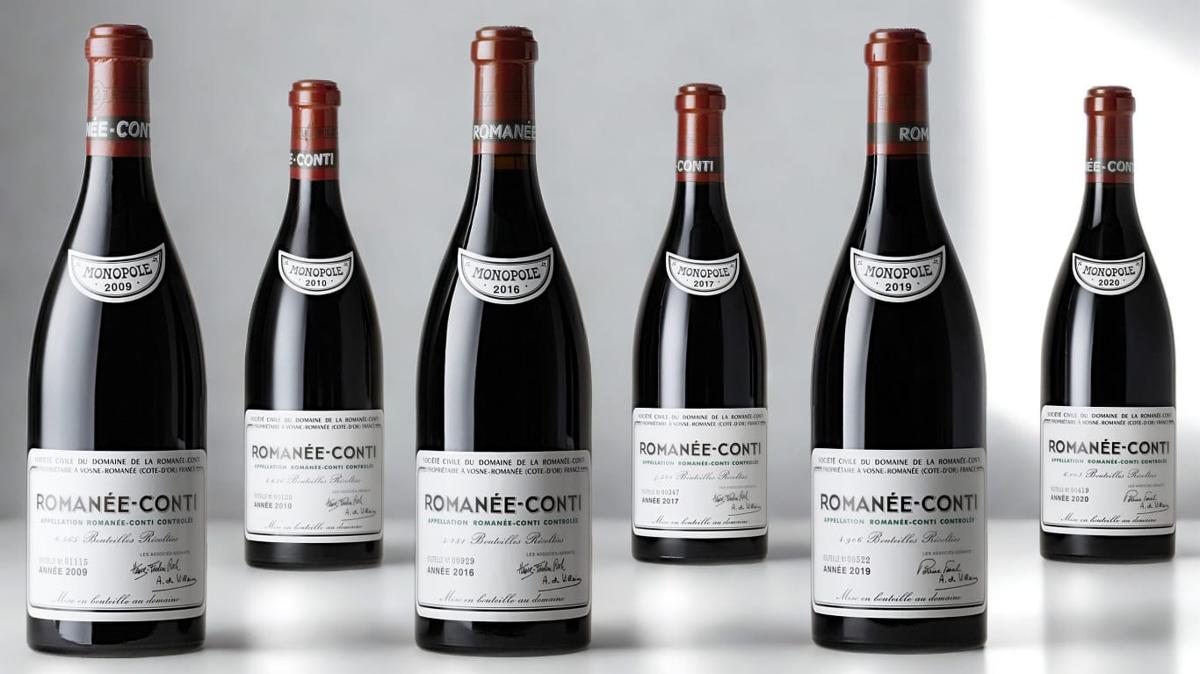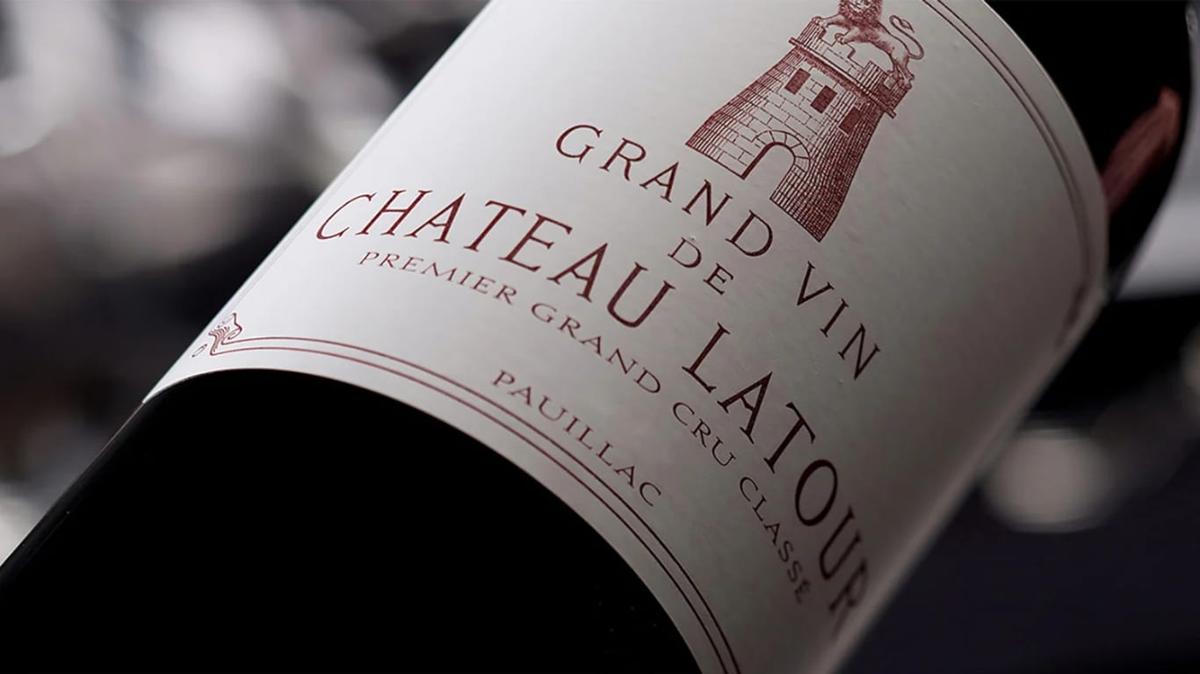

Fine wine gives you something most asset classes simply can’t — a chance to diversify beyond stocks and bonds into something tangible, time-tested, and genuinely scarce. Once you look at the historic returns and long-term performance, the differences between wine and other investments become hard to ignore. This guide walks you through why fine wine is attracting serious investor attention right now, what the numbers actually look like over time, and how you can get started. You’ll learn the real advantages of wine as an asset, the potential pitfalls worth knowing before you commit, and the criteria that separates investment-grade bottles from everything else. We’ll also cover strategies for building a diverse wine portfolio, the key forces that drive wine value up or down, and what proper storage and insurance actually look like. And if you’re ready to move, we’ll break down the platforms where you can put your money to work — whether you’re brand new to this or already deep in alternative assets.
Table of Contents
Why Invest In Fine Wine
Fine wine has quietly become one of the more compelling options for investors who want stable returns, real diversification, and something that holds its ground when markets get rough. This isn’t just a luxury collectible anymore. It’s a proven financial asset class with a track record that turns heads — and a set of structural advantages that most traditional investments simply can’t match.
Steady Growth and Strong Performance
Over the past five years, the Fine Wine 1000 index — a benchmark tracking the world’s most traded investment-grade wines — posted a 14.10% growth. But the real story lives in the subcategories. The Burgundy 150 index outperformed the broader wine market with an impressive 25.80% gain, while the Champagne 50 index surged by 51.30% across the same period. Those aren’t numbers you stumble across in a standard equity fund.
The historical data only strengthens the case. Over the last 15 years, investment-grade wine has delivered an average annualized return of 10.6%, outperforming many traditional markets. That long-term trajectory is driven by three forces working in your favor at once — a finite supply that never grows, global demand that keeps climbing, and a rising class of luxury buyers with serious purchasing power. understanding which wine styles hold value best becomes a real edge when you’re putting money to work in this space.
Bordeaux, Burgundy, and Champagne still anchor most serious wine portfolios, but the smart money is also watching emerging regions. Napa Valley and Barossa Valley are gaining real ground with global investors as their reputations for premium production continue to build.
Resilience During Economic Downturns
Fine wine’s low correlation with equity markets is one of its most valuable traits. When stock indices bleed, wine prices tend to hold steady — and history backs that up. During the 2008 global financial crisis and again through the COVID-19 economic shock, fine wine prices showed remarkable stability while the S&P 500 and FTSE 100 took serious hits. That kind of defensive performance is exactly what a well-constructed portfolio needs.
The reason comes down to supply dynamics. Wine gets consumed over time, which steadily shrinks the available inventory of older vintages and pushes prices higher by default. And unlike most assets, wine investment returns don’t take a beating from inflation the way bonds or cash do — making it a genuine hedge against economic instability, not just a talking point.
Global Market Trends and Wealth Expansion
The global fine wine market moves with wealth — and wealth is expanding fast. According to recent forecasts, the global ultra-high-net-worth individual population is expected to grow by 30% by 2030, with the sharpest expansions happening across Asia-Pacific and the Middle East. That demographic shift translates directly into rising demand for luxury assets, and fine wine sits squarely in the crosshairs of that spending. emerging Asian markets are already reshaping the fine wine investment conversation in ways that matter for your positioning today.
In 2024, despite short-term corrections in indices like the Liv-ex 1000, most seasoned experts read the environment as a strategic entry point rather than a warning sign. Fine wine corrections have historically been followed by strong rebounds. If your horizon is long, the current market setup actually works in your favor.
Why Fine Wine is a Smart Portfolio Diversifier
- Low Market Correlation: Fine wine exhibits minimal correlation with stock markets, making it an excellent asset for risk diversification.
- Limited Supply and Growing Demand: Fine wine’s finite nature ensures scarcity, especially for top vintages from renowned estates.
- Tax Efficiency: In many jurisdictions, profits from wine investments are exempt from capital gains tax, adding another layer of financial appeal.
- Global Demand: Increasing demand from emerging markets, particularly China, India, and the Middle East, is driving prices for premium bottles upward.
Fine Wine Investment in Numbers
- The fine wine market grew by 7.2% globally in 2024, according to the Liv-ex Fine Wine Market Report.
- Bordeaux wines represent 40% of global fine wine trade, followed by Burgundy (25%) and Champagne (15%).
- The average annual return on investment-grade wine has consistently ranged between 8% and 12%, depending on the vintage and provenance.
Forecast for Fine Wine Investments
The long-term outlook for fine wine investment returns is strongly positive. As global wealth expands and demand from emerging markets firms up, top vintages from the world’s most prestigious wineries are expected to appreciate steadily. Analysts are projecting a 5% to 8% annual growth rate for the global fine wine market over the next five years — a forecast that holds even under conservative assumptions.
And the entry points are getting more accessible. The rise of blockchain technology and tokenization is opening up fractional ownership structures and bringing a level of market transparency that didn’t exist before. These shifts are pulling in a new generation of digitally-native investors who want hard assets without the traditional barriers. If you’re curious how fractional models work across other collectible asset classes, fractional art investing offers a useful comparison.
Fine wine brings together tangible asset stability, a strong historical growth record, and a resilience against economic volatility that very few alternatives can match. Whether you’re a seasoned investor building out an alternatives sleeve or someone taking a first serious look at non-traditional assets, fine wine is worth a hard look for long-term financial growth and real portfolio diversification.

Historic Wine Investment Returns
For centuries, fine wine has carried with it a sense of luxury, heritage, and refinement. Collectors and enthusiasts have always prized it. But today, fine wine has earned a second identity — as a profitable investment class with a track record of strong returns and a reputation as a reliable store of value.
Investment-grade wine is no longer viewed as just a consumable luxury. It’s an alternative asset class capable of outperforming traditional financial markets like stocks and bonds. Its low correlation with equities makes it a genuinely attractive addition to a diversified portfolio — offering both stability and long-term upside at the same time.
Over the past decade, fine wine has shown consistent growth even through periods of serious global economic turbulence. The Liv-ex Fine Wine 1000 index, which tracks the most traded fine wines globally, recorded a 10-year growth rate of 146% by the end of Q4 2023, according to the Knight Frank Wealth Report 2024. That’s not a fluke — it’s a pattern.
Specific wine categories have outperformed the broader indices by a wide margin.
- The Liv-ex Champagne 50 index delivered outstanding 5-year wine investment returns of 39.5% as of August 2024, driven by increasing global demand and limited supply from renowned Champagne houses.
- The Liv-ex Italy 100 index, which tracks wines from prestigious Italian regions like Barolo and Tuscany, followed closely with 5-year returns of 22.9%.
- The Liv-ex Burgundy 150 index generated 5-year returns of 18.5%, highlighting the continued allure of Burgundy wines despite their limited availability and rising entry costs.
- Meanwhile, the Liv-ex Fine Wine 100 index, representing the broader wine market, reported 5-year returns of 9.1%, outperforming traditional benchmarks such as the FTSE 100, which returned 16.1% over the same period.
These figures explain why smart investors keep coming back to fine wine — recognizing its potential for long-term, stable returns even as traditional markets swing wildly.
One of the strongest reasons to put money into fine wine is its ability to deliver steady performance regardless of what the broader economy is doing. Fine wine investments have consistently outperformed traditional luxury assets across multiple market cycles.
- Fine wine recorded an average growth of 146% over the past decade, surpassing luxury cars, high-end watches, and contemporary art.
- Only rare whisky, with its remarkable 280% growth over the same period, outperformed fine wine in the luxury investment asset category.
- Fine wine’s inflation-hedging capabilities have further cemented its status as a reliable wealth preservation tool, particularly during inflationary cycles.
The fine wine market’s growth is being powered by rising global demand — and the bulk of that demand is coming from ultra-high-net-worth individuals and institutional investors who know what they’re buying. In 2024, over 35% of UHNWIs globally reported holding investment-grade wine as part of their portfolios. That kind of mainstream adoption among elite investors tells you something important about where this asset class stands.
Asia-Pacific and the Middle East have seen a surge in wine investment activity, with collectors from China, Singapore, and the UAE driving demand for top vintages from Burgundy, Bordeaux, and Champagne. The appetite is real, and it’s growing.
The rise of fractional ownership platforms and wine investment funds has also opened the door wider. Smaller investors who couldn’t previously access top-tier bottles now have viable entry points into this market — which only adds more buyers to an already demand-heavy equation.
In a period of economic uncertainty, fine wine has proven itself as a tangible inflation hedge. Unlike fiat currencies or paper-based assets, fine wine benefits from being both physical and finite. Every bottle consumed tightens the remaining supply, which pushes prices higher almost automatically. The Knight Frank Wealth Report consistently ranks fine wine among the top-performing passion investments for exactly this reason.
Fine wine also ages well — literally. Its long aging potential means you can hold assets for extended periods without depreciation, which puts it in a completely different category from other perishable goods.
Looking ahead, the global fine wine market is expected to keep moving upward. The key growth drivers are well established — expanding wealth in emerging markets, tightening supply of top vintages, growing institutional participation, and the democratizing effect of new investment platforms.
- Increasing demand from emerging markets, particularly in Asia.
- Continued scarcity of top-tier vintages from regions like Burgundy and Bordeaux.
- Technological advancements such as blockchain-based wine authentication and fractional ownership platforms, which are enhancing transparency and accessibility for investors.
- Sustainability initiatives in winemaking, appealing to environmentally conscious investors seeking ethical asset classes.

How to Start Investing in Wine
Getting into wine investing might feel complex at first glance, but it becomes much more manageable once you break it into clear steps. The process rewards patience and preparation — two qualities that also happen to define the best wine investments.
- Choose Your Investment Avenue:
- Individual Wine Bottles: Secondary markets and wine auctions offer a direct route to invest in individual bottles. Remember, this option requires adequate wine storage and potentially additional insurance to safeguard your investment.
- Wine Futures (En Primeur): This method allows investors to purchase wine before it’s bottled, often at a lower cost, providing an early investment advantage.
- Wine Stocks or ETFs: For those preferring not to deal with physical storage, investing in wine stocks or ETFs presents a viable alternative, tapping into the wine industry’s growth without the logistical challenges.
- Wine Investment Platforms: Platforms like Vinovest and Rally Rd. simplify the process by allowing investment in bottles of wine or other assets like whiskey, without the need for personal storage.
- Individual Wine Bottles: Secondary markets and wine auctions offer a direct route to invest in individual bottles. Remember, this option requires adequate wine storage and potentially additional insurance to safeguard your investment.
- Starting Small and Scaling:
- Initial Investment: Investors can begin with single bottles valued under $100 each, though it’s important to note that physical bottles require upfront costs for proper storage.
For a more hands-off approach, platforms like Vinovest offer curated portfolios based on AI algorithms and expert sommelier knowledge, requiring a higher initial investment but simplifying the storage and selection process.
- Initial Investment: Investors can begin with single bottles valued under $100 each, though it’s important to note that physical bottles require upfront costs for proper storage.
- Research and Expertise:
- Understanding the Market: Successful wine investment hinges on a thorough understanding of prestigious wine regions, valued vintages, and reputable winemakers. Keeping abreast of market trends is crucial.
- Seeking Guidance: For novice investors, consulting with a wine investment advisor can provide invaluable insights into wine selection, acquisition, and storage strategies.
- Learning the Basics: Familiarizing oneself with different wine regions, grape varieties, and vintages is fundamental. Knowledge of what influences wine prices, such as rarity and producer reputation, can significantly impact investment decisions.
- Understanding the Market: Successful wine investment hinges on a thorough understanding of prestigious wine regions, valued vintages, and reputable winemakers. Keeping abreast of market trends is crucial.
Whether you go through direct purchase, futures, stocks, ETFs, or a dedicated wine investment platform, the key is to start with a clear strategy and build on it as your knowledge of the market deepens. No one becomes a sophisticated wine investor overnight — and that’s actually part of what makes it interesting.

Advantages of Investing in Wine
Wine investing brings together a genuinely unusual mix of financial upside and personal reward. Very few asset classes can say the same.
- Diversification: Spreading investments across major wine regions like Burgundy, Champagne, and Italy can protect against market volatility and enhance portfolio stability.
- Historical Performance: Wine investing has shown a consistent 10.6% annual return over the last 15 years, often outperforming global equities and providing a cushion against real estate market fluctuations.
- Tax Advantages: Fine wine is often classified as a ‘wasting asset’, making profits from its sale generally exempt from Capital Gains Tax (CGT). Additionally, investors can avoid VAT and Duty with In-Bond storage, and income tax does not apply to wine investments.
- Appreciation Potential: The Liv-Ex 1000 (burgundy line) index’s tracking of the lower Bollinger band and a relative strength index value of 29.9 indicates an over-sold market, presenting an attractive buying opportunity. Moreover, supply diminishes over time, naturally increasing demand and potential value.
- Market Growth: The global wine market is projected to grow by 4.35% from 2024 to 2028, with sparkling wine leading the segment growth. This growth is complemented by wine’s increasing presence in ecommerce, albeit at a slower pace compared to spirits, beer, and RTD categories.
- Personal Enjoyment: Beyond the financial aspects, investing in wine can be a rewarding experience for enthusiasts who appreciate the craftsmanship and history behind each bottle.
From portfolio diversification and tax efficiency to the simple pleasure of collecting something you actually care about, wine investing has a multifaceted appeal that holds up well against most alternative asset options.
Disadvantages of Investing in Wine
Fine wine investing has real appeal, but going in with clear eyes means understanding the drawbacks too. Here’s what you should know before you commit capital.
- Volatility and Uncertainty: Wine prices can be volatile, with no guarantee of appreciation, making investments risky.
- Capital Gains Tax (CGT) Changes: Investors should note the CGT allowance is reducing to £3,000 at the start of the 2024/2025 financial year, potentially affecting returns.
- Long-term Commitment Required: Fine wine investments are often long-term, typically viewed as mid to long-term (at least 3-5 years), and may lack liquidity, making it challenging to sell quickly.
- Counterfeit Wines: The risk of encountering counterfeit wines is significant, complicating the verification of authenticity.
- Physical Damage: Bottles can be broken, damaged, or ruined, posing a risk to the investment.
- Storage Conditions: Fine wine is a tangible asset that requires professional storage to maintain condition, adding complexity and cost.
- Changing Consumer Tastes: The market is seeing a shift with premiumisation in wine slowing and a decline in volume for Champagne and premium-plus sparkling and still wines in the first half of 2023.
- Low and No-Alcohol Segment Growth: While wine dominates the low-alcohol space, expanding strongly, no-alcohol wine struggles with negative perceptions around quality and taste, highlighting the importance of market trends.
- Illiquid Markets and Economic Crises: Illiquid markets can mask true underlying volatility, and liquidity tends to matter most during economic crises or market downturns, potentially impacting wine investment returns.

Criteria for Choosing Investment-Grade Wines
Not every expensive bottle qualifies as a sound investment. Knowing what separates investment-grade wine from everything else is the foundation of any serious wine portfolio — and it’s worth understanding in detail before you start spending.
- Regions: Focus on established wine-producing regions known for their high-quality output, such as Bordeaux, Burgundy, Tuscany, Napa Valley, Chile, and Australia. These regions have a strong reputation in the wine market, contributing to the demand and potential value increase of their wines.
- Grape Varieties: Investment-grade wines often come from specific grape varieties that are highly sought after. Cabernet Sauvignon, Merlot, and Pinot Noir are examples of grape types that consistently produce wines with the potential for appreciation.
- Vintage: The year the wine was produced can significantly impact its value. Exceptional years that had favorable weather conditions for grape growing are more desirable. For instance, Bordeaux wine vintages to consider include both old vintages like 1949, 1953, 1955, 1959, and 1961, and more recent ones such as 2005, 2009, 2010, 2015, and 2018.
- Producer: Wines from reputable producers are more likely to appreciate in value. Names like Château Mouton Rothschild, Domaine Armand Rousseau, and Sassicaia, among others, carry a pedigree that is well-regarded in the wine investment community. Their wines are often in limited supply, further enhancing their investment appeal.
- Quality and Scarcity: Investment-grade wines are characterized by their high quality and limited availability. Wines that are difficult to obtain tend to appreciate more over time due to increased demand among collectors and investors.
- Critics’ Ratings: High scores from respected wine critics like Antonio Galloni, Neal Martin, Jancis Robinson MW, and James Suckling can significantly boost a wine’s market value. Wines that are highly rated are in greater demand, making them more likely to appreciate in value.
Strategies for Building a Diverse Wine Portfolio
Building a strong wine portfolio is a lot like crafting a serious blend — every element needs to complement the others, and the result should be greater than the sum of its parts. Here are the strategies worth following.
- Geographic Diversification:
- Invest in wines from different regions or countries to leverage unique qualities, reputations, and market dynamics. For instance, Bordeaux’s second wines are gaining attention for their investment potential, while lesser-known Italian regions like Abruzzo and Umbria offer unique opportunities.
- Emerging Markets: Keep an eye on markets showing promise, such as Italy, Spain, Australia, and the United States. These regions are home to vineyards that are quickly gaining a reputation for quality, providing a fresh perspective and diversification to your portfolio.
- Invest in wines from different regions or countries to leverage unique qualities, reputations, and market dynamics. For instance, Bordeaux’s second wines are gaining attention for their investment potential, while lesser-known Italian regions like Abruzzo and Umbria offer unique opportunities.
- Vintage and Winemaker Diversification:
- Vintages: Acquire wines from various vintages to ensure your portfolio isn’t overly dependent on a single year’s performance. This strategy mitigates risks associated with poor weather conditions or other factors affecting a specific vintage.
- Winemakers: Include wines produced by a range of winemakers, from established names to emerging talents. This allows investors to benefit from different styles, expertise, and market appeal, adding depth to the portfolio.
- Vintages: Acquire wines from various vintages to ensure your portfolio isn’t overly dependent on a single year’s performance. This strategy mitigates risks associated with poor weather conditions or other factors affecting a specific vintage.
- Investment Vehicles and Strategies:
- NFTs and Wine Futures: Explore non-traditional channels such as NFTs for wine investments, which are predicted to boom, and consider en primeur purchases for early investment advantages.
- Wine Stocks/ETFs and Funds: Diversify through wine stocks or ETFs as an alternative to direct bottle investment, and consider pooling capital in wine funds managed by experienced professionals for a diversified approach.
- Sustainability Focus: Invest in wineries committed to sustainable practices. Such wineries not only contribute positively to the environment but also have the potential for long-term growth and profitability, appealing to a growing segment of eco-conscious consumers.
- NFTs and Wine Futures: Explore non-traditional channels such as NFTs for wine investments, which are predicted to boom, and consider en primeur purchases for early investment advantages.
By combining these approaches, you can build a wine portfolio that’s genuinely diversified and positioned for growth, drawing strength from different market dynamics and multiple investment opportunities at once.

Key Factors Influencing Investment Grade Wine Value
Fine wine value doesn’t move in a vacuum. A specific set of forces shapes what a bottle is worth and where its price is headed — from macroeconomic conditions and climate pressures on wine regions to shifting consumer preferences. Understanding these factors gives you a real advantage when making buying and selling decisions.
- Economic Conditions and Interest Rates:
- The UK’s Consumer Price Index (CPI) inflation rate stands at 4% as of January 2025, with an anticipated four rate cuts throughout the year, reducing the base rate from 5.25% to 4.25%. This adjustment in interest rates can affect investment decisions, including those in the wine market.
- Exchange rate fluctuations are heavily influenced by the relative speed of global central bank rate cuts compared to the UK. These changes can impact the cost and value of imported and exported wines, affecting investment returns.
- The UK’s Consumer Price Index (CPI) inflation rate stands at 4% as of January 2025, with an anticipated four rate cuts throughout the year, reducing the base rate from 5.25% to 4.25%. This adjustment in interest rates can affect investment decisions, including those in the wine market.
- Climate Change and Sustainability:
- Climate change poses a significant threat to wine production, with rising temperatures and extreme weather events impacting harvest times, crop sizes, and grape quality. This environmental factor directly affects wine’s availability and quality, influencing its value on the market.
- Sustainability is becoming a priority among consumers, with two-thirds of regular wine drinkers in major markets considering it an important factor. This shift in consumer preference towards sustainable wines can drive demand and increase the value of wines from eco-conscious vineyards.
- Climate change poses a significant threat to wine production, with rising temperatures and extreme weather events impacting harvest times, crop sizes, and grape quality. This environmental factor directly affects wine’s availability and quality, influencing its value on the market.
- Market Dynamics:
- The first half of 2024 shows increased trading activity with top wines from iconic vineyards, signaling a potential market recovery. This uptick in activity can enhance the value of certain wines, making them more attractive to investors.
- Proper storage is essential for maintaining wine’s condition and value over time. Professional wine storage facilities ensure that wines are kept in optimal conditions until they are ready to be sold at a higher price, preserving and potentially increasing their investment value.
- The first half of 2024 shows increased trading activity with top wines from iconic vineyards, signaling a potential market recovery. This uptick in activity can enhance the value of certain wines, making them more attractive to investors.
Storage and Insurance Considerations
Your wine is only as valuable as the conditions it’s kept in. Proper storage and insurance aren’t optional extras — they’re core parts of protecting and growing your investment. Here’s what you need to know to make sure your fine wine ages well and stays covered.
Ideal Storage Conditions
- Temperature: Consistently keep at 55°F (13°C) to preserve the wine’s quality over time.
- Humidity: Maintain relative humidity levels between 60-70% to prevent cork drying and wine oxidation.
- Lighting: Store in a dark environment or use UV-resistant glass doors to protect wine from light damage.
- Positioning: Bottles should be stored horizontally to keep the cork moist and ensure a tight seal.
- Vibration: Ensure a vibration-free environment to avoid disturbing the wine’s sediment, which can affect aging.
- Ventilation: Adequate ventilation helps prevent mold growth and eliminates musty odors, preserving wine quality.
Systematic Organization and Insurance
- Organization: Systematically organize your wine collection for easy access and tracking, which simplifies management and ensures optimal aging conditions.
- Insurance: It is crucial to insure your wine collection against accidents, theft, or damage. Comprehensive insurance covers unforeseen events, offering peace of mind and financial protection.
Choosing the Right Storage Solution
- Home Cellar vs. Professional Storage: Depending on the size of your collection, you may opt for a home cellar or a professional storage facility. Professional facilities offer optimal conditions mentioned above and often include additional benefits like authenticity verification and comprehensive insurance.
- Vinovest Services: For those seeking a hassle-free option, platforms like Vinovest provide:
- Direct sourcing from wineries and global exchanges for best prices
- AI-driven technology for easy buying and selling
- Optimal storage in bonded warehouses with controlled humidity, temperature, and light
- Tax advantages due to no excise duty and VAT charges in bonded warehouses
- Low overall costs, including wine buying, fraud detection, storage, insurance, and portfolio management, with a 2.5% annual fee (1.9% for investments over $50,000)
- Direct sourcing from wineries and global exchanges for best prices
Budget carefully for insurance and storage facility costs — these are real line items that affect your net returns. A good rule of thumb is to assess how much you’re genuinely comfortable allocating to wine after accounting for these expenses and balancing them against your other, more liquid investment positions.

Platforms To Invest In Fine Wine
The market for fine wine investment has matured significantly, and so have the platforms that serve it. Here’s a closer look at some of the most notable options available to you right now.
- Vinovest:
- Services Offered: Allows building a wine portfolio without the hassle of seeking out or storing individual bottles, utilizing AI-driven solutions for portfolio creation and management.
- Accessibility: Offers a curated collection with a minimum investment of $100 and a recommended investment horizon of 3-7+ years. Forward-looking strategies include plans to introduce a secondary market.
- Global Reach: Founded in 2007 with a global footprint, storing wines in prestigious facilities like the London City Bond warehouse, and reaching enthusiasts across 83 countries.
- Services Offered: Allows building a wine portfolio without the hassle of seeking out or storing individual bottles, utilizing AI-driven solutions for portfolio creation and management.
- Wine Funds:
- Wine Source Fund and Vini Sileo Vineyard Fund: These funds offer investors an opportunity to invest in wine, but they require a long-term commitment and meeting minimum investment thresholds.
- U’wine: Offers services such as Cave INVEST and Cave CONSO, secure delivery, storage solutions, and a personal shopping service for wine investors. It’s established exclusively for US citizens with a curated collection and a minimum investment of $100.
- Wine Source Fund and Vini Sileo Vineyard Fund: These funds offer investors an opportunity to invest in wine, but they require a long-term commitment and meeting minimum investment thresholds.
- Blockchain and Tech-Driven Platforms:
- Winefi: Launching in 2024, this platform aims at democratizing fine wine investment by offering diversified investment-grade wine collections, valuable educational materials, and the ability to craft bespoke portfolios. It promises real-time buy/sell recommendations based on investment progress.
- Other Notable Platforms: Include blockchain-based trading platforms and companies offering private equity investing opportunities in wine. These platforms allow for buying and selling shares of fine wine, similar to trading stocks, and provide a wide range of wines, storage, and portfolio management services.
- Winefi: Launching in 2024, this platform aims at democratizing fine wine investment by offering diversified investment-grade wine collections, valuable educational materials, and the ability to craft bespoke portfolios. It promises real-time buy/sell recommendations based on investment progress.
You also have the option to explore wine stocks, funds, and futures as alternatives to holding physical bottles — broadening your exposure without the storage overhead. Whether you prefer direct investment in bottles or want to work through wine funds and tech-driven platforms, the fine wine market gives you multiple ways to build a position in this historically rich and genuinely rewarding asset class. And if you’re thinking about how wine fits alongside other alternative investments like specific varietals with growing collector interest, it’s worth mapping out your full alternatives allocation before committing.
FAQs
How Can I Start Investing in the Fine Wine Index?
To begin investing in the fine wine index, you have several options. You can purchase individual bottles, invest in shares of companies that produce or distribute wine, or explore securitized wine investment opportunities through specialized firms. This approach allows you to diversify your investment portfolio by including fine wine as an alternative asset
Is Investing in Fine Wine Advisable?
Investing in fine wine can be a worthwhile venture, offering decent returns over an extended period. Although it might not yield as high returns as real estate or certain financial instruments, fine wine is considered a viable alternative asset that can diversify your income sources.
What is the Minimum Investment Required for Fine Wine?
To embark on an investment journey in fine wine, it’s generally recommended to have at least $10,000 at your disposal, but you can start with as little as $100. Similar to the strategy of diversifying investments in stocks and bonds, investing in a variety of wines from different regions and vintages can optimize your investment portfolio.
What Are the Expected Returns from Wine Investment?
Historically, investing in wine has delivered an annual return of 8.5% over the past 120 years. This figure underscores wine’s potential as a profitable investment option over the long term.