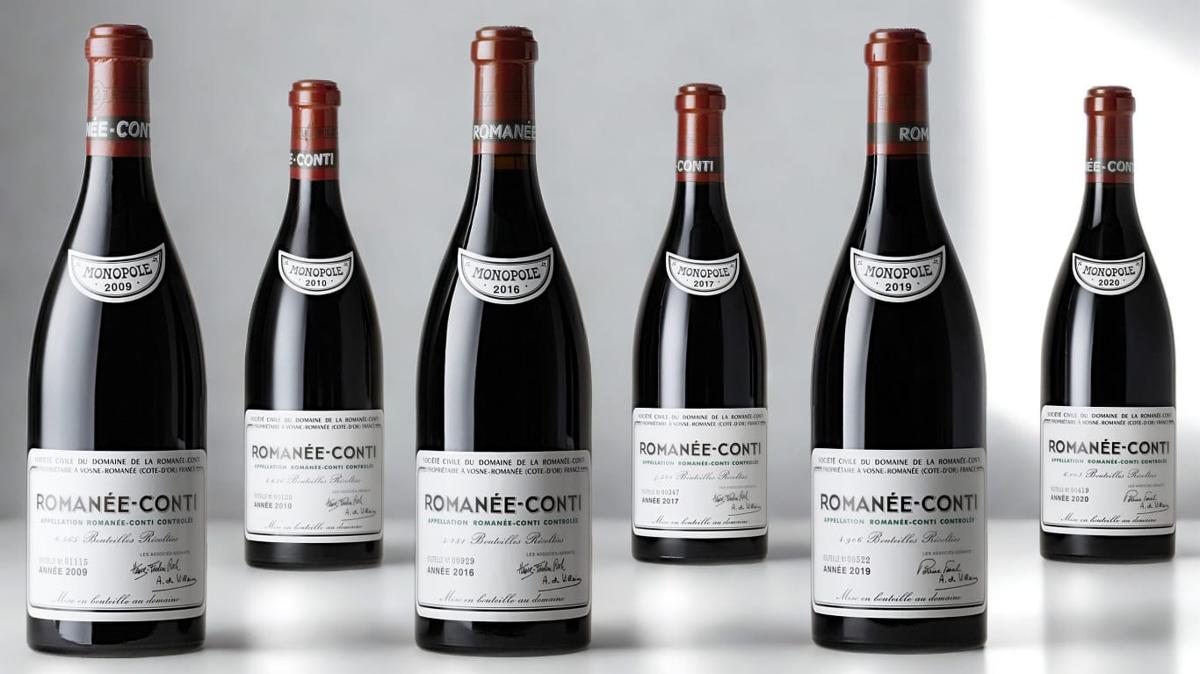
Climate disruption is reshaping the global wine landscape faster than any other structural factor across the past two decades. The wine regions most vulnerable to climate change sit at the centre of how serious collectors think about long-arc cellar building, because the named-producer top tier of fine wine sits geographically across exactly the regions under most structural pressure.
This is our editorial read on which wine regions face the most acute climate exposure, which named producers are adapting, and what the structural reshape means for serious cellars through 2030.
According to OIV climate-impact data tracked across the past decade, the European wine regions under most acute climate stress include Bordeaux, Languedoc-Roussillon, Spanish Rioja and Ribera del Duero, southern Italian regions including Sicily and Puglia, and the named Greek wine regions. The compound effect across multi-year horizons sits at the centre of the broader fine-wine production picture.
Key Takeaways & The 5Ws
-
You should understand that global wine growing areas have warmed by 1.
8°C since 1950, fundamentally altering the flavors and styles in your glass.
- You can protect your cellar investments by learning which southern European regions like Andalusia, Sicily, and the Douro Valley face the most severe climate threats.
- You need to recognize that earlier harvests and collapsing acidity levels are already changing the taste profiles of wines you may have enjoyed for years.
- You should pay attention to late frost events, which paradoxically increase as temperatures rise and can devastate harvests like Burgundy’s 2021 crop loss of up to 50 percent.
- You can make more informed purchasing decisions by following how forward thinking producers track vapor pressure deficit and diurnal temperature range to assess vintage quality.
- Who is this for?
- Wine enthusiasts, collectors, sommeliers, and investors who want to understand how climate disruption is affecting the regions and bottles they care about most.
- What is it?
- The accelerating impact of wine regions climate change on viticulture, including rising temperatures, shifting precipitation, earlier harvests, and declining wine quality across vulnerable growing areas.
- When does it matter most?
- Right now, as global warming is actively reshaping harvest windows, grape chemistry, and regional viability in ways that are already visible in current and recent vintages.
- Where does it apply?
- The threat is most acute across southern European regions including Andalusia, Sicily, the Douro Valley, and the Rhône Valley, though wine growing areas worldwide are affected.
- Why consider it?
- Understanding these climate risks helps you make smarter wine choices, protect long term cellar investments, and appreciate the profound transformation happening to a centuries old agricultural tradition.
The wine regions under most acute climate stress
Bordeaux sits at the centre of the European climate-stress picture. The named Pauillac, Saint-Julien, Saint-Estèphe, and Margaux appellations on the Left Bank continue to function across rising temperatures, but the structural impact on grape-variety composition is real. Cabernet Sauvignon, which forms the structural backbone of Left Bank named-producer blends, is increasingly stressed at higher temperatures.
Merlot, which provides the structural counterpoint, is showing yield variability across consecutive years.
The named Burgundy domaine tier sits at the structural boundary of climate impact. The Côte de Nuits and Côte de Beaune Grand Cru tier continues to produce wines at structural quality levels, but the structural ageing patterns across recent vintages are shifting. Pinot Noir at the named-domaine tier is showing structurally higher alcohol levels and earlier harvest dates across the past decade.
The named Italian top tier (Piedmont, Tuscany, Sicily) sits across a range of climate-stress exposures. Piedmont's named Barolo and Barbaresco continues to function across rising temperatures, but the structural impact on Nebbiolo (which requires extended slow ripening to develop structurally) is real. Tuscany's named Brunello di Montalcino and wine regions across the named Super Tuscan landscape continue to function across the climate variability but with meaningful structural adaptation requirements.
The compound effect on production volume
The structural climate-stress impact on production volume across European wine regions has been sharpening across recent years. Portugal's 2025 wine production fell 14% to a decade-low level, primarily climate-driven. France's 2024 harvest came in roughly 11% below the 10-year average.
Italy's 2023 harvest came in at a multi-decade low.
The compound effect on producer cash flow and category-pricing dynamics is sharp. The structural mid-tier of European wine producers is under genuine consolidation pressure across the climate volatility, while the named-producer top tier continues to absorb the variability through structurally larger reserve-wine stocks and multi-year cellaring dynamics.
The category implications for serious cellar building sit primarily in the named-producer top tier, where the structural resilience continues to function across the climate variability. The broader mid-tier is under genuine pressure that compounds across multiple multi-year horizons.
The named-producer adaptation strategies
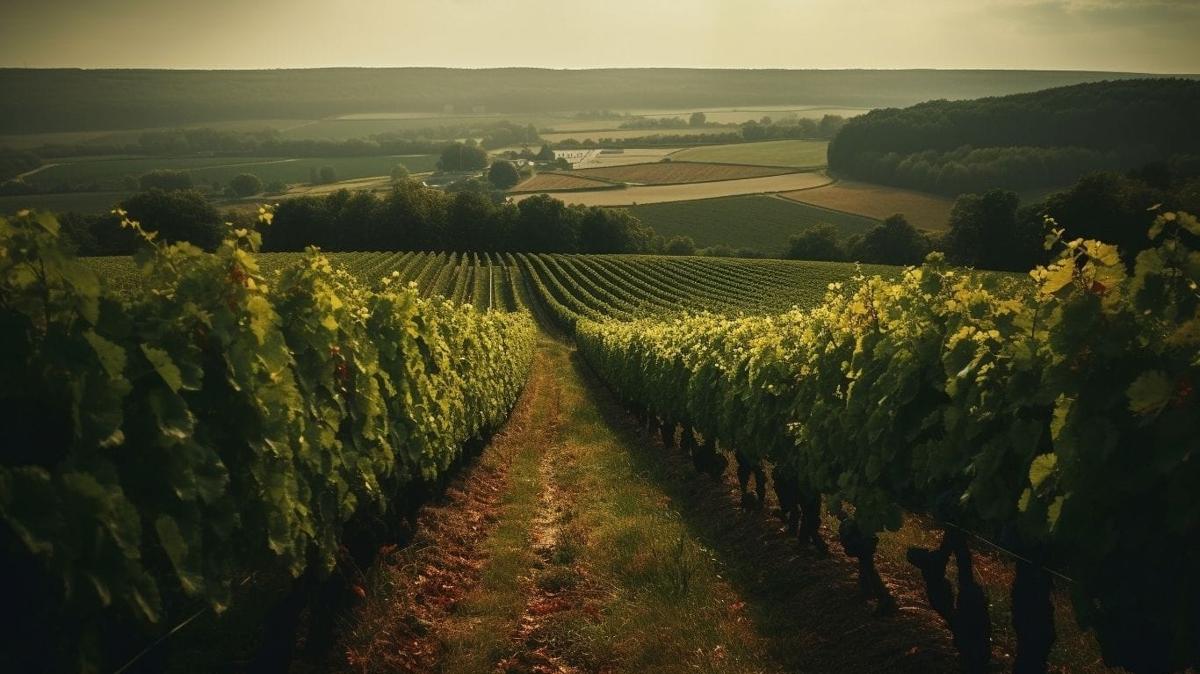
The named-producer top tier across European fine wine has been adapting structurally across the past decade. Bordeaux First Growth châteaux have been experimenting with grape-variety composition adjustments, including increased Petit Verdot and Cabernet Franc proportion in named blends. Named Burgundy domaine producers have been adjusting canopy management, harvest-date timing, and structural vineyard work to address rising temperatures.
The named Italian top tier has been adapting through grape-variety experimentation, altitude vineyard expansion, and structural irrigation infrastructure. The named Tuscan Super Tuscan tier has been investing meaningfully in structural adaptation, and the named Piedmontese Barolo tier has been adjusting harvest-date and canopy-management work to address Nebbiolo's structural temperature sensitivity.
The structural adaptation across the named-producer top tier matters for the long arc of the category. The named producers continue to invest in vineyard work, structural infrastructure, and the multi-decade quality reputation that anchors serious cellar building. The category implications across the next decade are meaningful, with the named-producer top tier structurally well-positioned to continue functioning across the climate variability.
The emerging regions benefiting from climate shift
The climate-stress picture also includes structural beneficiaries. English sparkling wine continues to grow across the climate-driven expansion of Sussex and Kent named-producer base. The named Northern German Mosel Riesling tier continues to function at structurally higher quality levels across rising temperatures.
The named English vineyard base across Sussex, Kent, and Hampshire has been expanding meaningfully across the past decade.
The structural beneficiaries also include the named Canadian Niagara tier and the named US Oregon Willamette Valley tier, both of which continue to expand structurally across rising temperatures and shifting climate patterns. The named producer base in these regions has been investing meaningfully in vineyard expansion and structural quality reputation across the past decade.
For broader context on the structural demand-side impact across the wine category, see how demand-side disruptions like China's alcohol restrictions can reshape the fine wine market overnight, which compounds alongside the climate-stress picture across multiple structural dimensions.
 Screaming Eagle Has Never Been Harder To Acquire" class="wp-image-26395">
What this means for serious cellar building
The structural climate-stress impact across European fine wine reinforces the named-producer top-tier cellar architecture. The named First Growth Bordeaux, named Burgundy domaine Grand Cru, named Italian Super Tuscan and Piedmont, and named Champagne prestige cuvée tiers all continue to function across the climate variability with meaningful structural resilience.
The broader mid-tier across European wine is under genuine pressure, with the climate-stress compound effect compressing structurally mid-priced producer cash flow and category positioning. Serious cellar building should weight allocation more heavily toward the named-producer top tier than the broader mid-tier across the rest of the decade, given the structural resilience picture.
The structural beneficiaries (English sparkling, Canadian Niagara, US Oregon Willamette, German Mosel Riesling at the named-vineyard tier) deserve meaningful cellar attention for the structural value-to-quality ratio and the broader category expansion. The named-producer top tier across these emerging regions continues to build serious-collector positioning.
The long arc through 2030
Climate disruption will continue to reshape the global wine landscape across the rest of the decade. The structural drivers (rising temperatures, irregular rainfall patterns, compound stress events) are not slowing. The named-producer top-tier resilience continues to function across the variability, and the structural mid-tier pressure continues to compress meaningfully.
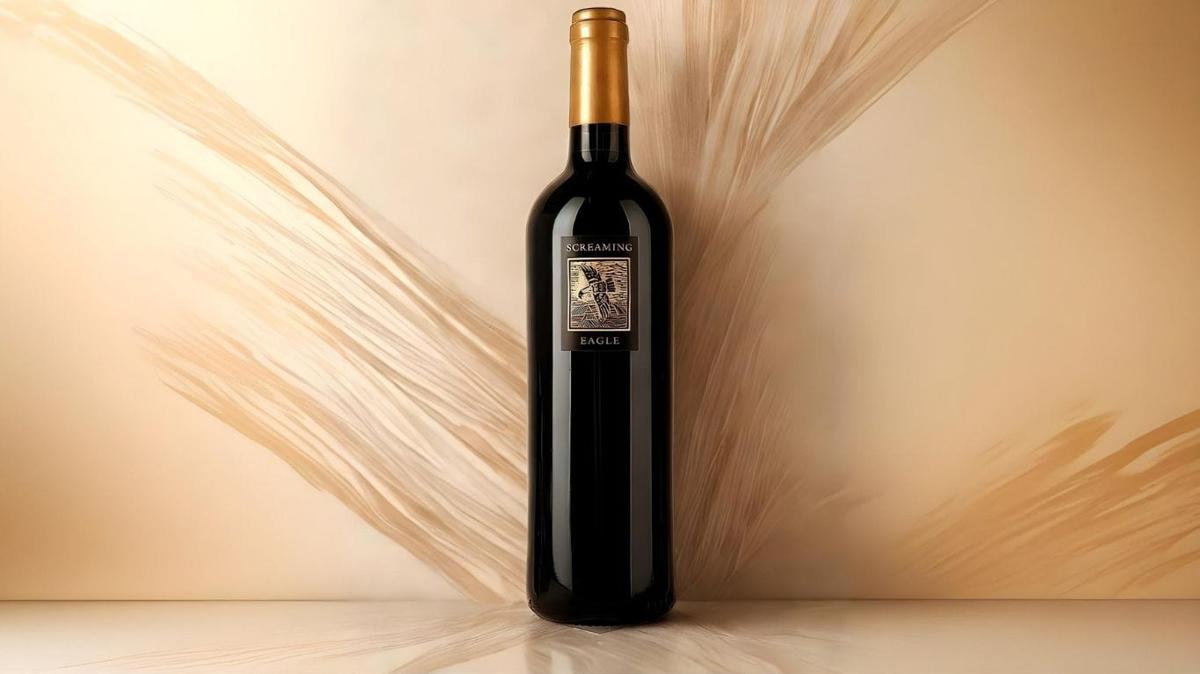
The category implications for serious cellar building remain structurally favourable for the named-producer top tier. The broader mid-tier carries genuine consolidation pressure that compounds across multiple multi-year horizons, and the structural shift toward named-producer allocation across the cycle continues. For deeper context on how scarcity dynamics reshape category positioning, see Screaming Eagle Has Never Been Harder To Acquire and the story of how China's alcohol restrictions reshaped global wine demand overnight.
What we watch next
Three signals will tell us how the climate-stress picture evolves through 2027. First, the OIV annual production data, particularly across the major European wine regions. Second, the named-producer release patterns and harvest-date data across the structural top tier.
Third, the broader category-pricing dynamics on the Liv-ex 1000 and at the auction houses across the named-producer top tier.
The climate-driven reshape of the global wine landscape continues. Serious cellar building benefits from named-producer top-tier allocation across the cycle, and the structural picture continues to support patient cellar planning across multi-decade horizons. For broader collector context, see also rise.
We last reviewed this analysis in May 2026.