China's structural alcohol restrictions through the 2020s have erased roughly a third of the country's wine market against the 2017 peak. The story is rarely told in those terms, because the broader category narrative on Chinese wine demand focuses on consumer trade-down and economic slowdown. The regulatory-policy thread is the structural anchor underneath both.
This is our editorial read on what happened, what it means for the global fine-wine category, and which markets are absorbing the structural shift in Chinese demand.
According to OIV and China Alcoholic Drinks Association data tracked through 2025, Chinese total wine consumption has fallen from the 2017 peak of roughly 17. 9 million hectolitres to roughly 11. 2 million hectolitres in 2024.
The decline of 37% across seven years is one of the sharpest structural compressions of any major wine market in modern record.
Key Takeaways & The 5Ws
- China’s wine market has shrunk to roughly one third of its former size, with domestic production at historic lows.
- A May 2025 alcohol ban at official events wiped out the banquet channel that had fueled premium imports and high-end domestic brands.
- Luxury wines and Baijiu tied to state and corporate entertaining have taken the biggest hit, while $10–$30 everyday wines serving real consumers have proved more resilient.
- A younger, mostly female cohort is driving demand for whites, sparkling wines, and “micro-intoxication” styles that fit Chinese food and lifestyle.
- Digital platforms, especially Douyin livestream commerce, are now the central battlefield, reshaping how brands reach and convert Chinese wine drinkers.
- Who is this for?
- Global and domestic wine producers, importers, distributors, and investors reassessing China after the 2025 austerity shock and looking for durable consumer demand rather than policy-driven spikes.
- What is changing?
- A structural reset: banquet-driven premium wine demand is collapsing, everyday wine remains viable, and growth is shifting toward younger consumers, lighter styles (white and sparkling), and digital-first distribution.
- When is the inflection?
- 2025–2026, following the May 2025 alcohol ban at official events and the subsequent production and import declines that exposed how fragile the old banquet-led model was.
- Where is the new market forming?
- Across mainland China’s wine ecosystem, moving away from official and legacy channels toward end-consumer platforms and retailers such as Douyin, Tmall, JD.com, and modern offline networks built around real household demand.
- Why does it matter?
- Because the long-term opportunity in China is no longer government banquets; it is winning real consumers with relevant styles, sharp pricing, and digital storytelling that converts, building brand loyalty that can survive policy and macro shocks.
What happened, in structural terms
China's alcohol consumption restrictions tightened across multiple regulatory tiers from 2017 onwards.
The structural drivers included the official anti-corruption campaign that targeted high-end gifting and entertainment categories, the structural compression of state-enterprise entertainment budgets, and the broader public-health policy shift toward reduced alcohol consumption.
The compound effect across the wine category was sharp. The structural buyer base for premium imported wine (state enterprises, named real-estate developers, mid-tier corporate gifting) compressed meaningfully. The structural retail base for premium wine (luxury hospitality, named restaurant groups) also compressed against the broader consumer trade-down.
The category implications across Bordeaux pricing were profound. Bordeaux First Growth pricing peaked alongside Chinese demand in 2017 and has spent the subsequent years working through the structural compression. The Liv-ex Bordeaux 500 still sits well below its 2017 cycle peak.
The named producers most exposed
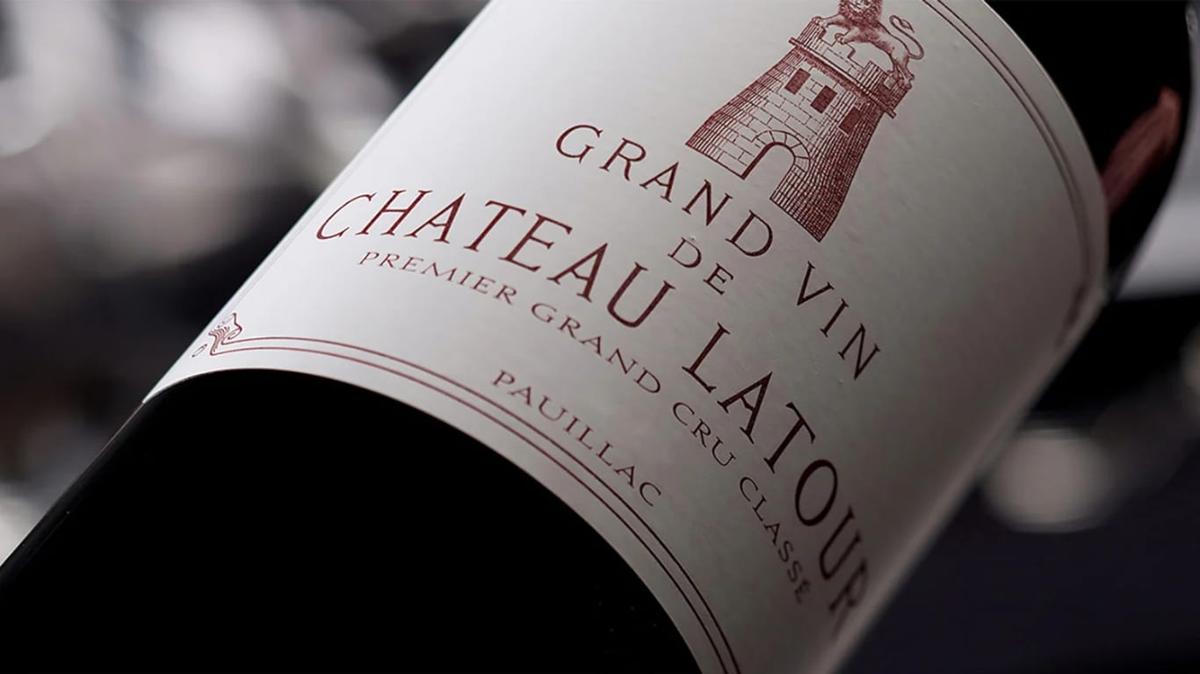
The structural exposure to Chinese demand sat primarily in the named-producer top tier of European wine. Bordeaux First Growth (Lafite Rothschild in particular, with strong historical Chinese collector positioning) was the most exposed individual category. The broader Pauillac and Saint-Julien Second Growth tier carried meaningful exposure alongside.
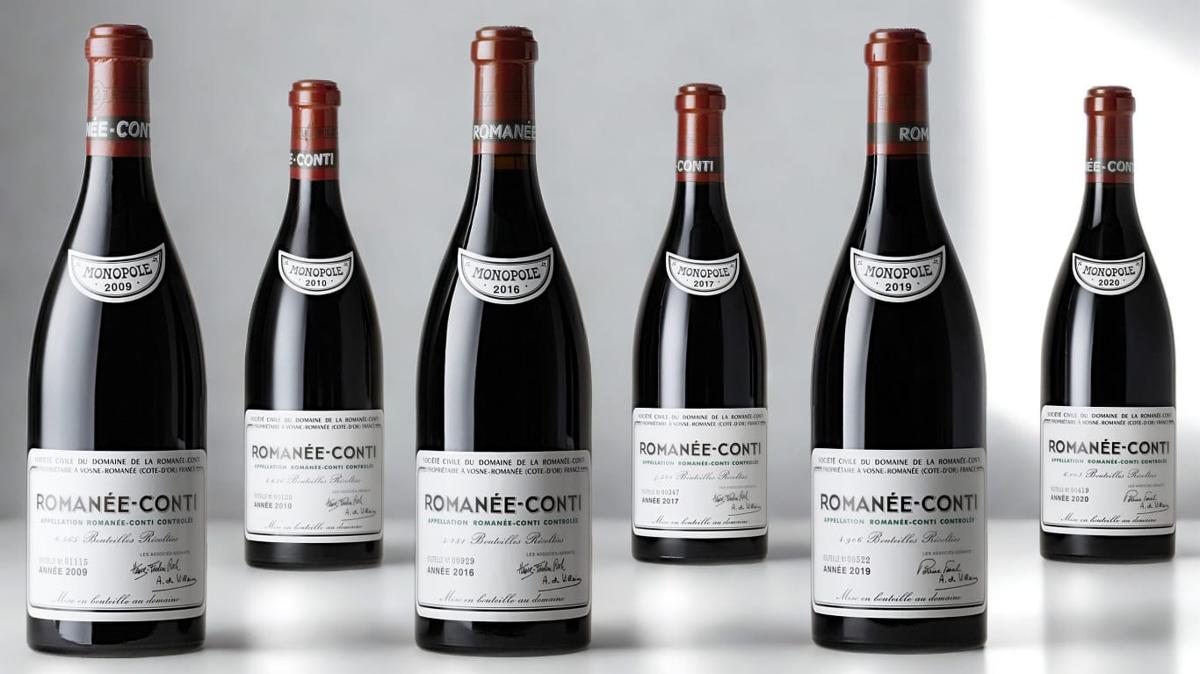
The named Burgundy domaine tier (Domaine de la Romanée-Conti, the broader Côte de Nuits named-producer base) was less exposed, partly because the structural Chinese buyer base for Burgundy was thinner than for Bordeaux at peak. The named Champagne house tier carried meaningful exposure through the gifting and entertainment categories, particularly at Cristal, Dom Pérignon, and the broader prestige cuvée tier.
The structural compression has worked through the secondary market across the past seven years. The pricing has reset meaningfully lower for the named producers most exposed to Chinese demand, particularly in the Bordeaux First Growth tier. The category will continue to work through the structural shift across the rest of the decade.
Where the displaced demand is showing up
The structural Chinese demand compression has been absorbed unevenly across other major fine-wine markets. US buyer participation has grown share at the named-producer top tier, particularly across Burgundy and Champagne. Hong Kong and Singapore have continued to function as the structural Asian fine-wine markets, with both showing meaningful share gains across recent years.
Northeast Asian buyer participation (Japan, South Korea, Taiwan) has built share particularly at the named Burgundy domaine tier and the named Champagne prestige cuvée tier. The broader emerging-market participation, including the rise of named markets across southeast Asia and the Middle East, has compounded the broader structural reshape.
For the broader context on how Chinese demand has reshaped the global wine landscape, we have written separately on Major Wine Brands Are Pulling Back From China Due To Market Slowdown.
 Major Wine Brands Are Pulling Back From China Due To Market Slowdown" class="wp-image-30800">
The structural implications for fine-wine pricing
The named-producer top tier of European fine wine has worked through a structural pricing reset across the past seven years. Bordeaux First Growth pricing has reset roughly 25% to 35% below the 2017 cycle peak across multiple named producers. The category implications run across the secondary market: Liv-ex trade volumes, auction clearance rates at Sotheby's Wine and Christie's Wine, and the structural buyer base composition have all reshaped.
The broader fine-wine recovery picture (which we have written about in Major Wine Brands Are Pulling Back From China Due To Market Slowdown and the broader category context) sits inside this structural backdrop. The recovery is real, but it is happening at structurally lower price levels for the named producers most exposed to historical Chinese demand.
The broader category implications for serious collectors building positions are favourable. The named-producer top tier is structurally more accessible at current price levels than at any point since 2014 to 2015. The structural compression has created entry points that did not exist at the 2017 cycle peak.
What this means for serious collectors
The named-producer top tier of European fine wine continues to anchor serious cellar building across the structural pressure. Bordeaux First Growth, named Burgundy domaine, named Champagne prestige cuvée, and the named Italian fine-wine top tier all continue to produce wines at quality levels that anchor multi-decade cellar architecture.
The structural compression has improved the value-to-quality ratio at the entry tier of the named-producer category. Serious collectors building positions now can access wines at structurally favourable prices that the 2017 cycle did not allow. The category implications run across multi-year cellar-building horizons.
The broader emerging-market and alternative-asset context (including alternative asset investors have observed across multiple passion-asset categories) sits alongside the structural fine-wine compression. The category continues to function as one of the structural anchors of serious collector positioning, even as the regional buyer-base composition has reshaped.

The longer-term outlook
Chinese wine consumption is unlikely to return to the 2017 cycle peak within the rest of the decade. The structural regulatory drivers remain in place, the broader consumer trade-down across Chinese alcohol categories continues, and the named-producer structural buyer base reshapes will not reverse meaningfully across the near term.
The broader category continues to absorb the structural shift across other markets. US, Northeast Asian, and emerging Asian buyer participation has rebuilt the named-producer top-tier pricing structure at lower absolute levels than the 2017 cycle but at meaningfully more diversified buyer bases. The structural resilience of the category sits in that diversification.
For the broader entrepreneurial-and-investment context that sits alongside the wine category through this cycle, we have also written on deploy capital into emerging consumer brands and related categories that share underlying market dynamics.
What we watch next
Three signals will tell us whether Chinese wine demand stabilises or continues to compress through 2027. First, the OIV annual consumption data, particularly across the urban middle-class cohort. Second, the auction clearance data at Sotheby's Wine, Christie's Wine, and Acker for Bordeaux First Growth releases.
Third, the structural Hong Kong and Singapore buyer-base participation through the December 2026 sale calendar.
The Chinese wine market story is not over. But its structural role in the global fine-wine demand picture has reshaped meaningfully, and serious collectors building positions need to work with the new structure rather than the old one.
We last reviewed this analysis in May 2026.