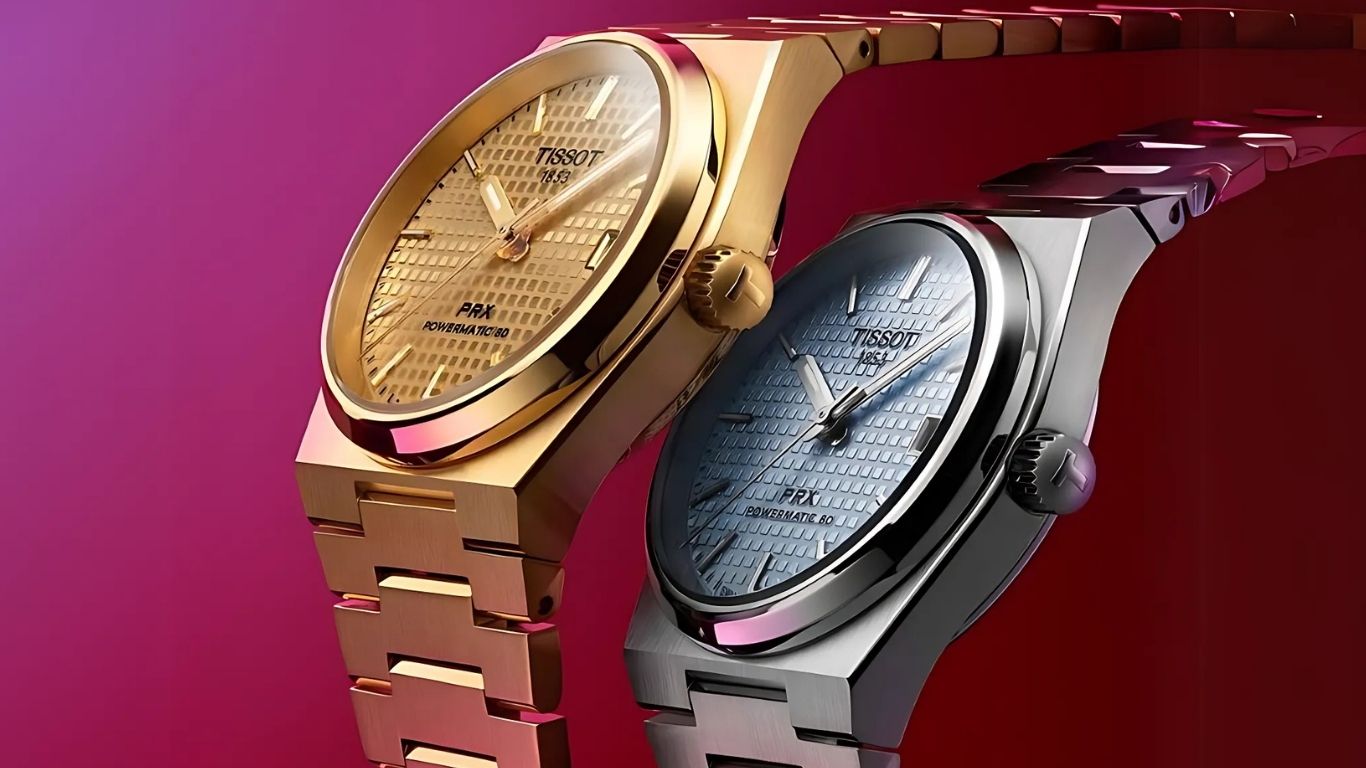

The Tissot PRX has become one of 2025’s most talked-about watches, dominating social media feeds and YouTube reviews with its integrated bracelet design and accessible pricing. This surge of attention has positioned the PRX as an affordable design piece that brings integrated bracelet aesthetics to budget-conscious collectors without the six-figure price tags of its luxury inspirations.
However, beneath the enthusiastic reviews and Instagram posts lies a sobering financial reality that potential buyers must confront. Despite generating tremendous buzz across watch communities, the PRX falls dramatically short as a true investment asset.
The numbers reveal a watch that loses value quickly, trades well below retail prices, and shows none of the characteristics that define successful horological investments.
For anyone considering the PRX as more than just a stylish accessory, the market data paints a clear picture of what happens when social media hype collides with the harsh economics of watch depreciation.
Table of Contents
- The Tissot PRX has become one of the most visible watches on social media and YouTube, but its popularity is driven by styling and price, not by long-term investment fundamentals.
- Most PRX references lose roughly 30–50% of their value from retail, with quartz models often faring worst and even automatics rarely holding more than 60–65% in typical secondary-market conditions.
- High production volume, frequent new colorways, and multiple variants dilute scarcity and limit collector intrigue, which are essential ingredients for genuine investment-grade performance.
- Compared with other entry-level Swiss and Japanese options (Hamilton, Longines, Seiko Presage), the PRX generally offers weaker value retention and a thinner, less “sticky” enthusiast base.
- As a result, the PRX works best as a design-forward everyday watch you buy to wear and enjoy, not as a vehicle for capital appreciation or long-term portfolio diversification.
- Investors who care about resale and downside protection should treat the PRX as a disposable style purchase and direct serious capital toward scarcer, higher-prestige references instead.
- Who is this for?
- New watch buyers, design-focused enthusiasts, and investors who might be tempted to treat the Tissot PRX as an “investment watch” because of its online visibility and integrated-bracelet aesthetic.
- What is the core message?
- The PRX is a style-driven, mass-produced watch with weak value retention that should be framed as an affordable fashion or daily-wear piece rather than a serious investment asset.
- When does this matter most?
- It matters now, as PRX hype peaks around 2025 and buyers risk confusing social media momentum with long-term value, locking in avoidable depreciation if they pay full retail.
- Where is this playing out?
- Across global retail channels and secondary platforms—boutiques, online ADs, grey-market dealers, and resale sites—where the gap between list price and market price is clearly visible.
- Why does it matter?
- Because investors who blur the line between “cool watch” and “investment asset” risk turning capital into pure consumption. Understanding the PRX’s true economics helps you decide whether to buy it for style, skip it entirely, or redirect funds toward models with stronger ROI characteristics.
How Did The Tissot PRX Become So Popular In 2025?
The Tissot PRX exploded in popularity because it delivers the integrated-bracelet look of 1970s luxury icons at a few hundred dollars instead of five or six figures. Social media and YouTube creators amplified that appeal, turning the PRX into a “default recommendation” for new collectors who want a trendy, retro-styled watch without luxury pricing.
The PRX reissue capitalizes strategically on the integrated bracelet trend that has dominated luxury watch design in recent years, yet this positioning reveals imitation rather than innovation. The watch draws heavily from 1970s aesthetics during an era when Royal Oak and Nautilus designs command extraordinary premiums, but the PRX connection to these luxury icons highlights derivative design choices rather than original creative vision.
Retro design appeal remains fundamentally trend-driven, which creates significant risk as fashion cycles inevitably shift. What feels fresh and exciting today may appear dated or derivative tomorrow, particularly when the design borrows so heavily from established luxury templates without adding meaningful innovation or exclusivity.
Market positioning relies more heavily on nostalgia than genuine exclusivity or collector prestige. While luxury integrated bracelet watches succeeded by combining scarcity with iconic design, the PRX attempts to democratize the aesthetic without the underlying value drivers that make those luxury pieces appreciate over time.
This approach may sell watches initially but fails to create the sustained demand necessary for investment performance.
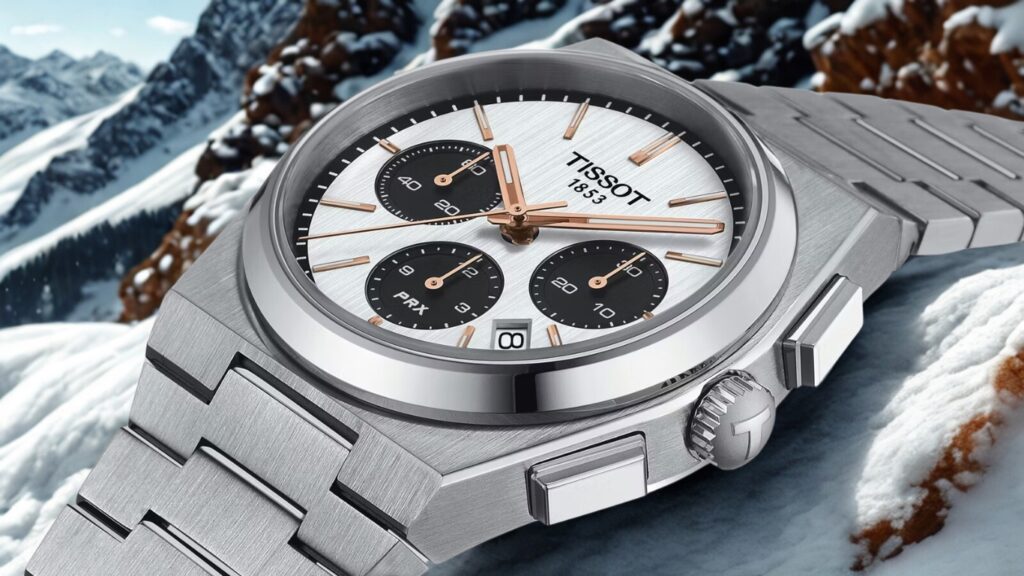
Why Is The Tissot PRX Overhyped Among Watch Collectors?
The PRX is overhyped because online coverage focuses on design and price while ignoring long-term value retention and sheer production volume. Endless colorways, quartz and automatic variants, and constant new releases have diluted any sense of scarcity, so collectors treat it as a fun fashion watch rather than a serious investment piece.
Social media and YouTube reviews have fueled extraordinary PRX hype that bears little relationship to intrinsic investment value. The watch has become a content creator favorite precisely because its affordability and distinctive design generate engagement, but this visibility creates artificial enthusiasm disconnected from actual collector demand or long-term value retention.
Popularity rests almost entirely on affordability rather than scarcity or prestige factors that drive investment-grade timepieces. The PRX succeeds by offering an integrated bracelet design at accessible prices, but this value proposition works against investment potential since broad accessibility inherently prevents the supply constraints that create appreciation.
The market has become flooded with endless colorways and both quartz and automatic options, systematically diluting any pretense of exclusivity. WatchCharts data shows numerous PRX variants across different movements and dial configurations, creating oversupply that prevents individual references from developing the focused collector demand necessary for value growth.
Collectors consistently treat the PRX as a “fun piece” rather than a centerpiece investment, revealing how the market actually perceives the watch despite marketing enthusiasm. This casual positioning indicates that even PRX advocates recognize its limitations as a serious horological asset.
What Are The Real Market Prices And Resale Performance Of The Tissot PRX?
Secondary-market data shows most Tissot PRX models trading well below retail, with many references losing roughly 30–50% of their value once they leave the boutique. Even popular Powermatic 80 and chronograph variants typically resell at a steep discount, and there is no consistent evidence of appreciation over time.
Current retail pricing ranges from approximately $400 to $900 depending on movement and configuration, presenting attractive entry points that mask weak long-term financial prospects. WatchCharts reveals dramatic gaps between retail and market pricing across the PRX lineup that expose the depreciation reality facing buyers.
The Powermatic 80 automatic versions show particularly steep depreciation.
WatchCharts data places retail pricing around $780 for certain references while market values collapse to approximately $382 to $399, representing massive losses for original purchasers. Some quartz versions perform even worse, with retail prices near $420 dropping to market values around $213, representing roughly 50% depreciation.
Real marketplace listings confirm these troubling patterns with good condition PRX Powermatic 80 watches frequently appearing at $450 to $600, representing substantial discounts from retail depending on specific variants.
Reddit community feedback reinforces this reality, with users reporting “PRX Powermatic retails for $725, grey markets for $525, and sells used in good condition for $400,” documenting approximately 45% drops from retail to used pricing.
WatchCharts risk assessment provides perhaps the most damning evidence against PRX investment potential. The PRX Powermatic 80 ref. T137.407.11.051.00 receives a risk score of 76 out of 100, labeled “Extreme Risk” by their analysis.
Over the past year, this reference declined roughly 8.5% in secondary markets while performing worse than overall market averages, indicating sustained downside pressure.
Additional reference-specific data reinforces weak performance patterns. The PRX ref T137.410.11.031.00 shows retail pricing around $420 against market values near $218, representing approximately 52% of retail value retention.
The PRX Chronograph T137.427.11.041.00 demonstrates retail pricing near $1,700 dropping to market values around $1,058, representing roughly 38% depreciation. Even the quartz variant T137.410.16.041.00 shows retail pricing around $390 falling to market values near $227, retaining only about 58% of retail value.
Liquidity remains severely limited compared to established brands like Rolex, Omega, or even sibling brand Longines. WatchCharts places the average Tissot watch price at approximately $400, with the PRX collection showing that same average, indicating no premium positioning even within Tissot’s own portfolio.
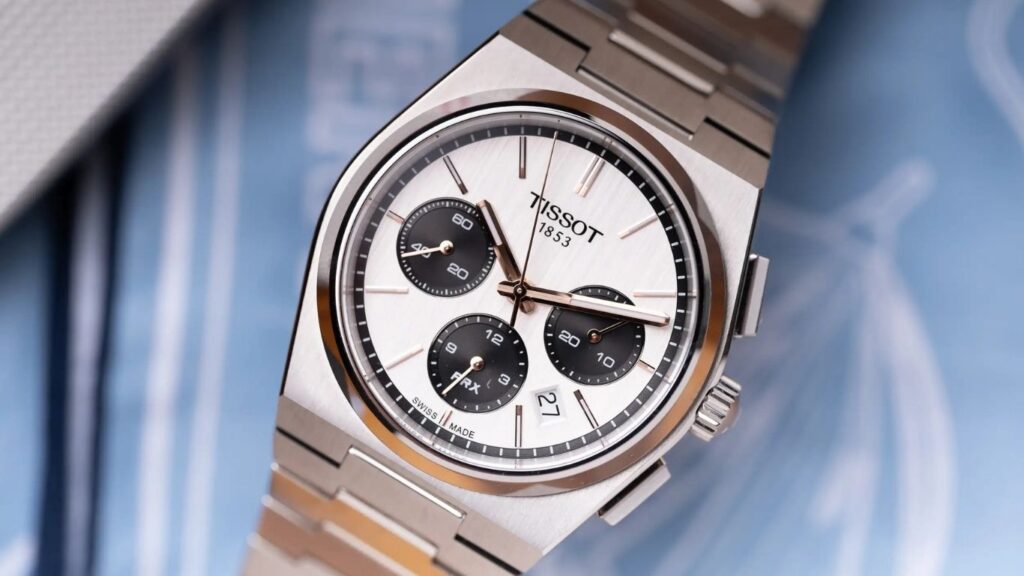
Is the Tissot PRX a Serious Investment or Just a Passing Trend?
The PRX is a style trend, not a serious investment. It lacks the scarcity, prestige, and deep collector demand that support investment-grade watches, so buyers should expect normal depreciation rather than future profit, regardless of how visible it is online in 2025.
The evidence overwhelmingly argues against the PRX as a serious investment opportunity, as the watch lacks fundamental scarcity, prestige, and demand from high-net-worth collectors who drive sustainable appreciation in luxury timepieces.
Without these core characteristics, the PRX remains trapped in a cycle of initial enthusiasm followed by predictable depreciation.
PRX Investment Scorecard (0–10)
| Metric | Score | Quick View |
|---|---|---|
| Design & Wrist Presence | 8 / 10 | Strong integrated-bracelet look and 1970s vibe. |
| Value Retention | 3 / 10 | Typical 30–50% depreciation from retail. |
| Liquidity | 6 / 10 | Easy to sell, but mainly at discounts. |
| Collector Prestige | 4 / 10 | Seen as a fun piece, not a grail. |
| Hype / Social Visibility | 9 / 10 | Everywhere on YouTube and Instagram. |
| Overall Investment Appeal | 3 / 10 | Great daily watch, weak investment case. |
Scores are editorial views summarising design versus investment characteristics and are not financial advice.
Pricing dynamics reveal trend-driven hype rather than long-term investment fundamentals with WatchUSeek forum discussions raising caution that all watches depreciate once purchased, with PRX models showing no exception to this pattern despite social media enthusiasm.
The temporary popularity boost from content creators and accessible pricing creates artificial demand spikes that inevitably normalize as attention shifts elsewhere.
Moreover, overproduction risk threatens to kill residual value entirely as Tissot continues flooding markets with new variants and colorways.
PistonHeads forum commentary questions whether automatic movements justify premium pricing at this level, particularly noting closed casebacks that hide movements, with users expressing skepticism about paying premiums for PRX automatic versions versus their actual resale worth.
WatchCrunch analysis questions whether mechanical versions justify their premiums, calling the PRX “overpriced” while citing plastic components in movements, push pins, and problematic warranty situations. Watch forum discussions similarly note that while the PRX offers appeal “for the money,” the premium charged for mechanical over quartz versions remains questionable from pure value perspectives.
The conclusion emerges unambiguously from available data: the PRX represents a style trend rather than an asset class, offering temporary aesthetic satisfaction rather than long-term financial returns.
Who Should Buy The Tissot PRX?
The PRX works best for buyers who treat it as a stylish daily watch, not a financial asset. These personas capture who actually gets good value from the PRX in 2025.
- Wants integrated-bracelet aesthetics without luxury pricing.
- Values comfort, dial colors, and “on-wrist” look over resale.
- Accepts that losing 30–40% is the cost of enjoying the watch.
- Needs a reliable, good-looking daily watch for office and weekends.
- Prefers a recognizable brand name but doesn’t chase “grails.”
- Plans to keep the PRX for years, not flip it after a few months.
- Wants to try the integrated-bracelet trend before moving upmarket.
- Buys PRX at grey-market or used prices to limit depreciation.
- Understands it’s a learning piece on the way to higher-end watches.
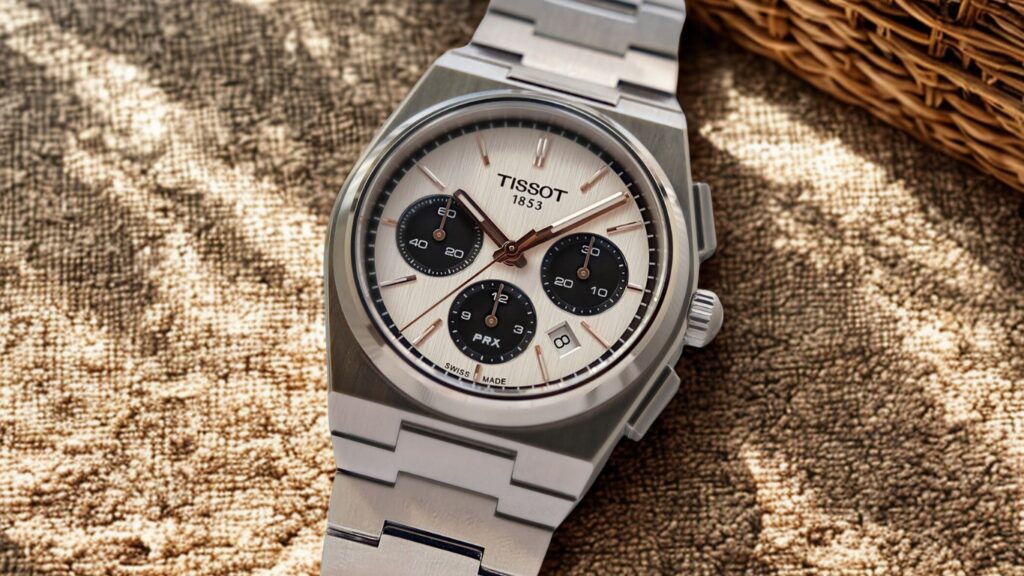
How Does Tissot PRX ROI Compare With Other Entry-Level Swiss Watches?
Compared with entry-level models from Hamilton, Longines, and Seiko Presage, the Tissot PRX usually has weaker value retention and less collector pull. Many competing watches keep 70–85% of retail in good condition, while PRX references often sit closer to 50–60%, making it a relative underperformer on ROI.
Performance comparisons with other entry-level Swiss options expose the PRX’s particularly weak investment profile.
Hamilton and Longines models frequently demonstrate superior value retention due to stronger heritage positioning and more disciplined production strategies that maintain relative scarcity compared to Tissot’s volume approach.
Even Japanese competitors like Seiko Presage and Grand Seiko deliver higher collector demand at similar entry price points, benefiting from focused enthusiast communities and more limited production runs that create sustainable secondary market interest.
These alternatives prove that affordable pricing need not automatically result in dramatic depreciation if brands manage supply and cultivate genuine collector followings.
PRX return on investment averages approximately 70 to 80% retention in best-case scenarios, falling far below luxury benchmarks where investment-grade pieces often trade above retail or show minimal depreciation.
The resale curve comparison against established entry-level alternatives consistently shows PRX underperformance, whether measured against Swiss competitors like Longines or Japanese rivals like Seiko. This persistent weakness across multiple comparison points indicates systemic issues rather than temporary market conditions, suggesting the PRX will continue disappointing investors regardless of short-term hype cycles.
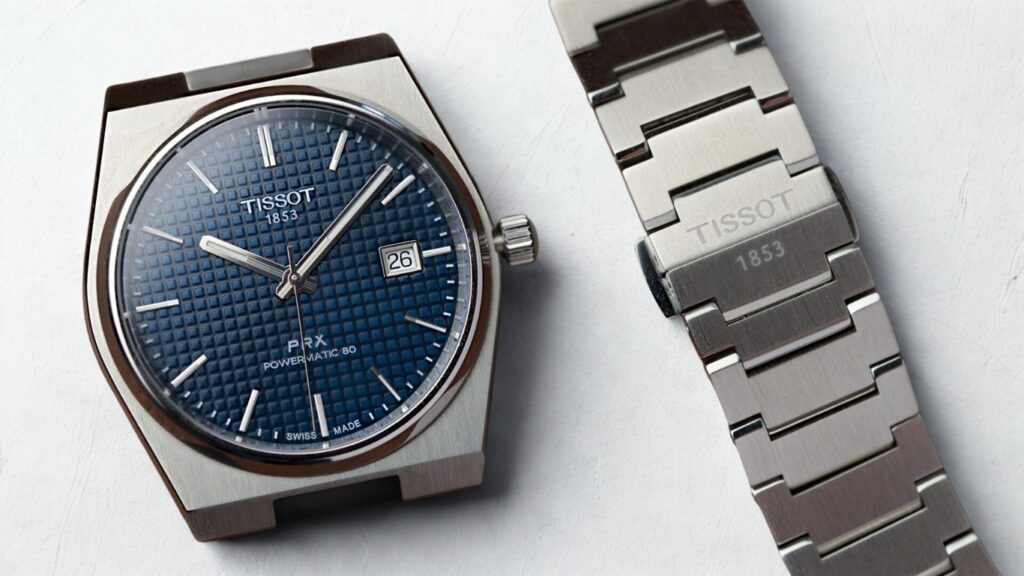
Should You Invest In The Tissot PRX?
The Tissot PRX is a great-looking, affordable integrated-bracelet watch, but it performs poorly as an investment. Most references lose roughly 30–50% of their value from retail, with no clear evidence of long-term appreciation or collector scarcity. It makes sense as a style-forward daily wearer bought at a good discount, not as a watch you expect to hold or grow your capital.
FAQ
Is the Tissot PRX a good investment in 2025?
No. The Tissot PRX is a strong design play but a weak investment. Most references trade at a large discount to retail on the secondary market, and there is no clear track record of long-term appreciation.
Which Tissot PRX model has the highest ROI?
None show positive ROI. All PRX models lose significant value immediately. The Powermatic 80 automatic loses roughly 45% from retail, while quartz versions depreciate even faster at 50%+ losses. Limited editions offer no meaningful advantage, as the brand floods the market with colorways that dilute any exclusivity.
Are PRX quartz models worth investing in?
Absolutely not. PRX quartz models show the worst depreciation in the lineup, losing over 50% of retail value.
How does the PRX compare to other Tissot collections?
The PRX performs no better than other Tissot models. WatchCharts shows the average Tissot watch price at $400, with the PRX collection showing the same average, meaning it commands no premium even within Tissot’s own portfolio.
Can Tissot PRX watches hold their value over time?
No. Market data shows consistent downward pressure with no appreciation trends.
What should I consider when buying a Tissot PRX?
Buy only if you value the design and accept immediate 30-50% depreciation. Focus on quartz versions at gray market prices ($213-$227) rather than paying retail premiums for automatic models. Never purchase expecting financial returns. The PRX works as an affordable style piece, not an investment asset.
Should I Buy The Tissot PRX At Retail Or Look For Discounts?
If you decide to buy, it usually makes more sense to target grey-market or lightly used prices rather than full retail. The gap between boutique pricing and secondary-market levels is wide enough that paying retail simply locks in avoidable losses.
Who Is The Tissot PRX Best Suited For?
The PRX is best for buyers who want an affordable, good-looking integrated-bracelet watch and accept normal depreciation. It suits new enthusiasts, casual collectors, and anyone who values aesthetics and comfort over resale value.
What Should I Buy Instead of Tissot PRX If I Care About Resale Value?
If value retention matters, consider established entry-level models from brands like Longines, Hamilton, or Seiko (especially popular lines with strong enthusiast followings). For true “investment-grade” potential, you usually need to move upmarket into scarcer, higher-prestige references.