Selling your watch collection well is a craft, and how to maximise returns when selling your watch collection comes down to four levers: platform choice, presentation discipline, timing, and seller credibility. The same Rolex Submariner can clear $11,000 with the right execution or $8,000 with the wrong one. The watch is unchanged; the seller's process is the variable.
- Maximising returns when selling a watch collection starts with disciplined timing, condition presentation, and the kind of channel selection that aligns with the specific reference category.
- Auction houses including Phillips, Christie's, and Sotheby's offer the strongest channel for trophy-tier references, with pre-sale estimates and global bidder reach driving premium results.
- Specialist dealers including Bob's Watches, Govberg, and HQ Milton offer the strongest channel for mid-tier references, with quick liquidity and disciplined consignment terms.
- We see the Chrono24 and WatchCharts direct-sale channels as the strongest for collectors with the patience to manage the buyer relationship, with the broader liquidity supporting better net returns.
- Condition presentation, including the original box, papers, service receipts, and unworn-condition retention, materially supports the broader sale premium across every channel.
- Tax considerations including capital gains, dealer-stock classification, and cross-border export documentation all matter when selling a meaningful watch collection in the modern era.
- Who is this for?
- Collectors planning to sell, family members managing inherited collections, and advisors handling estate-tier watch holdings.
- What is happening?
- A grounded read on how to maximise returns when selling a watch collection, covering auction houses, specialist dealers, direct-sale channels, condition presentation, and tax considerations.
- When did this emerge?
- The current selling guidance reflects 2026 market dynamics, with the post-2022 stabilisation and rising-pricing trend supporting the broader return-maximisation strategy.
- Where is this happening?
- Phillips, Christie's, Sotheby's, Bob's Watches, Govberg, HQ Milton, Chrono24, and WatchCharts all anchor the meaningful selling channels.
- Why does it matter?
- Selling a watch collection without disciplined channel selection costs serious money, which makes the return-maximisation framework essential reading for every disposing collector.
Two factors do most of the work. The first is matching the platform to the reference. Mass-market commercial platforms maximise reach but punish niche pieces.
Specialist forums maximise expert buyers but require established reputation. Auction houses maximise headline numbers but only on references that earn auction-house attention.
The second is the document set. Original box and papers, service receipts, and clean condition photography can shift the realised price by 20 to 40 per cent. The collectors we hear from selling well treat the supporting material as part of the watch itself.
That mental model is the closest thing to a universal rule in the secondary market.

Best platforms for selling luxury watches
For mainstream luxury watches in the $4,000 to $50,000 range, Chrono24 has become the dominant platform for selling. The reach, the cost efficiency, and the buyer-protection infrastructure combine into a proposition no other commercial platform currently matches at the same scale.
Chrono24's 6. 5 per cent flat commission undercuts eBay's 13 per cent or higher fees that can consume over $1,000 on a $10,000 watch sale. The free escrow service prevents payment fraud by holding funds until the buyer confirms receipt and satisfaction.
That combination matters when you are selling a five-figure timepiece to a stranger across the world.
The Chrono24 certification service for watches priced between $4,000 and $50,000, where independent watchmakers verify authenticity and condition, adds 10 to 15 per cent in price premiums. The certification eliminates the authentication concerns that make buyers hesitant to commit to expensive online purchases. For sellers, it is one of the easiest value unlocks available across the platform.
Specialist forums for rare vintage pieces
For rare or vintage pieces priced under $5,000 that appeal to specialist collectors rather than mainstream buyers, dedicated watch forums offer different advantages. Omega Forums, Rolex Forums, and WatchUseek charge zero commission, so you keep 100 per cent of the proceeds rather than surrendering a slice to platform fees.
The buyers on these forums are knowledgeable collectors who appreciate the nuances of vintage references, unusual dial variations, and historically significant production runs that mass-market buyers might overlook. The tradeoff is a limited buyer pool made up of forum members rather than the millions of casual browsers commercial platforms attract.
There is zero fraud protection on forum sales, which means both parties have to trust each other's integrity. Success in forum sales requires an established reputation built over months or years of participation. The channel suits sellers who already have forum credibility and are targeting specific collector niches.
Auction houses for six-figure references
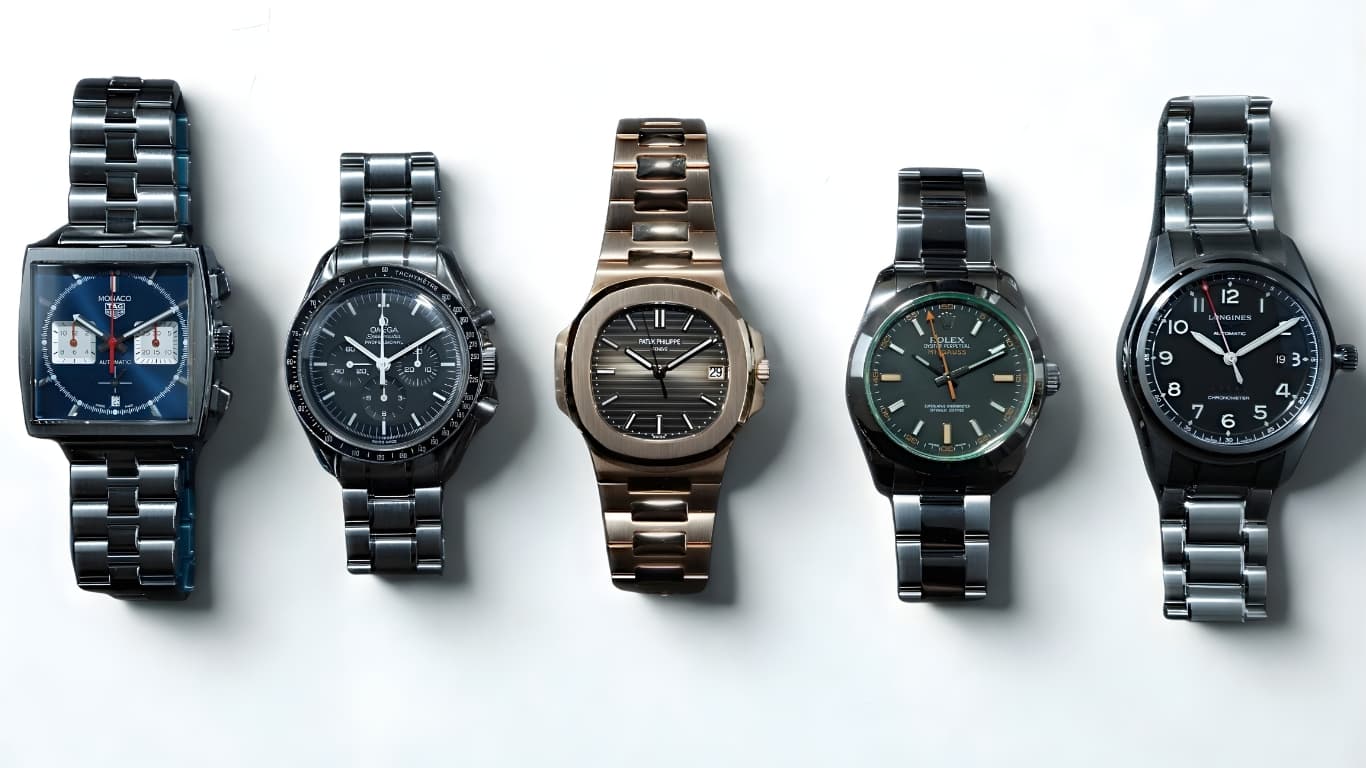
At the upper end of the market, Sotheby's, Christie's, and Phillips are the right move for six-figure collectibles where provenance and competitive bidding justify the fees. The consignment route makes sense for vintage Patek Philippe complications, rare Rolex Daytona references with documented history, or historically significant pieces.
The auction house's authentication process and public sale records add value that private sales cannot match. Total fees ranging from 15 to 25 per cent sound steep when you combine seller and buyer premiums. The buyer pool at these sales, though, includes institutional collectors and serious individuals who specifically seek auction purchases for the documented provenance.
The presentation discipline that drives 20 to 30 per cent more on the sale
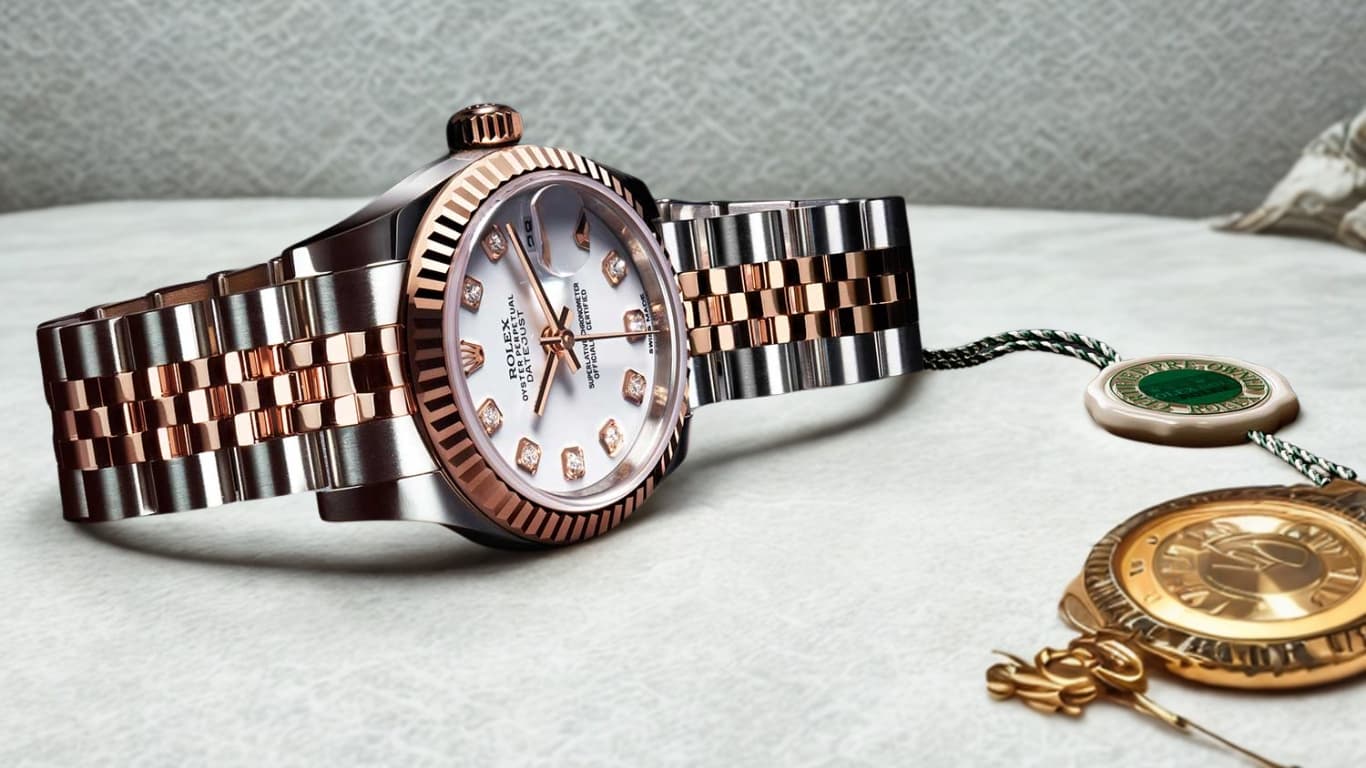
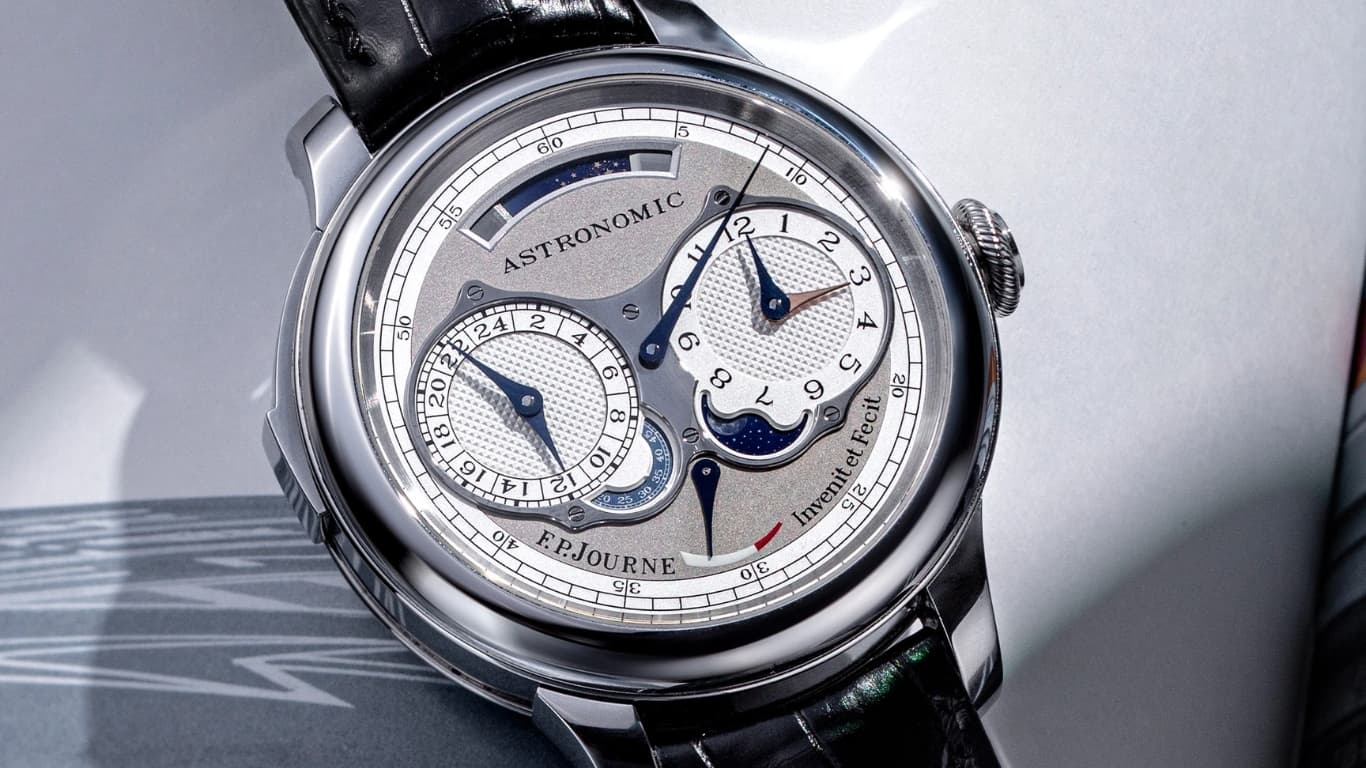
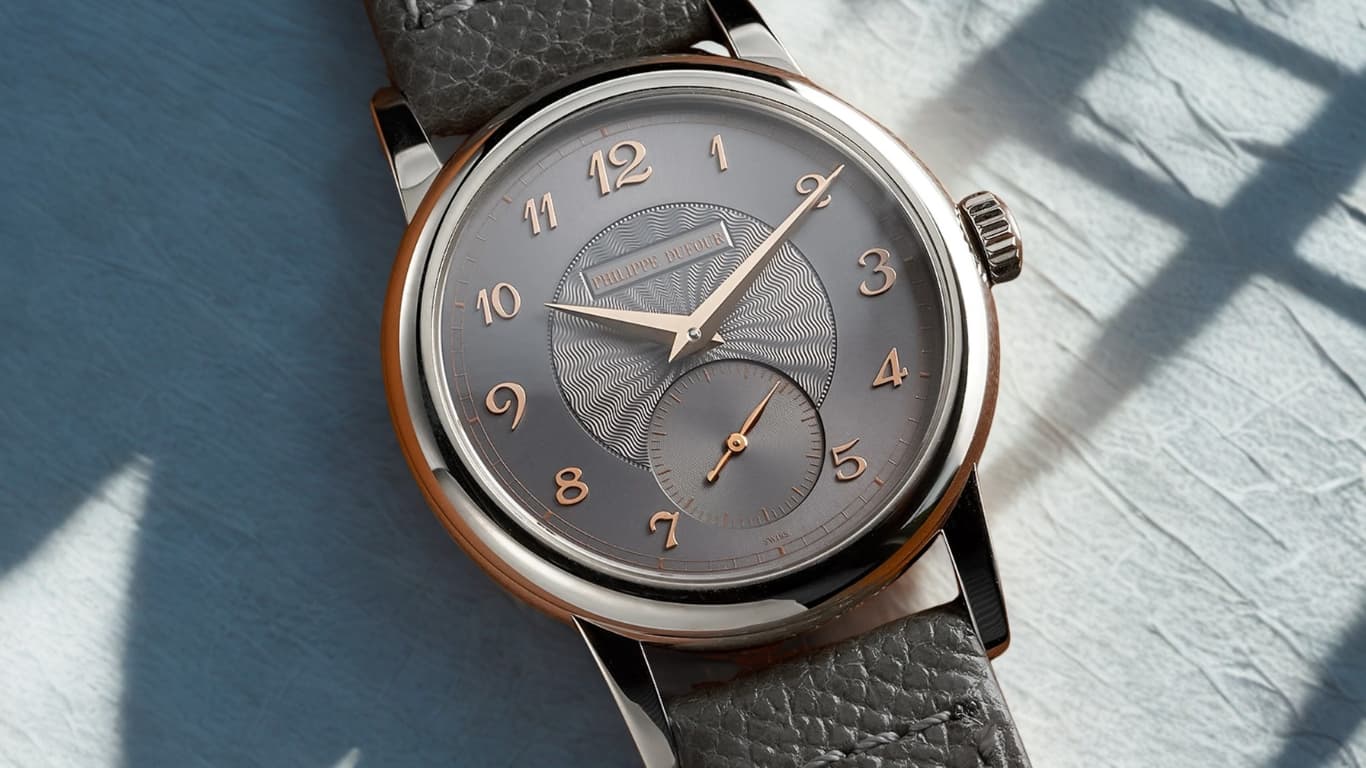
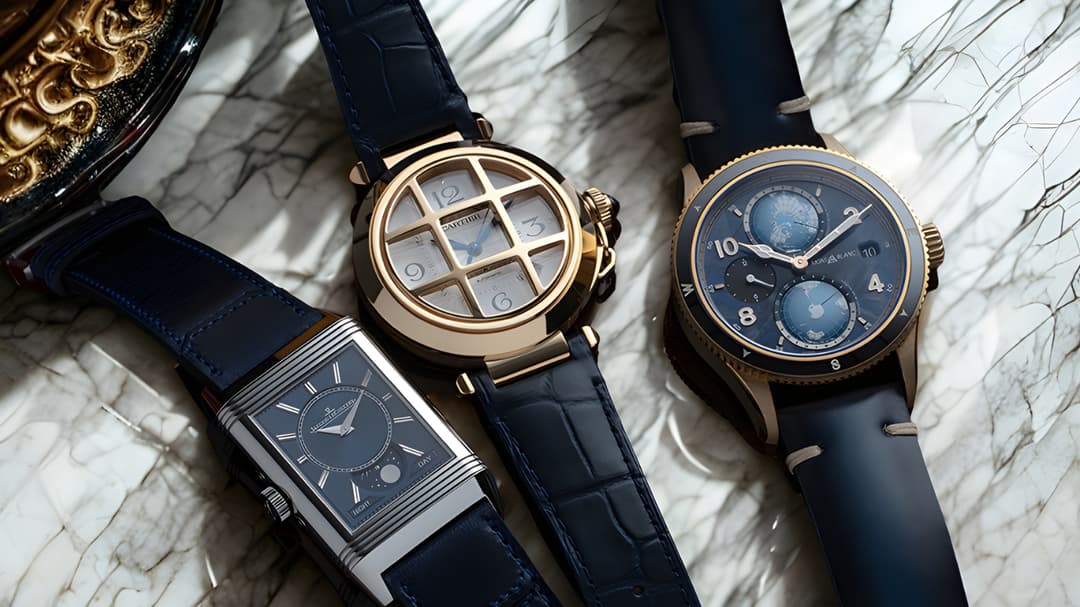
Professional photography is the single highest-return investment a seller can make. Done right, it functions as a 20 to 30 per cent value driver that separates amateur listings from serious ones. Understanding what buyers look for in a well-presented watch listing makes the difference between a quick sale at full value and weeks of silence.
High-resolution images against neutral backgrounds with natural lighting, showing the dial, case sides, caseback, clasp mechanism, crown details, and multiple angles, give buyers what they need to assess condition accurately. Close-up shots that honestly reveal minor scratches build the kind of trust that pushes final sale prices up. Buyer uncertainty creates discount pressure; transparency eliminates it.
The gap between dim smartphone photos taken against a cluttered background and a clean professional presentation can easily account for $2,000 to $3,000 on a $10,000 watch. That makes proper photography one of the highest-return activities a seller can invest in before listing. We have watched the same reference sell at three different price points in a single quarter purely on the basis of the listing presentation.
Documentation: the 20 to 40 per cent premium for full sets
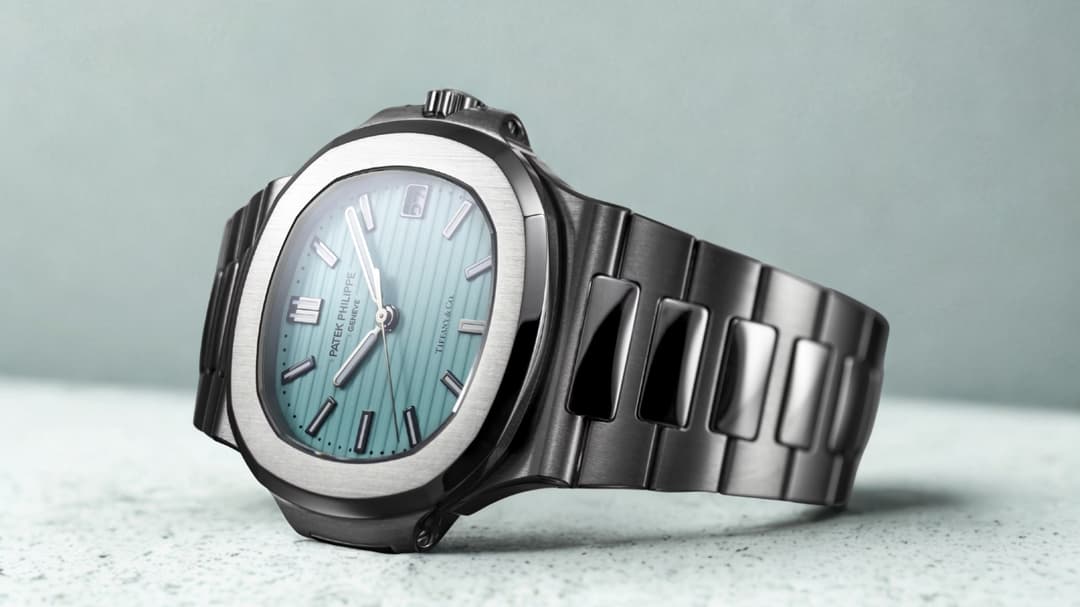
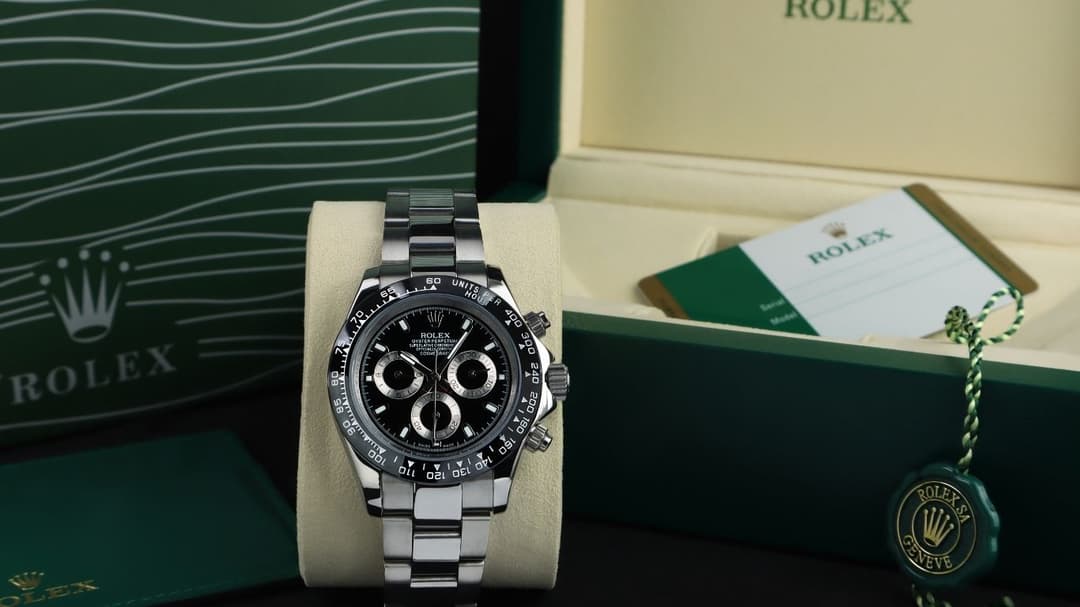
Complete documentation commands 20 to 40 per cent premiums on most luxury references. Original boxes and papers, warranty card, instruction manual, and hangtags can add $1,500 to $3,000 to Rolex sports watch values alone. Specialist trackers consistently note that full sets outperform unpapered examples across nearly every reference in the secondary market.
Service-history documentation, receipts from authorised service centres, proves the watch was properly maintained, reduces the buyer's immediate servicing costs, and signals genuine care. Purchase receipts establish clear provenance that helps buyers navigate customs and import regulations on international shipments. The receipts also eliminate concerns about a watch's origins.
Missing original boxes and papers is the single most expensive seller mistake. Incomplete documentation can cost a seller 20 to 30 per cent of the potential sale price. The collectors we hear from selling well treat the document set as a permanent asset of the watch itself, kept in fireproof storage and never separated from the reference.
Timing the sale across seasonal and brand cycles
Seasonal timing separates sophisticated sellers from those who simply list whenever it is convenient. The holiday period from November through December consistently drives the highest buyer activity as collectors deploy year-end bonuses and allocate gift budgets toward long-desired acquisitions. That makes October and November the optimal listing window, positioning the watch for peak December demand.
July through August is a reliable lull. Wealthy buyers are on vacation and discretionary luxury spending drops measurably. Patient sellers hold listings until September when routines resume and buyer attention returns.
The seasonal pattern shows up on Chrono24 and at the major auction calendars year after year.
Beyond seasonal rhythms, brand-level cycles matter. The Rolex price corrections of 2022 and 2023 are the cleanest recent case study. Patient sellers who held through the temporary trough achieved 15 to 25 per cent better proceeds than those who sold at the bottoms driven by temporary oversupply.
Also worth tracking are new Tudor and Rolex releases for 2026, since fresh model announcements can shift secondary market pricing on related references within weeks.
What this means for collectors selling well
The difference between maximising the collection's realised value and simply settling for whatever offers show up can be 30 per cent or more of total potential proceeds. On mainstream pieces, that is thousands of dollars. On rare references, it can be tens of thousands.
Platform selection, presentation quality, timing discipline, and the document set collectively determine whether a seller walks away with fair market value or leaves real money behind. The watches are only part of the equation. How you sell them is the other part, and it is the part most sellers underprepare for.
The mental model that works is straightforward. Treat the sale as a curated transaction, not a clearance. Match the platform to the reference.
Build the document set. Photograph properly. Time the window.
Wait for qualified buyers. We last reviewed this analysis in May 2026.

Stefanos Moschopoulos
Stefanos Moschopoulos founded The Luxury Playbook in Athens and has spent the better part of a decade following the auction calendar, the en primeur releases, and the watchmakers, gallerists, and shipyards the magazine covers. He writes the field guides and listicles that anchor the Connoisseur section — pieces built on Phillips and Christie's results, Liv-ex movements, and conversations with collectors he has met across Geneva, Bordeaux, Basel, and Monaco. His own collecting habits sit closer to watches and wine than art, and it shows in the level of detail in the magazine's coverage of those categories. Under his direction, The Luxury Playbook now publishes long-form field guides, market-defining year-end listicles, and the Voices interview series with the founders behind the houses and the brands.