When you put Rolex and Cartier side by side, you’re really asking yourself one question. Do you want mechanical precision and investment firepower, or do you want timeless elegance and design heritage that turns heads in any room?

Both brands carry rich histories, global prestige, and exceptional craftsmanship. But they speak to different styles, different functions, and very different collector expectations. So let’s break down how Rolex and Cartier stack up across price, durability, design, and value retention, so you can make the call that’s right for you in the world of fine watchmaking.


Rolex

Few names in horology carry the weight that Rolex does. Founded in 1905, Rolex has built itself into a symbol of excellence, precision, and enduring value. Its reputation isn’t just about legacy. It’s about relentless innovation, obsessive craftsmanship, and a proven ability to perform under extreme conditions.

Rolex watches are celebrated for their exceptional build quality and their ability to hold value over time. Every watch runs on an in-house movement rigorously tested to meet Rolex’s proprietary Superlative Chronometer certification, guaranteeing precision to within minus 2 to plus 2 seconds per day. That’s a standard that surpasses traditional COSC chronometer ratings by a significant margin.

The brand’s dedication to quality shows up in both engineering and materials. Rolex uses Oystersteel, a proprietary 904L stainless steel alloy known for its corrosion resistance and ability to hold a polished finish longer than standard steel. Cerachrom bezels, crafted from durable ceramic, resist scratching and fading, so your watch still looks sharp years down the line. Precious metal models also use Rolex’s own gold alloys, including Everose gold, a unique rose gold formulation engineered to resist tarnishing and discoloration.

At the heart of every Rolex sits a meticulously constructed mechanical movement. Two of the brand’s most respected calibers are worth knowing about.

  • Caliber 3235: Featured in models like the Datejust and Sea-Dweller, this automatic movement delivers a 70-hour power reserve and features Rolex’s Chronergy escapement, which enhances efficiency and reliability.

  • Caliber 4130: Powering the Rolex Daytona, this chronograph movement is equipped with a vertical clutch for smooth activation and a column wheel for precise stopwatch control—hallmarks of high-performance chronographs.

Beyond the mechanics, Rolex watches are defined by their timeless design. Clean lines, proportional symmetry, and purposeful detailing give every model an unmistakable presence.

The Oyster Perpetual embodies minimalist sophistication. The Submariner sets the benchmark in dive watch design. And the Day-Date delivers a commanding luxury presence that’s long been favored by statesmen and dignitaries.

Several signature design elements set Rolex apart from its peers. The Cyclops lens, placed over the date window, magnifies the numeral for better legibility and has become one of the brand’s most recognizable features. The fluted bezel, seen on the Datejust and Day-Date, adds visual character while reinforcing Rolex’s classical heritage. And the Oyster bracelet, both durable and ergonomically engineered, merges form with function in a way few bracelets in watchmaking ever have.

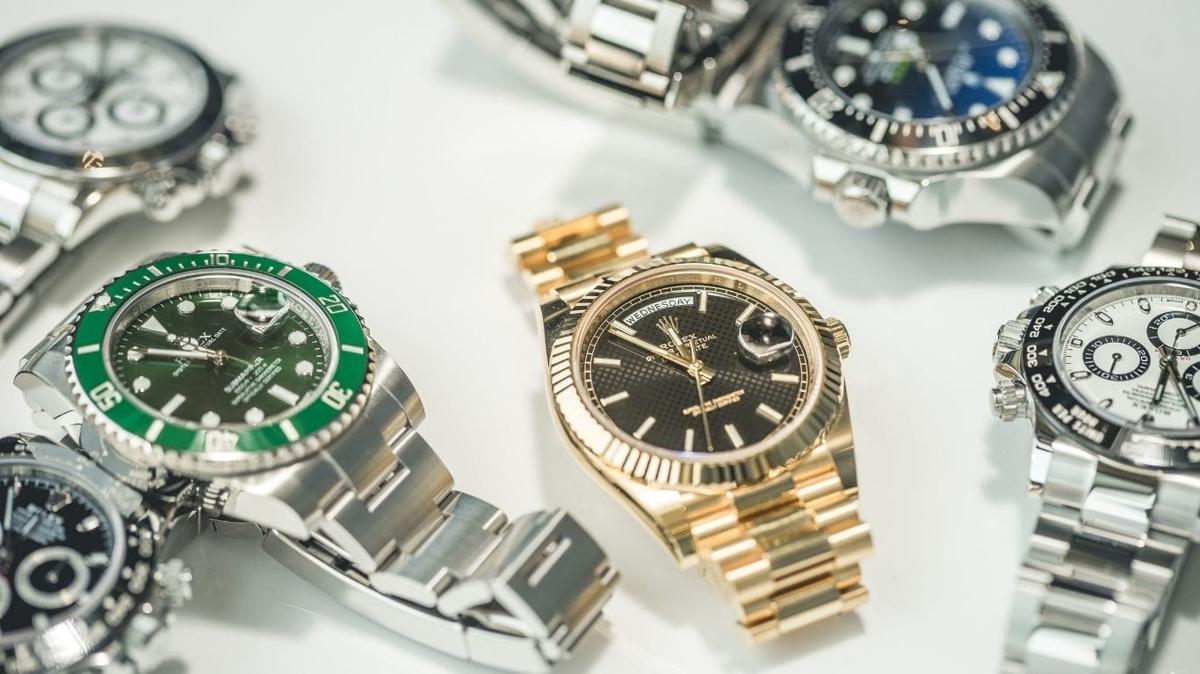
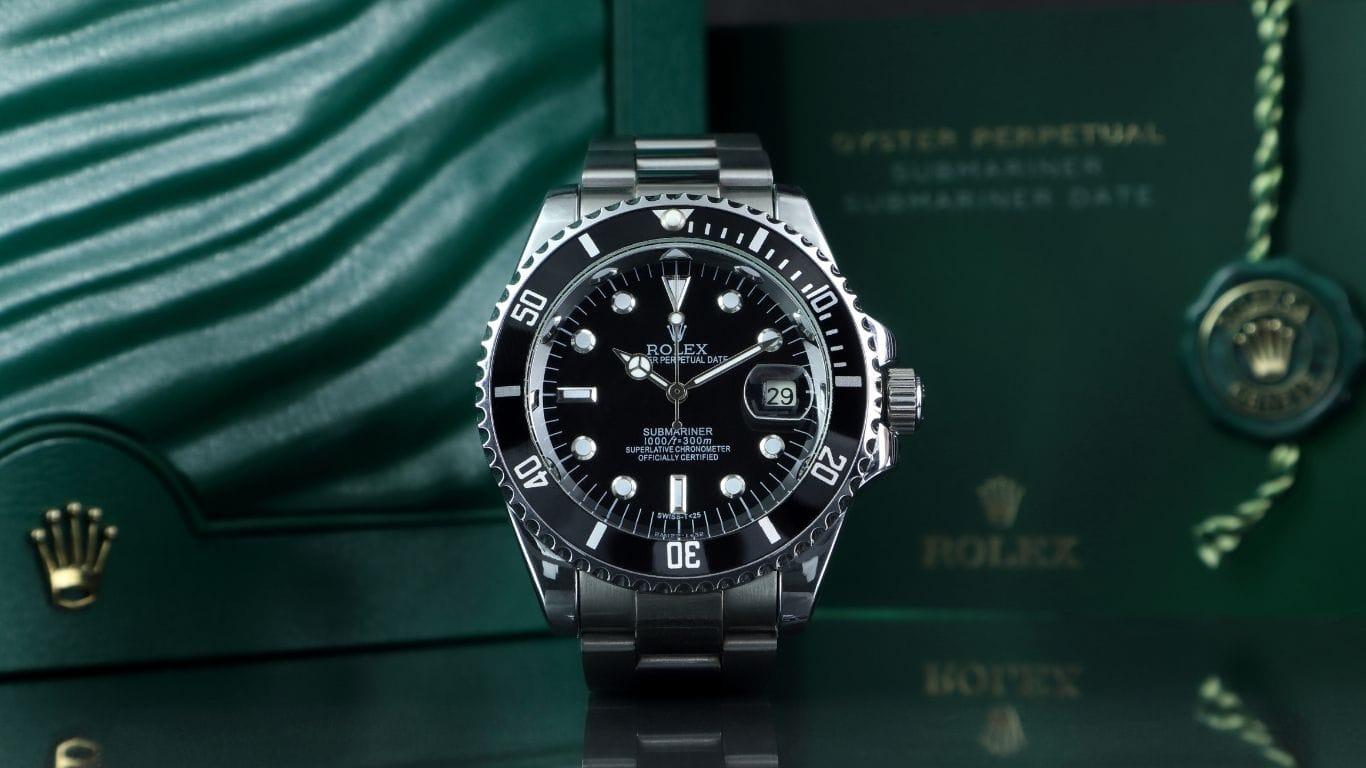
Rolex Adobe Licensed Photo 4 25102024
Image Licensed: malajscy – stock.adobe.com


Cartier

Founded in 1847, Cartier is revered not just as a watchmaker but as one of the most iconic names in fine jewelry. The brand has built a legacy around luxury items that balance innovation with genuine artistic elegance.

Cartier’s timepieces are known for their refined aesthetics, slim silhouettes, and unmistakable Parisian charm. If you’re drawn to understated luxury with deep cultural roots, Cartier is a natural fit.

Cartier watches are built around the seamless integration of horology and jewelry. The brand regularly blurs the line between functionality and ornamentation, producing pieces that are as visually compelling as they are technically sound. You’ll see this in the use of 18k gold and platinum across flagship models like the Ballon Bleu and Santos de Cartier.

Many Cartier watches are also adorned with diamonds, especially within the Cartier Panthère collection, adding a layer of exclusivity that appeals to collectors who treat their watches as wearable art. The brand also uses guilloché dials, a decorative engraving technique that produces intricate geometric patterns to give the dial genuine visual depth.

While Cartier’s legacy has long centered on design, its technical capabilities have advanced substantially in recent years.

The brand now manufactures a range of in-house movements, showing real commitment to precision and mechanical excellence. Among these is the Cartier 1904-PS MC automatic movement, which features a twin-barrel construction for stable chronometric performance and a 48-hour power reserve. Another notable caliber is the 1847 MC, valued for its robustness and timekeeping accuracy and used across many of Cartier’s newer models.

Cartier’s approach to design is unmistakable. The rectangular Tank, introduced in 1917, is arguably one of the most iconic wristwatch designs of all time. The Ballon Bleu, with its perfectly rounded case and integrated crown guard, is just as distinctive in its own way.

Across the Cartier watch family, several key design elements stay consistent across collections.

  • Roman numeral hour markers, lending a timeless and sophisticated aesthetic

  • Sword-shaped hands, a signature design that reinforces Cartier’s classical styling

  • Cabochon sapphire crown, a polished blue gem embedded in the crown, which serves as a defining feature of many models

Cartier’s blend of distinctive design, precious materials, and evolving horological expertise has cemented its position as a genuine pillar of the luxury watch industry.

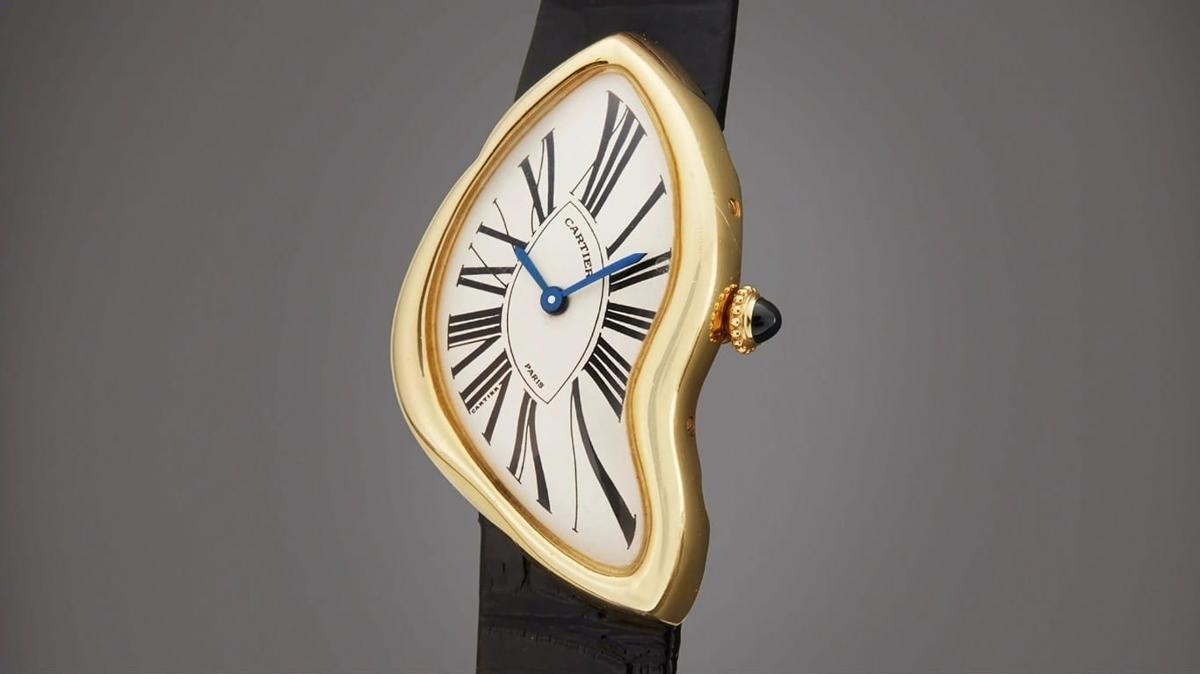
cartier watches
Image Source: sothebys.com

Price Comparison

Price is one of the most influential factors when choosing between Rolex and Cartier. Both brands live firmly in the luxury segment, but they cater to slightly different buyer profiles and occupy distinct pricing tiers.

Rolex leans into mechanical precision and long-term investment value. Cartier puts the emphasis on timeless elegance and design heritage. Your priorities will shape which price structure makes more sense for you.

Rolex watches are well known for their ability to hold or even appreciate in value over time. That strong resale performance is a major draw for collectors and investors. Entry-level models like the Oyster Perpetual start at around $5,000, while core references like the Submariner and Explorer II typically run between $8,000 and $20,000. Higher-end references including the Daytona and Yacht-Master often exceed $40,000, with limited editions or precious metal variants climbing well above that. Rolex’s value retention track record is genuinely hard to match in the luxury watch world.

  • Entry-Level Rolex (Oyster Perpetual): $5,000 – $7,000

  • Mid-Range Rolex (Submariner, Explorer II): $8,000 – $20,000

  • High-End Rolex (Daytona, Yacht-Master): $30,000 – $60,000+

Cartier watches generally start at a more accessible price point, making them one of the more approachable entry points into serious luxury watchmaking.

The Tank Solo, for example, starts around $2,500. Mid-range models like the Santos de Cartier and Ballon Bleu run from $4,000 to $8,000. High-end Cartier models with gold cases, mechanical complications, or diamond settings can reach well over $20,000.

  • Entry-Level Cartier (Tank Solo): $2,500 – $4,000

  • Mid-Range Cartier (Santos, Ballon Bleu): $4,000 – $8,000

  • High-End Cartier (Ballon Bleu, Panthère): $10,000 – $25,000+

Iconic Models Comparison

Rolex and Cartier have each produced some of the most enduring and recognizable watches in horological history. Their philosophies differ sharply. Rolex is about rugged performance and mechanical excellence. Cartier is about artistic design and elegance. But both brands have created models that are true icons in their own right.

Rolex Submariner vs. Cartier Santos

The Rolex Submariner, introduced in 1953, is one of the most iconic dive watches ever made. Full stop.

Built for extreme underwater conditions, the Submariner features a unidirectional Cerachrom bezel for timing dives, 300 meters of water resistance, and the Caliber 3235 movement. That’s an automatic mechanical engine with a 70-hour power reserve and Rolex’s patented Chronergy escapement, offering better efficiency and strong anti-magnetic properties.

The case and bracelet are built from Oystersteel, Rolex’s proprietary 904L-grade stainless steel known for its corrosion resistance and lasting luster. The Submariner also carries Superlative Chronometer status, tested to Rolex’s accuracy standard of minus 2 to plus 2 seconds per day.

The Cartier Santos, on the other hand, holds a different kind of historical significance. It’s widely recognized as one of the world’s first wristwatches designed for men.

Launched in 1904 for aviator Alberto Santos-Dumont, the Santos was revolutionary at a time when pocket watches were still the norm. Modern Santos de Cartier models run on the in-house 1847 MC automatic movement, with a 42-hour power reserve and reliable everyday performance.

With 100 meters of water resistance, the Santos is less tool-oriented than the Submariner. But it excels in versatility. Its square case, exposed bezel screws, and quick-release interchangeable strap system cater to style-conscious buyers who want both form and function in a daily wear watch.

The Submariner is the right call if you want a robust sports watch built for exploration and diving. The Santos appeals if you’re after a more refined, everyday luxury piece with heritage-rich aesthetics that works just as well at a business dinner as it does on a weekend.

Current market prices reflect this divergence. The Submariner typically retails between $8,000 and $30,000, while the Santos ranges from $6,000 to $8,000 depending on configuration.

Rolex Datejust vs. Cartier Tank

The Rolex Datejust, introduced in 1945, is a hallmark of everyday luxury and mechanical reliability.

It was the first self-winding wristwatch to feature a date window that automatically changes at midnight, enhanced by Rolex’s Cyclops lens for magnification. Modern Datejust models run on the Caliber 3235, offering a 70-hour power reserve, strong shock resistance, and anti-magnetic features.

Available in Oystersteel, Rolesor (a steel and gold combination), and full gold variations, the Datejust is also known for its fluted bezel and timeless profile. At 100 meters of water resistance and with Superlative Chronometer certification, it’s a watch you can wear to a board meeting or a weekend hike without a second thought.

The Cartier Tank, launched in 1917 and inspired by the shape of WWI Renault tanks, is arguably the most iconic dress watch in the world.

It features a sleek rectangular case, Roman numerals, and a blue cabochon sapphire crown. All of these elements have become synonymous with Cartier’s design language. Tank models come in quartz, manual-wind, and mechanical variations, with power reserves typically around 38 hours for mechanical versions.

The Tank isn’t about technical specs. Its strength lies in minimalist elegance and enduring cultural relevance. Princess Diana wore one. Andy Warhol wore one. So did Jackie Kennedy. That kind of cultural footprint is genuinely rare.

On price, the Rolex Datejust spans a broad range from $7,000 to over $20,000 depending on size, materials, and dial options. The Cartier Tank stays more accessible, with entry-level quartz versions starting around $2,500 and extending up to $6,000 for mechanical and precious metal variants. The Datejust gives you automatic winding and a date function. The Tank gives you understated sophistication with an unmatched design legacy.

Quality and Durability

Rolex watches are engineered with an uncompromising focus on quality, durability, and technical performance. Every element of a Rolex timepiece is the result of meticulous design and rigorous testing, reflecting a commitment to excellence that has been consistent across generations.

One of the defining innovations behind Rolex’s durability is the Oyster case, first introduced in 1926. This hermetically sealed case set a new standard for water resistance in wristwatches. Today, Rolex dress models typically offer water resistance up to 100 meters, while professional sports watches like the Submariner handle depths of 300 meters, making them genuinely viable for diving and extreme environments.

Another hallmark of Rolex engineering is the Cerachrom bezel, a proprietary ceramic material used across many of its models. Cerachrom is virtually scratch-proof, fade-resistant, and impervious to corrosion from saltwater or UV exposure. Your bezel will look as good in ten years as it does today.

Then there’s Oystersteel, Rolex’s exclusive blend of 904L stainless steel. It’s measurably more corrosion-resistant than the 316L steel used by most other luxury brands, holds its polished finish for decades, and performs exceptionally well in demanding conditions.

Beyond materials, Rolex subjects every watch to a battery of durability tests covering shock resistance, extreme temperatures, magnetic fields, and daily wear. Combined with the Superlative Chronometer certification, which guarantees accuracy within minus 2 to plus 2 seconds per day, these features make Rolex timepieces among the most robust and precise in the luxury watch market.

These engineering qualities aren’t just technical achievements. They translate into real-world longevity, with many Rolex watches functioning flawlessly for generations.

Cartier, though more widely recognized for its sophisticated designs and fine jewelry heritage, also delivers impressive durability. The Santos and Tank collections in particular are built with high-grade materials like 316L stainless steel, 18k gold, and platinum, ensuring structural integrity and lasting appeal.

The Cartier Santos, originally designed in 1904, was one of the earliest purpose-built wristwatches for practical use. Modern versions offer water resistance up to 100 meters and come fitted with sapphire crystal glass, known for its excellent scratch resistance.

Cartier doesn’t position its watches as professional-grade sports tools the way Rolex does. But they are more than capable of standing up to everyday wear. Cartier’s refined case construction and finishing provide genuine resilience without sacrificing elegance.

If you have an active lifestyle or regularly face harsh environments, Rolex is the more obvious choice. If you want a watch that ages gracefully through daily life while looking impeccable at every occasion, Cartier more than holds its own.

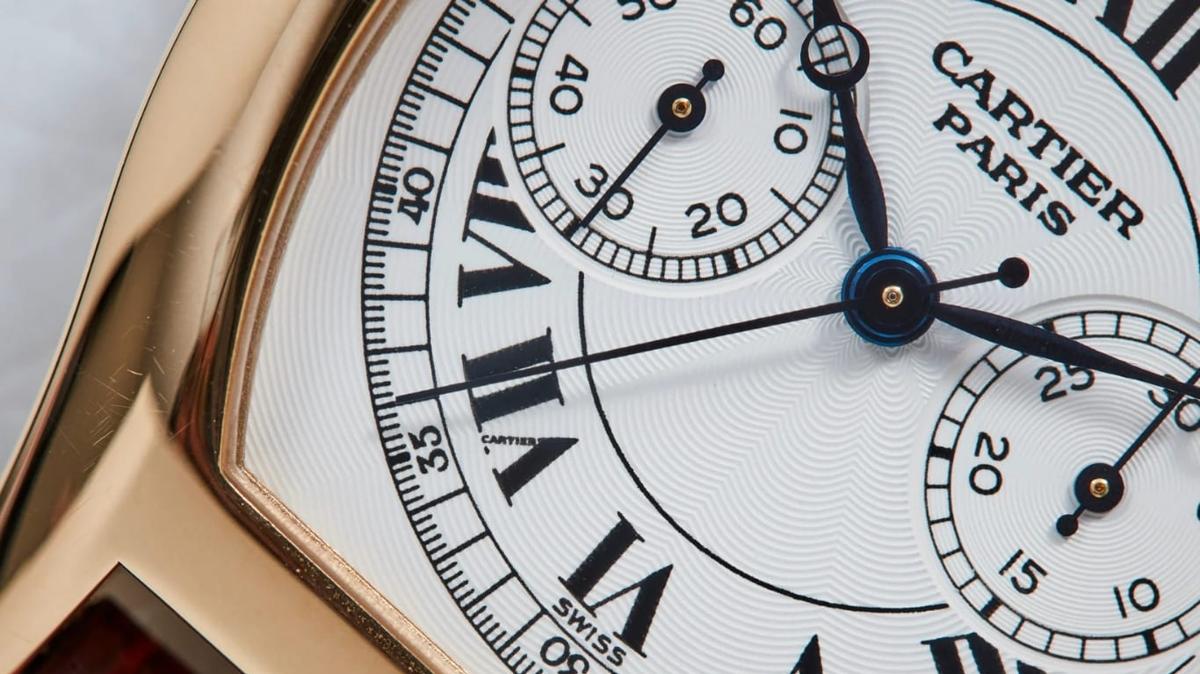
cartier aesthetic
Image Source: analogshift.com

Value Retention

When it comes to value retention in the luxury watch market, Rolex consistently outperforms nearly every other brand on the planet. Its watches are admired for engineering and craftsmanship, but they’re also recognized as reliable financial assets. Models like the Submariner, Daytona, and GMT-Master II have become icons in both the horological and investment communities. If you’re thinking about watches as a serious alternative investment, Rolex is the obvious starting point.

Their strong resale performance is driven by global demand, limited production, and enduring brand prestige that shows no sign of fading.

Many Rolex models have demonstrated the ability to appreciate over time, especially in the pre-owned and auction markets. Stainless steel Daytona models, for example, regularly sell on the secondary market for 30% to 100% above retail, depending on condition and rarity.

Vintage references like the Submariner 5513 or GMT-Master 1675 have also seen steady annual appreciation in the 8% to 15% range, with rare pieces sometimes exceeding those figures by a wide margin.

The combination of brand recognition, consistent innovation, and strategic scarcity keeps Rolex watches in constant demand, even when broader markets get choppy. The Financial Times has tracked how Rolex performs as a store of value through multiple economic cycles.

Cartier watches, while highly respected and admired for their design heritage, typically don’t see the same level of financial appreciation as Rolex. Models like the Tank and Santos are celebrated for their timeless elegance and historical significance, but they’re not positioned as speculative investment pieces the way Rolex sports models are.

That said, Cartier does retain solid value in the right circumstances, particularly for limited-edition pieces, watches crafted from precious metals, or vintage models in excellent condition. Vintage Tank Louis models from the 1970s and 1980s, especially those in gold, have seen real collector interest and corresponding price appreciation in recent years.

On average, Cartier watches retain 60% to 75% of their retail price in the secondary market, depending on the model, condition, and provenance.

Cartier’s emphasis on artistry, Parisian style, and elegance attracts a different segment of collectors. These are buyers who value aesthetic refinement and cultural legacy over sport-driven technicality. While that makes Cartier a less aggressive performer on pure ROI, it’s a powerful name in luxury that offers watches which age gracefully and hold lasting emotional and brand value.

Which Watch is Right for You?

When it comes down to it, the choice between Rolex and Cartier is personal. It depends on what you value most in a luxury timepiece and what role you want your watch to play in your life.

Choose Rolex if

  • You prioritize precision, durability, and investment potential.

  • You want a watch that is versatile enough for both formal and casual wear.

  • You prefer a brand with a long history of innovation in horology.

Choose Cartier if

  • You appreciate elegance, artistic design, and refined aesthetics.

  • You’re looking for a luxury watch that combines functionality with high-end craftsmanship.

  • You want a timepiece that is iconic in its design and instantly recognizable.

Both Rolex and Cartier offer exceptional timepieces that sit at the pinnacle of luxury watchmaking. Whether you lean toward the enduring engineering of Rolex or the artistic elegance of Cartier, your choice will say something about who you are and what you value. Either way, you’re buying into a legacy that will outlast any trend.

FAQ

What is more prestigious, Cartier or Rolex?

Rolex is the ultimate symbol of status, known for its durability, precision, and timeless designs. It’s the go-to for those seeking a luxury watch with long-lasting value and universal recognition. Cartier, on the other hand, is renowned for its elegance, artistic flair, and unique style. While Rolex is a statement of achievement, Cartier stands out for its bold, stylish appeal.

Is a Cartier watch worth investing in?

Yes, Cartier watches can be a valuable investment. Known for their use of premium materials like gold and diamonds, they hold intrinsic value. Beyond that, Cartier’s reputation for timeless design and craftsmanship helps certain models appreciate over time, especially vintage and limited editions. While not every Cartier will skyrocket in value, they offer both luxury and solid resale potential

Swiss watches price hikes
How Swiss Watch Tariffs Are Affecting Luxury Watch Investing In 2026

How Swiss Watch Tariffs Are Affecting Luxury Watch Investing In 2026

The Swiss watch industry has undergone a dramatic transformation in 2026 following the implementation and…
rolex oyster perpetual
Why Rolex Invented Its Own Steel When No Other Brand Bothered

Why Rolex Invented Its Own Steel When No Other Brand Bothered

Most watchmakers treat steel as a commodity. Rolex treats it as a competitive weapon. While…
Audemars Piguet Watches 2025
Rising Auction Prices Show Why Audemars Piguet Watches Are A Strong Investment

Rising Auction Prices Show Why Audemars Piguet Watches Are A Strong Investment

Audemars Piguet has captured attention at a level few luxury watch brands ever reach, and…