The vintage watch market is evolving fast, and the question of restoration has become genuinely complex. For collectors considering vintage IWC, restored examples occupy a particular and unstable position in the market.
- Restored IWC watches present real collector opportunity and real risk in equal measure, with the boundary between sympathetic restoration and over-restoration shaping every transaction.
- Vintage Mark XI pilot references and Yacht Club references from the 1960s and 1970s anchor the restoration market, with original dials and unpolished cases driving premium pricing.
- Movement service, including the iconic 89 calibre and pellaton-winding 8541 calibre, supports decades of continued IWC ownership when handled by qualified watchmakers.
- We see polished-and-redialled IWC pieces as the most acute collector trap, with refinished hands and replaced lume often invisible until close inspection under a loupe.
- Service receipts, before-and-after photography, and qualified independent inspection all matter when evaluating restored IWC references at any serious price point.
- Buyers entering the restored IWC market should anchor on documented restoration history, original-parts retention, and the qualifications of the watchmaker who performed the work.
- Who is this for?
- Vintage IWC collectors, restoration enthusiasts, and buyers considering restored mid-century pilot or Yacht Club references.
- What is happening?
- A grounded read on restored IWC watches as real investment opportunity and real collector risk, covering pilot references, Yacht Club, and service standards.
- When did this emerge?
- The current restoration market reflects the last decade of vintage IWC collector education, with auction visibility continuing to validate the documented-restoration approach.
- Where is this happening?
- Phillips, Christie's, and dedicated IWC specialists in Europe and the United States handle the meaningful restored IWC secondary market.
- Why does it matter?
- Restored IWC pieces offer genuine collector opportunity at sensible pricing, but the risk of over-restoration and parts replacement demands disciplined buyer diligence.
The Schaffhausen-based brand's vintage catalogue spans some of the most considered classical Swiss watchmaking, but the restoration question splits collectors. The honest read on restored vintage IWC is that some restorations enhance the watches; many compromise them; the difference is rarely visible to casual examination.
In our coverage of vintage IWC at Phillips, Christie's and the specialist dealer network across the past five years, the restoration question has emerged as the central authenticity issue for the brand. Reading what serious collectors actually do at this tier is useful for anyone weighing IWC restoration questions.
What vintage IWC actually represents
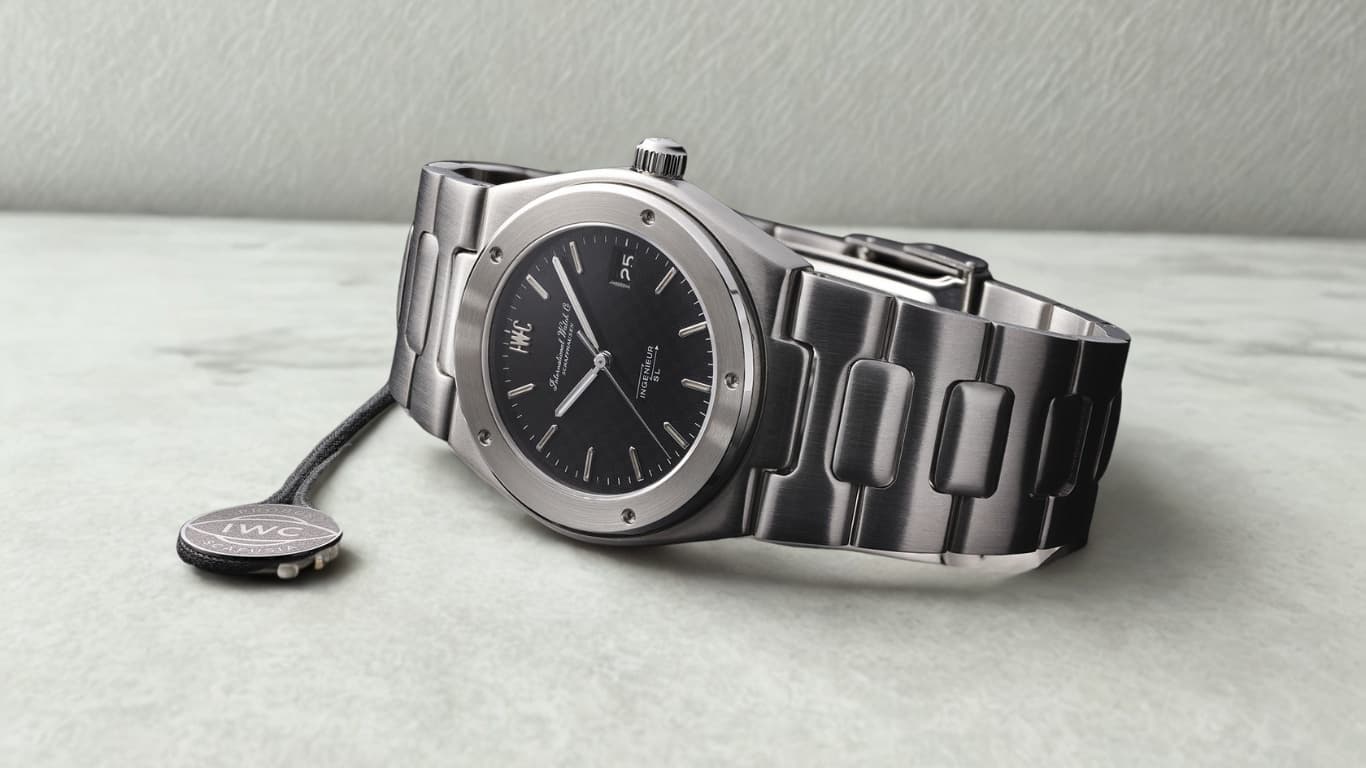
The vintage IWC catalogue includes some of the most considered classical Swiss watchmaking from the 1940s through the 1980s. The various Calatrava-style dress references, the Mark series military pilot watches (Mark XI being the most-cited), the early Ingenieur references, the various Portuguese references with the early high-grade movements, and the rare complicated pieces from the brand's small-batch production years all anchor different tiers of vintage IWC collecting.
Clean original-condition examples trade across a wide range. The rare references with original tropical dials and credible service histories command meaningful premiums; the Mark XI specifically (the 1948-1981 RAF-issued pilot watch with the in-house Calibre 89 movement) is the most actively collected vintage IWC reference, with clean military-issued examples regularly clearing £15,000 to £40,000 at the specialist dealers.
The restoration question in three categories
The restoration question splits into three categories. First, service-network restoration through IWC's own facilities. Generally well-executed but sometimes more aggressive than the modern collector market prefers, with refinished cases or replacement dials when servicing the original would have been preferable.
Second, independent specialist restoration. The small group of watchmakers who specialise in vintage IWC and execute restorations to museum-grade standards.
Third, the broader market restoration. The vast middle tier where restoration quality varies substantially and the work isn't always documented. This is the category where most restoration risk concentrates.
The opportunity and the gamble in restored IWC
The opportunity in restored vintage IWC is the access to the brand's classical catalogue at price points the original-condition examples don't reach. A restored Mark XI or restored vintage Calatrava-style reference can provide the visible aesthetic and wear character of the historical reference at a price an unrestored original would multiple.
The gamble is the secondary-market discount that restoration carries. Clean original examples trade at substantial premiums over even well-restored references, and the difference can be substantial. A clean original Mark XI with the original dial and unrestored case might clear £40,000 at the specialist dealers; a similar Mark XI with a refinished case and a service-replacement dial might clear £15,000 to £20,000 in the same channel.
What serious vintage IWC collectors actually do
The collectors operating at the upper end of vintage IWC tend to weight originality discipline heavily. The most considered vintage IWC collecting focuses on unrestored original-condition examples with documented service histories that maintained the original components.
Where restoration has occurred, collectors prefer documentation of who performed the work, what was replaced, and what was preserved. The major specialist dealers (the established London and Geneva vintage IWC specialists, the various US-based vintage IWC dealers, the Vallée de Joux specialists with IWC focus) maintain restoration-history records for the pieces they handle, and that documentation discipline travels with the watch on subsequent transactions.
How to read restoration tiers in practice
For collectors entering vintage IWC, the practical advice is to handle multiple references in person at credible specialist dealers and to develop the eye for the difference between original-condition pieces and the various tiers of restoration before committing to any significant purchase. The skill is genuinely visual: the case-finishing patterns, the dial-printing tells, the lume-degradation characteristics, the movement-finishing details all carry restoration evidence to a trained eye.
The specialist dealers will examine candidate pieces under loupe and explain what they see. The auction-house specialists at Phillips, Christie's and Sotheby's provide the same service for lots in their pre-sale catalogues. Building the eye takes years; the cost of getting it wrong on a significant vintage IWC purchase can be substantial.
The role of IWC's own service network
IWC's own service network in Schaffhausen handles vintage references from the brand's archives, and the brand's restoration work is generally executed to a high standard. The criticism from the contemporary collector market is that the service restoration can sometimes be more aggressive than the modern collector market prefers, with refinished cases or service-replacement dials when servicing the original would have been the preferred approach.
For collectors weighing whether to send a vintage IWC to the brand's service network, the practical advice is to specify on the service-request documentation what should be preserved (original dial, original hands, original case finish) and to request that any replacement work be itemised in the service report. The brand's service network respects collector-specified preservation requests, but the request has to be made explicitly.
What this means for collectors
The longer story collectors recognise is that vintage IWC represents one of the more considered tiers of vintage Swiss watchmaking, but the restoration question genuinely complicates the picture. Clean original-condition examples remain the cleanest tier; well-documented restorations through credible specialists occupy the second tier; broader-market restorations carry the structural discount the secondary market applies.
Reading the difference accurately matters substantially for any serious vintage IWC collecting. For collectors building toward a considered vintage IWC position, the practical work is the documentation discipline (preservation specifications on service requests, restoration-history records maintained from acquisition forward, original purchase documentation retained) and the visual skill that compounds across years of handling clean original references.
We last reviewed this analysis in May 2026.


Stefanos Moschopoulos
Stefanos Moschopoulos founded The Luxury Playbook in Athens and has spent the better part of a decade following the auction calendar, the en primeur releases, and the watchmakers, gallerists, and shipyards the magazine covers. He writes the field guides and listicles that anchor the Connoisseur section — pieces built on Phillips and Christie's results, Liv-ex movements, and conversations with collectors he has met across Geneva, Bordeaux, Basel, and Monaco. His own collecting habits sit closer to watches and wine than art, and it shows in the level of detail in the magazine's coverage of those categories. Under his direction, The Luxury Playbook now publishes long-form field guides, market-defining year-end listicles, and the Voices interview series with the founders behind the houses and the brands.