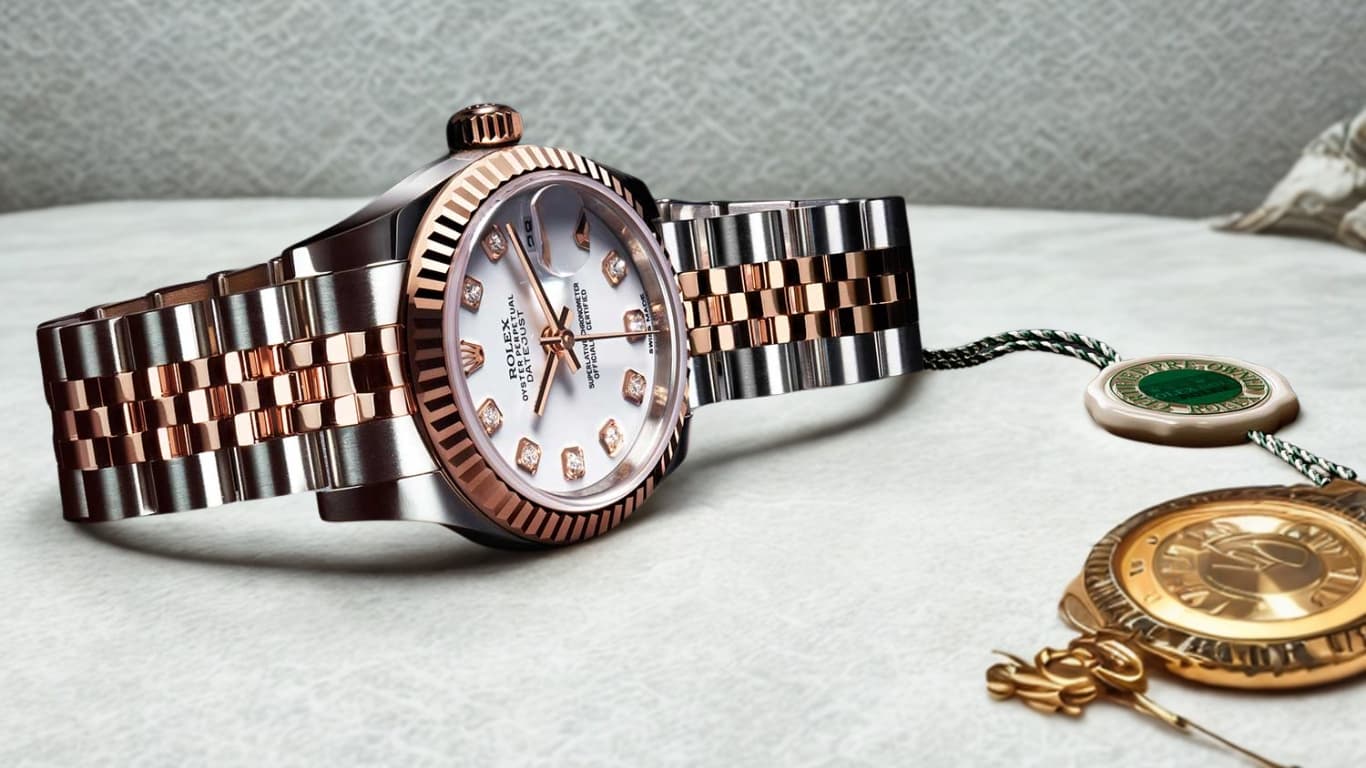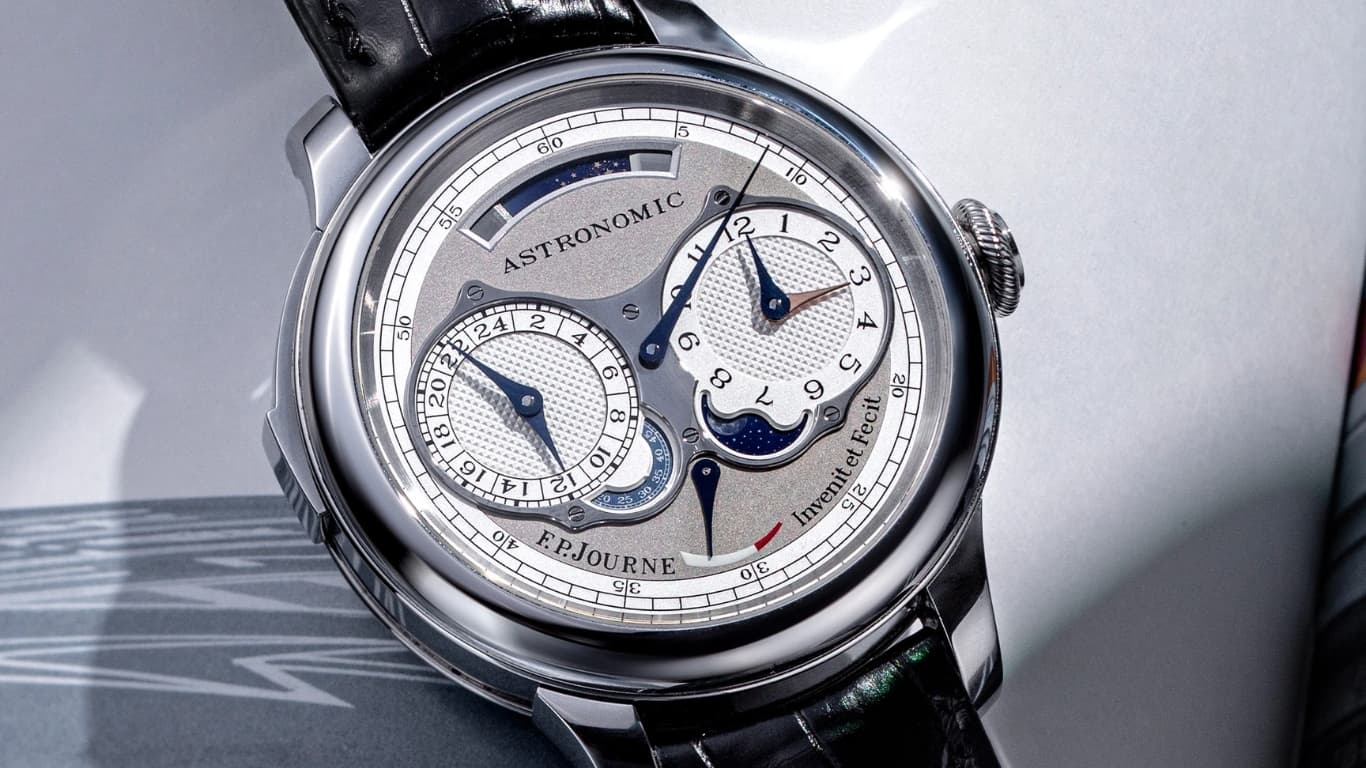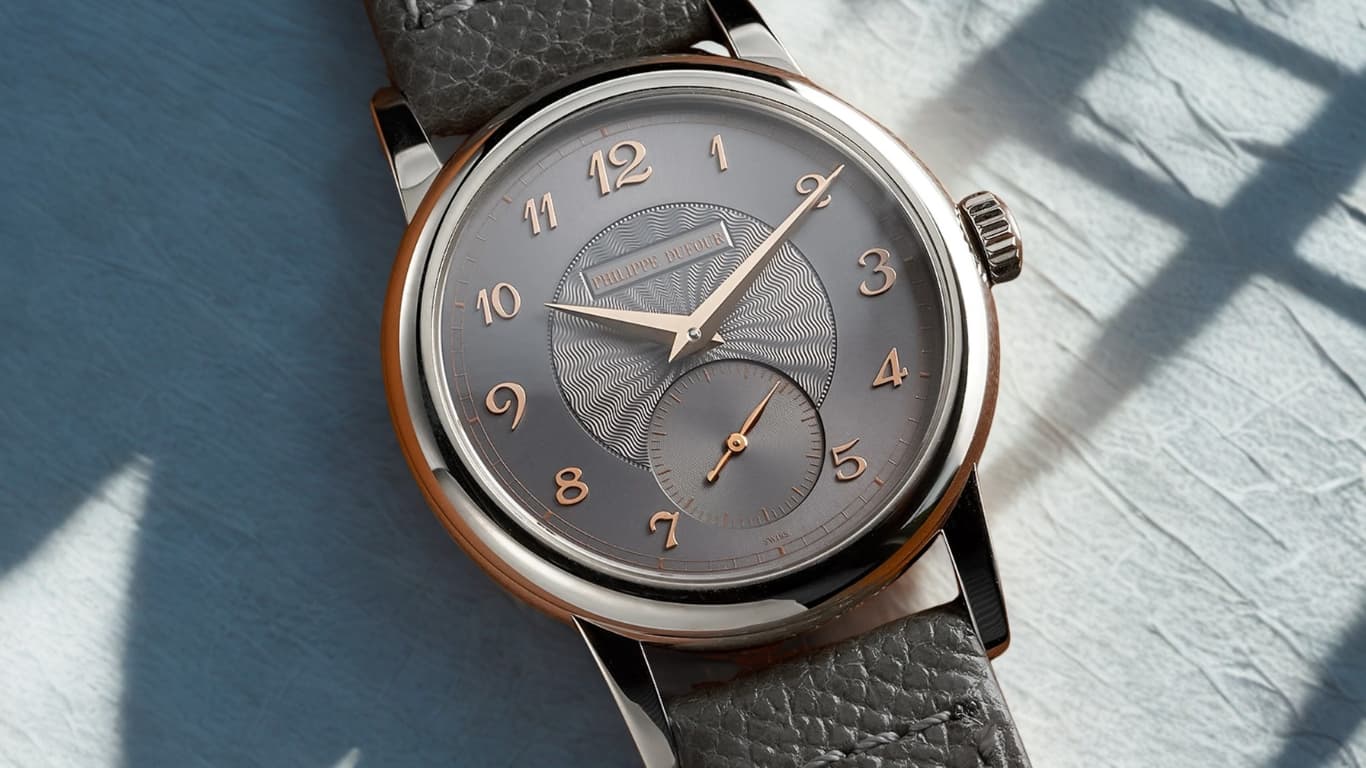
Authenticity is the whole game in watch collecting, and not in a clichéd way. It's the discipline at the centre of everything serious collectors actually do. It's the reason a Patek Philippe 5711 with full set documentation trades at a meaningful premium over the same reference without papers.
- Authenticity is the foundation of every serious watch transaction, and counterfeit risk now extends from entry pieces through six-figure auction lots.
- Box-and-papers documentation, service history, and dealer provenance are the three pillars of credible authentication beyond the watch itself.
- We treat case backs, dial typography, and movement finishing as the first authentication filters, because the best counterfeits still fall short on the work itself.
- Recased and refinished pieces represent a separate authenticity risk, where a watch is technically genuine but no longer carries factory original condition.
- Service replacement parts, including hands and dials, can downgrade a watch from collector grade to wearer grade even when no fraud is involved.
- Trusted dealer relationships remain the single best insurance policy, with authorised pre-owned programmes adding institutional verification at the new and near-new tier.
- Who is this for?
- Pre-owned buyers at every level, inheritors authenticating family pieces, and dealers building inventory across multiple brands.
- What is happening?
- A grounded explanation of why authenticity sits at the centre of serious watch collecting, covering counterfeit risk, service histories, and originality standards.
- When did this emerge?
- Counterfeit sophistication has grown alongside the wider luxury watch market, and the importance of authentication has only increased through the last decade.
- Where is this happening?
- Major auction houses, authorised dealers, and the leading independent specialists all offer institutional authentication that private listings cannot match.
- Why does it matter?
- A single authenticity error can wipe out the value of a major purchase, and the cost of professional verification is always lower than the cost of getting it wrong.
It's the reason a vintage Daytona with an original dial commands multiples over one with a service replacement. It's the reason the established specialist dealers spend more time refusing watches than selling them.
Counterfeit watchmaking has reached a level where casual inspection no longer reliably distinguishes a genuine high-end watch from a sophisticated fake. The collectors who hold up over a decade tend to have built the habits, and the relationships, that let them buy with confidence.
What serious watch collectors actually verify
Authentication runs through three pieces of work. The visual inspection comes first.
Case construction and finish read against the brand's known finishing standards. Dial geometry and printing read for symmetry and font consistency. Serial-number engravings read for sharpness and depth (the laser-etched coronet on the inside of a Rolex sapphire crystal at six o'clock is a single-mark example, but every brand has equivalents).
Weight and tactile feel read against a known-genuine reference.
The differences between a high-end fake and the real thing tend to be small. A slightly off shade of dial paint, a font that sits a quarter of a millimetre out of position, a case bevel that softens where it shouldn't.
The movement examination
The movement examination comes second. Caseback off, movement under loupe, finishing on the bridges and rotor read against the brand's documented architecture.
High-end fakes increasingly include movement decoration that looks acceptable in photographs. Under direct examination by someone who has handled hundreds of genuine examples of the same calibre, the inconsistencies become apparent.
Component quality, screw heads, jewel placement, perlage and Geneva stripe finishing: these all read in detail to the trained eye. This is the work the auction-house specialists at Phillips and Christie's do day in, day out.
The documentation cross-check
The documentation cross-check comes third. Original purchase receipts, warranty papers, service records, and where applicable, the brand's own archive records.
Patek Philippe maintains an extract-from-archives service that confirms a piece's date of manufacture and original delivery. Vacheron Constantin operates similarly. Rolex doesn't provide archive verification publicly, which is part of why physical authentication discipline matters more for vintage Rolex than for vintage Patek.
Provenance and the box-and-papers premium
Provenance is the documented chain of ownership and service from manufacture to current sale. For modern Swiss watches, provenance starts at the boutique sale and runs through subsequent ownership changes.
For vintage references, provenance can be more fragmentary but credible chains carry weight at the auction houses. Phillips, Christie's, Sotheby's and Antiquorum all publish provenance details in their catalogue notes for major lots, and the more documented the chain, the more confidence the market places in the piece.
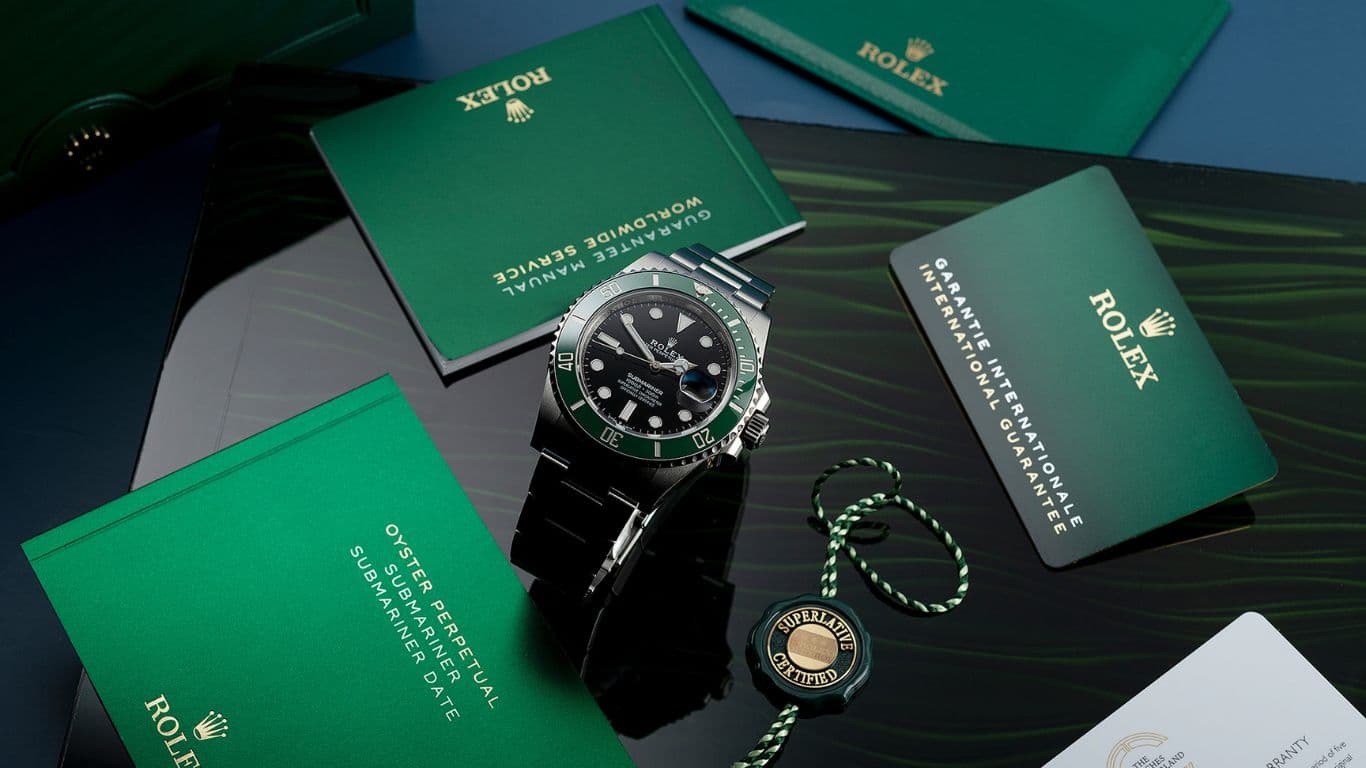
Box-and-papers (the original delivery box, warranty card, instruction manuals, hangtags, and any subsequent service receipts) moves a piece's secondary value by 10 to 30 percent versus a watch-only sale. The gap is widest at the upper end of the market. For vintage references where original full sets are rare, even partial documentation (warranty card alone, or a credible chain of ownership) carries meaningful weight.
Anti-counterfeit measures the brands have built in
The brands have increasingly built physical authentication features into their products. Rolex's micro-etched coronet on the sapphire crystal at six o'clock is a single example.
Audemars Piguet's case-side serial-number stamping, the holographic warranty stickers Patek and others apply to documentation, the unique caseback engravings on most modern high-end references: these are the brand-side defences against the most common categories of counterfeit.
Some brands are now experimenting with blockchain-backed digital provenance records (Vacheron Constantin's Hour Club platform, Breitling's blockchain certification), though the practical adoption among collectors has been modest so far.
Brand authentication programmes that work
The brand's own authentication programmes are the highest-confidence verification route. Rolex's authorised service network, Patek Philippe's archive extracts, Audemars Piguet's archive lookups, the boutique-level confirmation that the major brands provide for pieces brought in for service.
These are the most reliable confirmations a collector can obtain. The cost is the time required (extract requests can run weeks or months) and the practical limitation that not every service centre will examine a piece a buyer is considering pre-purchase.
The dealer and auction-house authentication route
The credible specialist dealers (Watches of Switzerland Certified Pre-Owned, Bucherer's pre-owned operation, Watchfinder, A Collected Man, Subdial, Material Good, Govberg, Komehyo, Jackroad) operate at the credible end of the spectrum because their business depends entirely on authentication discipline.
Pricing carries a premium over open-market clearing prices that reflects the cost of the authentication and warranty backing. For most collectors, that premium is worth paying.
The major auction houses, including Phillips (with the Bacs & Russo team), Christie's, Sotheby's and Antiquorum, handle the upper end of the vintage market with full pre-sale authentication and condition reporting. Lots come pre-vetted, condition reports are detailed and reliable, and estimates are reasonable indicators of likely clearing prices.
What buyer's premium actually buys
Buyer's premium adds 25 to 28 percent to the hammer price. That's the cost of the authentication discipline and the documented chain of provenance the auction house provides.
For private-market purchases above the entry tier, an independent specialist's hand on the watch before money changes hands is the practical baseline most serious collectors work to. The marketplaces (Chrono24, WatchCharts, eBay's authenticated watch programme) provide the broadest access at the most variable quality levels.
Chrono24's Trusted Checkout offers escrow plus authentication for higher-value listings. WatchCharts focuses on price discovery rather than transaction infrastructure. Neither is a substitute for direct authentication on a six-figure piece.
What the authenticity discipline actually looks like
The collectors who build the most considered collections tend to share a small number of habits. They specialise. Most serious collections are organised around a vertical (vintage Patek, modern Rolex sport references, independent watchmaking) rather than spread thinly across the market.
They build relationships with two or three specialist dealers and one or two auction-house specialists over years rather than chasing the lowest price on any given transaction. They request extract-from-archives confirmations on high-value vintage pieces from the brands that provide them.
They photograph and document every piece they buy, and they preserve the original packaging and papers as carefully as they preserve the watches themselves. This documentation discipline pays dividends at every subsequent sale, valuation or insurance event.
Further reading
What this means for serious collectors next
The most considered collectors say "no" frequently. The most common reason a watch fails authentication isn't an obvious counterfeit. It's a piece that's been service-modified, polished, repaired or otherwise altered enough that the original character has been compromised.
The discipline of walking away from a piece that doesn't quite read right is what separates the collectors whose collections appreciate steadily over time from those who acquire ten pieces and discover, two years later, that several of them won't move at the prices they paid.
Authenticity isn't a step in the buying process. It's the buying process. For collectors working toward serious collections, the verification habits described above are not optional.
We last reviewed this analysis in May 2026.

Stefanos Moschopoulos
Stefanos Moschopoulos founded The Luxury Playbook in Athens and has spent the better part of a decade following the auction calendar, the en primeur releases, and the watchmakers, gallerists, and shipyards the magazine covers. He writes the field guides and listicles that anchor the Connoisseur section — pieces built on Phillips and Christie's results, Liv-ex movements, and conversations with collectors he has met across Geneva, Bordeaux, Basel, and Monaco. His own collecting habits sit closer to watches and wine than art, and it shows in the level of detail in the magazine's coverage of those categories. Under his direction, The Luxury Playbook now publishes long-form field guides, market-defining year-end listicles, and the Voices interview series with the founders behind the houses and the brands.