The first piece of advice serious watch collectors give to anyone new to the field is, ironically, about other people. Specifically, when watch collectors actually need an advisor: when to bring in someone who knows the market better than they do. The luxury watch market doesn't operate like an organised exchange.
- An independent watch advisor earns their fee when a collection crosses the five-piece threshold, because coherence and long-term value start to matter more than individual purchases.
- Provenance verification, dealer-side negotiation, and access to private inventory are the three concrete services collectors pay for, beyond the broader curation function.
- We see the advisor relationship as most valuable when collectors face a generational wealth event, an estate planning question, or a major acquisition above six figures.
- Conflicts of interest matter more than fees, and the best advisors disclose every commission, kickback, and inventory position before discussing a recommendation.
- A good advisor will steer you away from purchases they sense are wrong for your collection, even when it costs them a transaction this quarter.
- Self-directed collectors with strong dealer relationships often do not need advisory, but the value increases sharply once the collection requires coherent strategy.
- Who is this for?
- Collectors building toward institutional-grade portfolios, family offices managing watch holdings, and inheritors taking custody of complex estates.
- What is happening?
- A clear explanation of when collectors genuinely benefit from professional watch advisory, and when the function can be handled through trusted dealers alone.
- When did this emerge?
- The advisor case strengthens once the collection grows beyond a handful of pieces, faces an estate planning trigger, or considers institutional-grade acquisitions.
- Where is this happening?
- Geneva, London, New York, and Hong Kong host the most established independent advisors, with discreet practices serving international clients.
- Why does it matter?
- Mistakes at the upper end of the market are expensive, and the right advisor saves clients more in avoided errors than they ever charge in fees.
There's no central authority, no published price ledger, no SEC equivalent.
Reference numbers carry consequences buyers don't always read. Condition reads in detail. Provenance documentation can move a piece's value by 20 to 30 percent.
New collectors who try to navigate this entirely alone tend to make expensive mistakes early.
The collectors who hold up best over a decade tend to have built relationships with specialist dealers, with auction-house specialists, with independent consultants, long before they bought their first significant piece. What changes the conversation is being clear about what an advisor or consultant actually does. The job isn't to predict prices or to pitch portfolio strategies.
What a serious watch advisor actually does
Independent watch consultants and respected specialist dealers do a small number of things well. The first is sourcing: knowing which dealers are credible, which auction lots are worth bidding on, which private sellers have credible chains of provenance.
The credible names in this work (Adrian Hailwood at Fellows, Aurel Bacs at Phillips, Geoffroy Ader and the Antiquorum team, the specialists at Phillips' watch department, and the established independent advisors who've built reputations across decades) all share a particular discipline. They spend more time saying "no" to pieces than "yes".
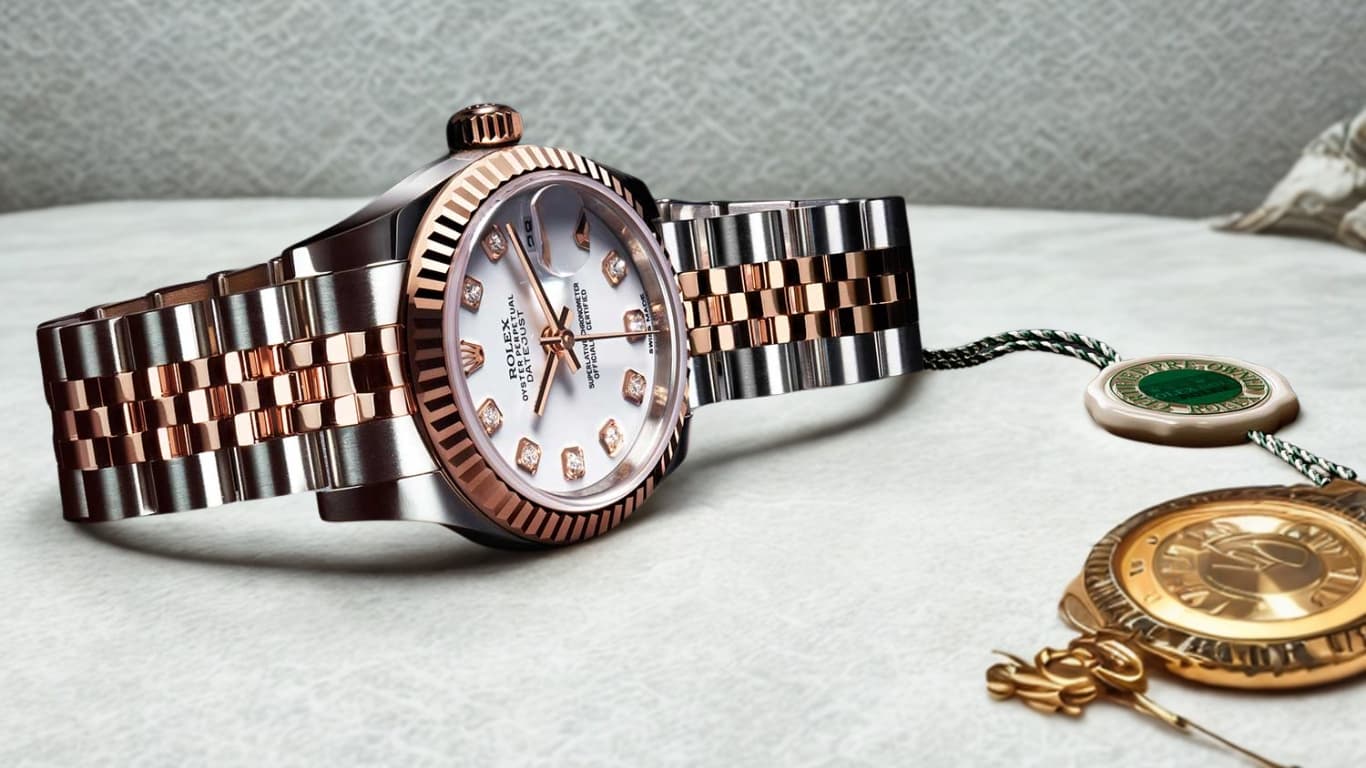
The second is condition assessment. A vintage Rolex Submariner reference 5513 looks fine to a casual buyer in fifteen photographs. The same watch, examined under a loupe by a specialist, can reveal a service-replacement dial, a polished case where the bevels have been softened, hands that don't match the period, or a movement with replacement parts.
The condition gap that costs collectors
The condition gap between what looks acceptable and what actually is, on a vintage piece, can be the difference between a strong long-term hold and an expensive correction. The third role of a credible advisor is authentication.
Modern high-end counterfeit watchmaking has reached a level where casual inspection no longer reliably distinguishes a genuine watch from a sophisticated fake. Movement examination, serial-number consistency checks, reference-engraving inspection, and access to brand records (where available) are the tools specialists use.
For any private-market purchase above the entry tier, having a specialist examine the watch before money changes hands is the practical baseline. The collectors we hear from at Phillips and Christie's previews consistently emphasise this point.
When watch collectors actually need an advisor
The collectors who benefit most from advisor or specialist relationships tend to fall into three groups. New collectors making their first significant purchase, anything above the $5,000 to $10,000 band, where the cost of a wrong reference choice or a missed authentication issue starts to bite.
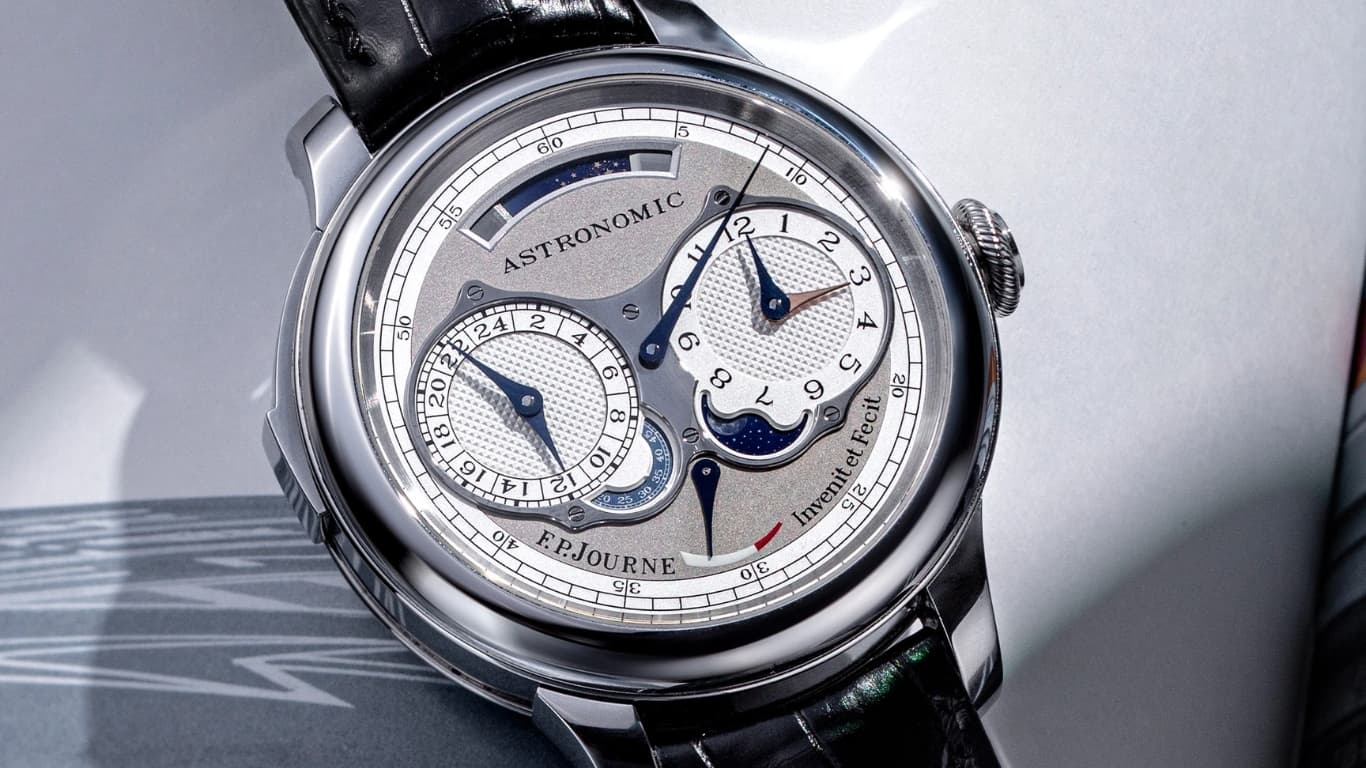
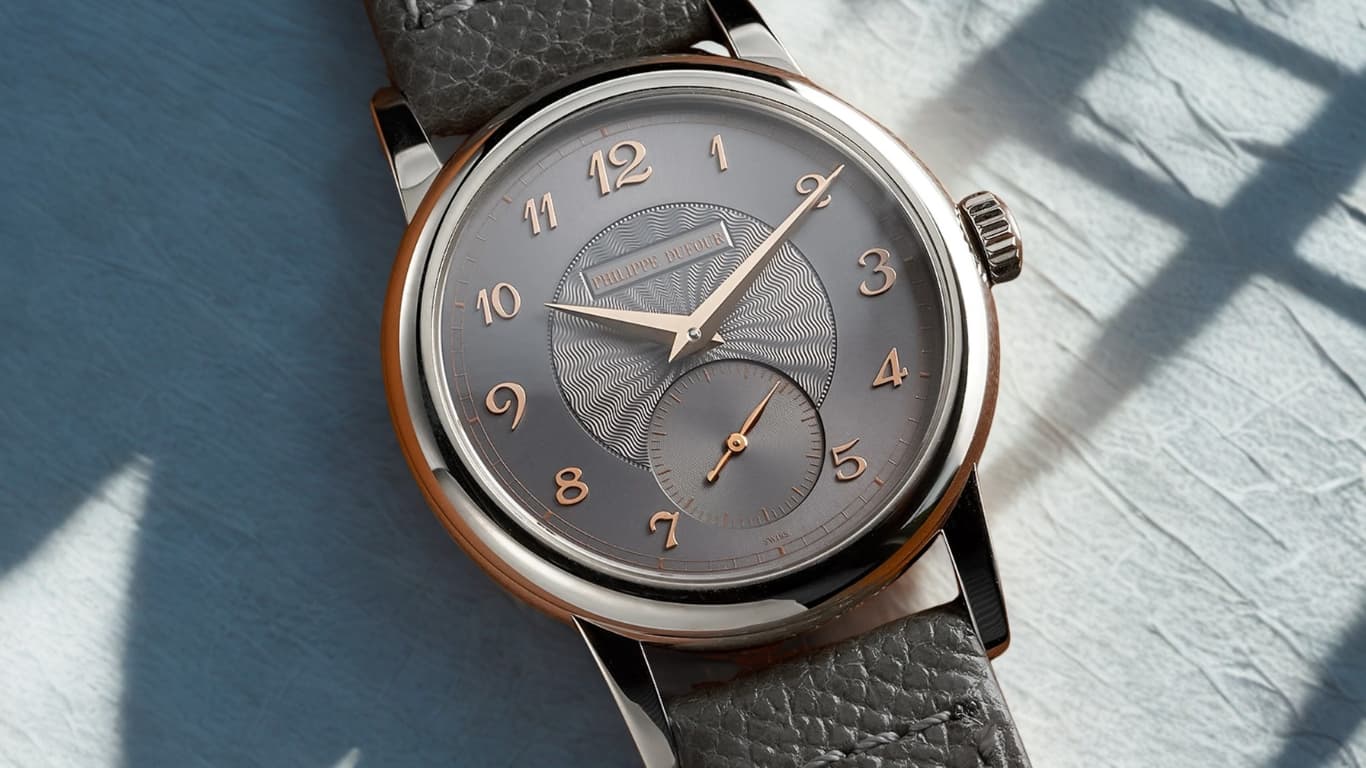
Collectors moving into vintage, where condition and originality discipline differ substantially from modern Rolex collecting and where the cost of a refinished dial or polished case shows up immediately on resale. And collectors moving into the independent watchmaking tier: F.P. Journe, Roger Smith, Philippe Dufour, Voutilainen, where production volumes are tiny and the credible secondary-market access is essentially through a small network of specialist dealers and the major auction houses.
Collectors who don't need an advisor are the ones whose collecting fits within Rolex sport references and Omega Speedmaster territory bought from credible dealers. Authentication discipline is well-established in those segments and the marketplaces (Chrono24, WatchCharts, Watches of Switzerland Certified Pre-Owned) provide enough transparency for confident self-directed buying.
The role of auction-house specialists
The major auction houses (Phillips, Christie's, Sotheby's, Antiquorum) provide a particular kind of advisory access through their specialist departments. The watch specialists at the major houses spend their working lives reading watches in detail.
They're the people who write the catalogue notes, set the estimates, and field collector questions about specific lots. For collectors approaching the auction route, building relationships with the specialists at one or two of the major houses pays dividends over years.
Auction-house buying carries its own discipline. Lots come pre-authenticated, condition-reported, and estimated. The buyer's premium adds 25 to 28 percent to the hammer price.
The resulting transaction is documented in a way that strengthens future provenance.
Why the auction route handles logistics
The houses also handle international logistics, which is important for any collector buying across borders, where customs and import-tax handling can otherwise create complications. The auction route is generally cleaner than private-market international purchases.
That cleanliness is part of what justifies the buyer's premium. For collectors handling vintage Patek or rare Rolex at the upper end, the auction-house path is often the cleanest route to a clean piece with documented provenance.
The dealer network worth knowing
Specialist dealers are the working layer most active collectors interact with. Watches of Switzerland's Certified Pre-Owned operation, Bucherer's pre-owned arm, Watchfinder, Bonhams' watch department, and the established independent dealers in London (A Collected Man, Subdial), Geneva (Antiquorum's daily-trade arm), New York (Govberg, Material Good), Tokyo (Komehyo, Jackroad) all operate at the credible end of the spectrum.
Pricing tends to run at a 10 to 20 percent premium over private-market clearing prices. That premium reflects the cost of authentication, warranty backing and dealer reputation.
The independent specialists (A Collected Man's curated independent watchmaking selection, Subdial's vintage Rolex focus, Material Good's contemporary independent inventory) have built reputations by being selective about what they offer. The premium over open-market pricing is the cost of access to pieces that have been pre-vetted by people whose reputations depend on the quality of what they sell.
What to look for in a credible watch advisor
The credible end of the watch advisory profession shares a small number of attributes. Verifiable transaction history: pieces a specialist has handled, lots they've authenticated, references they've documented.
Public writing or auction-catalogue contributions where the specialist's actual analysis can be read. Affiliation with respected institutions (an auction house, a major dealer, a respected publication's watch desk). Long-standing relationships with brand archives where applicable.
The red flags experienced collectors watch for
The signals to be cautious about are familiar enough. Anyone framing watch collecting primarily as a financial-returns exercise. Anyone offering exclusive access to references that turn out to be available through standard market channels.
Anyone whose recommendations don't include conditions where they would tell a buyer to walk away from a piece.
The best advisors say "no" frequently. The collectors who listen to them tend to build the most considered collections. Authentication is humble work, and the credible practitioners treat it that way.
Further reading
- Collecting Luxury Watches: A Serious Pursuit
- How to Choose Your First Serious Luxury Watch
- The First Luxury Watches Serious Collectors Recommend
What this means for collectors next
The longer story collectors come to understand is that the value an advisor adds isn't really about timing or selection. It's about not making the unforced errors: buying a refinished vintage piece thinking it's original, paying through a private sale that doesn't survive due diligence, missing the small detail on a reference number that turns out to matter.
Done well, the advisory relationship pays for itself many times over across a serious collecting life. For collectors approaching their first vintage Rolex, their first independent piece, or their first six-figure purchase, the question isn't whether to bring in a specialist. It's which specialist to build the relationship with, and how to make sure their incentives align with the collector's long-term holding discipline.
We last reviewed this analysis in May 2026.

Stefanos Moschopoulos
Stefanos Moschopoulos founded The Luxury Playbook in Athens and has spent the better part of a decade following the auction calendar, the en primeur releases, and the watchmakers, gallerists, and shipyards the magazine covers. He writes the field guides and listicles that anchor the Connoisseur section — pieces built on Phillips and Christie's results, Liv-ex movements, and conversations with collectors he has met across Geneva, Bordeaux, Basel, and Monaco. His own collecting habits sit closer to watches and wine than art, and it shows in the level of detail in the magazine's coverage of those categories. Under his direction, The Luxury Playbook now publishes long-form field guides, market-defining year-end listicles, and the Voices interview series with the founders behind the houses and the brands.